
I've Tested Every iPhone Since the iPhone 12, and Ceramic Shield 2 Is the First iPhone Glass I Fully Trust
1 week ago
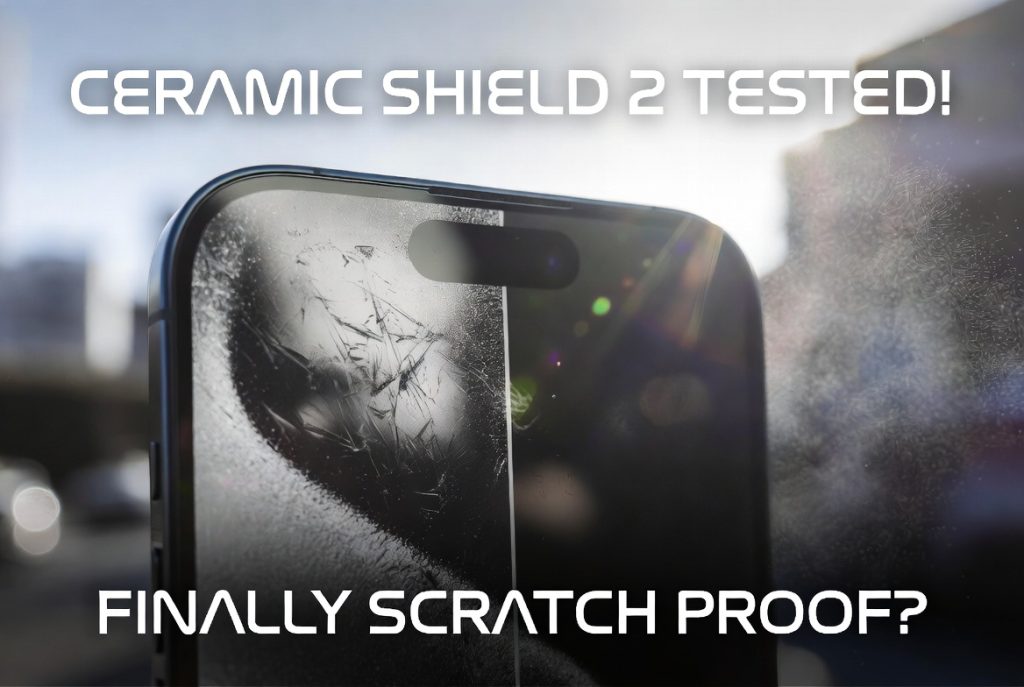
For years, iPhone glass has been a mixed bag. Apple has made bold marketing claims about durability with each new generation, but real-world experience often told a different story. Micro-scratches from keys in pockets, hairline marks visible under bright light, and the constant temptation to add a screen protector have been common frustrations for many users — including those who test phones professionally.
That changed with the launch of the iPhone 17 series and the introduction of Ceramic Shield 2. Apple claimed it offered three times better scratch resistance and significantly reduced glare compared to previous generations. After months of daily use with the iPhone 17 Pro — and having tested every iPhone since the iPhone 12 — I can confidently say that this time, the hype matches reality.
Ceramic Shield 2, developed in partnership with Corning, features a denser nanocrystal structure and an improved oleophobic coating. In independent torture tests by channels like JerryRigEverything, the glass only showed light marks at Mohs hardness level 7 — a clear improvement over earlier iPhones that typically scratched at levels 5 or 6.
In everyday scenarios — sliding the phone into pockets with keys, placing it on tables, or using it without a case — the difference is noticeable. Previous models quickly accumulated visible micro-abrasions that became glaring under sunlight or office lighting. With Ceramic Shield 2, those issues are dramatically reduced, if not eliminated for most users.
This isn't just about avoiding scratches. The reduced glare makes the display more pleasant to use outdoors and in bright environments, while the tougher surface gives users more confidence to go caseless or skip the screen protector for the first time.
In this in-depth 2026 review, we'll cover:
- Real-world durability testing across multiple iPhone 17 models
- Comparison with previous Ceramic Shield generations
- Impact on the need for screen protectors
- Performance of the Apple Watch Series 11's upgraded Ion-X glass
- Practical advice for users considering a new iPhone in 2026
- Whether Ceramic Shield 2 finally makes iPhones "tough enough" for daily life
If you've been frustrated by iPhone glass in the past, this upgrade might finally change how you protect (or don't protect) your phone.
My Testing Experience – From iPhone 12 to iPhone 17 Pro
I've been professionally testing iPhones since the iPhone 12 series, putting each model through months of real-world use. This includes daily pocket carry with keys and coins, placement on various surfaces, and occasional drops or bumps.
The Problem with Previous Generations
- iPhone 12 to 14 series: Ceramic Shield was marketed as a major leap, but in practice, micro-scratches appeared within weeks. The iPhone 13 mini I used extensively developed a "frosted" look on the screen after several months of normal use.
- iPhone 15 Pro and 16 Pro: Improvements were incremental. The iPhone 16 Pro picked up a noticeable scratch within the first two weeks. Over months, multiple micro-abrasions accumulated, especially visible under direct light. I eventually added a screen protector to prevent further damage.
- Common pattern: Hairline scratches from everyday items, glare issues in bright conditions, and the constant feeling that the glass needed extra protection.
The iPhone 17 Series Difference Switching to the iPhone 17 Pro equipped with Ceramic Shield 2 was immediately noticeable. After several months of the same usage patterns — keys in pockets, desk placement, occasional bumps — the screen remains remarkably clean.
Key observations:
- No significant scratches even after carrying the phone with metal objects
- Markedly reduced glare, making outdoor visibility better
- The oleophobic coating feels more effective, with fewer fingerprints and easier cleaning
The same positive experience extended to the Apple Watch Series 11. While it uses an upgraded Ion-X glass (not Ceramic Shield 2), Apple claims twice the scratch resistance of the Series 10. After months of wear, the watch face shows no visible micro-scratches, even when bumping against door frames or furniture — a common source of marks on previous models.
Independent Validation Third-party tests support these findings. JerryRigEverything's Mohs hardness test showed the iPhone 17 series glass resisting scratches until level 7, with only light marks. This is a clear step up from previous generations.
For most users living relatively normal lives (not regularly exposing the phone to sand, gravel, or extreme conditions), Ceramic Shield 2 appears to deliver on Apple's durability promises.
Technical Improvements Behind Ceramic Shield 2
What Apple Changed Apple and Corning worked together to create a denser nanocrystal structure within the glass. This results in:
- Higher resistance to surface abrasion
- Better light transmission with reduced glare
- Improved oleophobic coating that repels oils and fingerprints more effectively
Real-World Benefits
- Scratch Resistance: Everyday items like keys, coins, or desk surfaces cause far less damage. Previous iPhones often developed visible marks quickly; the iPhone 17 series stays looking new longer.
- Glare Reduction: The display performs noticeably better in bright sunlight or under harsh office lighting. Reflections are minimized, improving readability and viewing comfort.
- Fingerprint Resistance: The enhanced coating makes the screen easier to keep clean, reducing the smudged look that plagued earlier models.
Comparison with Previous Ceramic Shield
- Ceramic Shield (original): Good marketing, but real-world durability was average. Scratches appeared at Mohs level 5-6.
- Ceramic Shield 2: Significant leap. Scratches only at level 7, with much lighter marks. Combined with the anti-reflective properties, the overall user experience feels premium.
Apple Watch Series 11 Parallel The Series 11's upgraded Ion-X glass shows similar improvements. After months of use, the watch face remains free of the micro-scratches that were common on earlier models. This suggests Apple's broader investment in display durability is paying off across its wearable and phone lines.
Limitations to Note Ceramic Shield 2 is tougher, but not indestructible:
- Drops onto hard surfaces can still cause cracks
- Sand, quartz, or diamond-like materials can still scratch it
- Extreme conditions (beach sand, construction sites) still warrant protection
For adventurous users or those who frequently drop their phones, a high-quality screen protector with anti-reflective properties remains a smart choice.
Do You Still Need a Screen Protector?
The Short Answer For most people, no — you probably don't need one anymore with Ceramic Shield 2.
Why the Change? Previous iPhones often accumulated enough micro-scratches to make a protector feel necessary. With the iPhone 17 series, the glass holds up so well that adding a protector might actually reduce the benefits of the improved anti-reflective coating.
Tests by accessory makers like Astropad have shown that standard glass protectors can interfere with the glare-reducing properties of Ceramic Shield 2. If you do choose to use a protector, look for ones specifically designed with anti-reflective layers.
When You Might Still Want Protection
- Frequent drops or clumsy handling
- Work environments with sand, gravel, or abrasive materials
- Beach or outdoor activities where the phone might contact rough surfaces
- If you prefer maximum peace of mind
Cost and Practicality Screen protectors add expense and can affect touch sensitivity or display clarity. With Ceramic Shield 2 performing this well, many users can skip this step and enjoy the phone as Apple intended — clean, bright, and unprotected.
My Personal Experience After months with the iPhone 17 Pro, I've stopped worrying about minor scratches. The screen still looks nearly new, even without a case or protector in many situations. This is the first iPhone where I've felt comfortable going mostly caseless for extended periods.
Broader Implications for the iPhone Lineup in 2026
Availability Across Models As of early 2026, every current iPhone model ships with Ceramic Shield 2 or equivalent upgraded glass. This includes:
- iPhone 17 Pro and Pro Max
- Standard iPhone 17
- The more affordable iPhone 17e
This democratization of durability means even budget-conscious buyers get the latest glass technology.
Impact on Accessories Market The improved glass is already influencing the screen protector market. Manufacturers are shifting toward anti-reflective protectors or positioning their products as optional rather than essential.
User Behavior Changes Many long-time iPhone users who habitually added protectors are now reconsidering. The reduced need for extra layers means a cleaner, more direct interaction with the display and potentially lower long-term costs.
Environmental Angle Fewer screen protectors mean less plastic waste and fewer replacement accessories over the phone's lifetime — a small but positive step toward sustainability.
Future Expectations With Ceramic Shield 2 setting a new standard, we can expect Apple to continue refining display durability in future generations. The focus may shift toward even better drop resistance or integration with advanced coatings.
Final Verdict and Recommendations
Ceramic Shield 2 represents one of Apple's most successful durability improvements in recent years. After testing every iPhone since the iPhone 12, this is the first glass I genuinely trust for daily use without constant worry about scratches or the need for a protector.
Who Benefits Most
- Users who hate screen protectors but want a pristine display
- People who carry their phone with keys or in rough pockets
- Those who value outdoor visibility and reduced glare
- Anyone tired of micro-scratches accumulating over time
Who Might Still Want Protection
- Heavy users prone to drops
- People in abrasive environments
- Those seeking maximum peace of mind
Bottom Line Apple delivered on its promises with Ceramic Shield 2. The glass is noticeably tougher, less reflective, and more fingerprint-resistant. For the average user, this upgrade makes the iPhone 17 series feel more premium and low-maintenance than ever before.
If you're buying a new iPhone in 2026, you can feel more confident going without a screen protector — something that wasn't true for previous generations. This is a genuine improvement that enhances the day-to-day experience.
FAQ – iPhone 17 Ceramic Shield 2
1. What is Ceramic Shield 2 on the iPhone 17?
Ceramic Shield 2 is Apple’s upgraded glass technology designed to improve scratch resistance, reduce glare, and enhance overall durability compared to previous iPhone generations.
2. Is the iPhone 17 screen really more scratch resistant?
Yes. Real-world tests and durability reports suggest the iPhone 17 shows significantly fewer micro-scratches compared to earlier models like the iPhone 14–16 series.
3. Does Ceramic Shield 2 reduce glare?
Yes, one of the major improvements is reduced reflections, making the display easier to see in bright sunlight or outdoor environments.
4. Do I still need a screen protector for iPhone 17?
For most users, a screen protector is no longer necessary. However, people in rough environments or prone to drops may still benefit from one.
5. Can Ceramic Shield 2 still be scratched or broken?
Yes. While it is more durable, it can still be scratched by hard materials like sand or quartz and can crack if dropped on hard surfaces.
6. How is Ceramic Shield 2 different from the original Ceramic Shield?
It offers improved nanocrystal density, better scratch resistance (around Mohs level 7), and enhanced anti-reflective properties.
7. Is Apple Watch Series 11 glass also improved?
Yes, it features upgraded Ion-X glass with better scratch resistance, though it is not the same as Ceramic Shield 2.
Leave a Reply