
Judge Rules Trump Admin 'Coerced' Facebook and Apple Into Removing Anti-ICE Content, Violating First Amendment Rights
13 hours ago
In a significant First Amendment ruling, an Illinois federal judge has found that the Trump administration violated the free speech rights of content creators by pressuring Facebook and Apple to remove a Facebook group and mobile app that helped people track ICE (Immigration and Customs Enforcement) activity.
U.S. District Judge Jorge L. Alonso granted a preliminary injunction blocking the federal government from forcing tech companies to censor content they find objectionable, emphasizing that platforms must be allowed to make their own decisions.
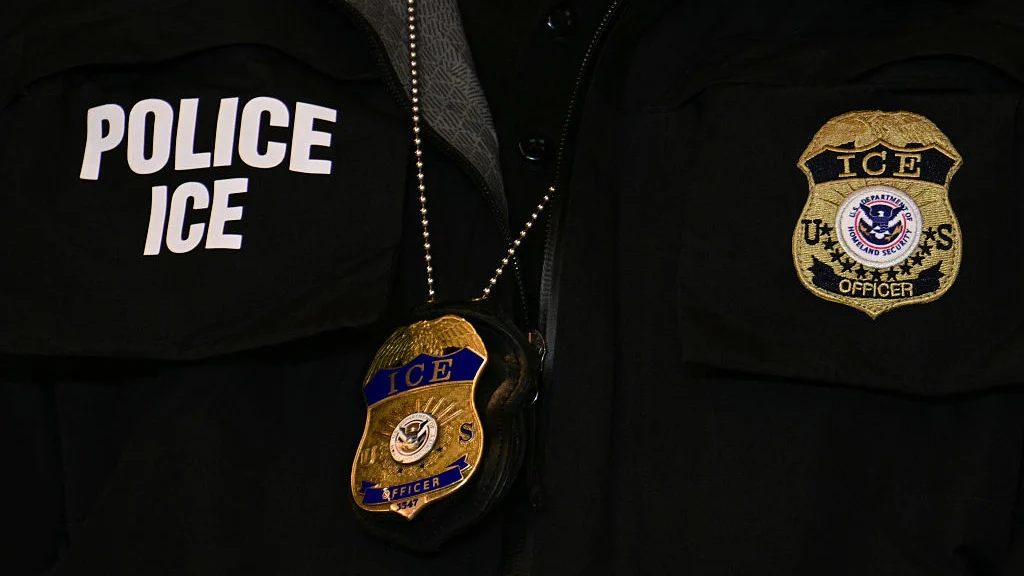
The case centers on the “ICE Sightings – Chicagoland” Facebook group and the “Eyes Up” iOS app, both of which allowed users to share public information and videos about ICE operations in the Chicago area.
What the Lawsuit Alleged
The Foundation for Individual Rights and Expression (FIRE) sued on behalf of the creators, arguing that high-level Trump administration officials — including then-Attorney General Pam Bondi and Homeland Security Secretary Kristi Noem — used “thinly veiled threats” to coerce Facebook and Apple into removing the content.
Key timeline:
- January 2025: Kassandra Rosado creates the “ICE Sightings – Chicagoland” Facebook group.
- August 2025: The Kreisau Group launches the “Eyes Up” iOS app.
- October 2025: Influencer Laura Loomer publicly tags Bondi and Noem about the group.
- October 14, 2025: Bondi tweets that Facebook removed the group “following outreach from the Justice Department,” warning that the agency would continue engaging tech companies to eliminate platforms that could “incite imminent violence against federal law enforcement.”
- Noem posts a similar message.
- Shortly after, Facebook shuts down the group and Apple removes “Eyes Up” along with similar apps (ICEBlock and Red Dot).
The judge noted that prior to October 14, the Facebook group had thousands of posts and tens of thousands of comments, with Facebook moderators removing only five that allegedly violated guidelines. Apple had reviewed and approved “Eyes Up” despite knowing its purpose.
The Judge’s Ruling
Judge Alonso determined that the statements from Bondi and Noem went beyond simple requests and constituted coercion:
“Although these statements may not be direct threats to prosecute Facebook and Apple, they are intimations of a threat. And thinly veiled threats such as these constitute sufficient evidence on which Plaintiffs are likely to succeed on their claim.”
The ruling emphasizes that government officials cannot pressure private companies to censor speech they dislike, even if that speech is critical of law enforcement. The preliminary injunction prevents the administration from continuing such practices while the case proceeds.
FIRE celebrated the decision, stating it “bodes well for the future of our legal fight to ensure that the First Amendment protects the right to discuss, record, and criticize what law enforcement does in public.”
The Irony of the Case
The case carries notable irony. During the Biden administration, Trump and many Republicans heavily criticized the White House for allegedly pressuring social media platforms to moderate COVID-related content they viewed as misinformation. That debate reached the Supreme Court, which ultimately sided with the Biden administration, finding that officials had not crossed into unconstitutional coercion.
Now, with roles reversed, a federal judge has found that Trump administration officials likely did engage in coercive behavior regarding content critical of ICE.
Broader Implications for Free Speech and Tech Regulation
This ruling touches on one of the most contentious issues in modern First Amendment law: the line between government persuasion and unconstitutional coercion of private platforms.
Key legal principles at play:
- The government cannot use threats (even implied) to force private companies to suppress protected speech.
- Platforms have their own First Amendment rights to decide what content they host.
- Public criticism of law enforcement activity is core protected speech.
The decision could influence how future administrations interact with tech companies on content moderation issues, from immigration enforcement to election integrity to public health.
What Happens Next
The preliminary injunction is just the first step. The case will continue through discovery and potentially trial. However, the strong language in Judge Alonso’s opinion suggests the plaintiffs have a solid foundation for their claims.
For now, the ruling protects the ability of citizens to create tools and communities that monitor and discuss government actions in public spaces — a fundamental aspect of democratic accountability.
Final Thoughts
This case highlights the tension between national security concerns and First Amendment protections in the digital age. While governments have legitimate interests in preventing violence and protecting law enforcement, they cannot achieve those goals by pressuring private companies to silence criticism or public information sharing.
The ruling serves as an important reminder that the First Amendment protects not only popular speech but also speech that challenges authority — including monitoring of immigration enforcement activities.
As technology continues to evolve and governments increasingly engage with private platforms, clear boundaries around coercion versus cooperation will remain critical to preserving free expression online.
What do you think about this ruling? Does it strike the right balance between security and free speech, or does it go too far in one direction? Share your thoughts in the comments.
FAQ (Frequently Asked Questions)
1. What was the main issue in this case?
The case focused on whether government officials improperly pressured tech companies to remove content related to ICE tracking, violating free speech rights.
2. Who made the ruling?
The decision was issued by Jorge L. Alonso, a U.S. District Judge in Illinois.
3. Which platforms were involved?
The case involved Facebook and Apple, which removed the group and app after government pressure.
4. What content was removed?
The “ICE Sightings – Chicagoland” Facebook group and the “Eyes Up” iOS app, both used to track ICE activity.
5. What did the judge decide?
The judge ruled that the government likely violated the First Amendment by using coercive pressure, and issued a preliminary injunction to stop such actions.
6. What is a preliminary injunction?
It’s a temporary court order that prevents certain actions while a case is still being decided.
7. Why is this ruling important?
It reinforces that the government cannot pressure private companies to censor lawful speech.
8. What role did Foundation for Individual Rights and Expression play?
FIRE filed the lawsuit on behalf of the affected creators.
9. Does this mean the case is over?
No. The case will continue, but the ruling suggests the plaintiffs have a strong argument.
10. What are the broader implications?
The case could shape how governments interact with tech companies on content moderation in the future.
Leave a Reply