
The Ultimate Guide to Feline Care: Training, Health Diagnostics, Senior Cognitive Health, and Advanced Treats Nutrition
2 months ago

Living with a cat is a continuous journey of discovery, joy, and occasional bewilderment. One moment your feline companion is purring contentedly on your lap; the next, they are executing high-speed, structural laps around your living room at three o’clock in the morning. For many cat owners, interpreting these fluid behavioral shifts can feel like trying to translate an ancient, silent language.
When you compound these daily behavioral mysteries with long-term care decisions—such as supporting a senior cat experiencing memory loss, deciphering an advanced veterinary diagnosis like a tissue biopsy, or navigating the dense nutritional landscape of commercial cat treats—the scope of responsible pet parenthood becomes massive.
This masterguide is engineered to pull back the curtain on the mechanics of feline behavior, health, and psychological conditioning. Written with an authentic, human-centric approach, this guide serves as a comprehensive reference manual for every cat parent who refuses to rely on myths, shortcuts, or outdated advice.
Navigating Major Feline Health Diagnostics — What Is a Biopsy and When Does Your Cat Need It?
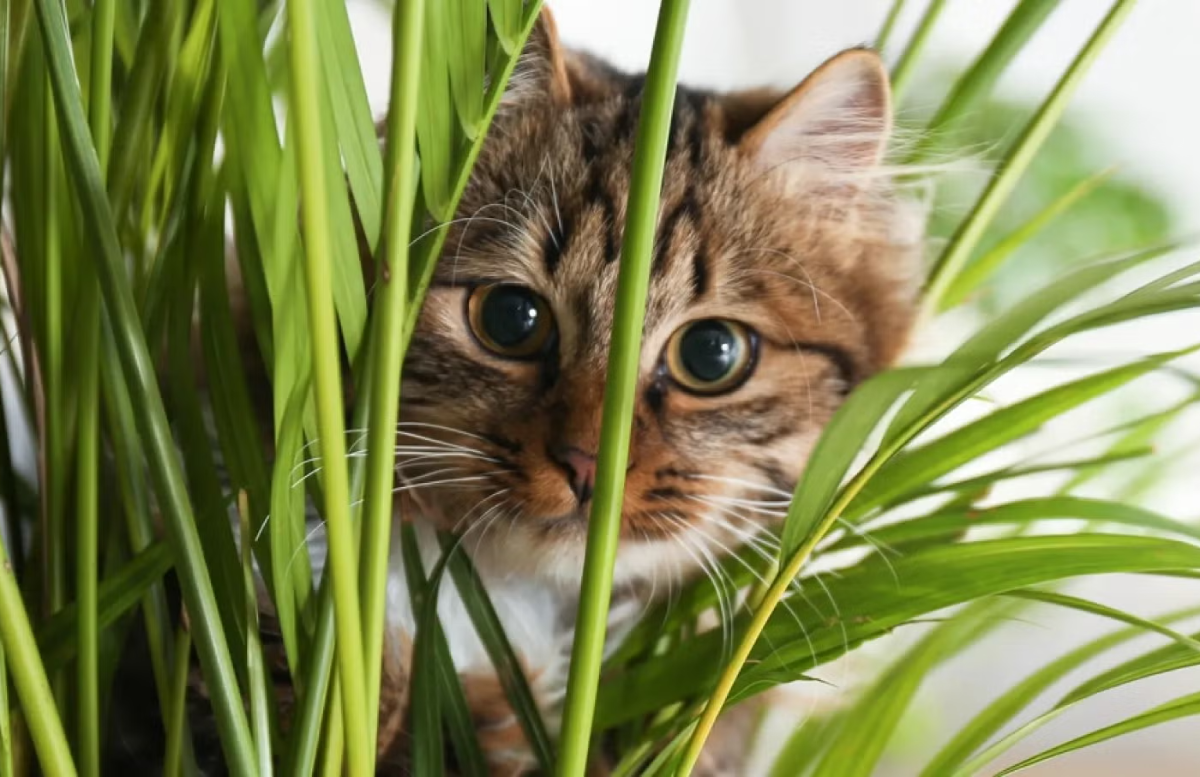
Hearing your veterinarian state that your cat requires a surgical biopsy is an emotionally heavy moment. It is entirely natural for your protective instincts to spark anxiety, sending your mind into spirals regarding cancer diagnoses, painful surgeries, or complex recoveries. However, understanding a biopsy as a target-oriented diagnostic asset changes your perspective. It transitions the procedure from a source of fear into a definitive clinical roadmap that eliminates medical guesswork and outlines an exact path to healing.
Demystifying the Biopsy: Cells vs. Structural Architecture
To understand the clinical value of a biopsy, we must look at how veterinary medical specialists diagnose diseases at the microscopic level. In the broadest terms, a biopsy is the collection of a tissue or cellular sample from a living patient to evaluate it for pathological changes.
When a cat develops a mysterious dermal lump, a chronic non-healing wound, or an enlarged internal organ visible on an X-ray, external examinations cannot reveal the source. Pathologists must evaluate the underlying cellular blueprints. Depending on how a sample is harvested, veterinary pathology branches into two distinct operational methodologies: Cytology and Histopathology.
                  THE MICROSCOPIC DIAGNOSTIC SPLIT

  [ Cytology ]       ──► Examines loose, isolated cells (Fried egg view)

  [ Histopathology ] ──► Examines intact structural tissue (Three-dimensional blueprint)
1. Cytology: The Two-Dimensional Cellular Snapshot
When a veterinarian inserts a fine-gauge needle into an external mass, applies suction via a syringe, and expresses the collected material onto a flat glass slide, the procedure is termed a Fine Needle Aspirate (FNA). The subsequent laboratory analysis of these unlinked, free-floating cells is called cytology.
Pathologists describe the perspective provided by cytology as a "fried egg view." You can see the isolated cell walls, the internal cytoplasm (the egg white), and the central nucleus (the egg yolk).
The Clinical Advantages: Cytology is minimally invasive, highly cost-effective, rapidly processed, and almost always performed during a standard consultation without requiring sedation.
The Diagnostic Limitations: Because the cells are detached from one another, cytology strips away the structural context. The pathologist cannot see how the cells intersect, how they integrate with nearby blood vessels, or how deeply they penetrate tissue layers. Consequently, cytology frequently yields inconclusive results when facing complex inflammatory processes or aggressive sarcomas.
2. Histopathology: The Gold Standard Tissue Architecture
True tissue histopathology is the operational engine of a formal biopsy. Instead of harvesting loose cells, the veterinarian surgically extracts an intact, solid piece of tissue or removes an entire mass.
This tissue sample is placed into a chemical stabilizing solution called formalin to arrest cellular decay (a process called fixation). At the reference laboratory, the tissue is dehydrated, embedded into solid blocks of paraffin wax, sliced into microscopic sections using a precision microtome, and treated with specialized diagnostic dyes.
Pathologists view this as an evaluation of a "hard-boiled egg." Rather than viewing flattened, isolated elements, the pathologist examines an intact, three-dimensional biological architectural layout.
The Clinical Advantages: Histopathology preserves the spatial organization of the tissue. It allows the pathologist to evaluate the cell-to-cell junctions, map out the surrounding tissue defense reactions, and track the exact growth habits of abnormal tissue formations. This structural integrity makes histopathology the global gold standard for definitive medical diagnosis.
The Core Types of Feline Tissue Biopsies
The selection of a specific biopsy methodology is dictated by the anatomical location of the abnormality, the overall health of the cat, and the size of the target tissue area.
                     FELINE TISSUE BIOPSY TAXONOMY

  [ Punch Biopsy ]     ──► Circular blade ──► Best for skin and surface lesions.
  [ Incisional ]       ──► Partial wedge  ──► Best for large masses or internal organs.
  [ Excisional ]       ──► Total removal  ──► Best for treating while diagnosing.
  [ Needle/Tru-Cut ]   ──► Narrow core    ──► Best for internal ultrasound-guided targets.
1. Punch Biopsy
A punch biopsy utilizes a specialized medical instrument featuring a sharp, circular, pen-like blade. The veterinarian presses the tool downward into an external lesion and rotates it slightly to core out a clean, cylindrical plug of skin layers.
Primary Indications: Chronic ulcerative dermatitis, suspicious crusting surface lesions, auto-immune skin diseases (like pemphigus foliaceus), or tiny surface nodules.
Dimensional Scope: These samples are small—typically 4 to 8 millimeters in diameter—and generally require only one or two temporary sutures to close.
2. Incisional (Wedge) Biopsy
An incisional biopsy involves surgically removing a small, wedge-shaped segment from a larger abnormal mass or internal organ using a standard scalpel.
Primary Indications: Massively scaled tumors where a full removal is unsafe without knowing the tumor type, or when evaluating accessible internal structural systems such as a distinct lobe of the liver.
Strategic Purpose: The goal is to safely extract a representative sample to discover the exact identity of a disease process before committing the feline patient to a highly invasive, multi-hour surgical resection.
3. Excisional Biopsy
An excisional biopsy combines diagnostic assessment with active medical treatment. During this open surgical procedure, the veterinarian removes the entire abnormal mass along with a wide margin of surrounding healthy tissue.
Primary Indications: Isolated subcutaneous lumps, localized skin tumors, or heavily compromised single lymph nodes.
Strategic Purpose: The goal is to completely cure the local condition by extracting the problem area entirely, while simultaneously using the lab to confirm what it was and verify that no abnormal cells remain behind.
4. Needle Core Biopsies (Tru-Cut)
A needle core biopsy utilizes a spring-loaded, specialized instrument (such as a Tru-Cut needle) to capture an intact, structural cylinder of internal tissue without making a wide surgical incision.
Primary Indications: Deep internal organ evaluation, such as localized kidney lesions or hepatic parenchymal disease.
Strategic Purpose: This technique is performed under the guidance of high-resolution ultrasound. This allows the veterinarian to advance the needle directly into an internal organ target safely, bypassing the need for exploratory open surgery.
Because a biopsy requires cutting into tissue structures, managing pain and emotional stress is a primary medical necessity. Depending on the biopsy location and the cat's temperament, veterinarians utilize three separate chemical management methodologies.
1. Local Anesthetic (Surface Block)
An injectable numbing medication (such as lidocaine or bupivacaine) is carefully infiltrated into the skin tissues immediately surrounding the biopsy target, completely shutting down local nerve signaling.
Clinical Scenarios: Very small, superficial skin punch biopsies or removals of tiny, non-vascular surface skin tags.
Prerequisites: The feline patient must be exceptionally calm, stable, and cooperative. If a cat exhibits high anxiety or struggles against gentle restraint, this method becomes unsafe.
2. Sedation (The Relaxed Twilight State)
Sedation involves administering a combination of fast-acting systemic medications that make the cat deeply drowsy, relaxed, and less reactive to their surroundings, though they are not fully asleep. This is almost always paired with a local anesthetic block at the biopsy site.
Clinical Scenarios: Moderately invasive skin punches, ultrasound-guided needle core biopsies of internal organs, or when managing an anxious cat who would become overly stressed by simple physical restraint.
Prerequisites: While safer and less intensive than full general anesthesia, sedation still requires careful monitoring of heart rate and respiration. It is generally restricted to surface procedures.
3. General Anesthesia (Complete Controlled Sleep)
General anesthesia places your cat into a deep, completely unconscious state where they feel zero pain and have no awareness of the procedure. It requires placing an endotracheal breathing tube and utilizing advanced electronic systems to continuously monitor vital signs.
Clinical Scenarios: Deep abdominal or chest exploratory surgeries, large excisional mass removals, oral biopsies inside the mouth, and specialized internal diagnostic procedures like an endoscopy.
Prerequisites: This carries the highest level of procedural complexity, requires comprehensive pre-anesthetic blood testing to ensure safety, and represents a higher financial investment.
Clinical Preparation: Setting Up for Procedural Safety
Proper preparation before a biopsy is critical to minimize risks and ensure an accurate, safe procedure for your cat.
                  PRE-BIOPSY CLINICAL CHECKS

  [ Complete Blood Count ] ──► Verifies stable red/white blood cells & platelets.
  [ Chemistry Panel ]      ──► Assesses metabolic liver and kidney function.
  [ Coagulation Profile ]  ──► Mandatory safety check before internal organ sampling.
The Fasting Directives
If your cat is scheduled to undergo sedation or general anesthesia, you will receive strict instructions to withhold all food for 12 to 24 hours prior to the procedure. Fasting prevents your cat from accidentally vomiting while under the influence of anesthetic medications, removing the dangerous risk of aspiration pneumonia. Clean, fresh water is usually permitted until the morning of check-in.
Pre-Anesthetic Screening Protocols
Before administering any sedative or anesthetic agent, your vet will require a comprehensive diagnostic workup to confirm your cat's organs can safely process the medications:
Complete Blood Count (CBC) & Chemistry Panel: Evaluates white blood cell counts for hidden infections, ensures red blood cell levels are stable, and checks that liver and kidney functions are strong enough to metabolize and clear the anesthetic drugs.
Coagulation (Clotting) Profiles: This step is absolutely mandatory if your vet is performing an internal organ biopsy (such as a liver or spleen sample). Because the liver synthesizes the proteins responsible for blood clotting, an underlying liver condition can compromise your cat's ability to stop internal bleeding. A pre-biopsy clotting test ensures it is safe to proceed.
Post-Biopsy Home Care and Recovery
Once the biopsy is complete and your cat is discharged, their recovery depends heavily on your care and management at home.
The Immediate 24-Hour Transition
When you first bring your cat home after a sedated or anesthetic procedure, they may appear disoriented, unsteady on their feet, or unusually clingy. Alternatively, some cats may choose to isolate themselves in a dark closet or under a bed.
Keep them confined to a small, warm, quiet room (like a bathroom or spare bedroom) away from other household pets and children. Provide a low-sided litter box that doesn't require jumping, and offer a small meal—roughly half their normal portion—as anesthesia can cause mild nausea.
Protecting the Incision Site
If your cat has surgical sutures or staples, you must prevent them from licking, scratching, or biting at the healing skin. A cat's tongue is covered in backward-facing, sand-paper-like barbs that can easily rip out fresh surgical stitches or introduce bacteria from their saliva, causing a severe localized infection.
                     PROTECTIVE ARCHITECTURE EXAMPLES

  [ Elizabethan Collar ]  ──► Classic plastic cone ──► Complete physical barrier.
  [ Medical Recovery Onesie ] ──► Soft fabric suit ──► Best for abdominal incisions.
Keep your cat's protective gear on continuously for the full 10 to 14 days of healing, or until your veterinarian clears them during their follow-up appointment.
Translating the Pathologist’s Report
Waiting for your cat's biopsy results can be a stressful experience. While a simple fine needle aspirate cytology report might return in a few days, a formal tissue histopathology report typically takes 7 to 10 business days to process.
This delay occurs because the tissue sample must go through specialized chemical processing, wax embedding, precision slicing, and custom staining before a board-certified pathologist can evaluate it under a microscope. Bone biopsies can take even longer—often two to three weeks—because the mineralized calcium must be completely dissolved before the sample can be sliced.
When the report arrives, it is written in highly complex medical terminology. Your veterinarian will act as your translator, focusing on three critical pieces of information:
                  THE BIG THREE PATHOLOGY ANSWERS

  [ The Pathology Identity ] ──► Is it inflammatory, infectious, or neoplastic (cancer)?

  [ The Malignancy Status ]  ──► Is the tumor benign (non-spreading) or malignant (aggressive)?

  [ The Surgical Margins ]   ──► Clean Margins (Fully removed) vs. Dirty Margins (Cells remain)
Understanding Surgical Margins
If your cat underwent an excisional biopsy to remove a mass, the pathologist's assessment of the surgical margins is incredibly important:
Clean (Negative) Margins: This means the pathologist found a continuous outer border of completely normal, healthy tissue surrounding the removed mass. This indicates the tumor was entirely excised, significantly reducing the chances of it growing back in that location.
Dirty (Positive) Margins: This means abnormal or cancerous cells were found right up to the very edge of the cut tissue. This indicates that some diseased cells likely remain inside your cat's body, meaning further treatment—such as a second revision surgery or follow-up oncology care—may be necessary.
Financial Realities: Mapping the Cost of a Feline Biopsy
The financial investment required for a feline biopsy varies widely based on the complexity of the procedure and the level of anesthesia required. Understanding these costs beforehand can help you plan and prepare.
| Biopsy Procedure Type | Anesthesia Requirements | Estimated Total Cost Range (USD) |
| Superficial Skin Punch | Local Anesthetic or Mild Sedation | $250 – $500 |
| Ultrasound-Guided Needle Core | Heavy Sedation or Short General Anesthesia | $600 – $1,200 |
| Surgical Excisional Mass Removal | Full General Anesthesia + Surgical Suite | $1,000 – $2,500+ |
| Specialized Endoscopic Biopsy | Full General Anesthesia + Internal Medicine Specialist | $2,000 – $4,500+ |
Financial Note: These estimated cost ranges are comprehensive. They include the initial veterinary examination fee, pre-anesthetic blood testing, the surgical collection procedure, post-operative pain medications, and the laboratory fees charged by the veterinary pathologist to evaluate the tissue.
- Demystifying the Biopsy: Cells vs. Structural Architecture
- The Core Types of Feline Tissue Biopsies
- Navigating the Three Levels of Procedural Anesthesia
- Clinical Preparation: Setting Up for Procedural Safety
- Post-Biopsy Home Care and Recovery
- Translating the Pathologist’s Report
- Financial Realities: Mapping the Cost of a Feline Biopsy
- 1. What is a biopsy in cats?
- 2. Is a biopsy painful for cats?
- 3. How long does it take to get cat biopsy results?
- 4. Do cats naturally shed their whiskers?
- 5. Why does my cat run around the house at night?
- 6. How can I stop my cat from waking me up at night?
- 7. What is Feline Cognitive Dysfunction?
- 8. What are common signs of cognitive decline in senior cats?
- 9. Can cats be trained effectively?
- 10. How many treats should a cat receive daily?
- 11. Why should cat whiskers never be trimmed?
- 12. What are the healthiest treats for cats?
Unveiling the Mystery of Feline Whiskers — Do Cats Shed Them?
Finding a stray cat hair on your clothing or furniture is a daily reality for feline parents. However, stumbling upon a thick, stiff, sharply pointed cat whisker on the carpet can trigger immediate alarm. Because we are taught that whiskers are critical sensory instruments, discovering one detached from your cat can feel like finding a vital piece of electronic equipment broken off a machine.
The short answer is yes—cats absolutely shed their whiskers. Just like standard coat fur, whiskers are biological structures that undergo a continuous lifecycle of growth, rest, and shedding.
The Anatomy of a Whisker (Vibrissae)
To understand why shedding happens, we must first look at what makes a whisker distinct from regular fur. Scientifically named vibrissae, whiskers are highly specialized, deeply rooted tactile hairs located symmetrically across a cat's muzzle, above their eyes, along their jawline, and even on the backs of their front legs (carpal whiskers).
                     ANATOMY OF A FELINE WHISKER

   [ Surface Hair ]  ──► Thicker, stiffer, and wider than regular fur.
  ───────────────────────────────────────────────────────────────── (Skin Line)
                     ──► Extends three times deeper into tissue.
   [ Deep Root ]     ──► Encased in a blood-filled sinus pouch.
                     ──► Surrounded by a dense network of nerve endings.
Whiskers act as microscopic radar dishes. When a whisker brushes against an object or detects a subtle shift in air currents, it moves the root within its blood-filled capsule. This movement triggers nerve endings that send instantaneous, high-speed spatial data directly to the cat’s brain. This biological radar system allows cats to navigate in total darkness, calculate precise jumping distances, and judge exactly whether their bodies can squeeze through narrow openings.
The Normal Whisker Lifecycle
Because whiskers perform such heavy, constant mechanical work, they suffer structural wear and tear. To keep this radar system sharp, a cat's body rotates old whiskers out to make room for pristine, rigid replacements.
This process occurs via a predictable three-phase hair cycle:
                       THE WHISKER LIFECYCLE

  [ 1. Anagen Phase ]   ──► Active growth period where new protein forms.
  [ 2. Catagen Phase ]  ──► Regression phase; the root cuts off from blood supply.
  [ 3. Telogen Phase ]  ──► Resting phase; the old whisker falls out as a new one emerges.
The Rules of Normal Shedding
The Cadence: A healthy cat sheds their whiskers very slowly and incrementally—typically losing only one or two whiskers at a time every few months.
Visual Symmetry: If you look at your cat’s face, you should never notice a blank gap or asymmetry. A new whisker is almost always growing in right behind the one that dropped out.
Behavioral Baseline: Your cat should remain completely happy, active, eating normally, and showing no signs of facial irritation or discomfort.
Red Flags: When Whisker Loss Signals Medical Distress
While finding an occasional whisker on the rug is no cause for concern, losing multiple whiskers simultaneously or showing patchy, bare spots on the face points to an underlying health issue.
                    PATHOLOGICAL WHISKER DROPOUT

  [ Physical Trauma ]    ──► Cat fights, scratching, or rubbing against surfaces.
  [ Feline Acne ]        ──► Blocked hair follicles on the chin and lips.
  [ Infectious Agents ]  ──► Ringworm (fungal) or deep bacterial pyoderma.
  [ Immune/Allergies ]   ──► Intense itchiness leading to facial self-trauma.
If your cat is dropping whiskers rapidly, it is typically driven by one of four medical conditions:
1. Whisker Injury and Physical Trauma
Because whiskers project outward from the face, they are vulnerable to direct physical damage. Bites or scratches sustained during outdoor territorial fights, accidents, or getting caught in household items can fracture or forcibly pull whiskers from their deep roots.
2. Feline Acne
Feline acne develops when a protein called keratin plugs the hair follicles along the chin and lips, creating blackheads and inflamed, crusty pustules. When these localized infections flare up around the muzzle, they damage neighboring whisker roots, causing them to fall out prematurely.
3. Feline Dermatophytosis (Ringworm) & Fungal Infections
Ringworm is a highly contagious fungal infection that feeds on the dead keratin found in hair and claws. It frequently targets the face and ears, weakening the hair shafts until they snap off at the skin line. This creates circular, scaly patches of baldness and disrupts the normal whisker cycle.
4. Environmental and Food Allergies
Cats suffering from food or environmental allergies often experience intense localized itching concentrated around their eyes, ears, and muzzle. To find relief, cats will repeatedly rub their faces against rough surfaces or use their sharp claws to scratch their cheeks. This continuous friction mechanically breaks or pulls out healthy whiskers.
Preventing "Whisker Fatigue" in the Home
Even if your cat's whiskers are shedding normally, they can experience a hidden condition known as whisker fatigue. This occurs when a cat's highly sensitive facial whiskers are forced to constantly brush against the high sides of narrow food or water bowls, overloading their nervous system with repetitive sensory data.
                    PREVENTING WHISKER FATIGUE

  [ INCORRECT DESIGN ]   ──► Narrow, deep bowl forces whiskers to bend backward.

  [ CORRECT DESIGN ]     ──► Wide, shallow, or flat plate keeps whiskers completely free.
To prevent sensory overload and protect your cat's facial structures:
Switch to Wide, Shallow Dishes: Replace deep bowls with wide, flat ceramic or stainless steel plates so your cat can eat and drink without their whiskers touching the edges.
Never Trim Your Cat's Whiskers: Groomers or owners should never clip, trim, or style a cat's whiskers. Cutting them deprives your cat of their spatial awareness, causing disorientation, dizziness, and intense psychological distress.
Decoding the Midnight Madness — Why Your Cat Runs Around at Night
Every cat owner knows the scenario: it’s 3:00 AM, the house is pitch black, and suddenly your cat transforms into a high-speed furry tornado. They are scaling the curtains, launching off your headboard, and sprinting down the hallway as if chasing an invisible track star.
In the veterinary and behavioral world, these sudden bursts of late-night energy are known as Zoomies, or scientifically as Frenetic Random Activity Periods (FRAPs).
While it might feel like your cat is intentionally trying to sabotage your sleep, this behavior is deeply rooted in feline biology and daily routine. Let's break down the science behind the "midnight crazies" and how you can restore peace to your household.
The Core Triggers of Nighttime Zoomies
Cats don't run at night out of spite; their bodies and minds are responding to a mix of evolutionary programming, modern scheduling, and physical needs.
                  THE MIDNIGHT TORNADO MATRIX

  [ Crepuscular Clock ] ──► Natural biological peak at dawn and dusk.
  [ Pent-Up Energy ]    ──► Daytime boredom explodes into nighttime sprints (FRAPs).
  [ Hidden Hunger ]     ──► Empty stomach triggers predatory roaming instincts.
  [ Medical Shifts ]    ──► Disorientation or pain causing late-night restlessness.
1. The Crepuscular Internal Clock
Many people believe cats are strictly nocturnal, but they are actually crepuscular. This means their natural hunting instincts and energy levels peak during the low-light hours of dawn and dusk, which perfectly aligns with when their natural prey (like rodents and birds) is most active. When you are winding down to sleep, your cat’s evolutionary alarm clock is just ringing.
2. The Daytime "Energy Bank"
If you work a typical job, your cat likely spends the majority of the day sleeping, stretching, and waiting for you to come home. Because they are conserving energy all day in a relatively quiet indoor environment, they accumulate a massive surplus of physical and mental energy. Without a proper daytime outlet, that pent-up energy explodes at night in the form of a FRAP.
3. Empty Stomach / Hunting Instincts
If you feed your cat their dinner early in the evening (say, 5:00 PM), their stomach is completely empty by the middle of the night. In the wild, an empty stomach signals that it is time to hunt. Your cat isn't just running around; they are actively patrolling their "territory" (your house) looking for a midnight snack.
4. Age and Health Elements
Life Stage: Kittens and teenage cats have incredibly high baselines of energy. They use play to learn how to navigate the world, meaning their nighttime antics will naturally be much more intense than an older cat's.
Medical Issues: If an older cat suddenly starts pacing, running, or crying out at night, it could point to a medical issue. Conditions like hyperthyroidism (which floods the body with excess thyroid hormone and energy), arthritis pain, or Feline Cognitive Dysfunction (dementia in senior cats) can cause severe nighttime disorientation and restlessness.
Re-Training the Feline Sleep-Wake Cycle
You cannot change your cat's wild heritage, but you can successfully shift their energy peaks so they match your household's sleeping schedule.
                  THE HUNT-EAT-GROOM-SLEEP CYCLE

  [ 1. HUNT ]  ──► 20-30 minutes of intense, interactive wand play before bed.
  [ 2. EAT ]   ──► Provide a hearty, protein-rich meal right after play.
  [ 3. GROOM ] ──► The cat naturally cleans themselves, winding down their nervous system.
  [ 4. SLEEP ] ──► Deep, satisfied rest that mimics post-predatory behavior.
1. Implement the "Hunt-Eat-Groom-Sleep" Method
To mimic a wild cat's natural behavioral loop, stage a structured routine right before you go to bed:
The Hunt: Spend 20 to 30 minutes engaging your cat with an interactive toy (like a feather wand or laser pointer). Make them run, jump, and physically tire themselves out.
The Eat: Immediately follow the play session with a satisfying meal or a food puzzle.
The Result: Biologically, consuming a meal after a "hunt" triggers a heavy wave of relaxation. Your cat will naturally sit down to groom themselves and then fall into a deep, content sleep right as you close your eyes.
2. Hack Their Feeding Schedule
If your cat wakes you up at 4:00 AM out of pure hunger, do not get out of bed to feed them—doing so rewards and reinforces the behavior. Instead, utilize an automatic pet feeder set to dispense a small portion of dry kibble in the dead of night or early morning. This detaches you from the food source, allowing you to sleep while the machine satisfies their cravings.
3. Introduce Sunset-Only Enrichment
Keep your cat mentally stimulated while you sleep by setting out "night-owl toys" right before bed. Cardboard boxes, crinkle tunnels, and automated rolling balls that only appear at night can keep them quietly occupied in the living room while you sleep peacefully in the bedroom.
Feline Cognitive Dysfunction (FCD) — Understanding the Senior Cat’s Mind
As our cats live longer lives thanks to advancements in veterinary medicine, we are seeing a significant rise in age-related conditions. One of the most challenging conditions for pet owners to witness is Feline Cognitive Dysfunction (FCD), which is closely related to Alzheimer's disease and dementia in humans.
Understanding how FCD alters a senior cat’s mind can help you provide a supportive, stress-free environment during their golden years.
The Prevalence of Cognitive Decline
Cognitive decline is a progressive neurodegenerative disorder that alters a cat’s memory, learning, awareness, and perception. Studies indicate that approximately 28% of cats aged 11 to 14 years exhibit signs of cognitive dysfunction, and that number surges to over 50% in cats aged 15 years or older.
                     FCD RISK PROFILE BY AGE

  [ Age 11 - 14 ]  ──► 28% of feline population show cognitive decline.
  [ Age 15+ ]      ──► 50%+ of feline population show cognitive decline.
Many owners dismiss the early symptoms of FCD as simple "old age," but recognizing these signs as a specific medical condition allows for targeted environmental and dietary support.
Spotting the DISHA Signs of FCD
Veterinary behaviorists use the acronym DISHA to categorize the clinical signs of cognitive dysfunction in senior cats:
                           THE DISHA FRAMEWORK

  [ D ] ──► Disorientation      (Getting trapped behind doors, staring at walls).
  [ I ] ──► Interactions       (Uncharacteristic clinginess or sudden withdrawal).
  [ S ] ──► Sleep-Wake Cycles  (Loud vocalizing and pacing throughout the night).
  [ H ] ──► House Soiling      (Forgetting litter box locations or purpose).
  [ A ] ──► Activity Changes   (Purposeless wandering or total apathy).
Disorientation: Your cat may get lost in familiar rooms, wander into corners and appear "trapped," or stare blankly at walls or empty spaces.
Interactions: Their social behavior changes drastically. A naturally independent cat may become intensely clingy and anxious, while a cuddly cat may suddenly isolate themselves.
Sleep-Wake Cycles: This is one of the most disruptive symptoms for owners. The cat's sleep patterns reverse. They sleep heavily all day and spend the night pacing, restless, and letting out loud, mournful vocalizations (yowling).
House Soiling: A cat that has been perfectly litter-box trained for a decade may suddenly begin urinating or defecating on carpets, bedding, or furniture. This is often because they literally forget where the box is located or fail to recognize its purpose.
Activity Changes: You may see a complete loss of interest in exploration, grooming, or food, alternating with periods of aimless, repetitive wandering.
Environmental Engineering for Senior Cats
While there is no cure for Feline Cognitive Dysfunction, you can modify your home environment to decrease your senior cat's confusion, anxiety, and distress.
1. Keep the Household Layout Stable
Avoid moving furniture, changing the location of food and water bowls, or moving the litter box. A senior cat with cognitive decline relies heavily on structural memory to navigate. Rearranging their environment can trigger severe panic attacks and disorientation.
2. Introduce Pathfinding Night Lights
Because failing eyesight often compounds cognitive decline, senior cats can become deeply frightened in pitch-black rooms, leading to midnight yowling. Place low-intensity LED night lights along the major hallways, near their food station, and right next to their litter boxes to help them find their way safely at night.
                  SENIOR PATHFINDING ARCHITECTURE

  [ Bedroom ] ──► (Night Light) ──► [ Hallway ] ──► (Night Light) ──► [ Litter Box ]
3. Optimize Resource Accessibility
Arthritis frequently accompanies old age, making it painful for a cat to climb stairs or jump into a high-walled litter box.
Litter Box Modifications: Swap standard boxes for ultra-low-entry boxes (or use plastic storage containers with a doorway cut out of the side) so they can walk in without lifting their legs high.
Step Ramps: Place pet stairs or foam ramps next to your bed or their favorite windowsills so they can access their resting spots safely without jumping.
The Science of Positive Reinforcement — How to Train Your Cat to Listen
Melting away the ancient myth that cats are untrainable is one of the most rewarding steps in cat ownership. Cats do not respond to dominant leadership, physical punishment, or structural force. Instead, cats are highly intelligent, opportunistic creatures that respond directly to predictable routines, immediate comfort, and personal benefit.
By understanding the mechanics of how cats process learning, you can train them to follow household boundaries, recall instantly when their name is called, and cooperate during stressful husbandry tasks like nail trims.
The Foundation of Learning: Positive Reinforcement vs. Punishment
Every animal learns via the immediate consequences of their actions. If an operating behavior results in a high-value food reward or an engaging play sequence, the underlying neural pathway is strengthened, and the cat will repeat that behavior. If an action results in zero change or no personal benefit, the behavior undergoes biological extinction.
                  THE INEFFECTIVENESS OF PUNISHMENT

  [ Cat scratches sofa ] ──► [ Owner yells / squirts water ] ──► [ Cat fears owner ]
                                                                       │
                                                                       ▼
                                                    [ Anxiety & Aggression increases ]
Why Punishment Fails Spectacularly
Using physical force, shouting, or spraying your cat with a water bottle does not teach them what alternative behavior you want them to execute. Instead, it teaches them that you are an unpredictable, unsafe predator.
Because a cat's brain cannot link a historical misbehavior with a present punishment, spraying them simply shatters their sense of environmental security. This triggers severe chronic stress, which frequently manifests as stress-induced cystitis, hiding behavior, defensive aggression, or territorial house-soiling.
The Power of Choice and Redirection
Modern behavioral modification relies entirely on Positive Reinforcement. Instead of attempting to suppress an unwanted behavior, you identify the natural urge behind it, provide an appropriate alternative outlet, and reward the cat heavily when they choose that option.
Step-by-Step Training Mechanics
To ensure success, training sessions must be structured to match a cat's short attention span. Keep sessions limited to 3 to 5 minutes, conduct them in a completely quiet room free of household distractions, and use the exact same verbal cues every time.
                         TRAINING LOOP MECHANICS

  [ 1. Capture/Lure ] ──► Use a high-value treat to guide the cat's physical position.
  [ 2. Name the Action ]──► Say the verbal cue ("Sit") exactly as the behavior occurs.
  [ 3. Reward Instantly ]──► Deliver the treat within 1.5 seconds to cement the memory.
1. Perfecting the Recall (Name Recognition)
The Preparation: Sit on the floor close to your cat while holding a secure bag of high-value, highly aromatic treats (such as freeze-dried chicken or salmon pieces).
The Action: State your cat's name in a clear, consistent, high-pitched vocal tone. The precise microsecond your cat shifts their ears or eyes toward you, mark the behavior with an enthusiastic "Yes!" and instantly deliver a treat.
The Progression: Repeat this sequence 5 times in a row per session. Over several weeks, gradually increase your physical distance from the cat across the room, and eventually across different rooms. This conditions a reliable recall behavior where your cat eagerly seeks you out from anywhere in the home whenever they hear their name.
2. Advanced Redirection (Eliminating Furniture Scratching)
When a cat scratches the side of your luxury sofa, they are not acting out of malice. They are responding to a deep instinct to shed old outer claw sheaths, stretch their back muscles, and deposit visual and olfactory pheromone markers from the sweat glands located in their paw pads.
The Strategy: Place a heavy, non-tipping, tall sisal scratching post directly in front of the specific sofa corner they are targeting.
The Attraction: Treat the new post with premium catnip or silver vine spray. When your cat approaches the area, gently move a feather wand across the sisal fibers to entice them to engage their claws with the new texture.
The Reinforcement: The exact instant their claws grip the sisal post, deliver verbal praise and a high-value treat. By consistently rewarding this choice, the cat discovers that the sisal post brings immediate reward, while the sofa brings no value.
The Nutritional Matrix of Feline Treats — Balancing Happiness and Health
Just like humans, cats possess an innate love for snacks and treats. These small food bites provide a welcome break from their daily nutritional routine. However, treats are more than just empty calories; when chosen and administered correctly, they serve as high-utility tools for behavioral conditioning, health maintenance, and psychological enrichment.
The Biological Engine of Palatability
Cats are obligate carnivores, meaning their entire anatomy, metabolism, and digestive tract are biologically optimized to process animal proteins and fats. Unlike humans or dogs, cats do not possess taste receptors for sweetness. Instead, their dietary choices are guided by their highly acute olfactory system.
                  THE PALATABILITY PRIORITY SCALE

  [ 1. Scent Profile ] ──► Strong, aromatic meat fats (Amines) trigger immediate interest.
  [ 2. Texture Dynamics]──► Crunchy vs. Creamy inputs provide structural satisfaction.
  [ 3. Nutritional Mix]──► Protein density determines long-term dietary affinity.
Cats evaluate the usefulness and deliciousness of a food based on its aroma and scent profile, not its literal taste. The more aromatic a treat is—specifically mimicking the natural fats and amino acid breakdown patterns found in fresh meat—the higher the feeding drive it stimulates within the cat's nervous system. This explains why treats featuring rich, pungent protein bases like tuna, salmon, liver, and chicken consistently achieve the highest success rates during behavioral training sessions.
The modern commercial cat treat landscape is divided into three distinct structural formulations, each offering unique operational benefits:
1. Functional Dental Treats
These are crunchy, hard-baked biscuits designed with a specific internal cell structure.
The Mechanics: Standard dry kibble shatters instantly upon contact with a cat's tooth, offering zero cleaning benefits. In contrast, specialized dental treats (such as DENTALIFE®) feature a porous, elastic texture. When a cat bites down, the tooth sinks deeply into the biscuit without breaking it right away. This allows the kibble's fibers to scrape away soft plaque accumulation from the tooth's surface mechanically.
Nutritional Support: These formulas are frequently fortified with supplemental calcium to support jaw bone density, along with taurine—an essential amino acid that cats cannot synthesize themselves, which is critical for maintaining healthy heart muscle function and retinal health.
2. Crunchy Treats and Medleys
These are small, highly palatable kibble clusters available in a wide variety of shapes, coatings, and flavor profiles.
The Mechanics: Products like FRISKIES Party Mix Classic utilize advanced flavor-layering techniques that blend multiple animal proteins (such as tuna, chicken, and bonito) into a single crunchy mix.
Primary Application: These serve as ideal, non-messy rewards during active clicker training or redirection sessions. Their small size allows you to deliver multiple rewards sequentially without overfeeding.
3. Creamy / Pureed Liquid Treats
These are high-moisture meat purees sealed inside long, narrow plastic sleeves.
The Mechanics: These treats generally feature a very simple, meat-first ingredient list with a high water content (often exceeding 80% moisture).
Primary Application: Liquid treats are the ultimate tool for close-up bonding experiences, as the cat must slowly lick the puree directly from the sleeve held in your hand. Furthermore, their high moisture content provides excellent hydration support for cats suffering from lower urinary tract stones or kidney insufficiency, and they work perfectly for masking the taste of oral medications.
The Golden Rule of Treats: The 10% Caloric Boundary
While treats are invaluable for enrichment and training, they carry a hidden health risk: nutritional imbalance.
Commercial cat foods labeled as "Complete and Balanced" are strictly formulated to meet all of a cat's daily vitamin, mineral, amino acid, and macronutrient requirements. Treats, however, are formulated primarily for high flavor and aroma; they do not contain a balanced mix of micronutrients.
The 10% Rule: To prevent obesity and avoid dangerous nutrient deficiencies, calories derived from treats must never exceed 10% of your cat's total daily caloric intake. The remaining 90% of their daily energy must come from their primary, nutritionally complete diet.
                     DAILY CALORIC ALLOCATION

  [═══════════════════════════════════════ Balanced Diet (90%) ═══════════════════════════════════════][─ Treats (10%) ─]
If a cat is overfed treats, they may develop "finicky eater syndrome," refusing their primary diet in favor of snacks. Over time, this behavior can lead to serious health issues, such as taurine-deficiency dilated cardiomyopathy or severe lipidosis of the liver. Always consult the feeding guidelines printed on the back of treat packaging to ensure you maintain a healthy nutritional balance.
Comprehensive Operational Checklists for Pet Parents
To help you manage your cat's health, behavioral cycles, and training regimens, use these actionable checklists as a daily reference.
Biopsy and Surgical Care Checklist
[ ] Pre-Surgical Lab Confirmation: Ensure full CBC, Chemistry, and Coagulation profiles are completed before any internal tissue collection.
[ ] Anesthesia Fasting Compliance: Strictly remove all access to food 12–24 hours before the appointment time.
[ ] Sanctuary Room Isolation: Set up a warm recovery space complete with a low-walled litter box and fresh bedding before bringing your cat home.
[ ] Barrier Management: Keep the Elizabethan collar or surgical onesie on securely for 10–14 days. Do not remove it early, even if your cat looks sad.
[ ] Incision Site Inspection: Check the surgical line twice daily for redness, swelling, oozing, or missing stitches.
Nighttime Zoomies Management Checklist
[ ] Perform Pre-Bed Play Sprints: Commit to 20 minutes of continuous interactive feather or laser play right before your bedtime.
[ ] Deploy Late-Night Meals: Feed your cat their largest, protein-rich meal right after the final play session to trigger their post-hunt grooming and sleep cycle.
[ ] Program an Automatic Feeder: Set a mechanical feeder to dispense a small meal at 3:30 AM or 4:00 AM to prevent hunger-induced wake-up calls.
[ ] Set Up Independent Night Enrichment: Rotate cardboard boxes, tunnels, and treat-stuffed puzzle toys throughout the living areas at sunset.
[ ] Maintain Total Boredom: If your cat leaps on you or runs around your bedroom at night, stay completely still, close your eyes, and ignore them. Do not provide any attention.
Senior FCD Support Checklist
[ ] Install Navigational Path Lights: Place low-light LED fixtures in dark hallways and near food, water, and litter stations.
[ ] Provide Low-Profile Entry Boxes: Swap standard high-walled litter boxes for low-entry options to support arthritic joints.
[ ] Establish Structural Stability: Keep all furniture layouts, feeding hubs, and litter boxes in fixed locations. Do not rearrange the house.
[ ] Incorporate Accessibility Step Ramps: Set up pet steps or soft foam ramps next to beds, sofas, and favorite windowsills.
[ ] Schedule Senior Wellness Audits: Visit your veterinarian every 6 months to monitor cognitive health, blood thyroid levels, and arthritis pain.
Conclusion: Harmonizing Health, Behavior, and Nutrition
Living with a feline companion is a multi-layered relationship that relies heavily on clear communication, stable habits, and proper medical awareness. By breaking down behavioral puzzles like midnight zoomies into simple biological needs, we can easily change our habits to match theirs. Likewise, swapping out high sides on narrow food dishes protects their delicate whiskers, while building a steady daily schedule helps a senior cat feel safe even if their mind is changing with old age.
                  THE BALANCED FELINE CARE TRIANGLE

                     [ Medical Vigilance ]
                     (Biopsies, Lab Profiles)
                               /\
                              /  \
                             /    \
                            /______\
       [ Behavioral Training ]      [ Environmental Enrichment ]
       (Positive Reinforcement)       (Wide Bowls, Night Lights)
When you look at your cat through this combination of medical, behavioral, and nutritional lenses, you remove the guesswork from pet parenthood. Focus on positive steps instead of punishments, keep up with routine vet checks, and enjoy the wonderful journey of building an authentic, loving relationship with your healthy and happy cat.
FAQ Schema Content
1. What is a biopsy in cats?
A biopsy is a diagnostic procedure where a veterinarian collects tissue or cell samples from a cat to identify diseases, infections, inflammation, or cancer with greater accuracy.
2. Is a biopsy painful for cats?
Veterinarians use local anesthesia, sedation, or general anesthesia depending on the procedure, ensuring the cat experiences minimal discomfort during the biopsy.
3. How long does it take to get cat biopsy results?
Most histopathology biopsy results are available within 7–10 business days, while more complex samples such as bone biopsies may take several weeks.
4. Do cats naturally shed their whiskers?
Yes. Cats naturally shed whiskers as part of a normal growth cycle. Finding an occasional whisker around the home is completely normal.
5. Why does my cat run around the house at night?
Cats are naturally crepuscular, meaning they are most active during dawn and dusk. Nighttime zoomies often result from excess energy, hunting instincts, or hunger.
6. How can I stop my cat from waking me up at night?
Increase interactive play before bedtime, provide a meal after play, use puzzle toys, and consider an automatic feeder for early morning feeding.
7. What is Feline Cognitive Dysfunction?
Feline Cognitive Dysfunction (FCD) is an age-related decline in brain function similar to dementia in humans, affecting memory, awareness, and behavior.
8. What are common signs of cognitive decline in senior cats?
Common signs include disorientation, nighttime vocalization, altered social behavior, house-soiling, and changes in activity levels.
9. Can cats be trained effectively?
Yes. Cats respond very well to positive reinforcement techniques that reward desired behaviors with treats, praise, or play.
10. How many treats should a cat receive daily?
Treats should provide no more than 10% of a cat’s daily calorie intake, with the remaining 90% coming from a complete and balanced diet.
11. Why should cat whiskers never be trimmed?
Whiskers are important sensory tools that help cats navigate, judge distances, and detect environmental changes. Trimming them can cause confusion and stress.
12. What are the healthiest treats for cats?
High-protein treats made from quality animal ingredients, dental treats, and moisture-rich puree treats are generally among the healthiest options.