The Untamed Elegance of the Dragon Li: China’s Ancient and Rare Feline Breed
7 days ago
When most people think of ancient, purebred cats with deep cultural ties, breeds like the Siamese or the Egyptian Mau often come to mind. Yet, hidden within the rich tapestry of Asian feline history is a rare, striking purebred known as the Dragon Li.
Also referred to as the Li Hua, Li Hua Mao (which translates beautifully to "Fox Flower Cat"), or Chinese Li Hua, this breed carries a wild appearance that mirrors its untamed lineage. Directly descended from the Chinese Mountain Cat (Felis bieti), the Dragon Li is a living piece of history tracing back to the Xiang Dynasty.
Despite its ancient roots, standardizing and protecting the breed is a modern development. First showcased internationally in 2004, it gained official recognition from the Cat Fanciers Association (CFA) in 2010. Today, pedigreed Dragon Li cats remain exceptionally rare outside of China, drawing immense global interest from feline enthusiasts.
Breed Overview and Key Statistics
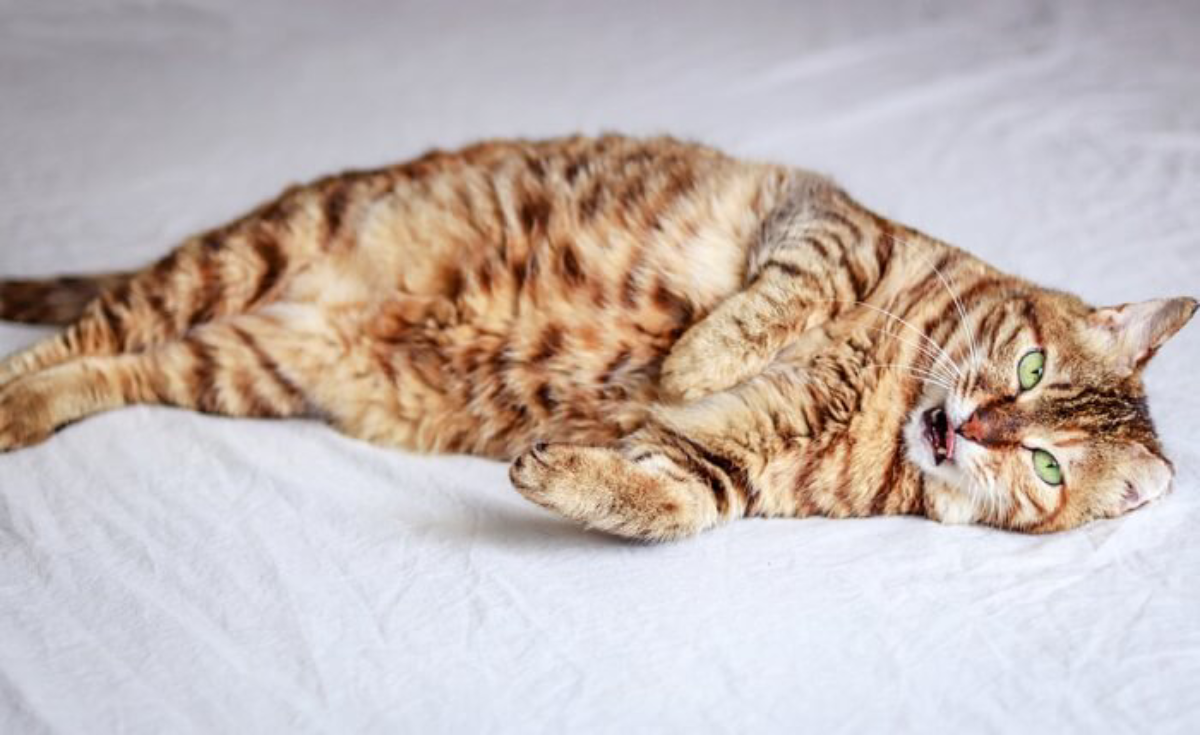
Before diving into the unique personality and care requirements of the Fox Flower Cat, let's examine its physical baseline:
| Metric | Breed Standard Guidelines |
| Country of Origin | China (One of the oldest natural landrace breeds) |
| Average Height | 12 to 14 inches at the shoulder |
| Adult Weight Range | Average: 8–12 lbs; Maximum up to 15 lbs |
| Expected Lifespan | 12 to 15 years under optimal care conditions |
| Coat Classification | Short, thick, single coat with distinct mackerel ticking |
| Primary Temperament | Highly intelligent, active, intensely vigilant, loyal but independent |
| Market Value (Purebred) | Approximately $400 to $1,000 USD (Highly rare outside Asia) |
- Distinctive Physical Characteristics: The Foxy Profile
- Personality and Temperament: Smart, Active, and Boundlessly Independent
- Care and Dietary Guidelines for the Fox Flower Cat
- Summary of Key Insights
- FAQ
- 1. What is a Dragon Li cat?
- 2. Where did the Dragon Li originate?
- 3. Is the Dragon Li a rare cat breed?
- 4. How large do Dragon Li cats grow?
- 5. How long do Dragon Li cats live?
- 6. What does a Dragon Li cat look like?
- 7. Are Dragon Li cats affectionate?
- 8. Are Dragon Li cats good with children?
- 9. Do Dragon Li cats get along with other pets?
- 10. Are Dragon Li cats intelligent?
- 11. Do Dragon Li cats need lots of exercise?
- 12. Are Dragon Li cats suitable for apartment living?
- 13. Do Dragon Li cats enjoy being outdoors?
- 14. How much grooming does a Dragon Li require?
- 15. Do Dragon Li cats shed heavily?
- 16. What should a Dragon Li eat?
- 17. Are Dragon Li cats prone to genetic diseases?
- 18. How much does a Dragon Li cat cost?
- 19. Is the Dragon Li recognized by cat associations?
- 20. Is the Dragon Li the right cat for first-time owners?
Distinctive Physical Characteristics: The Foxy Profile
The Dragon Li possesses a balanced, muscular build that speaks to its history as an efficient natural hunter. Its body standard is meticulously defined by feline registration bodies to distinguish it from standard domestic shorthair tabbies.
                      [The Dragon Li Structural Anatomy]
                                      │
         ┌────────────────────────────┼────────────────────────────┐
         ▼                            ▼                            ▼
   [The Head Profile]          [Body & Substance]          [Coat & Pigmentation]
 Rounded diamond shape,        Medium-sized, cobby body.    Strictly golden-brown mackerel.
 foxy alert features, "M" mark. Broad chest, rounded paws.   Ticked hairs with dark tips.
1. Head and Facial Structure
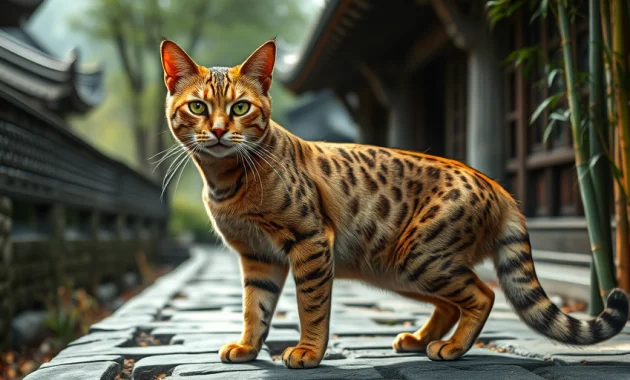
The head is a standout feature of the breed, presenting a large, rounded diamond shape. It gives off a vigilant, foxy expression. The forehead prominently displays an intricate, clear "M" pattern characteristic of ancient tabbies.
Additionally, the breed standard calls for small, distinct black spots or lines near the corners of the lips, giving the mouth a slightly upturned, smiling appearance. Its large, expressive eyes are shaped like almonds and come in striking shades of green, gold, or warm brown.
2. Body, Legs, and Extremities
The Dragon Li features a cobby, solidly built body with a broad, firm chest. Its frame displays natural strength and flexibility. The legs and paws are perfectly proportioned to match the torso, ending in firm, rounded paws rather than oval shapes. Its medium-length tail tapers gently toward the tip, often sporting dark rings that match its coat patterns.
3. Coat Pattern and Coloration Constraints
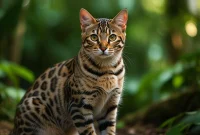
Unlike many modern domestic breeds that come in dozens of color variations, the Dragon Li is defined by a strict color standard. Only one coat color and pattern is acceptable: a rich, golden-brown mackerel tabby.
The short, dense coat features distinctive ticking, where individual hairs are lighter near the skin and significantly darker at the tips. The abdomen area fades into a lighter, warm shading, while the legs and tail showcase strong, dark rings.
Personality and Temperament: Smart, Active, and Boundlessly Independent
The personality of the Dragon Li is deeply shaped by its natural, wild heritage. This is a breed designed for action, mental stimulation, and respectful independence.
[High Active Drive] ──► Requires Mental/Physical Outlets ──► Thrives with Catios & Leash Training
The Anti-Lap Cat
If you are looking for a lazy lap cat to cuddle with for hours on end, the Dragon Li is not the ideal choice. These cats value their personal space and independent routines. Forcing a Dragon Li into prolonged physical restraint or excessive snuggling can cause noticeable anxiety. Instead, they form deep, quiet bonds with their families, preferring to express loyalty by staying close by or joining in on active games.
Above-Average Intellect and Companion Dynamics
The Li Hua Mao is renowned for its high intelligence. They learn household rules quickly and can even be trained to perform complex tasks, such as playing fetch or retrieving small household items like the morning paper.
Because their minds are constantly working, they need plenty of environmental enrichment to prevent boredom. While they love having human companions around, they also do incredibly well alongside other household pets, including dogs, provided they are introduced carefully.
The Great Outdoors and Hunting Instincts
With a highly evolved hunting instinct, these cats thrive when given safe access to the outdoors. They love exploring safely enclosed areas like catios or learning to walk on a harness and leash at a young age. Providing vertical climbing towers, puzzle feeders, and daily interactive hunting games is essential to keeping their active minds and bodies happy.
Care and Dietary Guidelines for the Fox Flower Cat
                       [Comprehensive Care Matrix]
                                    │
         ┌──────────────────────────┴──────────────────────────┐
         ▼                                                     ▼
  [Nutritional Strategy]                                [Grooming & Health]
  High-protein, animal-based fuel                        Short, thick coat needs minimal
  to match high caloric expenditure.                    brushing; robust natural immunity.
1. Nutritional Demands
While the Dragon Li doesn't require a highly specialized medical diet, its active lifestyle means it has a robust appetite. To support its lean muscle mass, prioritize a high-quality, protein-rich diet where real meat or fish is the primary ingredient. Avoid low-quality foods filled with excessive grain fillers, as obligate carnivores cannot easily convert these into clean energy.
2. Grooming Protocols
Thanks to its short, thick single coat, grooming a Dragon Li is remarkably straightforward. They do not have a dense undercoat, meaning they are relatively low-shedding compared to long-haired breeds. A quick weekly brushing with a soft-bristled brush or a rubber grooming mitt is all it takes to remove loose hairs and keep their golden-brown coat looking sleek and glossy.
3. Health and Vitality
As a natural breed that developed over centuries with minimal human interference, the Dragon Li enjoys excellent health and a strong immune system. They face fewer genetic health issues than heavily crossbred modern felines. Keeping up with standard preventative care—including routine veterinary checkups, dental cleanings, and timely vaccinations—is usually all that is needed to ensure a long, healthy life.
Summary of Key Insights
Ancient Wild Roots: Directly descended from the wild Chinese Mountain Cat, preserving its signature wild look and foxy facial features.
Highly Independent: Loyal to its human family but prefers having its own space; not a traditional lap cat or a fan of forced cuddling.
Exceptional Intelligence: Thrives on advanced mental stimulation, puzzle toys, leash walks, and interactive games like fetch.
Strict Breed Standard: Only a golden-brown mackerel tabby pattern with clear ticking is recognized as a true purebred Dragon Li.
Rare and Hard to Find: Standardized purebreds are still highly uncommon outside of China, making them a rare find in global rescues or shelters.
FAQ
1. What is a Dragon Li cat?
The Dragon Li, also known as the Li Hua, Li Hua Mao, or Chinese Li Hua, is one of China's oldest natural cat breeds. It is admired for its wild appearance, muscular body, exceptional intelligence, and independent personality. Although it resembles a common tabby, it follows a strict breed standard and is considered a rare purebred outside China.
2. Where did the Dragon Li originate?
The Dragon Li originated in China and is considered one of the country's oldest native cat breeds. It developed naturally over centuries rather than through selective breeding programs. The breed gained international attention in 2004 and received official recognition from the Cat Fanciers Association (CFA) in 2010.
3. Is the Dragon Li a rare cat breed?
Yes. Dragon Li cats are extremely rare outside China. While they are more commonly found within their native country, finding a pedigreed Dragon Li from reputable breeders in North America, Europe, or other regions can be difficult.
4. How large do Dragon Li cats grow?
Adult Dragon Li cats typically stand between 12 and 14 inches tall and weigh around 8 to 12 pounds. Larger males can occasionally reach up to 15 pounds while maintaining a lean, muscular build.
5. How long do Dragon Li cats live?
With proper nutrition, routine veterinary care, vaccinations, and a healthy lifestyle, Dragon Li cats generally live between 12 and 15 years.
6. What does a Dragon Li cat look like?
The Dragon Li has:
- A muscular medium-sized body
- A rounded diamond-shaped head
- Almond-shaped green, gold, or brown eyes
- A distinctive "M" marking on the forehead
- A golden-brown mackerel tabby coat
- Dark rings around the legs and tail
- Short, dense fur with unique ticking
These features create the breed's signature fox-like appearance.
7. Are Dragon Li cats affectionate?
Yes, but they show affection differently than many other breeds. Rather than constantly seeking cuddles, Dragon Li cats prefer staying close to their owners while maintaining their independence. They develop deep loyalty but generally dislike excessive handling or prolonged lap time.
8. Are Dragon Li cats good with children?
They can be excellent companions for respectful older children who understand feline boundaries. Young children should be taught to avoid rough handling because Dragon Li cats value personal space.
9. Do Dragon Li cats get along with other pets?
Yes. With proper introductions, Dragon Li cats usually coexist well with other cats and cat-friendly dogs. Early socialization helps create harmonious multi-pet households.
10. Are Dragon Li cats intelligent?
Absolutely. Dragon Li cats are considered highly intelligent. They quickly learn routines, recognize commands, solve puzzle toys, and can even be trained to play fetch or retrieve small objects.
11. Do Dragon Li cats need lots of exercise?
Yes. Their active hunting heritage means they require daily physical exercise and mental stimulation. Interactive toys, climbing trees, puzzle feeders, leash walks, and secure outdoor catios help satisfy their instincts.
12. Are Dragon Li cats suitable for apartment living?
Yes, provided they receive sufficient enrichment. Vertical climbing structures, window perches, interactive play sessions, and puzzle toys help prevent boredom in indoor environments.
13. Do Dragon Li cats enjoy being outdoors?
They naturally enjoy exploring, but they should only have access to secure outdoor environments such as enclosed catios or supervised leash walks to protect them from traffic, predators, and disease.
14. How much grooming does a Dragon Li require?
Very little. Their short single coat only requires weekly brushing to remove loose hair and maintain a healthy shine. Regular nail trimming, dental care, and ear cleaning should also be part of their routine.
15. Do Dragon Li cats shed heavily?
No. Compared to many long-haired breeds, Dragon Li cats are relatively low shedders. Seasonal shedding may occur but is generally manageable with routine grooming.
16. What should a Dragon Li eat?
A high-quality, protein-rich diet based primarily on animal proteins supports their muscular physique and active metabolism. Foods with excessive fillers or low-quality carbohydrates should be avoided.
17. Are Dragon Li cats prone to genetic diseases?
As a naturally developed breed, Dragon Li cats are generally healthy and have relatively few inherited disorders compared to heavily selectively bred cats. Regular veterinary checkups remain important for preventive care.
18. How much does a Dragon Li cat cost?
A pedigreed Dragon Li typically costs between $400 and $1,000 USD, although prices may be considerably higher in countries where the breed is exceptionally rare.
19. Is the Dragon Li recognized by cat associations?
Yes. The Cat Fanciers Association (CFA) officially recognized the breed in 2010. However, recognition varies among different international cat registries.
20. Is the Dragon Li the right cat for first-time owners?
It can be, provided owners appreciate an intelligent, energetic, and independent companion. Those seeking a constantly affectionate lap cat may prefer a more people-oriented breed, while owners who enjoy interactive play and respect feline independence often find the Dragon Li an outstanding companion.