Hematochezia in Felines: A Comprehensive Guide to Causes, Clinical Diagnostics, and Care Protocols for Pawrents
7 days ago
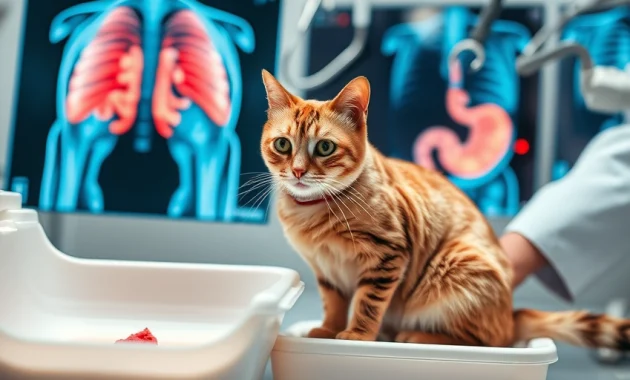
Discovering blood in your cat’s stool—a clinical condition known as hematochezia (bright red blood) or melena (dark, tarry stool)—is understandably alarming for any pet owner. Because a cat's gastrointestinal tract is highly sensitive, bloody stool serves as an immediate indicator that the mucosal lining of the digestive system has been compromised.
Whether it is a minor bout of dietary indiscretion or a sign of an underlying systemic illness, understanding the biological causes behind this condition is crucial. This guide covers the common causes of feline bloody stool, immediate actions you must take, targeted recovery care, and long-term prevention strategies to protect your companion.
The Biological Triggers of Feline Hematochezia
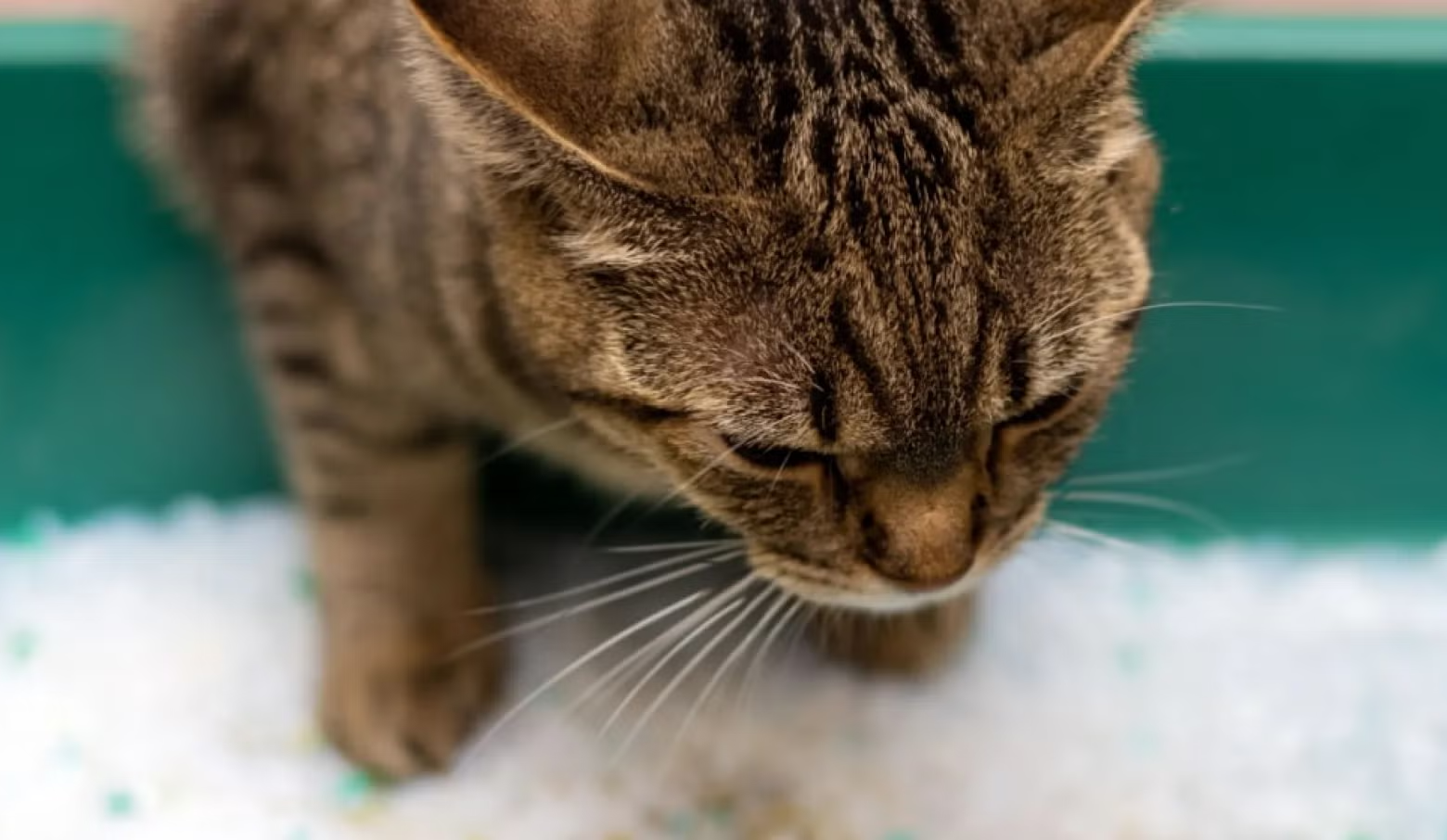
When the delicate mucosal barrier of the feline intestine is inflamed, irritated, or structurally torn, red blood cells escape into the digestive tract. The causes vary from micro-organism invasions to structural mechanical trauma.
                    [Gastrointestinal Mucosal Damage]
                                    │
        ┌───────────────────────────┼───────────────────────────┐
        ▼                           ▼                           ▼
[Parasitic Invasion]       [Inflammatory States]       [Mechanical Trauma]
Nematodes hook onto intestinal  IBD or food allergies severe  Foreign objects or sharp bones
walls, causing focal bleeding.  enough to shed tissue layers. tear the delicate lining.
1. Intestinal Parasites (Nematode Overload)
Parasitic infections, such as roundworms (Toxocara cati) or hookworms (Ancylostoma tubaeforme), are among the primary causes of bloody stools, particularly in kittens or rescue cats lacking routine veterinary care. Hookworms, in particular, use sharp mouthparts to anchor themselves directly into the lining of the small intestine. They release anti-clotting compounds to feed on blood, leaving behind small, continuously bleeding wounds that pass into the feces.
2. Inflammatory Bowel Disease (IBD) and Chronic Enteritis
Just like humans, cats can develop chronic inflammatory states within their digestive systems. Feline Inflammatory Bowel Disease (IBD) is a complex condition often triggered by food allergies, specific protein intolerances, or imbalances in the gut microbiome. This chronic immune response floods the intestinal walls with inflammatory cells, causing swelling, fluid retention, and micro-bleeding. This shows up as bloody stool alongside systemic symptoms like progressive weight loss and a dull, unkempt coat.
3. Gastrointestinal Foreign Bodies
Cats possess an exploratory nature, occasionally swallowing linear foreign objects like sewing thread, plastic wrappers, or small toy pieces. If these objects have sharp edges or get caught in the intestines, they create a mechanical blockage or tear the delicate mucosal tissue as the intestines contract, resulting in sudden, acute bleeding.
4. Direct Mechanical Trauma (Dietary Indiscretion)
Feeding cooked bones (such as chicken or fish bones) to cats poses a major structural risk. Cooked bones splinter easily into sharp shards that can scrape, puncture, or slice the lining of the stomach and intestinal tracts. This mechanical injury causes sudden bleeding and introduces a severe risk of internal infection (peritonitis).
- 1. Intestinal Parasites (Nematode Overload)
- 2. Inflammatory Bowel Disease (IBD) and Chronic Enteritis
- 3. Gastrointestinal Foreign Bodies
- 4. Direct Mechanical Trauma (Dietary Indiscretion)
Critical Triage and Immediate Medical Intervention
If you spot bright red blood streaks or dark, foul-smelling clots in your cat's litter box, do not wait to see if it clears up on its own. Felines are masters at hiding pain, and noticeable bleeding often means an internal issue has already advanced.
[Observe Bloody Stool] ──► [Isolate & Assess Vital Signs] ──► [Immediate Veterinary Evaluation]
When to Seek Immediate Emergency Care
While a single, tiny speck of blood in an otherwise energetic cat requires a standard vet appointment, you must seek emergency care immediately if you notice any of the following secondary symptoms:
The cat is completely lethargic, weak, or unresponsive.
The bleeding is accompanied by continuous, fluid vomiting.
The gums appear pale, white, or mud-colored instead of a healthy pink (indicating anemia or shock).
The cat refuses food or water for more than 24 hours.
What to Expect at the Veterinary Clinic
To pinpoint the exact cause of the bleeding, your veterinarian will run a focused diagnostic panel:
Fecal Flotation and Smear: Looking under the microscope to find parasite eggs, protozoa, or dangerous bacterial overgrowths.
Diagnostic Imaging (X-ray/Ultrasound): Checking for swallowed foreign objects, structural blockages, or abnormal thickening of the intestinal walls.
Comprehensive Blood Panels: Assessing total red blood cell counts to rule out anemia, evaluating kidney and liver function, and checking for markers of active infection.
Targeted Recovery Care and Dietary Support
Once your veterinarian diagnoses the cause and provides specific medical treatments (such as targeted dewormers or antibiotics), your focus shifts to supporting your cat's recovery at home.
                    [Post-Crisis Stabilization Protocol]
                                     │
         ┌───────────────────────────┼───────────────────────────┐
         ▼                           ▼                           ▼
[Dietary Management]       [Environmental Peace]       [Medical Compliance]
Transition to highly        Isolate from stressors      Administer all prescribed
digestible, low-residue     to reduce cortisol blocks   medications exactly as directed
gastrointestinal diets.     on mucosal healing.         by your veterinarian.
1. Precision Dietary Transition
An inflamed digestive tract needs easily digestible, low-residue nutrition to heal properly. High-fat diets or complex proteins force the pancreas and intestines to work harder, which can prolong inflammation.
Transitioning your cat to a specialized premium diet, such as Pro Plan Urinary Care Chicken, provides targeted therapeutic benefits. While specifically designed to maintain urinary tract balance and optimal pH levels, its highly refined protein sources and balanced mineral profiles are exceptionally gentle on sensitive digestive tracts.
Furthermore, premium formulas often feature live, active probiotics that help restabilize the gut microbiome, reinforcing the natural mucosal barrier against harmful bacteria.
2. Eliminating Environmental Stress
A cat's nervous system is deeply connected to their digestive tract. High stress levels trigger the release of cortisol and adrenaline, which can alter blood flow to the intestines and worsen bowel inflammation. During recovery, keep your cat in a quiet, comfortable room away from household noise, other pets, and busy activity.
3. Strict Compliance with Veterinary Medication
Always finish the entire course of any prescribed antibiotics, anti-inflammatory medications, or gut protectants, even if the stool looks completely normal after a couple of days. Stopping medication early can allow resilient pathogens to return, causing a relapse.
Proactive Prevention Protocol for Pet Parents
| Preventive Strategy | Biological Impact | Execution Frequency |
| Broad-Spectrum Antiparasitic Control | Eliminates hookworms and roundworms before they can damage the intestinal wall. | Strictly follow your veterinarian's seasonal schedule. |
| Core and Non-Core Vaccinations | Protects the immune system against viral strains that cause severe hemorrhagic enteritis. | Annual or triennial boosters based on lifestyle risks. |
| Environmental Hazard Sweeps | Prevents the accidental swallowing of linear foreign objects, plastic shards, or splintered bones. | Daily scanning of play zones and kitchen areas. |
| Sanitation of Feeding Stations | Lowers the risk of introducing harmful bacteria into the digestive tract. | Wash food bowls daily and scrub litter boxes weekly. |
Summary of Key Takeaways
Feline hematochezia is a clear signal from the body that the delicate intestinal lining needs attention. By understanding the common causes—ranging from simple parasite overloads to internal trauma—and prioritizing professional veterinary diagnostics over home remedies, you can address the root issue effectively. Combining proper medical treatment with highly digestible nutrition and stress-free recovery spaces ensures your companion can return to a healthy, vibrant life.
FAQ
1. Why is there blood in my cat's stool?
Blood in a cat's stool usually indicates irritation, inflammation, injury, or disease somewhere in the digestive tract. Common causes include intestinal parasites, inflammatory bowel disease (IBD), food allergies, bacterial infections, swallowed foreign objects, constipation, anal gland disorders, or gastrointestinal trauma. The exact cause requires a veterinary examination and appropriate diagnostic testing.
2. What is the difference between bright red blood and black, tarry stool?
Bright red blood (hematochezia) generally originates from the lower digestive tract, including the colon, rectum, or anus. Dark black, tarry stool (melena) usually indicates bleeding higher in the digestive tract, such as the stomach or small intestine, where the blood has been partially digested before passing through the body. Both conditions should be evaluated by a veterinarian.
3. Can intestinal parasites cause bloody stool in cats?
Yes. Parasites such as hookworms, roundworms, whipworms, and certain protozoa can damage the intestinal lining and cause bleeding. Hookworms are particularly dangerous because they attach directly to the intestinal wall and feed on blood, potentially causing anemia, especially in kittens.
4. Is bloody stool always a medical emergency?
Not always, but it should never be ignored. A small streak of blood in an otherwise healthy, active cat may require a prompt veterinary appointment. However, immediate emergency care is necessary if bloody stool is accompanied by lethargy, repeated vomiting, pale gums, severe diarrhea, dehydration, collapse, difficulty breathing, or refusal to eat for more than 24 hours.
5. Can food allergies or inflammatory bowel disease (IBD) cause blood in stool?
Yes. Chronic inflammation caused by food sensitivities or inflammatory bowel disease can damage the intestinal lining, leading to microscopic or visible bleeding. Cats with IBD often experience recurring diarrhea, vomiting, weight loss, poor coat condition, and decreased appetite alongside bloody stool.
6. What should I do immediately if I notice blood in my cat's litter box?
Monitor your cat closely, keep them hydrated, and contact your veterinarian as soon as possible. If possible, collect a fresh stool sample for laboratory analysis. Avoid giving human medications or attempting home treatments without professional guidance, as some medications can be toxic to cats.
7. What diagnostic tests will my veterinarian perform?
Depending on your cat's symptoms, your veterinarian may recommend:
- Fecal flotation and microscopic examination for parasites.
- Blood tests to evaluate anemia, infection, liver, and kidney function.
- Urinalysis.
- X-rays or abdominal ultrasound to detect foreign objects or structural abnormalities.
- Specialized gastrointestinal testing if chronic disease is suspected.
8. Can swallowing foreign objects cause bloody stool?
Yes. Cats sometimes swallow thread, ribbon, plastic, hair ties, bones, or other household items. These objects can scrape, puncture, or obstruct the digestive tract, resulting in bleeding and potentially life-threatening complications that require immediate veterinary treatment.
9. Should I change my cat's diet during recovery?
Yes, but only under veterinary guidance. Cats recovering from gastrointestinal inflammation often benefit from highly digestible, low-residue diets that reduce intestinal workload while promoting healing. Sudden diet changes should be avoided unless specifically recommended by your veterinarian.
10. Can stress contribute to bloody stool?
Yes. Stress affects the gastrointestinal system through hormonal changes that may worsen inflammation and digestive upset. Providing a calm, quiet environment during recovery can help reduce intestinal irritation and support healing alongside medical treatment.
11. How can I prevent bloody stool in my cat?
Preventive measures include:
- Following routine parasite prevention schedules.
- Feeding a balanced, high-quality diet.
- Keeping dangerous objects and bones out of reach.
- Maintaining proper vaccination schedules.
- Cleaning food bowls and litter boxes regularly.
- Scheduling routine veterinary wellness examinations.
12. Can constipation cause blood in cat stool?
Yes. Hard, dry stools can strain the rectal tissue during defecation, causing small tears that produce bright red blood. Chronic constipation should always be evaluated because it may indicate dehydration, dietary problems, or underlying disease.
13. Can kittens develop bloody stool more easily than adult cats?
Yes. Kittens have immature immune systems and are more susceptible to intestinal parasites, bacterial infections, dietary changes, and viral illnesses. Because they can become dehydrated and anemic rapidly, bloody stool in kittens should be treated as an urgent veterinary concern.
14. Should I give human medications if my cat has bloody stool?
No. Many human medications, including pain relievers and anti-diarrheal drugs, can be dangerous or toxic to cats. Always consult your veterinarian before administering any medication.
15. How long does recovery usually take?
Recovery depends entirely on the underlying cause. Mild dietary irritation may resolve within a few days with appropriate care, while inflammatory bowel disease, severe infections, or gastrointestinal injuries may require weeks of treatment and ongoing dietary management. Following your veterinarian's treatment plan gives your cat the best chance for a full recovery.