The 8 Best Non-Clay Cat Litters: Material Science, Veterinary Health, & Transition Protocols
6 hours ago
Clumping sodium bentonite clay litter revolutionized pet hygiene in the late 20th century. However, modern cat parents and veterinarians increasingly favor non-clay, bio-based alternatives. Traditional clay mining carries a heavy environmental footprint, generates airborne silica dust that can irritate sensitive lungs, and produces heavy waste that fills up landfills.
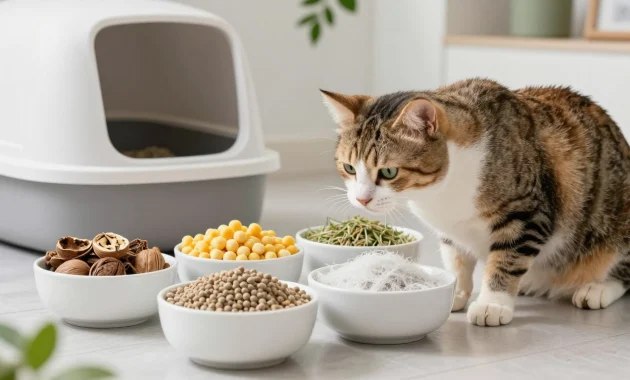
In contrast, non-clay litters—derived from plant-based, renewable materials like walnut shells, wood fibers, recycled paper, grass seeds, corn, tofu, coconut husks, and wheat—offer biodegradable, lightweight, and low-dust solutions.
This guide evaluates the material science behind the 8 best non-clay cat litters, examines their health and environmental benefits with veterinary insight, and provides a step-by-step transition protocol to help your cat adapt smoothly.
- Why Switch? The Downsides of Traditional Clay Litter
- The 8 Best Non-Clay Cat Litters (Detailed Analysis)
- 1. Best Overall Odor Control: Walnut Shell Litter
- 2. Best Texture Alternative to Clay: Fine-Grain Wood Litter
- 3. Best for Post-Surgical & Allergy-Prone Cats: Recycled Paper Pellets
- 4. Best Fast-Clumping Action: Grass Seed Litter
- 5. Best Multi-Cat Performance: Corn Litter
- 6. Best Low-Tracking Formula: Tofu Litter
- 7. Best Ultra-Lightweight Option: Coconut Coir Litter
- 8. Best Natural Enzyme Odor Control: Wheat Litter
- Comprehensive Comparative Reference Matrix
- The 4-Week Gradual Transition Protocol
- Summary Protocol: Selection Checklist
- 1. Why should I choose a non-clay cat litter instead of traditional clay litter?
- 2. Is non-clay cat litter safe for kittens?
- 3. Which non-clay litter controls odor the best?
- 4. Are non-clay litters really biodegradable?
- 5. Which non-clay litter creates the least dust?
- 6. Can non-clay litter be used in automatic self-cleaning litter boxes?
- 7. Why is my cat refusing to use the new litter?
- 8. Which non-clay litter is best for cats recovering from surgery?
- 9. Is non-clay litter better for the environment?
- 10. How often should I completely replace non-clay litter?
Why Switch? The Downsides of Traditional Clay Litter
While bentonite clay creates tight clumps, its production and physical properties present several drawbacks for indoor cats and the environment:
Clay Litter Drawbacks vs. Bio-Based Advantages:
┌─────────────────────────────────────────────────────────────┐
│ TRADITIONAL BENTONITE CLAY                                  │
│ ── Environmental Damage: Strip mining destroys topsoil      │
│ ── Respiratory Risk: Crystalline silica dust causes inflammation│
│ ── Post-Surgical Risk: Clay dust clings to surgical wounds  │
│ ── Heavy Physical Mass: High transportation carbon footprint│
└──────────────────────────────┬──────────────────────────────┘
                               │
                               ▼
┌─────────────────────────────────────────────────────────────┐
│ BIO-BASED ALTERNATIVE LITTERS                               │
│ ── Sustainable Sourcing: Upcycled agricultural byproducts   │
│ ── Low / Zero Dust: Hypoallergenic for sensitive lungs      │
│ ── Biodegradable: Decomposes naturally in landfills         │
│ ── Lightweight: Easier handling and reduced shipping impact │
└──────────────────────────────┘
Key Health & Environmental Concerns of Clay
Environmental Impact: Sodium bentonite is primarily extracted via surface strip-mining. This process strips topsoil, disrupts local ecosystems, and consumes significant energy to process and transport heavy material.
Respiratory Health: Pouring or scooping clay litter releases fine airborne dust containing crystalline silica. When inhaled daily by cats or humans, this dust can trigger asthma flare-ups or chronic respiratory irritation.
Post-Surgical Hazard: As noted by Dr. Bruce Kornreich (Director of the Cornell Feline Health Center), fine clay dust can adhere to healing surgical sites—such as recent spay/neuter incisions—increasing the risk of secondary infections.
The 8 Best Non-Clay Cat Litters (Detailed Analysis)
Non-clay litters use unique plant starches, natural fibrous structures, and plant enzymes to absorb moisture and bind waste.
Substrate Classification Matrix:
├── NUT & SEED   ➔ Walnut Shells (Naturally Fresh), Grass Seed (Frisco)
├── GRAIN & TOFU ➔ Corn (World's Best), Wheat (sWheat Scoop), Tofu (Frisco)
└── FIBER & WOOD ➔ Softwood (Catalyst), Recycled Paper (Fresh News), Coconut (CatSpot)
1. Best Overall Odor Control: Walnut Shell Litter
Featured Product: Naturally Fresh Walnut Shell Clumping Cat Litter
Material Science: Made from upcycled walnut shells. Natural fibrous structures absorb liquids quickly, while organic tannins neutralize ammonia smells without artificial perfumes.
Naturally Fresh Walnut Evaluation:
├── PROS ➔ Outstanding odor absorption; dense clumps; dark color hides waste.
└── CONS ➔ Dark dust can temporarily stain light-furred paws; slightly looser clumps.
2. Best Texture Alternative to Clay: Fine-Grain Wood Litter
Featured Product: Catalyst Pet Unscented Formula Cat Litter
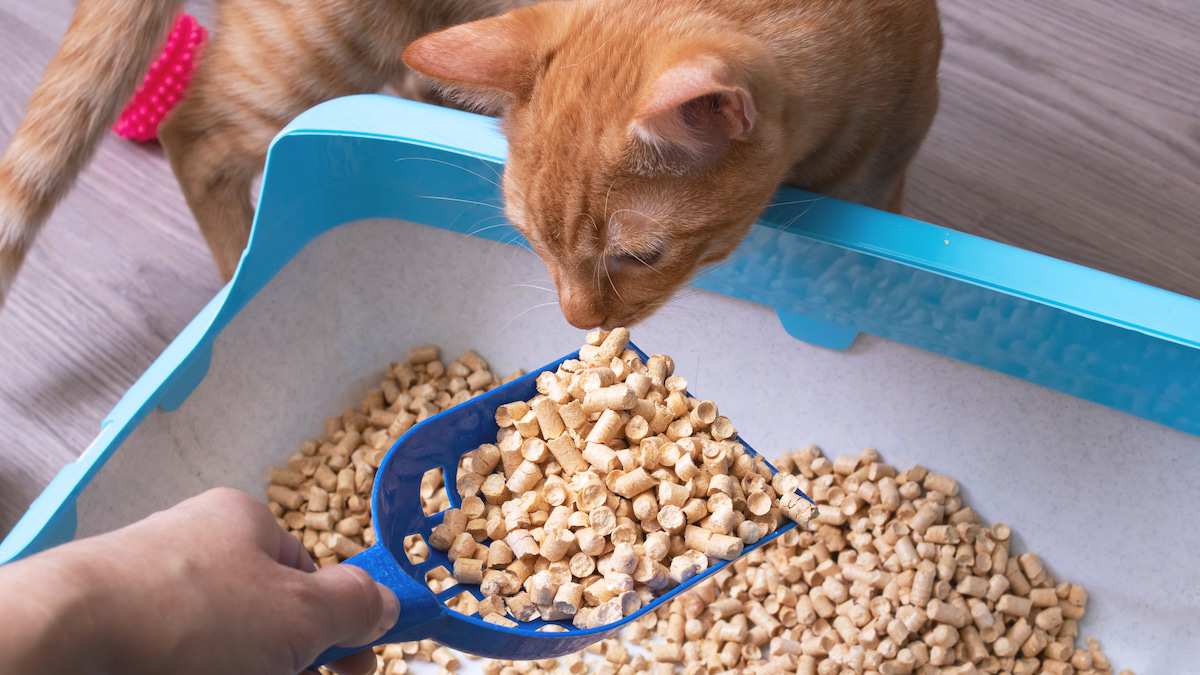
Material Science: Utilizes upcycled softwoods (including heat-treated pine). Natural wood resins bind moisture, providing a soft, sand-like texture that appeals to cats accustomed to clay.
Catalyst Wood Evaluation:
├── PROS ➔ Very lightweight; pleasant natural wood scent; clay-like grain size.
└── CONS ➔ Lightweight particles can track on fur; clumps require careful scooping.
3. Best for Post-Surgical & Allergy-Prone Cats: Recycled Paper Pellets
Featured Product: Fresh News Unscented Non-Clumping Paper Litter
Material Science: Formulated from 100% post-consumer recycled paper compressed into dense pellets. Infused with baking soda for odor management.
Fresh News Paper Evaluation:
├── PROS ➔ Virtually 0% dust; won't stick to wounds; hypoallergenic; low tracking.
└── CONS ➔ Non-clumping formula requires frequent box dumps; lower odor control over time.
4. Best Fast-Clumping Action: Grass Seed Litter
Featured Product: Frisco Natural Unscented Clumping Grass Cat Litter
Material Science: Uses finely ground grass seeds mixed with sorghum. The high concentration of natural starches forms tight, hard clumps upon contact with moisture.
Frisco Grass Evaluation:
├── PROS ➔ Exceptional clumping speed; very soft on paws; lightweight.
└── CONS ➔ Strong clumps can adhere to box sides if unlined; mild natural grain scent.
5. Best Multi-Cat Performance: Corn Litter
Featured Product: World’s Best Multi-Cat Clumping Corn Litter
Material Science: Made from whole-kernel corn. Microporous structures trap liquid and ammonia gas instantly within firm, scoopable clumps.
World's Best Corn Evaluation:
├── PROS ➔ Biodegradable; flushable (where local regulations permit); excellent multi-cat absorption.
└── CONS ➔ Must be stored in a dry space to prevent mold in warm, humid climates.
6. Best Low-Tracking Formula: Tofu Litter
Featured Product: Frisco Clumping Tofu Litter
Material Science: Crafted from soybean fiber (a byproduct of tofu manufacturing). Pellets are soft, highly absorbent, and designed to minimize tracking.
Frisco Tofu Evaluation:
├── PROS ➔ Cylinder pellets minimize paw tracking; virtually dust-free; gentle on sensitive paws.
└── CONS ➔ Unique texture requires a brief adjustment period for some cats; higher price point.
7. Best Ultra-Lightweight Option: Coconut Coir Litter
Featured Product: CatSpot Non-Clumping Coconut Litter
Material Science: Made entirely from repurposed coconut husks (coir). Highly porous fibers absorb up to several times their weight in liquid.
CatSpot Coconut Evaluation:
├── PROS ➔ 100% organic and chemical-free; ultra-light weight (5 lbs replaces 20 lbs clay); compostable.
└── CONS ➔ Non-clumping; dark fiber tracks easily if used without a litter mat.
8. Best Natural Enzyme Odor Control: Wheat Litter
Featured Product: sWheat Scoop Multi-Cat Unscented Clumping Litter
Material Science: Uses ground wheat. Natural wheat starches create solid clumps, while natural enzymes neutralize odor-causing compounds without synthetic fragrances.
sWheat Scoop Evaluation:
├── PROS ➔ Fully biodegradable; soft texture; no artificial dyes or perfumes.
└── CONS ➔ Clumps can break apart if scooped too quickly; susceptible to moisture if left unscooped.
Comprehensive Comparative Reference Matrix
| Litter Substrate | Primary Material Source | Clumping Type | Dust Index | Tracking Index | Best Clinical Use Case |
| Walnut Shell | Upcycled Walnut Shells | Clumping | Low | Medium | High-ammonia odor control. |
| Wood Fiber | Heat-Treated Softwoods | Medium Clumping | Medium | Medium-High | Transitioning cats from fine clay. |
| Recycled Paper | 100% Post-Consumer Paper | Non-Clumping | Extremely Low | Very Low | Post-surgical recovery & asthma. |
| Grass Seed | Sorghum & Grass Seeds | Hard Clumping | Low | Medium | Multi-cat quick-scoop setups. |
| Whole Corn | Whole-Kernel Corn | Hard Clumping | Very Low | Low-Medium | Eco-conscious households. |
| Tofu Fiber | Upcycled Soybean Pulp | Clumping | Extremely Low | Extremely Low | Preventing tracking on carpets. |
| Coconut Coir | Outer Coconut Husks | Non-Clumping | Low | High | Ultra-lightweight & compostable needs. |
| Processed Wheat | Natural Wheat Grain | Soft Clumping | Low | Medium | Natural enzyme odor elimination. |
The 4-Week Gradual Transition Protocol
Cats are creatures of habit. Sudden changes to the texture, scent, or depth of their litter box can trigger stress and lead to inappropriate elimination outside the box.
As recommended by veterinary experts, always use a gradual 4-week blending protocol to transition your cat to a new substrate:
4-Week Litter Blending Schedule:
┌─────────────────────────────────────────────────────────────┐
│ WEEK 1: 75% Current Clay / 25% New Bio-Litter              │
│ Mix thoroughly so your cat adjusts to the new texture/scent.│
└──────────────────────────────┬──────────────────────────────┘
                               │
                               ▼
┌─────────────────────────────────────────────────────────────┐
│ WEEK 2: 50% Current Clay / 50% New Bio-Litter              │
│ Monitor litter box usage and scooping consistency.          │
└──────────────────────────────┬──────────────────────────────┘
                               │
                               ▼
┌─────────────────────────────────────────────────────────────┐
│ WEEK 3: 25% Current Clay / 75% New Bio-Litter              │
│ Your cat is now accustomed to the new substrate properties. │
└──────────────────────────────┬──────────────────────────────┘
                               │
                               ▼
┌─────────────────────────────────────────────────────────────┐
│ WEEK 4: 100% New Bio-Litter                                 │
│ Complete switch achieved safely and without behavioral stress.│
└──────────────────────────────┘
Expert Transition Tips
Choose Matching Textures: If your cat is used to fine-grain clay, start with a fine-grain alternative like grass seed or fine wood fiber rather than large pellets.
Keep Box Location Consistent: Do not move the litter box while changing substrates. Keep all other variables unchanged to reduce stress.
Never Force DIY Materials: Avoid raw, untreated wood shavings or sawdust from workshops. Commercial pine litters are specifically heat-treated to remove toxic natural oils and phenols.
Summary Protocol: Selection Checklist
For Asthma/Respiratory Sensitivity: Choose Recycled Paper or Tofu Litter.
For Maximum Clumping Performance: Choose Grass Seed or Corn Litter.
For Superior Odor Neutralization: Choose Walnut Shell or Wheat Litter.
For Post-Surgical Healing: Choose Recycled Paper Pellets.
By understanding the unique properties of each plant-based material, you can select an eco-friendly litter that keeps your home clean while supporting your cat's health and comfort.
Frequently Asked Questions (FAQ)
1. Why should I choose a non-clay cat litter instead of traditional clay litter?
Non-clay cat litter offers several advantages over traditional bentonite clay litter. It is typically made from renewable materials such as walnut shells, corn, wheat, tofu, recycled paper, grass seed, wood fiber, or coconut husks. These materials are biodegradable, lighter to carry, produce significantly less dust, and are generally more environmentally friendly. Many non-clay litters also provide excellent odor control while reducing exposure to silica dust that may irritate both feline and human respiratory systems.
2. Is non-clay cat litter safe for kittens?
Yes. Most high-quality non-clay litters are safe for kittens, especially dust-free options made from recycled paper or tofu. However, very young kittens may accidentally ingest litter while exploring, so it is always best to consult your veterinarian before introducing any new litter type. Paper-based litter is commonly recommended for young kittens and cats recovering from surgery.
3. Which non-clay litter controls odor the best?
Several non-clay litters provide outstanding odor control.
Top performers include:
- Walnut shell litter for natural ammonia neutralization.
- Wheat litter with natural enzyme-based odor control.
- Corn litter for multi-cat households.
- Grass seed litter for fast clumping and odor trapping.
The best choice depends on your cat's habits, the number of cats in your home, and how often the litter box is cleaned.
4. Are non-clay litters really biodegradable?
Most non-clay litters are biodegradable because they are produced from plant-based or recycled materials. Walnut shells, wheat, corn, tofu, coconut fiber, wood, and paper naturally decompose much faster than bentonite clay. However, biodegradable does not always mean flushable, so always follow the manufacturer's disposal recommendations and local wastewater regulations.
5. Which non-clay litter creates the least dust?
If your cat has asthma, allergies, or other respiratory sensitivities, the best low-dust options include:
- Recycled paper litter
- Tofu litter
- Corn litter
- Walnut shell litter
These products produce significantly less airborne dust compared to clay litter, making them excellent choices for sensitive pets and owners.
6. Can non-clay litter be used in automatic self-cleaning litter boxes?
Some can, but compatibility depends on the litter's texture and clumping characteristics. Fine-grain corn, grass seed, walnut, and certain tofu litters generally work well with many automatic litter boxes. Pellet-style paper litter and some coconut products may not function properly. Always check your litter box manufacturer's compatibility recommendations.
7. Why is my cat refusing to use the new litter?
Cats are creatures of habit and often dislike sudden environmental changes. A new litter may have a different texture, scent, or feel under their paws. Instead of switching immediately, gradually mix the new litter with the old one over three to four weeks. This slow transition greatly increases the likelihood that your cat will accept the new substrate.
8. Which non-clay litter is best for cats recovering from surgery?
Veterinarians commonly recommend recycled paper litter because it produces almost no dust and does not stick to surgical incisions. It also minimizes irritation around healing wounds and helps reduce the risk of post-operative infections.
9. Is non-clay litter better for the environment?
Generally, yes. Most non-clay litters are manufactured from renewable or recycled resources rather than mined minerals. Their production typically requires fewer natural resources, generates less environmental damage, and creates less landfill waste compared to traditional clay litter.
10. How often should I completely replace non-clay litter?
Replacement frequency depends on the specific product.
- Clumping litters should be scooped daily and completely replaced every 3–5 weeks.
- Non-clumping paper or coconut litters usually require more frequent complete changes, often every 5–10 days.
- Always maintain a clean litter box by removing waste daily and washing the box thoroughly during full litter changes.