The Oregon Rex Cat: The Complete History, Extinction Story, and Modern Curly-Coated Alternatives
2 weeks ago
The world of pedigree cats is filled with distinct physical traits—from the hairless Sphynx to the folded ears of the Scottish Fold. Among the most enchanting coat mutations ever discovered is the Rex mutation, characterized by soft, wavy, or tightly curled fur.
While cat lovers today are familiar with the Cornish Rex, Devon Rex, and Selkirk Rex, few know the tragic story of the Oregon Rex—an American breed born from a natural genetic mutation in the Pacific Northwest that captivated breeders in the mid-20th century, only to disappear entirely.
This comprehensive guide explores the discovery and physical profile of the Oregon Rex, analyzes the genetic factors that led to its extinction, and highlights the best living curly-coated cat breeds available today.
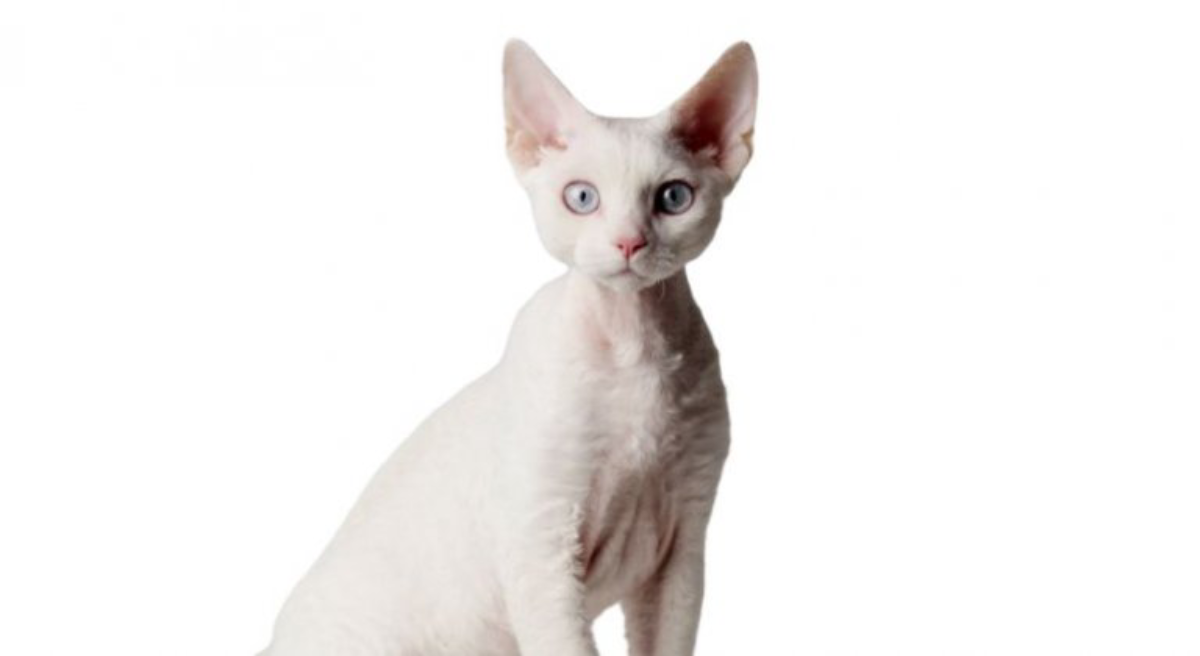
- The Origin and Discovery of the Oregon Rex
- Breed Profile and Characteristics
- The Path to Extinction: What Happened to the Oregon Rex?
- Modern Living Alternatives: The Rex Family Today
- Conclusion: Remembering a Lost Feline Pioneer
- FAQ
- 1. What was the Oregon Rex cat?
- 2. Why was the Oregon Rex considered unique?
- 3. When was the Oregon Rex first discovered?
- 4. Was the Oregon Rex recognized by cat registries?
- 5. Why did the Oregon Rex become extinct?
- 6. When did the last Oregon Rex die?
- 7. Could the Oregon Rex be recreated today?
- 8. Was the Oregon Rex related to the Cornish Rex?
- 9. How did the Oregon Rex differ from the Devon Rex?
- 10. What did the Oregon Rex look like?
- 11. What was the Oregon Rex's personality like?
- 12. Did the Oregon Rex shed much?
- 13. Was the Oregon Rex hypoallergenic?
- 14. What modern cat breed is most similar to the Oregon Rex?
- 15. What makes the Selkirk Rex different?
- 16. Are Rex cats generally healthy?
- 17. Why are rare cat breeds important to preserve?
- 18. Can I adopt an Oregon Rex today?
The Origin and Discovery of the Oregon Rex
The story of the Oregon Rex begins in 1944 in the state of Oregon, United States. A domestic cat gave birth to a kitten with a distinct, tightly curled coat.
Oregon Rex Lineage Timeline:
┌─────────────────────────────────────────────────────────────┐
│ 1944: Spontaneous Mutation Discovered in Oregon             │
│ (First curly-coated kitten born)                            │
└──────────────────────────────┬──────────────────────────────┘
                               │
                               ▼
┌─────────────────────────────────────────────────────────────┐
│ 1955: Formal Documentation & Breeding Program Initiated      │
└──────────────────────────────┬──────────────────────────────┘
                               │
                               ▼
┌─────────────────────────────────────────────────────────────┐
│ 1960s: Outcrossing with Imported Cornish Rex Lineages       │
└──────────────────────────────┬──────────────────────────────┘
                               │
                               ▼
┌─────────────────────────────────────────────────────────────┐
│ 1972: Death of the Last Known Purebred Oregon Rex (EXTINCT) │
└─────────────────────────────────────────────────────────────┘
1. The Natural Genetic Mutation
Unlike manufactured hybrid breeds, the Oregon Rex originated from a spontaneous, naturally occurring genetic mutation. The founding kitten possessed a unique recessive gene that altered the structure of its hair shafts, causing the coat to grow in crimped, soft waves rather than straight strands.
2. Formal Recognition and Crossbreeding Efforts
In 1955, the breed was officially documented. Around the same time, the Cornish Rex was imported to the United States from England.
To expand the small genetic pool of the Oregon Rex and prevent severe inbreeding, breeders began crossing the Oregon Rex with Cornish Rex offspring and domestic shorthairs. For a brief period during the late 1950s and 1960s, the Oregon Rex established a devoted following among American cat fanciers.
Breed Profile and Characteristics
Because the Oregon Rex went extinct before modern cat registries standardized digital records, historical documentation provides the primary blueprint for its physical and behavioral traits.
Oregon Rex Profile Overview:
├── Size & Weight    ➔ Small to Medium (5 to 10 lbs, 10" - 14" Tall)
├── Physical Build   ➔ Lean, graceful, with large prominent ears
├── Coat Texture     ➔ Short, soft, tightly crimped fur
└── Lifespan Expectancy➔ 12 to 15+ Years (historically)
Physical and Temperament Breakdown
Size and Weight: A small-to-medium cat standing 10 to 14 inches tall and weighing between 5 and 10 pounds.
Coat Profile: Short, silky, and crimped. Like other Rex mutations, the coat lacked heavy guard hairs, making it exceptionally soft to the touch and low-shedding.
Personality and Temperament: Affectionate, headstrong, and energetic. The Oregon Rex formed deep bonds with family members and strongly disliked being left alone for long periods—a behavioral trait shared with Oriental Shorthairs and Siamese cats.
The Path to Extinction: What Happened to the Oregon Rex?
Why did a distinct, naturally occurring American cat breed disappear entirely within thirty years of its discovery?
Extinction Factors Spectrum:
├── 1. Recessive Gene Competition ➔ Gene overwritten by Cornish/Devon Rex imports
├── 2. Shrinking Gene Pool        ➔ Difficulty maintaining genetic diversity
└── 3. Declining Breeder Interest ➔ Focus shifted to established foreign Rex lines
1. Genetic Competition with Other Rex Mutations
The primary downfall of the Oregon Rex was the arrival of rival Rex breeds. When the Cornish Rex (and later the Devon Rex) gained popularity in North America, breeders found those lines easier to maintain and recognize through established European registries.
Genetic testing later revealed that the mutation responsible for the Oregon Rex's coat was genetically distinct from both the Cornish and Devon genes. When an Oregon Rex was bred with a Cornish Rex, the resulting kittens often had straight coats unless both parents carried matching recessive alleles, complicating breeding efforts.
2. Loss of Breeder Support and Final Extinction
As interest shifted toward the Cornish and Devon Rex, the dedicated breeding pool for the Oregon Rex shrank rapidly. By the late 1960s, very few purebred specimens remained.
The last verified purebred Oregon Rex is believed to have died in 1972, officially rendering the breed extinct.
Modern Living Alternatives: The Rex Family Today
If you are drawn to the history, coat texture, and affectionate personality of the Oregon Rex, three thriving modern Rex breeds carry on the legacy of curly-coated felines.
Modern Curly-Coated Alternatives:
├── 1. Cornish Rex ➔ Sleek, egg-shaped head, soft wavy undercoat
├── 2. Devon Rex   ➔ Elf-like appearance, large ears, short curly coat
└── 3. Selkirk Rex ➔ Larger build, plush thick curls ("Sheep in a Cat Suit")
1. Comparing Modern Rex Breeds
| Breed Feature | Cornish Rex | Devon Rex | Selkirk Rex |
| Origin | Cornwall, England | Devon, England | Montana, United States |
| Coat Type | Soft, fine wave (marcel wave) | Short, rippled curls | Dense, plush, heavy curls |
| Body Build | Whippet-like, arched back | Compact, broad chest | Stocky, heavy-boned, muscular |
| Personality | High-energy, acrobat | Clown-like, mischievous | Calm, patient, loving |
2. The Selkirk Rex: The Nearest American Relative
For cat lovers interested in a breed with American roots similar to the Oregon Rex, the Selkirk Rex is the closest living equivalent.
Discovered in Montana in 1987, the Selkirk Rex features a dominant curly gene, making it far easier to breed sustainably. They possess a loving, patient temperament and a plush coat often described as looking like a "little sheep."
Conclusion: Remembering a Lost Feline Pioneer
The story of the Oregon Rex serves as a fascinating chapter in feline genetics and breeding history. Though the breed vanished in 1972, its legacy lives on in the popularity of modern curly-coated breeds like the Cornish, Devon, and Selkirk Rex.
By understanding the history of the Oregon Rex, cat enthusiasts can better appreciate the care and dedication required to preserve rare feline breeds today.
Quick Reference: Feline Rex Mutation Comparison
| Breed Name | Status | Origin Year | Primary Coat Trait |
| Oregon Rex | 🚨 EXTINCT (1972) | 1944 (Oregon, USA) | Short, crimped waves; small-to-medium frame. |
| Cornish Rex | ACTIVE | 1950 (UK) | Fine, soft, Marcel-wave undercoat. |
| Devon Rex | ACTIVE | 1959 (UK) | Short, loose curls with oversized elf-like ears. |
| Selkirk Rex | ACTIVE | 1987 (Montana, USA) | Dense, plush, heavy curls; robust body build. |
FAQ
1. What was the Oregon Rex cat?
The Oregon Rex was a rare American cat breed that originated from a naturally occurring genetic mutation discovered in Oregon in 1944. It was known for its soft, short, tightly curled coat and affectionate personality. Sadly, the breed became extinct in 1972 after breeding programs ceased and its unique gene disappeared.
2. Why was the Oregon Rex considered unique?
Unlike other Rex breeds, the Oregon Rex possessed its own distinct recessive genetic mutation responsible for its curly coat. Genetic studies later confirmed that its curl gene was different from those found in the Cornish Rex and Devon Rex, making it a truly unique branch of feline genetics.
3. When was the Oregon Rex first discovered?
The first known Oregon Rex kitten was born in 1944 in the U.S. state of Oregon through a spontaneous genetic mutation. The breed attracted attention from cat breeders during the 1950s, and organized breeding efforts began around 1955.
4. Was the Oregon Rex recognized by cat registries?
The breed was documented by breeders and recognized within early breeding programs, but it never achieved the widespread international recognition enjoyed by later Rex breeds. Its small breeding population and eventual extinction prevented long-term registry development.
5. Why did the Oregon Rex become extinct?
Several factors contributed to its extinction:
- Extremely small breeding population
- Limited genetic diversity
- Competition from the more popular Cornish Rex and Devon Rex
- Declining breeder interest
- Difficulty maintaining the unique recessive curl gene
By the early 1970s, no active breeding program remained.
6. When did the last Oregon Rex die?
Historical records indicate that the final known purebred Oregon Rex died in 1972, officially marking the extinction of the breed.
7. Could the Oregon Rex be recreated today?
Unfortunately, no.
Since the unique Oregon Rex genetic mutation disappeared with the final breeding population, there are currently no known cats carrying the original gene. Without preserved genetic material or living carriers, recreating the breed is considered impossible using conventional breeding methods.
Although both breeds shared curly coats, they were not genetically identical.
The Oregon Rex and Cornish Rex each possessed different mutations affecting hair structure. Crossing the two breeds usually produced kittens with straight coats unless both parents carried matching recessive genes.
9. How did the Oregon Rex differ from the Devon Rex?
The Devon Rex also carries a completely different genetic mutation.
While all three breeds display curly fur, each mutation developed independently through spontaneous natural genetic changes rather than descending from a common curly-coated ancestor.
10. What did the Oregon Rex look like?
Historical descriptions portray the Oregon Rex as:
- Small to medium-sized
- Lean and graceful body
- Large ears
- Fine facial features
- Short, silky, tightly crimped coat
- Very soft fur with few guard hairs
- Elegant overall appearance
11. What was the Oregon Rex's personality like?
The Oregon Rex was known for being:
- Highly affectionate
- Intelligent
- Curious
- Active
- Loyal to its family
- Social with humans
- Attention-seeking
- Unsuitable for being left alone for extended periods
Owners often described the breed as playful yet deeply attached to its people.
12. Did the Oregon Rex shed much?
No.
Like many Rex breeds, the Oregon Rex lacked many of the coarse guard hairs found in typical cat coats. This resulted in:
- Minimal shedding
- Extremely soft fur
- Less loose hair around the home
However, low shedding does not necessarily make a breed hypoallergenic.
13. Was the Oregon Rex hypoallergenic?
There is no evidence that the Oregon Rex was truly hypoallergenic.
Although it produced less loose hair, allergy sufferers primarily react to the Fel d 1 protein found in saliva, skin oils, and dander—not simply the amount of fur a cat sheds.
14. What modern cat breed is most similar to the Oregon Rex?
Several living Rex breeds share similarities:
Cornish Rex
- Slim body
- Fine wavy coat
- Highly energetic
Devon Rex
- Large ears
- Loose curls
- Mischievous personality
Selkirk Rex
- Plush curls
- Calm temperament
- American origin
Among these, the Selkirk Rex is often considered the closest American counterpart.
15. What makes the Selkirk Rex different?
The Selkirk Rex originated in Montana in 1987 and carries a dominant curl gene, unlike the recessive Oregon Rex mutation.
It is also:
- Larger
- Stockier
- More heavily boned
- Plush-coated
- Calm and patient
Its dense curls have earned it the nickname "the sheep cat."
16. Are Rex cats generally healthy?
Most Rex breeds are healthy but may have breed-specific concerns.
Potential issues include:
- Hypertrophic cardiomyopathy (HCM)
- Skin oil buildup
- Ear wax accumulation
- Temperature sensitivity due to thinner coats
- Genetic disorders depending on breeding quality
Responsible breeders perform health testing to minimize inherited diseases.
17. Why are rare cat breeds important to preserve?
Rare breeds contribute valuable genetic diversity to the domestic cat population.
Preserving them helps:
- Maintain unique genetic traits
- Protect breed history
- Expand genetic research
- Reduce the loss of naturally occurring mutations
- Celebrate feline biodiversity
The extinction of the Oregon Rex highlights how quickly rare breeds can disappear without dedicated breeding programs.
18. Can I adopt an Oregon Rex today?
No.
The Oregon Rex is officially extinct, and no verified purebred individuals remain.
However, prospective owners who appreciate curly-coated cats can choose from several excellent alternatives, including the Cornish Rex, Devon Rex, and Selkirk Rex.