
Navigating the "Teenage" Years: A Complete Guide to Dog Puberty
2 months ago · Updated 2 months ago

Every puppy owner knows the feeling: one day you have a cuddly, obedient ball of fur, and the next, you have a rebellious teenager who seems to have forgotten every command they ever learned.
Dog puberty is a whirlwind of hormonal shifts, physical changes, and personality quirks. Generally occurring between 7 months and 2 years of age (depending on the breed size), this phase marks the transition from sexual maturity to social maturity. Think of it as the period where their hormones are moving faster than their brains!
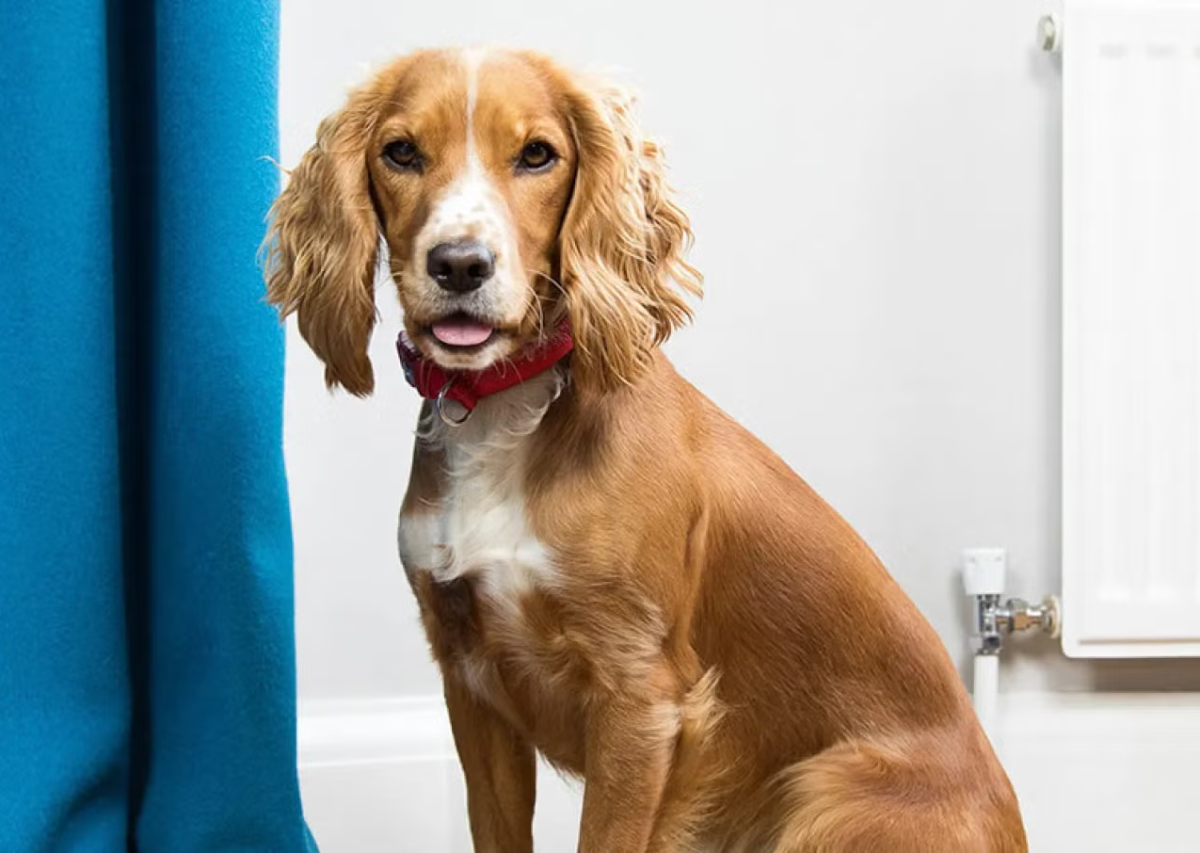
The "Rebellious" Phase: Behavioral Changes
During puberty, your dog begins to see the world through adult eyes. This often leads to a re-evaluation of their "strategy" for navigating life.
Selective Hearing: Commands like "Sit," "Stay," or "Come" that were once mastered might suddenly be ignored. It’s not that they’ve forgotten; they are simply testing boundaries.
Regression in Training: You might see lapses in potty training or leash manners.
The Fear Period: Things that were once normal—like a trash can or a bicycle—might suddenly trigger overreactions or intense fear.
Social Shifting: Hormones can make male dogs more competitive or aggressive. Testosterone levels in adolescent males can actually be higher than in fully grown adults!
Personality Magnification: A shy puppy may become more withdrawn, while a bold puppy might become overly confident or bossy.
- Puberty in Female Dogs: The Heat Cycle
- The Phenomenon of "False Pregnancy"
- Puberty in Male Dogs: Marking and Muscle
- How to Survive Your Dog’s Puberty
- Frequently Asked Questions (FAQ)
- 1. At what age do dogs go through puberty?
- 2. Why is my dog suddenly not listening anymore?
- 3. How long does dog puberty last?
- 4. What are common behavior changes during dog puberty?
- 5. When do female dogs go into heat for the first time?
- 6. How can I manage a female dog in heat?
- 7. What is false pregnancy in dogs?
- 8. Why do male dogs start marking indoors?
- 9. Should I spay or neuter my dog during puberty?
- 10. How can I train my dog during puberty?
Puberty in Female Dogs: The Heat Cycle
Female dogs typically experience their first "heat" (estrus) between 6 and 15 months of age, recurring roughly every seven months.
The Stages of the Cycle
Pro-oestrus (The Lead-up): Lasting about 9 days, you’ll notice a swollen vulva and some licking. She will attract males but will likely act aggressively if they try to mate.
Oestrus (The Fertile Stage): This is when "menstruation" occurs. You will see bloody discharge and enlarged mammary glands. During this 9-day window, she is highly fertile and actively looking to mate.
Care Tips for Females in Heat:
Keep Her Leashed: Even the best-trained dog might run away to find a mate during this time.
Avoid Carpets: Use "dog diapers" or restrict her access to carpeted areas to manage the discharge.
Walk at Off-Peak Hours: To avoid unwanted attention from male dogs, walk her when the parks are quiet.
The Phenomenon of "False Pregnancy"
A common but confusing part of dog puberty is Pseudopregnancy. This is when a female's body acts pregnant even though she isn't. It usually happens 10–12 weeks after her heat ends.
Signs to watch for:
"Nesting" behavior (trying to build a bed everywhere).
Becoming possessive over toys, treating them like "puppies."
Loss of appetite and lethargy.
Physical changes like milk production or a swollen abdomen.
Most cases resolve within two weeks, but if she becomes aggressive or physically ill, a visit to the vet is necessary.
Puberty in Male Dogs: Marking and Muscle
Unlike females, males don't have a "season"—once they hit puberty, they are ready to mate year-round.
Lifting the Leg: As testosterone rises, males stop "squatting" and start lifting their legs to mark territory.
Roaming Instincts: High testosterone can drive a male dog to escape the yard if he scents a female in heat nearby.
Physical Maturity: By 3 months, testicles usually descend into the scrotum. If they haven't by age one, consult your vet as this can lead to health complications.
How to Survive Your Dog’s Puberty
The key to getting through this phase is patience and consistency.
Go Back to Basics: Treat your adolescent dog like a puppy again. Re-train commands with high-value treats.
Stay Active: Use physical exercise and mental puzzles to burn off that restless "teenage" energy.
To Neuter or Not? Discuss the timing of spaying or neutering with your vet. For large breeds, waiting until after puberty can sometimes benefit bone development.
Show Love: Your dog is going through a confusing time. Reassuring them with affection helps keep their immune system and mood stable.
Frequently Asked Questions (FAQ)
1. At what age do dogs go through puberty?
Dogs typically enter puberty between 6 to 12 months of age, but this can vary by breed. Smaller breeds mature earlier, while larger breeds may not reach puberty until 18–24 months.
2. Why is my dog suddenly not listening anymore?
During puberty, dogs often show “selective hearing.” They are testing boundaries and becoming more independent, not forgetting their training. Consistent reinforcement is key during this phase.
3. How long does dog puberty last?
Dog puberty can last anywhere from a few months up to 1–2 years, depending on the dog’s size, breed, and individual development.
4. What are common behavior changes during dog puberty?
Typical changes include:
- Ignoring commands
- Increased energy or restlessness
- Fear of familiar objects (fear period)
- Aggression or dominance behaviors
- Marking territory (especially in males)
5. When do female dogs go into heat for the first time?
Female dogs usually experience their first heat cycle between 6 and 15 months of age. The cycle typically repeats every 6–8 months.
6. How can I manage a female dog in heat?
To manage a dog in heat:
- Keep her on a leash at all times
- Use dog diapers indoors
- Avoid dog parks or crowded areas
- Supervise her closely to prevent mating
7. What is false pregnancy in dogs?
False pregnancy (pseudopregnancy) occurs when a female dog shows signs of being pregnant without actually being pregnant. Symptoms may include nesting behavior, milk production, and mood changes.
8. Why do male dogs start marking indoors?
Male dogs begin marking territory due to rising testosterone levels during puberty. This is a natural behavior but can be managed with training and, in some cases, neutering.
9. Should I spay or neuter my dog during puberty?
The timing of spaying or neutering depends on your dog’s breed and health. It’s best to consult a veterinarian, as early or delayed procedures can have different effects on growth and behavior.
10. How can I train my dog during puberty?
Effective strategies include:
- Returning to basic training commands
- Using high-value rewards
- Staying consistent with rules
- Providing plenty of exercise and mental stimulation