
The Canine and Feline Travel Manifesto: Tactical Logistics, Mobile Biosecurity, and Motion Habituation for Long-Distance Pet Transport
2 months ago
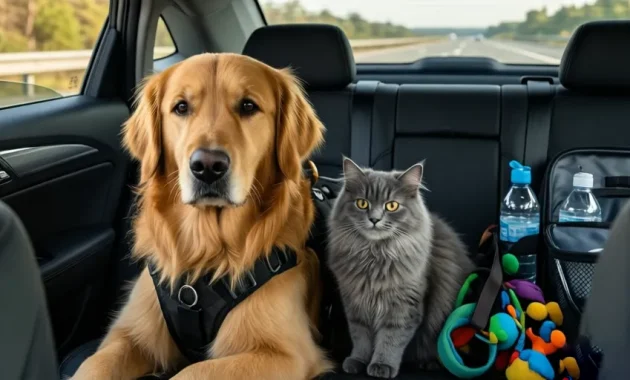
Taking domestic dogs and cats outside of their familiar home environment—whether for a brief trip to a local park or an extended cross-border journey—requires a careful look at stress management, physical safety, and behavioral preparation. For pet owners, traveling with animals is more than just a fun outing; it is a complex logistical task.
Domesticated carnivores are highly sensitive to changes in their territory. Sudden shifts in motion, barometric pressure, background noise, and environmental scents can easily trigger acute physiological stress. This anxiety can manifest as severe motion sickness, immune suppression, or flight-or-flight escape attempts.
┌───────────────────────────────────────────────────────────────────────────┐
│                    The Pet Travel Safety Framework                        │
├───────────────────────────────────────────────────────────────────────────┤
│  [ Short Trips ] ──► Builds Environmental & Motion Tolerance              │
│  [ Long Trips ]  ──► Requires Advanced Crating, Hydration & Climate Controls │
└───────────────────────────────────────────────────────────────────────────┘
To ensure your pets stay safe, calm, and healthy during travel, you must establish a comprehensive protocol. This technical guide breaks down the essential gear checklist, vehicular safety systems, and step-by-step habituation methods needed for long-distance travel with dogs and cats.
The Master Packing Matrix Field Equipment and Medical Logistics
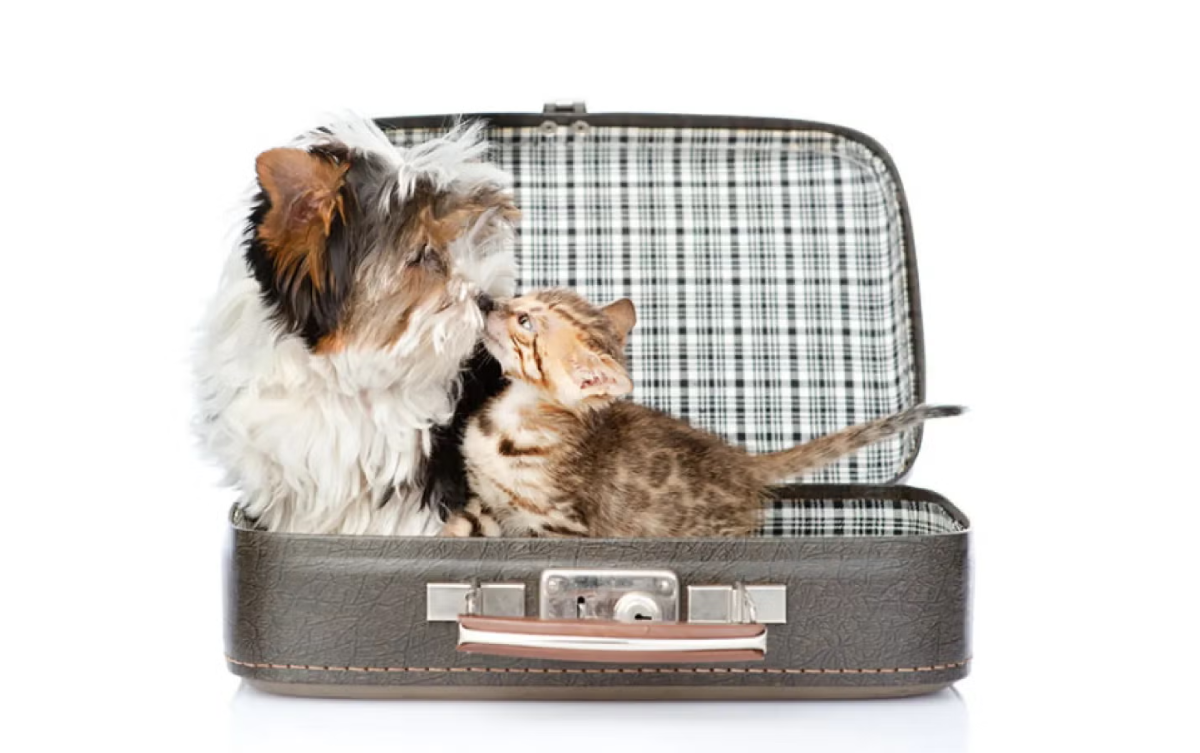
When packing for your pet, you must split your gear into two distinct kits: a Baseline Mobility Kit for short, local trips, and an Extended Transit Kit designed to maintain health and safety during long-distance travel.
                      [ Specialized Pet Travel Kits ]
                                     │
       ┌─────────────────────────────┴─────────────────────────────┐
       ▼                                                           ▼
 [ Baseline Mobility Kit ]                                  [ Extended Transit Kit ]
 ├── Daily Portion Control Food                             ├── Well-Ventilated Travel Crate
 ├── Sealed Bottled Water                                   ├── Stack of Absorbent Towels
 ├── Secure ID Collar & Leash                               ├── Familiar Climate Blankets
 └── Mobile Waste Management                                └── High-Resolution Identification
1. The Baseline Mobility Kit (Required for All Outings)
Portion-Controlled Nutrition: Pack your pet's regular food in airtight, waterproof containers. Sudden changes in their diet during travel can cause acute gastrointestinal distress and diarrhea.
Sealed Bottled Water: Always bring clean, bottled water from home. Letting your pet drink from unfamiliar natural streams, public bowls, or local tap water exposes them to harmful waterborne pathogens like Giardia or Leptospira.
Nursing Bottles (For Pediatric Care): If you are traveling with unweaned puppies or kittens, pack sterilized nursing bottles and specialized milk replacer formulas to maintain their strict feeding schedules.
Identification Collar and Mechanical Leash: Ensure your pet wears a heavy-duty collar with a securely engraved ID tag containing your current contact information. Never rely solely on an injected microchip for identification during travel.
Sanitation and Waste Management: Bring high-density waste bags, absorbent newspapers, and a compact travel litter box with familiar litter for cats to ensure clean waste disposal.
Veterinary First-Aid Kit: Pack an emergency medical kit containing self-adhesive bandages, sterile gauze, antiseptic wipes, tweezers for tick removal, and any prescription medications your pet requires.
Familiar Comfort Toy: Bringing your pet's favorite toy provides a reassuring, familiar scent that helps lower their stress levels in new environments.
2. The Extended Transit Kit (Required for Long-Distance Travel)
High-Ventilation Security Crate: Choose a rigid, airline-approved travel crate that features secure locking mechanisms and optimal ventilation slots on all four sides.
Absorbent Towels and Blankets: Pack several thick, absorbent towels to quickly clean up accidental spills or bathroom accidents, along with familiar blankets to help regulate your pet's body temperature in air-conditioned vehicles.
Recent Physical Identification Photos: Keep printed, high-resolution color photographs of your pet from multiple angles. If your pet escapes in an unfamiliar area, these photos are vital for search alerts and recovery efforts.
- 1. The Baseline Mobility Kit (Required for All Outings)
- 2. The Extended Transit Kit (Required for Long-Distance Travel)
Behavioral Engineering Motion Habituation and Stress Reduction
Animals rely heavily on consistent routines and established territories. Forcing an unconditioned dog or cat directly into a long-distance road trip can cause severe psychological trauma. You can prevent this by using a systematic, step-by-step training framework designed to build their confidence around travel.
[ Short Micro-Trips ] ──► Sensory Habituation ──► Long-Distance Competency
The Habituation Framework
Before planning a long trip across provinces or countries, help your pet build tolerance by organizing brief, low-stress micro-trips. Start by taking your dog or cat on short drives to local parks, dog-friendly beaches, or pet community events.
┌───────────────────────────────────────────────────────────────────────────┐
│                 Systematic Travel Conditioning Protocol                   │
├───────────────────────────────────────────────────────────────────────────┤
│  Step 1: In-Vehicle Scent Exploration (Engine Completely Off)            │
│  Step 2: Stationary Engine Hum Exposure (Zero Vehicle Motion)           │
│  Step 3: Low-Velocity Neighborhood Drives (Short 5-Minute Loops)          │
│  Step 4: Regional Highway Transit Extensions (Gradual Distance Boost)     │
└───────────────────────────────────────────────────────────────────────────┘
This step-by-step process helps kittens, puppies, and adult animals build positive associations with vehicular movement, unusual vibration patterns, and changing sounds. Gradually increasing their exposure to travel minimizes the risk of panic, excessive drooling, or vocal stress when it comes time for a long journey.
Vehicular Management Safety and Health Protocols for Road Travel
Operating a vehicle with unrestrained animals introduces serious safety risks for both the driver and the pets. A loose pet can easily block the foot pedals, distract the driver, or become a dangerous projectile during sudden braking. Implementing clear safety protocols keeps your vehicle secure and your pets comfortable.
                    [ Vehicular Pet Management Setup ]
                                     │
       ┌─────────────────────────────┼─────────────────────────────┐
       ▼                             ▼                             ▼
 [ Pediatric Placement ]         [ Adult Placement ]          [ Window Restrictions ]
 ├── Open-Top Safety Box        ├── Secured Back-Seat Harness ├── Fully Closed Windows
 └── Shock-Absorbing Lining     └── Zero Driver Interference  └── Eliminates Cornea Hazards
1. Age-Specific Placement Inside the Vehicle
Pediatric Guidelines (Puppies and Kittens): Young animals have fragile skeletal structures and are highly vulnerable to sudden movements. Transport them inside an open-top, padded box lined with shock-absorbing blankets on the floor or safely buckled onto a seat.
Adult Guidelines (Large and Small Breeds): Secure adult dogs—such as Golden Retrievers, Siberian Huskies, Pomeranians, or Rottweilers—and adult cats (Persian, Angora, or Siamese) across the rear passenger seats. Never allow an animal in the front passenger area, where deploying airbags can cause fatal injuries.
2. Secure Restraint Systems
Always use crash-tested pet seat belts or integrated crate tie-downs connected directly to the vehicle's standard seat belt buckles. This keeps your pet secure during sharp turns or sudden stops.
3. Window Security and Airflow
Keep your vehicle's windows completely closed or cracked open just a fraction of an inch during transit.
Open Window Exposure ──► High-Velocity Air Debris ──► Severe Corneal & Ear Lacerations
Allowing a dog to stick its head out of a moving car window exposes their eyes and ears to high-velocity dust, insects, and pebbles, which can cause severe corneal ulcers or internal ear damage.
4. Metabolic and Hydration Schedules
To reduce the risk of motion sickness and vomiting, feed your pet their last full meal exactly one hour before starting the trip.
[ Last Full Meal Given ] ──► (1-Hour Digestion Rest) ──► Safe Vehicle Departure
During the drive, provide small amounts of fresh water from your bottled supply at every rest stop to prevent dehydration, especially in vehicles running constant air conditioning.
5. Strict Rest Stop Intervals
Plan to pull over at a safe rest area every 2 hours without exception.
Drive 2 Hours ──► Mandatory Rest Stop ──► Leashed Potty Break & Hydration Access
Use these stops to lease your dog for a quick bathroom break, refresh your cat's water, and let them stretch their muscles. This regular routine lowers their stress levels and prevents restlessness.
6. The Core Heat Warning: Never Leave Pets Unattended
Never leave an animal alone inside a parked vehicle, even for a few minutes with the windows cracked.
[ Sunny 32°C Ambient Air ] ──► Greenhouse Internal Car Effect ──► Fatal Heatstroke (48°C+)
Inside a sealed vehicle, solar radiation creates a rapid greenhouse effect. The interior temperature can skyrocket past 48°C within minutes, causing irreversible brain damage, heatstroke, or death. If you must step away from your vehicle, a responsible adult must stay behind to monitor the pet and maintain running climate controls.
Comprehensive Travel Profiles by Breed and Species
Different breeds and species have unique physiological needs during travel. Use this detailed technical matrix to manage specific vulnerabilities and care requirements:
| Pet Category & Sample Breeds | Specific Physiological Vulnerability | Recommended Restraint System | Core Environmental Hazard | Special Care Requirements |
| Brachycephalic Breeds (Persian Cats, Pugs, Bulldogs) | Highly vulnerable to respiratory distress and heatstroke due to shortened airways. | High-ventilation rigid crate secured in the rear seat. | High temperatures and poor airflow. | Run constant air conditioning; monitor closely for heavy panting. |
| Large Working Breeds (Golden Retrievers, Huskies, Rottweilers) | High muscle mass can lead to restlessness and joint stiffness during long confinement. | Heavy-duty crash-tested harness linked directly to the seat belt. | Restricted movement and joint cramping. | Ensure strict 2-hour walking breaks to stretch muscles and lower stress. |
| Toy Breed Dogs (Pomeranians, Toy Chihuahuas) | Prone to sudden drops in blood sugar (hypoglycemia) and physical injury from shifts in motion. | Padded, small travel carrier buckled securely to the rear seat. | Physical impact from sudden braking. | Provide small, regular sips of water and minor snacks at rest stops. |
| Domestic Longhair Cats (Angora, Siamese, Mixed Longhair) | Highly sensitive to changes in territory; prone to stress-induced feline lower urinary tract issues. | Sealed, dark, well-ventilated cat carrier lined with familiar scents. | Loud background noises and direct sunlight. | Keep the carrier covered with a light blanket; play calming music to reduce anxiety. |
Technical Arrival Protocol: Securing the Vacation Destination
The moment you arrive at your destination—whether it is a public beach, a pet-friendly hotel room, or an open park—your pet enters an entirely unfamiliar territory filled with strange animals, new scents, and unpredictable hazards. To maintain full control and keep your pet safe, follow this immediate arrival protocol:
[ Vehicle Vehicle Arrival ] ──► Attach ID Leash Inside Car ──► Controlled Step-Out ──► Site Inspection
Before opening any vehicle doors or tailgates, attach your pet's secure leash directly to their ID collar while they are still inside the car.
An animal can easily panic and bolt the second the door opens, running directly into local traffic or getting lost in an unfamiliar environment. Keep your pet on a short leash during your initial walk around the new location, allowing them to safely investigate the perimeter while you scan the area for loose local animals, hidden drops, or debris.
Actionable Pre-Trip Checklist for Pet Owners
Before you turn the key and begin your next road trip with your dog or cat, verify that you have completed every item on this safety checklist:
[ ] Verify ID Collar Security: Double-check that your pet's collar fits properly and that the engraved ID tag lists your current, active mobile phone number.
[ ] Check Medication Supplies: Confirm you have packed an ample supply of any daily prescription medications your pet requires, along with their physical vaccination records.
[ ] Log a High-Resolution Photo: Take a clear, well-lit, up-to-date photograph of your pet on your phone to use for identification alerts in an emergency.
[ ] Secure the Travel Crate: Verify that your pet's travel crate or vehicle safety harness is properly buckled and locked into the rear passenger seats.
[ ] Pack Sealed Water and Food: Double-check that you have packed enough bottled water and pre-portioned food from home to last the entire duration of the trip.
[ ] Map Out Pet-Friendly Rest Stops: Pre-plan your driving route to include safe, pet-friendly rest areas or parks exactly every two hours along the way.
Summary: Designing a Safe, Stress-Free Travel Experience
Successfully traveling with your dog or cat comes down to careful preparation and a commitment to safety. By taking the time to condition your pets with short, positive micro-trips, investing in high-quality crates and crash-tested restraints, and following mandatory rest and hydration schedules, you protect them from unnecessary stress and physical harm.
Your pet relies entirely on your planning. By establishing clean boundaries, packing the right gear, and maintaining absolute control during arrivals, you ensure that every journey with your animal companions stays safe, healthy, and enjoyable from start to finish.