The Ultimate Guide to Grey Cat Breeds: Genetics, Personalities, and Care Protocols
1 day ago
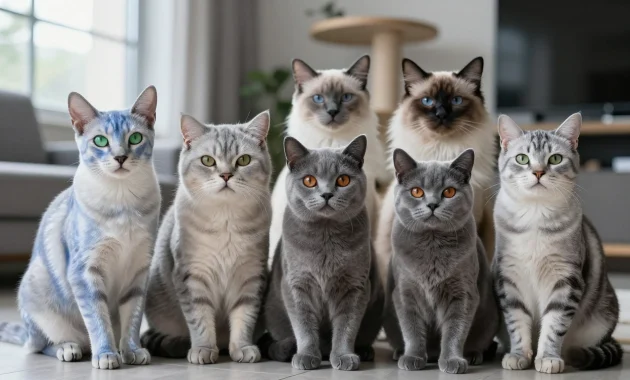
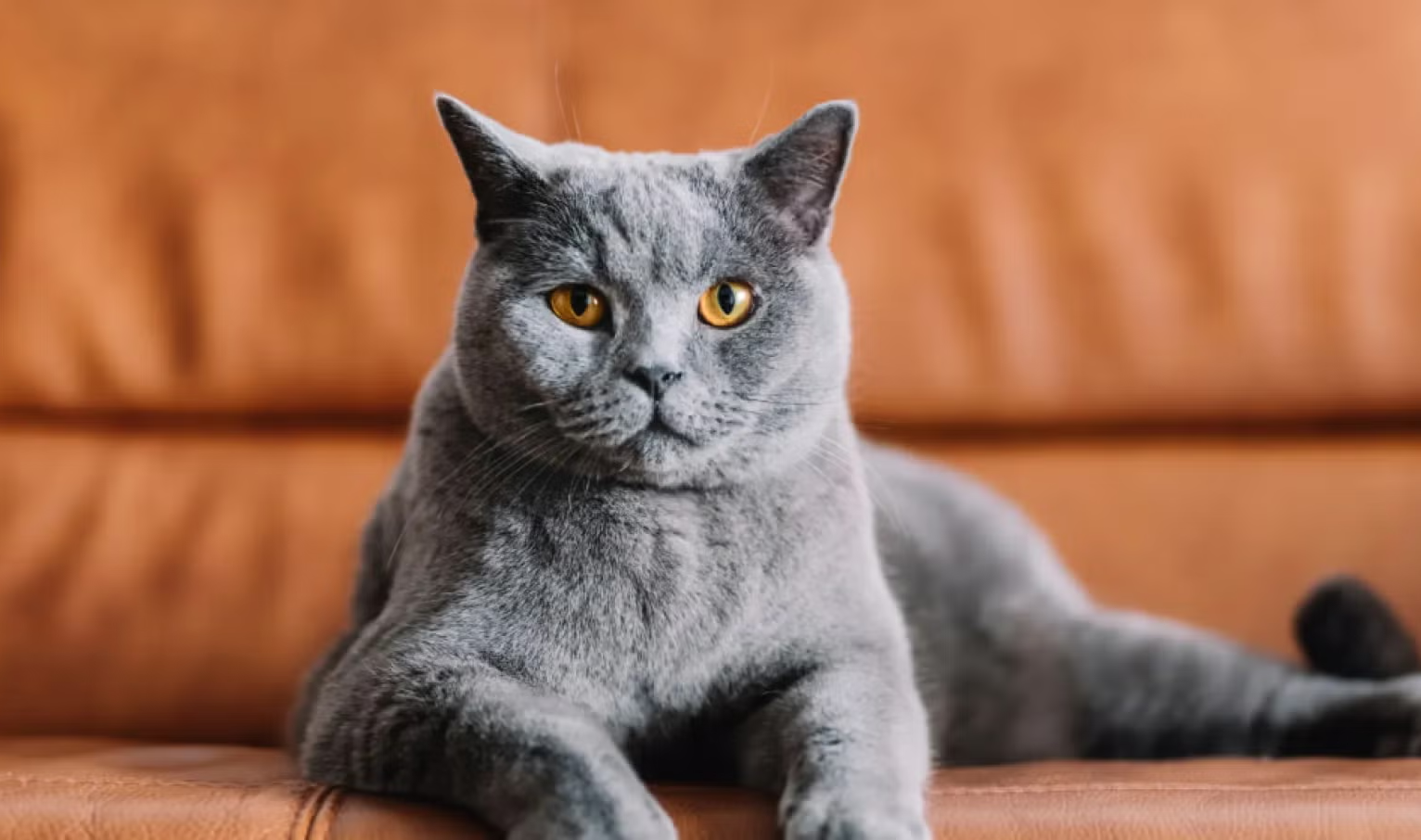
With their shimmering silver coats, striking eye colors, and regal presence, grey cats—often referred to in the feline world as "blue cats"—have captivated human admirers for centuries. From the quiet elegance of the Russian Blue to the robust physique of the British Shorthair, these cats offer a diverse spectrum of personalities, physical traits, and historical origins.
While a cat's coat color does not dictate its underlying health or basic biological needs, specific breeds that showcase grey fur often carry unique genetic profiles, grooming requirements, and social tendencies.
This comprehensive guide explores the genetics of grey coats, breaks down 7 prominent grey cat breeds, offers practical care tips, and answers common questions about these silver-coated felines.
- The Science of Grey Fur (The Dilute Gene)
- Comprehensive Breakdown of 7 Grey Cat Breeds
- Comparative Breed Overview
- Care and Grooming Recommendations
- Summary Protocol: Finding Your Match
- Frequently Asked Questions (FAQ)
- 1. Why are grey cats sometimes called "blue" cats?
- 2. What causes a cat to have a grey coat?
- 3. Are all grey cats the same breed?
- 4. Which grey cat breed is the most famous?
- 5. Are Russian Blue cats hypoallergenic?
- 6. What is the difference between a Russian Blue and a British Shorthair?
- 7. Which grey cat breed is best for families?
- 8. Which grey cat breed is the quietest?
- 9. Which grey cat breed is the most active?
- 10. Do grey cats require special grooming?
- 11. Why does the Russian Blue's coat appear shiny?
- 12. Can grey cats have different eye colors?
- 13. Do grey cats have unique health problems?
- 14. How can I keep a grey cat's coat shiny?
- 15. Why can grey cats develop a brownish coat?
- 16. Are Domestic Shorthair grey cats healthier than pedigree breeds?
- 17. Which grey cat breed is best for apartment living?
- 18. Are grey cats more affectionate than other cats?
- 19. What toys do grey cat breeds enjoy?
- 20. Which grey cat breed is right for me?
The Science of Grey Fur (The Dilute Gene)
In feline genetics, there is technically no standalone gene for "grey." Instead, grey fur is the result of a genetic mutation known as melanin dilution.
Feline Pigment Processing & Dilution:
┌─────────────────────────────────────────────────────────────┐
│ EUMELANIN PIGMENTATION (Base Black Gene)                    │
│ Dense distribution of eumelanin granules creates a solid    │
│ black coat in standard domestic cats.                       │
└──────────────────────────────┬──────────────────────────────┘
                               │
                               ▼
┌─────────────────────────────────────────────────────────────┐
│ RECESSIVE DILUTION GENE (dd Pair)                           │
│ The Melanophilin (MLPH) gene mutates, causing pigment       │
│ granules to clump unevenly along the hair shaft.            │
└──────────────────────────────┬──────────────────────────────┘
                               │
                               ▼
┌─────────────────────────────────────────────────────────────┐
│ VISUAL EXPRESSION: BLUE / GREY COAT                         │
│ Light passes through clumping hair structures, creating     │
│ the optical perception of slate grey, blue, or silver.      │
└──────────────────────────────┘
Key Genetic Principles
Recessive Inheritance: A kitten must inherit two copies of the dilute gene ($d$), one from each parent ($dd$), to display a grey or "blue" coat.
Optical Illusion of Color: The pigment itself remains black (eumelanin), but because the pigment clumps unevenly inside each hair strand, light reflects off the fur differently, turning visual black into shades of charcoal, slate, or shimmering lavender-blue.
Silver Tipping: Breeds like the Russian Blue carry a specialized hair structure where the tip of each hair shaft lacks pigment completely, creating a metallic, silver sheen when light hits the fur.
Comprehensive Breakdown of 7 Grey Cat Breeds
Grey Cat Breed Classification:
├── DEDICATED BLUE BREEDS (Only occur in grey/blue coats)
│   ├── Russian Blue   ➔ Short, dense double coat; vivid emerald-green eyes.
│   ├── Chartreux      ➔ Woolly texture; pumpkin/copper eyes; robust body.
│   ├── Korat          ➔ Heart-shaped head; silver-tipped blue coat; green eyes.
│   └── Nebelung       ➔ Long, silky coat; silver sheen; calm, devoted nature.
└── DIVERSE BREEDS WITH POPULAR BLUE VARIETIES
    ├── British Shorthair  ➔ Plush, teddy-bear coat; round face; copper eyes.
    ├── American Shorthair ➔ Athletic, muscular frame; low-maintenance coat.
    └── Domestic Shorthair ➔ Mixed ancestral pool; highly resilient health profile.
1. The Russian Blue
The Russian Blue is arguably the most famous grey cat breed in the world. Originating near the port city of Arkhangelsk in Northern Russia, these cats adapted to harsh cold climates by developing a dense, double-layered coat.
Physical Characteristics: Soft, short double coat with translucent silver tips; bright green eyes; large pointed ears; lean, muscular "foreign" body type.
Temperament: Reserved with strangers, deeply loyal to family members, prefers quiet routines.
Special Note: Russian Blues produce lower levels of the Fel d 1 protein in their saliva and dander, making them a popular choice for individuals with mild cat allergies.
2. The Chartreux
Hailing from France, the Chartreux is a historical breed associated with Carthusian monks. Legend holds that these quiet cats were kept in monasteries to control rodent populations.
Physical Characteristics: Dense, water-repellent woolly coat; expressive copper or orange eyes; deep chest and muscular shoulders often described as a "potato on toothpicks."
Temperament: Exceptionally quiet (rarely vocalizes), independent, calm, and adaptable. Excellent companion for working professionals.
3. The Domestic Shorthair
Domestic Shorthairs are not a formal pedigree breed, but rather non-pedigreed cats with diverse ancestral backgrounds. Grey and grey-tabby variants are extremely common.
Physical Characteristics: Varies widely; can feature solid grey, grey-and-white, or grey tabby patterns (stripes, swirls, or spots).
Temperament: Highly variable, ranging from playful and energetic to calm lap cats.
Genetics & Health: Thanks to heterosis (hybrid vigor), domestic shorthairs generally have broader gene pools, reducing the risk of inheriting breed-specific genetic disorders.
4. The British Shorthair
Famous for its plush, teddy-bear appearance, the British Shorthair is one of the oldest recognized European cat breeds. While available in many colors, the "British Blue" remains the iconic standard.
British Shorthair Physical Blueprint:
┌──────────────────────────────┬──────────────────────────────┐
│ FACIAL STRUCTURE             │ BODY & COAT                  │
│ • Round cheeks & broad jaw   │ • Compact, heavy-boned body  │
│ • Deep copper or amber eyes  │ • Crisp, dense single coat   │
│ • Short, broad muzzle        │ • Broad chest and short legs │
└──────────────────────────────┴──────────────────────────────┘
Temperament: Easygoing, patient, independent, and tolerant of children and other pets. They prefer lounging nearby over being picked up or carried.
5. The Korat
Originating in Thailand, the Korat is considered a symbol of good luck and prosperity. Known in its native land as Si-Sawat, it was traditionally presented to newlyweds as a wedding gift.
Physical Characteristics: Distinctive heart-shaped head; luminous peridot-green eyes; single coat of silver-blue fur that lies close to the body.
Temperament: Highly intelligent, observant, and deeply attached to their owners. They dislike loud noises and can get stressed if left alone for extended periods.
6. The Nebelung
Named after the German word for "creature of the mist" (Nebel), the Nebelung is essentially a long-haired variant of the Russian Blue, established as a distinct breed in the late 20th century.
Physical Characteristics: Medium-long, silky blue coat with silver tipping; long plumes on the tail; vivid green eyes.
Temperament: Gentle, soft-spoken, playful, and fond of routine. They form deep emotional bonds with their chosen human caregivers.
7. The American Shorthair
Descended from European cats brought by early settlers to protect cargo from rodents, the American Shorthair is a sturdy, working cat breed.
Physical Characteristics: Muscular, broad-chested frame; short, dense coat; broad head with wide-set eyes.
Temperament: Balanced, affectionate, playful, and low-maintenance. They retain strong hunting instincts and enjoy interactive puzzle toys.
Comparative Breed Overview
| Breed | Coat Type | Eye Color | Activity Level | Allergy-Friendly Potential |
| Russian Blue | Short, double coat | Emerald Green | Moderate | High (Low Fel d 1) |
| Chartreux | Medium, woolly | Copper / Orange | Moderate–Low | Standard |
| Domestic Shorthair | Short, single coat | Green, Yellow, Copper | Moderate–High | Standard |
| British Shorthair | Short, plush | Copper / Amber | Low–Moderate | Standard |
| Korat | Short, single coat | Green / Amber | High | Standard |
| Nebelung | Long, silky | Green | Moderate | Moderate |
| American Shorthair | Short, dense | Green, Gold, Hazel | Moderate | Standard |
Care and Grooming Recommendations
Maintaining a grey cat's coat health involves tailored nutrition, regular grooming, and routine veterinary care.
Daily & Weekly Care Framework:
├── GROOMING ROUTINE
│   ├── Short Coats (Russian Blue, Chartreux) ➔ Weekly brush with soft rubber curry brush.
│   └── Long Coats (Nebelung)                 ➔ 2-3x weekly combing with stainless steel comb.
├── NUTRITIONAL CARE
│   └── High-protein diet rich in Omega-3/6 fatty acids to maintain hair shine & skin health.
└── ENVIRONMENTAL HEALTH
    └── Interactive toys and scratching posts to meet mental stimulation needs.
Essential Maintenance Tips
Preventing Mats in Long-Haired Breeds: Nebelungs require regular combing around the belly and behind the legs to prevent painful matting.
Skin & Coat Nutrition: Ensure your cat's diet includes adequate levels of zinc and essential fatty acids (EPA/DHA) to maintain the natural sheen of their coat.
Indoor Safety: Keeping grey cats indoors protects their coat from sun-bleaching (which can turn grey fur slightly brownish or rusty over time) and protects them from outdoor hazards.
Summary Protocol: Finding Your Match
For Allergy Sufferers: Consider the Russian Blue.
For Quiet, Independent Homes: Look into the Chartreux or British Shorthair.
For Active, Interactive Companions: The Korat or American Shorthair are great fits.
For Long-Haired Elegance: The Nebelung offers a sleek, majestic appearance.
Whether non-pedigreed or pedigree, grey cats remain some of the most striking and cherished felines in the domestic world.
Frequently Asked Questions (FAQ)
1. Why are grey cats sometimes called "blue" cats?
In feline genetics and cat breed standards, the color commonly called grey is officially referred to as blue. This appearance is produced by a recessive dilution gene that lightens black pigment (eumelanin), creating shades ranging from soft silver to slate grey.
2. What causes a cat to have a grey coat?
Grey coats are caused by the recessive dilute gene (dd), which affects how black pigment is distributed within each hair shaft. Instead of being evenly dispersed, pigment granules clump together, allowing light to reflect differently and giving the coat its distinctive blue-grey appearance.
3. Are all grey cats the same breed?
No. Grey is a coat color, not a breed. Many breeds can have grey coats, including the Russian Blue, British Shorthair, Chartreux, Korat, Nebelung, American Shorthair, and Domestic Shorthair. Each breed has its own unique physical characteristics, personality, and care requirements.
4. Which grey cat breed is the most famous?
The Russian Blue is widely regarded as the world's most recognizable grey cat breed. It is admired for its plush silver-blue double coat, vivid emerald-green eyes, elegant body, and calm, affectionate personality.
5. Are Russian Blue cats hypoallergenic?
No cat is truly hypoallergenic. However, Russian Blues are believed to produce lower levels of the Fel d 1 protein, the primary allergen responsible for most cat allergies. Some individuals with mild allergies may tolerate them better than other breeds, although reactions vary from person to person.
6. What is the difference between a Russian Blue and a British Shorthair?
Although both may have blue-grey coats, they differ significantly:
- Russian Blue: Slim, graceful body, emerald-green eyes, dense double coat, and reserved personality.
- British Shorthair: Round face, stocky build, plush coat, copper or amber eyes, and calm, easygoing temperament.
These are entirely separate breeds with different breed standards.
7. Which grey cat breed is best for families?
The British Shorthair is often considered one of the best family cats due to its patient temperament, adaptability, and tolerance of children and other pets. American Shorthairs and Domestic Shorthairs also make excellent family companions.
8. Which grey cat breed is the quietest?
The Chartreux is known for being exceptionally quiet. Many owners report that these cats rarely meow and instead communicate through gentle body language and soft vocalizations.
9. Which grey cat breed is the most active?
Among the breeds discussed, the Korat is generally the most energetic. Korats enjoy climbing, interactive toys, puzzle feeders, and spending time actively engaging with their owners.
10. Do grey cats require special grooming?
Their grooming needs depend more on coat length than coat color.
- Short-haired breeds (Russian Blue, Chartreux, Korat, British Shorthair): Weekly brushing is usually sufficient.
- Long-haired breeds (Nebelung): Brushing two to three times per week helps prevent tangles and mats.
11. Why does the Russian Blue's coat appear shiny?
Russian Blues possess silver-tipped hairs, where the end of each hair shaft contains little or no pigment. This creates a reflective, metallic shimmer that gives the coat its distinctive glowing appearance.
12. Can grey cats have different eye colors?
Yes. Eye color depends on the breed rather than the coat color.
Examples include:
- Russian Blue – Emerald green
- Chartreux – Copper or orange
- British Shorthair – Copper or amber
- Korat – Green
- Nebelung – Green
- American and Domestic Shorthair – Green, gold, hazel, or copper
13. Do grey cats have unique health problems?
Grey coat color itself does not cause health issues. Health risks depend on the breed's genetic background rather than fur color. Regular veterinary checkups, balanced nutrition, and preventive care are essential for all cats regardless of coat color.
14. How can I keep a grey cat's coat shiny?
Maintain coat health by:
- Feeding a high-quality, protein-rich diet
- Providing Omega-3 and Omega-6 fatty acids
- Brushing regularly to remove loose hair
- Keeping your cat hydrated
- Scheduling routine veterinary examinations
Proper nutrition plays a significant role in maintaining a glossy coat.
15. Why can grey cats develop a brownish coat?
Prolonged sun exposure may gradually bleach the coat, causing some grey cats to develop a rusty or brownish tint. Keeping cats primarily indoors helps preserve their natural blue-grey coloration while also protecting them from outdoor hazards.
16. Are Domestic Shorthair grey cats healthier than pedigree breeds?
Domestic Shorthairs often benefit from a broader genetic pool, which may reduce the likelihood of certain inherited disorders. However, individual health still depends on genetics, lifestyle, nutrition, and preventive veterinary care.
17. Which grey cat breed is best for apartment living?
Several breeds adapt well to apartment life, including:
- British Shorthair
- Russian Blue
- Chartreux
- Nebelung
These breeds generally enjoy calm indoor environments, provided they receive sufficient enrichment and attention.
18. Are grey cats more affectionate than other cats?
Affection depends on breed, personality, and socialization, not coat color. Russian Blues and Nebelungs often form deep bonds with their owners, while British Shorthairs tend to prefer staying close without constantly seeking physical contact.
19. What toys do grey cat breeds enjoy?
Most grey breeds benefit from interactive enrichment such as:
- Feather wand toys
- Puzzle feeders
- Rolling treat dispensers
- Cat tunnels
- Climbing trees
- Scratching posts
- Interactive laser sessions (followed by a physical toy reward)
Mental stimulation helps prevent boredom and encourages healthy exercise.
20. Which grey cat breed is right for me?
Choosing the right breed depends on your lifestyle:
- Russian Blue: Best for allergy-sensitive households and quiet homes.
- British Shorthair: Excellent for families and first-time owners.
- Chartreux: Ideal for calm households seeking a quiet companion.
- Korat: Perfect for active owners who enjoy interactive play.
- Nebelung: Great for those wanting a long-haired, devoted companion.
- American Shorthair: Balanced, adaptable, and playful.
- Domestic Shorthair: Healthy, diverse, and available through shelters in many beautiful grey variations.