The Clinical Landscape of Feline Bacteriology: Pathophysiology, Systemic Manifestations, and Modern Antimicrobial Stewardship
2 months ago
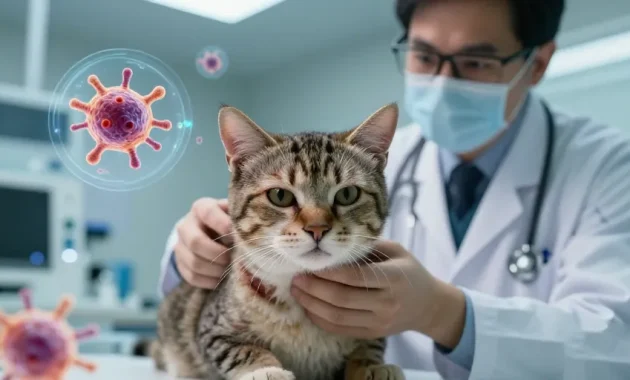
To the untrained eye, a cat’s sudden descent into illness can seem baffling. One day they are energetic hunters; the next, they are curled in a tight ball, refusing food, and radiating heat. While viral entities often dominate conversations about feline health, microscopic bacterial organisms—both native and exotic—silently drive a massive portion of companion animal casework.
Bacteria are a fundamental component of life on Earth. The vast majority of these single-celled organisms are entirely benign, and millions form essential symbiotic relationships within the feline microbiome, aiding in nutrient digestion and skin barrier defense. However, when specific pathogenic strains break through a cat's immune barriers, they rapidly replicate, creating localized or systemic infections that demand precise clinical identification and management.
This veterinary-focused masterclass explores the complex dynamics of feline bacterial pathology. We will dissect how cats contract bacterial diseases, analyze organ-specific clinical symptoms, evaluate modern diagnostic protocols, and address the critical responsibilities of antibiotic stewardship in an era of rising microbial resistance.
                  THE SEEDING OF PATHOGENIC COLONIZATION
[Exposure to Pathogenic Strain] ──► [Breach of Mucosal/Cutaneous Barrier]
                                              │
                                              ▼
[Systemic Inflammatory Response] ◄── [Rapid Intracellular/Extracellular Replication]
Mechanisms of Transmission How Felines Contract Bacterial Diseases
Cats live in a microbial soup, coming into contact with thousands of bacterial cells during daily grooming, playing, and hunting. For a bacterial infection to establish itself, the pathogen must bypass the cat's primary physical and immunological defenses. Transmission typically occurs through several distinct environmental and behavioral pathways:
                  PATHOGENIC ENTRY INFRASTRUCTURE
                                │
     ┌──────────────────────────┼──────────────────────────┐
     ▼                          ▼                          ▼
[ Fecal-Oral Vector ]     [ Cutaneous Breach ]       [ Arthropod Vector ]
 Contaminated water,       Bites, scratches, or       Fleas and ticks injecting
 raw meat, or fomites      deep puncture wounds       intracellular organisms
1. The Fecal-Oral and Nutritional Pathway
Ingestion remains a primary method of bacterial introduction. Cats that consume contaminated water, hunt wild rodents, or are fed a raw meat diet are routinely exposed to high concentrations of aggressive enteropathogens. Strains of Salmonella, Campylobacter, and pathogenic Escherichia coli (E. coli) possess specialized survival mechanisms that allow them to endure the initial stomach acid wash and colonize the small and large intestines.
2. Cutaneous and Traumatic Penetration
The skin is a cat’s largest protective organ, but territorial fighting or environmental accidents easily breach this barrier. Cat bites and deep scratches inject oral bacteria—such as Pasteurella multocida, Staphylococcus, and Streptococcus—deep into subcutaneous tissues. Because cat canine teeth act like organic hypodermic needles, the wound punctures seal over quickly at the surface, trapping bacteria in a warm, oxygen-depleted (anaerobic) environment that is perfect for abscess formation.
3. Vector-Borne and Ectoparasite Infiltration
Blood-feeding arthropods serve as efficient transport systems for highly specialized bacteria. Fleas and ticks transmit unique, intracellular organisms directly into the feline bloodstream during a blood meal. The most notable example is Bartonella henselae, the causative agent of bartonellosis, which hitches a ride inside flea dirt and enters the cat's body via scratching or biting at the skin.
4. Immune Vulnerability Factors
A healthy adult cat possesses an incredibly resilient immune system. However, specific systemic factors drop these defenses, leaving the animal open to opportunistic infections:
Pediatric and Geriatric Life Stages: Neonatal kittens lack fully developed immunological memory, while senior cats suffer from natural immune decline (immunosenescence).
Retroviral Co-infections: Cats infected with Feline Leukemia Virus (FeLV) or Feline Immunodeficiency Virus (FIV) suffer from severe white blood cell suppression, rendering them incapable of fighting off low-grade environmental bacteria.
Concurrent Chronic Disease: Underlying metabolic disorders like chronic kidney disease (CKD), diabetes mellitus, or hyperthyroidism exhaust the body's healing resources, giving bacteria a foothold.
- 1. The Fecal-Oral and Nutritional Pathway
- 2. Cutaneous and Traumatic Penetration
- 3. Vector-Borne and Ectoparasite Infiltration
- 4. Immune Vulnerability Factors
- 1. Can I use leftover antibiotics from my dog or a previous illness for my sick cat?
- 2. My cat's diarrhea returned immediately after finishing their antibiotic course. Why?
- 3. How long does it take for a systemic antibiotic to start showing improvement in a cat?
- 4. Why are antibiotics avoided when treating a viral upper respiratory infection (flu)?
Organ-Specific Pathological Manifestations
Because bacteria can migrate into any fluid pathway or tissue matrix, the clinical signs of an infection vary wildly depending on the organ system targeted. Understanding these localized symptoms allows for a faster, more accurate diagnostic triage.
                   THE ANATOMICAL INFECTION SPECTRUM
┌──────────────────────────────────────┐    ┌──────────────────────────────────────┐
│      Respiratory Tract Domain        │    │       Gastrointestinal Domain        │
├──────────────────────────────────────┤    ├──────────────────────────────────────┤
│ • Hypersecretion of ocular/nasal fluid│    │ • Acute emesis and loose, fluid stool│
│ • Sneezing and violent coughing      │    │ • Rapid loss of cellular hydration   │
└──────────────────────────────────────┘    └──────────────────────────────────────┘
┌──────────────────────────────────────┐    ┌──────────────────────────────────────┐
│         Dermatological Domain        │    │         Oral & Dental Domain         │
├──────────────────────────────────────┤    ├──────────────────────────────────────┤
│ • Erythema, purulent exudate, scabs  │    │ • Severe halitosis and ptyalism      │
│ • Fluctuant subcutaneous abscesses   │    │ • Intense pain upon mastication      │
└──────────────────────────────────────┘    └──────────────────────────────────────┘
1. Upper and Lower Respiratory Tract Infections
Bacterial rhinitis, conjunctivitis, and bronchopneumonia often present as part of the Feline Respiratory Disease Complex (FRDC). Primary bacterial agents like Chlamydia felis and Bordetella bronchiseptica (along with secondary opportunists) attack the ciliated epithelial cells lining the nasal passages and trachea.
Key Symptoms: Bilateral mucopurulent (thick, yellow/green) ocular and nasal discharge, violent sneezing, open-mouth breathing, audible lung crackles, and a persistent, harsh cough.
2. Gastroenteritis and Enteric Disturbances
When pathogenic bacteria overwhelm the native gut microbiome, they alter the delicate fluid balance of the intestines, leading to severe inflammation of the mucosal lining.
Key Symptoms: Profuse, watery, or hemorrhagic (bloody) diarrhea, projective vomiting (emesis), abdominal tenderness, complete lack of appetite (anorexia), and a distinct, foul, metallic odor to the feces.
3. Integumentary and Otic Pathologies
The feline skin and ear canals are prone to localized bacterial overgrowth when moisture, allergies, or structural trauma alter the surface ecosystem. Species of Staphylococcus and Streptococcus are the usual culprits behind these surface and deep tissue infections.
Key Symptoms: Intense localized itching (pruritus), hair loss (alopecia), surface scaling, red skin (erythema), oozy spots (hot spots), foul-smelling ear discharge, and fluctuant, painful subcutaneous abscesses.
4. Maxillofacial and Periodontal Infections
Untreated dental disease allows specialized oral bacteria to build heavy biofilms on the teeth, eventually invading the deep periodontal pockets and root structures.
Key Symptoms: Extreme bad breath (halitosis), excessive drooling (ptyalism), dropping food while eating, visible vocalizations of pain when opening the mouth, and purulent pocketing along the gumline.
5. Lower Urinary Tract Infections (UTIs) vs. Idiopathic Cystitis
Urinary tract infections occur when environmental bacteria (frequently E. coli traveling upward from the perineum) ascend the urethra and colonize the bladder wall.
Critical Diagnostic Boundary: In cats under the age of 10, less than 5% of lower urinary tract signs are caused by an actual bacterial infection. The vast majority of younger feline urinary issues are caused by Feline Idiopathic Cystitis (FIC)—a sterile, neurogenic inflammatory condition deeply linked to environmental stress and bladder lining anomalies. Prescribing antibiotics for these younger patients without a confirmed culture is a major error in clinical judgment that contributes to resistance. Conversely, in cats over 10 years old, true bacterial UTIs become much more common due to reduced urine concentration capacities associated with aging kidneys.
True Bacterial UTI Symptoms: Increased frequency of urination (pollakiuria), urinating outside the litter box (periuria), visible blood in the urine (hematuria), and straining to urinate (stranguria), often causing the cat to cry out in pain.
Deep Dive into Key Bacterial Genera Affecting Felines
To treat a bacterial disease successfully, you must understand the specific enemy you are fighting. The following five genera represent the most clinically significant bacterial threats encountered in feline medicine:
1. Salmonella (Species: S. enterica)
Gram Status & Morphology: Gram-negative, rod-shaped, motile bacillus.
Pathology: Frequently contracted via raw food diets or scavenging wild birds. It produces powerful enterotoxins and cytotoxins that destroy intestinal epithelial cells. It can cross the intestinal barrier into the bloodstream, causing life-threatening sepsis (salmonellosis).
2. Campylobacter (Species: C. jejuni, C. coli)
Gram Status & Morphology: Gram-negative, comma or spiral-shaped, microaerophilic bacterium.
Pathology: Primarily targets kittens and young cats in crowded shelter environments. It invades the mucus lining of the colon and ileum, disrupting normal fluid absorption and causing mucoid, blood-flecked diarrhea.
3. Staphylococcus (Species: S. pseudintermedius, S. aureus)
Gram Status & Morphology: Gram-positive, coccus-shaped, forming grape-like clusters.
Pathology: A normal resident of feline skin that turns into an opportunistic pathogen if the skin barrier is damaged by scratching, flea bites, or allergies. It leads to superficial pyoderma, deep tissue infections, and non-healing wound tracks.
4. Streptococcus (Species: S. canis, S. pyogenes)
Gram Status & Morphology: Gram-positive, coccus-shaped, forming long cellular chains.
Pathology: Responsible for a wide range of soft-tissue infections, neonatal septicemia ("fading kitten syndrome"), and severe respiratory infections. Certain strains are highly efficient at forming deep tissue abscesses.
5. Escherichia coli (E. coli)
Gram Status & Morphology: Gram-negative, rod-shaped, facultative anaerobic bacillus.
Pathology: The primary agent isolated in feline ascending urinary tract infections and pyometra (uterine infection). Specialized uropathogenic strains of E. coli use hair-like structures called fimbriae to lock onto the lining of the bladder, preventing them from being flushed out during urination.
The Diagnostic Triad Moving Beyond Clinical Guesswork
A veterinarian can easily suspect a bacterial infection based on a physical exam and a cat's medical history, but a definitive diagnosis requires objective laboratory confirmation. Treating a sick cat based on guesswork can mask underlying viral issues or lead to the wrong treatment plan.
                     THE LABORATORY DIAGNOSTIC FLUIDS
  [ Cytological Sweep ] ──► Direct Microscopic View of Cellular Morphologies
                                       │
                                       ▼
  [ Microbial Culture ] ──► Isolation & Environmental Growth of Target Strains
                                       │
                                       ▼
  [ Sensitivity Panel ] ──► Exposure to Active Antimicrobial Disks (Zone Minimums)
1. In-House Cytology
The fastest way to confirm the presence of bacteria is through direct microscopic evaluation. Your veterinarian may take a sterile swab of an infected ear canal, press a slide directly onto an oozing skin lesion (impression smear), or perform a fine-needle aspiration of an undrained abscess.
Once the sample is stained (using a Diff-Quik or Gram stain matrix), the clinician can view it under oil immersion ($1000\times$ magnification) to visually confirm the presence of bacterial cells and see if they are being actively engulfed by neutrophils (white blood cells), which proves an active immune response is underway.
2. Aerobic and Anaerobic Culture Testing
To pinpoint the exact genus and species causing the illness, a sterile sample must be sent to an external diagnostic laboratory for culturing. The lab places the sample onto specialized agar plates (such as Blood Agar or MacConkey Agar) that provide the ideal temperature and nutrient conditions for the bacteria to multiply into visible colonies. This step is critical for distinguishing between simple environmental contaminants and true pathogenic invaders.
3. Antimicrobial Sensitivity Testing (The Kirby-Bauer Disc Diffusion)
Once the target bacteria have been grown and isolated, they undergo a sensitivity panel. The isolated bacteria are spread evenly across a new testing plate, and tiny paper discs saturated with precise doses of different antibiotics are placed on top.
By measuring the diameter of these zones, pathologists can accurately classify the infection's response to each medication:
Comprehensive Treatment Modalities and Formulations
Once the bacteria are identified and their vulnerabilities mapped, a targeted treatment plan is put into action. Modern veterinary medicine utilizes several distinct delivery methods to clear infections safely and effectively.
                  ANTIMICROBIAL DELIVERY INFRASTRUCTURE
                                │
     ┌──────────────────────────┼──────────────────────────┐
     ▼                          ▼                          ▼
[ Oral Pill/Liquid ]      [ Long-Acting Injectable ] [ Topical Ointment ]
 Standard home care        Convenia (cefovecin)       Direct, high-dose focus
 for 7 to 14 days          delivering 14-day shield   for eyes, ears, or skin
1. Systemic Oral Antibiotics
Oral tablets, capsules, or flavored liquids remain the cornerstone of home-based veterinary care. Common broad-spectrum choices include Amoxicillin/Clavulanic acid (Clavamox), Clindamycin (excellent for oral infections and deep abscesses), and Marbofloxacin or Pradofloxacin (potent fluoroquinolones reserved for deep, resistant infections). These medications generally require consistent dosing once or twice daily for 7 to 14 consecutive days.
2. Long-Acting Injectable Solutions
For fractious cats that cannot be pilled safely, or for owners who struggle to administer oral medications, long-acting veterinary injections are an excellent alternative. The most widely utilized option is Convenia (cefovecin sodium), a third-generation cephalosporin.
A single subcutaneous injection releases the drug continuously into the bloodstream, maintaining therapeutic levels for up to 14 full days. This injection is highly effective for treating deep skin abscesses, severe wounds, and confirmed bacterial urinary tract infections.
3. Topical and Localized Treatment Options
When an infection is confined to a specific surface area, topical treatments allow veterinarians to deliver highly concentrated doses of antimicrobials directly to the site of infection without exposing the entire body to the drug. This includes antibiotic ophthalmic ointments (like Terramycin) for eye infections, antiseptic ear drops (containing polymyxin B or orbifloxacin) for ear infections, and specialized chlorhexidine rinses or creams for localized skin fold pyodermas.
The Global Crisis of Antibiotic Resistance in Companion Animals
The rise of antibiotic-resistant bacteria is one of the most pressing challenges facing modern human and veterinary medicine. Decades of overprescribing antibiotics—such as using them "just in case" for sterile inflammatory conditions or viral infections—have forced bacteria to adapt and develop highly effective defense mechanisms.
                 MECHANISMS OF BACTERIAL DEFENSE
┌──────────────────────────────────────┐    ┌──────────────────────────────────────┐
│        Beta-Lactamase Shield         │    │          Efflux Pump System          │
├──────────────────────────────────────┤    ├──────────────────────────────────────┤
│ • Bacteria secrete chemical enzymes  │    │ • Transmembrane protein pumps launch │
│ • Actively tears penicillin rings    │    │ • Snatch incoming antibiotic molecules│
│ • Renders drug completely useless    │    │ • Discard them out before damage done│
└──────────────────────────────────────┘    └──────────────────────────────────────┘
1. Cellular Defense Mechanisms
Bacteria develop resistance through clever genetic mutations. Some strains learn to produce enzymes like beta-lactamase, which physically deactivates standard penicillins. Others develop advanced efflux pumps—specialized proteins in their cell membranes that actively grab antibiotic molecules and pump them right back out of the cell before they can do any harm.
2. The Danger of Superbugs: MRSA and Beyond
This evolutionary arms race has created dangerous "superbugs," such as Methicillin-Resistant Staphylococcus aureus (MRSA) and Methicillin-Resistant Staphylococcus pseudintermedius (MRSP). These strains are completely immune to standard first-line antibiotics, making infections incredibly difficult to treat and requiring expensive, last-resort medications.
3. Guidelines for Responsible Antibiotic Stewardship
To protect the efficacy of these life-saving drugs for future generations, veterinarians and pet owners must commit to strict antibiotic stewardship protocols:
Finish the Entire Prescription: Always administer every single dose of an antibiotic exactly as prescribed by your vet, even if your cat's symptoms clear up completely after just a few days. Stopping treatment early allows the strongest, most resilient bacteria to survive, mutate, and return as a resistant infection.
Insist on Culture Testing: Support your veterinarian’s recommendation to run a culture and sensitivity test up front rather than pressuring them for a quick, blind prescription of broad-spectrum antibiotics.
Acknowledge the Limits of Antibiotics: Understand that antibiotics are completely useless against viral infections (like Feline Calicivirus or Herpesvirus). Using them to treat a virus does not help your cat; it only disrupts their beneficial gut bacteria and increases the risk of resistance.
The Veterinary Reference Matrix for Feline Antibiotic Therapy
This clinical lookup matrix synthesizes the target systems, primary bacterial targets, and standard treatment options across the entire spectrum of feline veterinary diagnostics.
Zoonotic Risks Can You Contract a Bacterial Infection From Your Cat?
While most feline bacterial infections are completely host-specific and pose zero danger to humans, there are a few important zoonotic exceptions where bacteria can pass from a cat to a human.
                  THE ZOONOTIC TRANSFER PATHWAYS
                                │
     ┌──────────────────────────┴──────────────────────────┐
     ▼                                                     ▼
[ THE BARTONELLA PATHWAY ]                    [ THE ENTERIC VECTOR PATHWAY ]
 ├── Scratch or deep bite transmission         ├── Direct handling of infected feces
 ├── Causes regional lymphadenopathy           ├── Triggers acute human gastroenteritis
 └── Commonly known as Cat Scratch Disease     └── High risk in raw fed feline households
1. Bartonella henselae (Cat Scratch Disease)
If an active, flea-infested cat carrying Bartonella henselae scratches or bites a human, or licks an open wound, they can transmit the bacteria to the human, causing Cat Scratch Disease (CSD). In humans, this infection leads to painful, swollen lymph nodes near the scratch site, fever, fatigue, and headaches.
While healthy adults usually recover without major complications, CSD can be severe or even life-threatening for immunocompromised individuals. Maintaining consistent, year-round flea prevention on your cat is the most effective way to eliminate this risk completely.
2. Enteric Zoonoses (Salmonella and Campylobacter)
Humans can contract acute food poisoning by coming into direct contact with the feces of an infected cat (such as when cleaning the litter box) and accidentally transferring the bacteria to their mouth via unwashed hands. This risk is significantly higher in households that feed their cats a raw meat diet.
To protect your family, always scoop the litter box using a dedicated plastic shovel, wash your hands thoroughly with antibacterial soap immediately afterward, and avoid kissing your cat near their mouth.
Clinical case histories show that cats living in very close contact with humans can occasionally act as asymptomatic carriers for human pathogens like Group A Streptococcus or MRSA. In these rare scenarios, a cat can carry the bacteria on their skin or in their nasal passages without ever showing signs of illness themselves.
If a human family member suffers from chronic, recurring infections that keep coming back after treatment, veterinarians and human physicians often work together to test the household pets. Treating the asymptomatic carrier pet alongside the human family members is often the missing key to clearing the infection from the home permanently.
Bacterial Infection Recovery Frequently Asked Questions (FAQ)
1. Can I use leftover antibiotics from my dog or a previous illness for my sick cat?
Absolutely not. Never administer unprescribed or leftover antibiotics to a cat. Dosages are calculated with extreme precision based on the cat's exact body weight, species-specific metabolic rates, and the targeted tissue zone of the infection. Furthermore, certain antibiotics that are perfectly safe for dogs or humans (such as some fluoroquinolones) can cause permanent blindness or irreversible kidney damage in cats if dosed incorrectly. Always use a fresh prescription provided by your veterinarian for that specific illness.
2. My cat's diarrhea returned immediately after finishing their antibiotic course. Why?
This issue typically occurs for two common reasons. First, the treatment may have been stopped before every single bacterium was wiped out, allowing the most resilient organisms to multiply again. Second, the antibiotic may have disrupted the balance of beneficial gut bacteria, leading to a state of chronic imbalance (dysbiosis).
Contact your veterinarian to run a follow-up fecal culture test, and consider introducing a high-quality veterinary probiotic to help rebuild their native gut microbiome.
3. How long does it take for a systemic antibiotic to start showing improvement in a cat?
In most acute bacterial infections, you should see noticeable clinical improvement within 48 to 72 hours of starting the medication. You may notice your cat's fever breaking, their energy returning, or their appetite improving. If your cat shows no improvement, or if their symptoms worsen after three full days of consistent dosing, contact your veterinarian immediately. This lack of response indicates that the bacteria may be resistant to the chosen drug, requiring an updated sensitivity panel.
Antibiotics are engineered to target and destroy specific structural components of bacterial cells, such as their cell walls or internal protein factories. Because viruses have completely different biological structures, antibiotics have zero effect on viral pathogens.
Using antibiotics to treat a viral infection provides no medical benefit to your cat; instead, it unnecessarily exposes their system to potential side effects like nausea or diarrhea and contributes to the global rise of antibiotic resistance. Antibiotics are only prescribed during a viral infection if your vet confirms that a secondary bacterial infection has taken advantage of your cat's weakened immune system.