The Masterclass Guide to Feline Wellness: Advanced Protocols for Health and Happiness
3 weeks ago

Welcoming a cat into your home brings immense joy, but raising a thriving, emotionally balanced, and physically healthy feline companion requires structured management, financial foresight, and evidence-based care. Felines are evolutionary masters at masking physical discomfort and stress, meaning a proactive, comprehensive maintenance routine is essential to prevent chronic illness and behavioral degradation.
This masterclass manual breaks down long-term care management, implements a 10-point daily and preventative health checklist, establishes strict life-stage feeding protocols, and details critical dietary toxicities every owner must memorize.

- 1. Pre-Adoption Architecture: Commitment and Breed Typing
- 2. The 10-Point Feline Wellness Protocol
- 1. Proactive Clinical Screening
- 2. Immunological Programming (Vaccination)
- 3. Precision Species-Specific Nutrition
- 4. Hydration Engineering
- 5. Periodontal Maintenance
- 6. Cognitive and Motor Enrichment
- 7. Sanitation and Litter Box Architecture
- 8. Mechanical Coat Grooming
- 9. Parasitological Shielding
- 10. Secure Environmental Design
- 3. Life-Stage Dietary Schedules and Frequencies
- 4. Toxicological Matrix: Forbidden Foods
- Summary of Core Feline Care Requirements
- FAQ
- 1. How often should I take my cat to the veterinarian?
- 2. What vaccines does my cat need?
- 3. How long do cats typically live?
- 4. How many times a day should I feed my cat?
- 5. Is free-feeding dry food a good idea?
- 6. Why is taurine so important for cats?
- 7. How can I encourage my cat to drink more water?
- 8. Why should water bowls be placed away from food?
- 9. How many litter boxes should I have?
- 10. How often should I clean the litter box?
- 11. How often should I brush my cat?
- 12. Why do cats develop hairballs?
- 13. Do indoor cats need parasite prevention?
- 14. How much exercise does my cat need?
- 15. What types of toys are best for cats?
- 16. Why are scratching posts important?
- 17. Can cats drink cow's milk?
- 18. Why is chocolate dangerous for cats?
- 19. Are onions and garlic toxic to cats?
- 20. Can cats eat grapes or raisins?
- 21. Is dog food safe for cats?
- 22. How can I make my home safer for my cat?
- 23. What are common signs that my cat may be sick?
- 24. Why are routine wellness exams important if my cat seems healthy?
- 25. What is the most important rule for keeping a cat healthy?
1. Pre-Adoption Architecture: Commitment and Breed Typing
Before implementing daily care, you must analyze your structural readiness across two primary pillars:
Pre-Adoption Architecture
├── 1. Resource Architecture ➔ Lifespan budgeting (Medical, Nutrition, Infrastructure)
└── 2. Phenotypic Architecture ➔ Match breed characteristics to environmental capacity
Resource Allocation: Felines regularly live between 12 to 20 years. Committing to a cat means securing long-term capital for premium species-specific nutrition, preventative veterinary health diagnostics, emergency medical intervention, and environmental enrichment infrastructure.
Phenotypic Profiling (Breed Typing): Feline coat structures and genetic profiles dictate labor requirements. Long-haired breeds (e.g., Persians, Maine Coons) require complex daily mechanical deshedding to prevent painful pelt matting and gastrointestinal trichobezoars (hairballs). Short-haired breeds require less surface coat maintenance but may demand higher mental engagement depending on their energy phenotypes (e.g., Siamese, Bengals).
2. The 10-Point Feline Wellness Protocol
To achieve comprehensive health and maximize lifespan, integrate this 10-point preventative framework into your management routine:
1. Proactive Clinical Screening
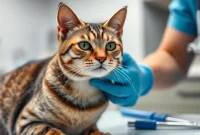
Schedule comprehensive veterinary examinations annually for adult cats, and bi-annually for pediatric or geriatric individuals. Regular diagnostics enable early detection of stealth pathologies such as Feline Lower Urinary Tract Disease (FLUTD), Chronic Kidney Disease (CKD), and asymptomatic cardiac murmurs.
2. Immunological Programming (Vaccination)
Maintain a strict Core Vaccine schedule (FVRCP: Feline Viral Rhinotracheitis, Calicivirus, and Panleukopenia) along with the Rabies vaccine. This establishes a robust cellular defense system, minimizing the risk of airborne or cross-contaminated viral infections.
3. Precision Species-Specific Nutrition
Provide a biologically appropriate diet rich in animal-derived proteins and amino acids like taurine (essential for myocardial function and retinal health). Minimize excessive carbohydrates to avoid feline obesity and Type-II Diabetes Mellitus.
4. Hydration Engineering
Cats possess a low biological thirst drive, leaving them vulnerable to chronic sub-clinical dehydration.
The Strategy: Provide multiple wide, shallow water stations away from their food source (as cats instinctively avoid water near prey locations). Use dynamic water fountains to stimulate drinking behaviors, or utilize moisture-rich wet food to meet fluid requirements.
5. Periodontal Maintenance
Felines are highly susceptible to periodontal disease, resorptive lesions, and gingivitis.
The Action: Introduce mechanical brushing using specialized enzymatic, non-foaming feline toothpaste (never use human toothpaste, which contains toxic foaming agents and artificial sweeteners). Offer dental chews designed to scrape away soft plaque biofilm before it calcifies into calculus.
6. Cognitive and Motor Enrichment
Prevent boredom and behavioral issues by supplying complex toys, scratching surfaces, and vertical perches. Engaging your cat in structured play sessions that mimic the natural predatory sequence (Stalk ➔ Chase ➔ Pounce ➔ Catch) is vital for their emotional well-being.
7. Sanitation and Litter Box Architecture
Provide $N+1$ litter boxes in your home (where $N$ equals the number of cats).
Maintenance: Scoop the boxes at least once daily, and perform a complete substrate replacement and disinfection weekly. This maintains proper hygiene and prevents stress-induced behavioral elimination issues (inappropriate urinating).
8. Mechanical Coat Grooming
Regularly brush your cat's coat to pull away dead undercoat hairs. This reduces the volume of fur swallowed during self-grooming, decreasing the formation of gastrointestinal hairballs while distributing healthy skin oils across the epidermis.
9. Parasitological Shielding
Implement a year-round broad-spectrum anti-parasitic treatment program under veterinary guidance. This provides continuous protection against internal nematodes (roundworms, hookworms) and external ectoparasites (fleas, ear mites, ticks).
10. Secure Environmental Design
Build a low-stress home environment featuring designated safe zones, elevated perches, and quiet resting spots. Remove hazards such as exposed electrical cords, dangling blind cords, and toxic houseplants (e.g., true lilies).
3. Life-Stage Dietary Schedules and Frequencies
Feline metabolic rates and gastric capacities fluctuate dramatically across different life stages. Adjust your feeding schedules using the framework below:
Life-Stage Feeding Frequencies:
├── Pediatric (Kittens <6 Mos) ➔ 3 to 4 Meals/Day (High metabolic demand; tiny stomach)
├── Adult Maintenance          ➔ 2 Meals/Day (Morning & Evening baseline intervals)
└── Geriatric (Seniors)        ➔ Small, Frequent Meals (Tailored to organ performance)
Pediatric Protocol (Kittens): Growing kittens require a high-frequency feeding schedule (3 to 4 meals per day) due to their intense caloric needs and small stomach capacity.
Adult Protocol (Maintenance): Adult cats operate best on a structured morning and evening schedule (2 meals per day). Avoid unrestricted, free-feeding kibble buffets, as this overrides their natural satiety signals and leads to obesity.
Geriatric Protocol (Seniors): Senior cats benefit from smaller, more frequent portions tailored to their changing metabolic rates and specific organ health needs.
4. Toxicological Matrix: Forbidden Foods
A cat's liver lacks several critical metabolic pathways—specifically glucuronide conjugation—making them highly vulnerable to poisoning from common human foods. Memorize this toxicological breakdown:
| Forbidden Substance | Toxic Agent / Compound | Pathophysiological Impact |
| Chocolate | Theobromine & Caffeine | Triggers severe central nervous system stimulation, tachycardia (rapid heart rate), muscle tremors, and potential cardiovascular collapse. |
| Allium Species (Onions, Garlic, Shallots) | N-propyl disulfide | Destroys red blood cells through oxidative damage, causing Heinz body hemolytic anemia. Early signs include pale mucous membranes and lethargy. |
| Grapes & Raisins | Unknown Tartaric Tartrate Compounds | Can induce acute, irreversible renal (kidney) failure within 24 to 72 hours of ingestion, even in microscopic quantities. |
| Bovine Milk (Cow's Milk) | Lactose Sugar | The majority of weaned felines lack the intestinal enzyme lactase. Ingesting bovine milk leads to bacterial fermentation in the gut, causing severe osmotic diarrhea and painful cramping. |
| Concentrated Caffeine | Methylxanthines | Causes acute systemic toxicity, severe muscle spasms, cardiac arrhythmias, and respiratory distress. |
| Canine Food Recipes | Nutrient Deficiencies (Low Taurine/Arachidonic Acid) | Long-term ingestion causes severe nutritional deficiencies. A lack of taurine leads to dilated cardiomyopathy (heart failure) and irreversible central retinal degeneration (blindness). |
Summary of Core Feline Care Requirements
Managing a healthy, happy cat requires consistent attention to their unique biological and behavioral needs. Keep these core principles in mind:
Veterinary Care: Prioritize annual checkups and routine vaccinations to catch health issues early.
Hydration & Hygiene: Use water fountains to encourage drinking, and clean the litter box daily to avoid stress-induced urinary issues.
Life-Stage Feeding: Feed kittens frequently (3–4 times/day) and shift adult cats to structured twice-daily meals to prevent obesity.
Toxin Awareness: Keep hazardous human foods like chocolate, onions, and dairy completely out of reach.
By establishing these structured health and dietary routines, you protect your cat from preventable illness and build a secure environment where they can thrive for years to come.
FAQ
1. How often should I take my cat to the veterinarian?
Healthy adult cats should receive a comprehensive veterinary examination at least once a year. Kittens, senior cats, and cats with chronic medical conditions may require checkups every six months. Regular exams help detect hidden health issues such as kidney disease, heart problems, diabetes, and urinary tract disorders before symptoms become obvious.
2. What vaccines does my cat need?
Most cats should receive core vaccinations, including:
- FVRCP Vaccine
- Feline Viral Rhinotracheitis (Herpesvirus)
- Calicivirus
- Panleukopenia
- Rabies Vaccine
Depending on your cat's lifestyle, your veterinarian may also recommend non-core vaccines such as FeLV (Feline Leukemia Virus).
3. How long do cats typically live?
The average domestic cat lives between 12 and 20 years. Many indoor cats exceed 15 years of age when provided with proper nutrition, routine veterinary care, vaccinations, parasite prevention, and a safe environment.
4. How many times a day should I feed my cat?
Feeding frequency depends on age:
| Life Stage | Feeding Frequency |
|---|---|
| Kittens (under 6 months) | 3–4 meals daily |
| Adult Cats | 2 meals daily |
| Senior Cats | Smaller, more frequent meals as needed |
Maintaining a consistent feeding schedule supports healthy digestion and weight management.
5. Is free-feeding dry food a good idea?
Free-feeding can contribute to obesity because many cats consume more calories than they need. Scheduled meal feeding allows owners to monitor appetite changes, control calorie intake, and identify potential health issues earlier.
6. Why is taurine so important for cats?
Taurine is an essential amino acid that cats cannot produce in sufficient quantities themselves. Taurine supports:
- Heart function
- Vision and retinal health
- Reproductive health
- Immune system function
- Nervous system development
A taurine deficiency can lead to blindness, heart disease, and severe health complications.
7. How can I encourage my cat to drink more water?
You can increase water consumption by:
- Using cat water fountains
- Providing multiple water stations
- Feeding wet food
- Using wide, shallow bowls
- Keeping water away from food dishes and litter boxes
- Refreshing water daily
Proper hydration helps reduce the risk of urinary and kidney problems.
8. Why should water bowls be placed away from food?
Cats evolved as hunters and instinctively avoid drinking water near food sources because stagnant prey remains could contaminate water in the wild. Separating food and water bowls often encourages increased water intake.
9. How many litter boxes should I have?
The general recommendation is:
Number of Cats + 1 = Number of Litter Boxes
For example:
- 1 cat = 2 litter boxes
- 2 cats = 3 litter boxes
- 3 cats = 4 litter boxes
This reduces territorial stress and helps prevent inappropriate elimination.
10. How often should I clean the litter box?
Daily scooping is essential. A complete litter replacement and thorough cleaning should be performed weekly or as needed. Clean litter boxes encourage proper bathroom habits and reduce stress-related behavioral issues.
11. How often should I brush my cat?
Brushing frequency depends on coat type:
- Long-haired cats: Daily brushing
- Medium-haired cats: Several times weekly
- Short-haired cats: Once or twice weekly
Regular grooming helps prevent mats, reduces shedding, and minimizes hairball formation.
12. Why do cats develop hairballs?
Cats ingest loose fur while grooming. Excess hair can accumulate in the digestive tract and form hairballs. Regular brushing reduces the amount of swallowed hair and lowers hairball frequency.
13. Do indoor cats need parasite prevention?
Yes. Indoor cats can still be exposed to fleas, mites, intestinal parasites, and mosquitoes through open doors, windows, other pets, or contaminated objects brought into the home. Year-round parasite prevention is highly recommended.
14. How much exercise does my cat need?
Most cats benefit from at least 15–30 minutes of active play daily. Interactive play sessions that mimic hunting behaviors help prevent obesity, boredom, anxiety, and destructive behavior.
15. What types of toys are best for cats?
Excellent enrichment options include:
- Wand toys
- Feather toys
- Puzzle feeders
- Ball toys
- Interactive electronic toys
- Cat tunnels
- Climbing trees and shelves
- Scratching posts
Rotating toys regularly helps maintain interest.
16. Why are scratching posts important?
Scratching helps cats:
- Maintain claw health
- Stretch muscles
- Mark territory
- Relieve stress
- Express natural behaviors
Providing multiple scratching surfaces reduces damage to furniture.
17. Can cats drink cow's milk?
Most adult cats are lactose intolerant. Drinking cow's milk can cause:
- Diarrhea
- Gas
- Stomach discomfort
- Digestive upset
Fresh water should always be the primary source of hydration.
18. Why is chocolate dangerous for cats?
Chocolate contains theobromine and caffeine, which cats cannot metabolize effectively. Toxicity may cause:
- Hyperactivity
- Rapid heart rate
- Tremors
- Seizures
- Cardiac failure
Even small amounts can be dangerous.
19. Are onions and garlic toxic to cats?
Yes. Onions, garlic, shallots, chives, and related plants contain compounds that damage red blood cells and may cause hemolytic anemia. Symptoms can include weakness, pale gums, lethargy, and breathing difficulties.
20. Can cats eat grapes or raisins?
No. Grapes and raisins may cause sudden kidney failure in cats. Even small quantities can be dangerous and require immediate veterinary attention.
21. Is dog food safe for cats?
Occasionally eating a small amount of dog food is unlikely to cause immediate harm, but cats should never be fed dog food long-term. Dog food lacks sufficient taurine and other nutrients required for feline health.
22. How can I make my home safer for my cat?
Create a cat-friendly environment by:
- Securing electrical cords
- Removing toxic plants
- Installing window screens
- Storing chemicals safely
- Providing elevated resting areas
- Offering quiet hiding spaces
- Removing choking hazards
A safe environment significantly reduces the risk of accidents and stress.
23. What are common signs that my cat may be sick?
Watch for:
- Appetite changes
- Increased thirst
- Weight loss
- Vomiting
- Diarrhea
- Lethargy
- Hiding behavior
- Breathing changes
- Difficulty urinating
- Behavioral changes
Cats often hide illness, so subtle symptoms should never be ignored.
24. Why are routine wellness exams important if my cat seems healthy?
Cats instinctively conceal pain and illness. Routine examinations allow veterinarians to detect diseases before obvious symptoms appear, improving treatment success and extending lifespan.
25. What is the most important rule for keeping a cat healthy?
Consistency. A combination of quality nutrition, clean water, preventive healthcare, mental stimulation, parasite control, proper hygiene, and regular veterinary monitoring creates the foundation for a long, healthy, and happy feline life.