The Ultimate American Wirehair Cat Manual: Genetics, Care, and Breed Information
2 months ago
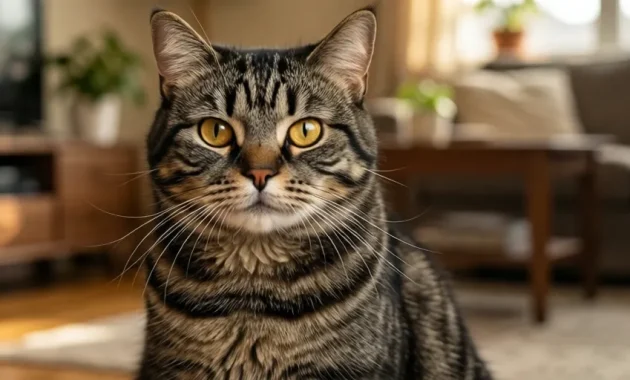
Among the diverse lineages of the domestic feline, few possess a history as structurally unique or a physical form as instantly recognizable as the American Wirehair cat. Often described as a feline hidden behind a rough, springy exterior but possessing an incredibly soft, affectionate heart, this breed is a testament to the spontaneous wonders of natural genetic architecture.
Unlike many modern feline breeds that were meticulously engineered by human selection over decades or centuries, the American Wirehair came into existence due to a single, spontaneous genetic mutation in rural upstate New York. Today, they stand as robust, versatile, and deeply loved companions within the medium-sized short-to-medium-hair category.
This comprehensive clinical and breed manual is engineered to provide an exhaustive, human-style analysis of the American Wirehair cat. We will explore their deep genetic origins, evaluate their rigorous breed standards, map out their psychological temperament, and outline their precise nutritional and grooming care requirements.
Breed Overview and Key Structural Diagnostics
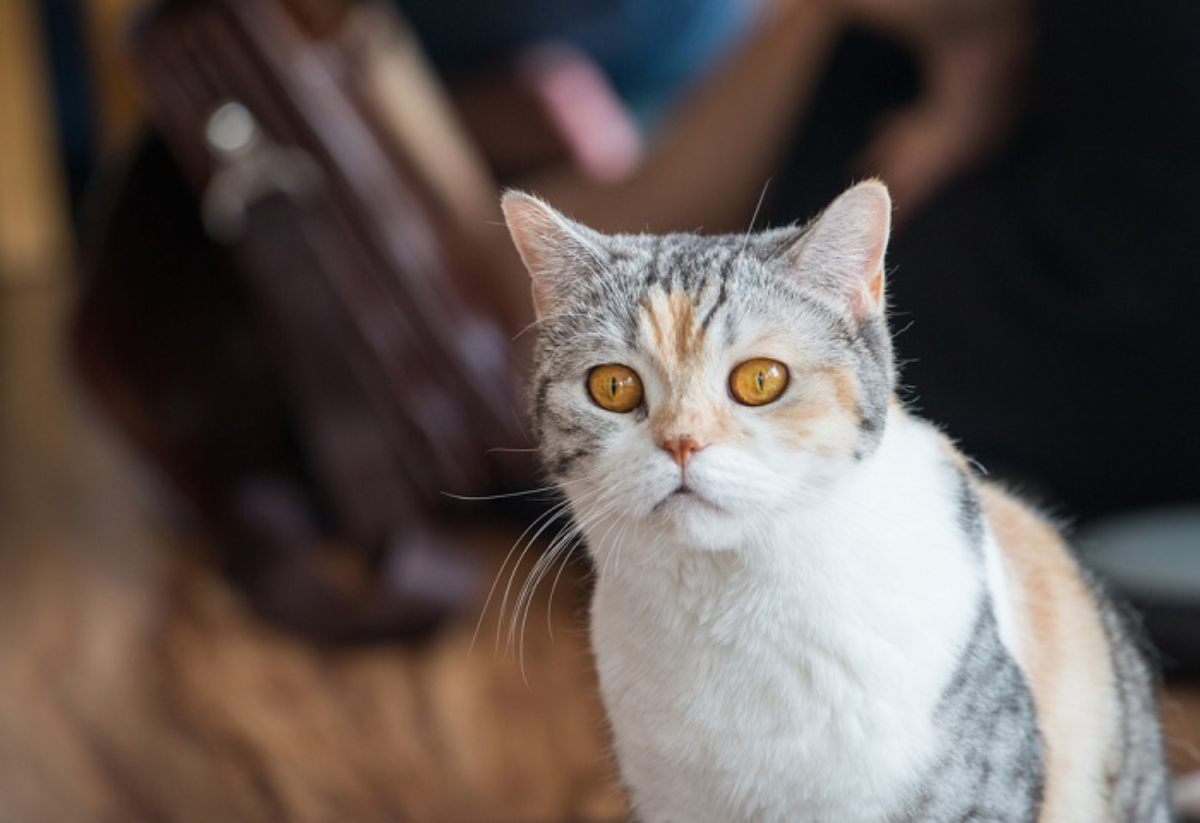
Before diving into the complex genetic history and care protocols of the American Wirehair, it is vital to establish their baseline physical and structural dimensions.
American Wirehair Baseline Breed Metrics
- 1. What is an American Wirehair cat?
- 2. Are American Wirehair cats rare?
- 3. How much does an American Wirehair cat cost?
- 4. How big do American Wirehair cats get?
- 5. How long do American Wirehair cats live?
- 6. Are American Wirehair cats affectionate?
- 7. Do American Wirehair cats get along with children?
- 8. Are American Wirehair cats good with other pets?
- 9. Do American Wirehair cats shed?
- 10. Are American Wirehair cats hypoallergenic?
- 11. Why is their coat different from other cats?
- 12. Can I brush an American Wirehair frequently?
- 13. Do American Wirehair cats require special grooming?
- 14. What should an American Wirehair eat?
- 15. Are American Wirehair cats healthy?
- 16. Do American Wirehair cats like being held?
- 17. Are American Wirehair cats vocal?
- 18. Are American Wirehair cats suitable for apartment living?
- 19. How active are American Wirehair cats?
- 20. Where can I find an American Wirehair kitten?
The History and Biomechanics of the Wirehair Mutation
The entire lineage of the American Wirehair cat breed traces back to a single historical moment in 1966 in upstate New York. A normal, shorthaired pair of barn cats produced a litter containing a completely unique, one-of-a-kind male kitten. This kitten displayed an unusual, springy, coarse coat that had never been documented in the region before.
                  THE WIREHAIR GENETIC ORIGIN TIMELINE

  [ Shorthaired Barn Cats ] ──► Spontaneous Genetic Mutation (1966)
                                               │
                                               ▼
  [ Counsel Rock Adam of Hi-Fi ] ──► Outcrossed with American Shorthairs
                                               │
                                               ▼
  [ Modern American Wirehair ] ◄── Permanent Dominant Wirehair Gene ($Wh$) Established
Joan O'Shea and the Discovery of 'Adam'
A local cat breeder named Joan O’Shea spotted the unusual kitten and was instantly fascinated by his unique texture. Recognizing the potential for a brand-new breed, she purchased the red tabby and white kitten for $50, naming him Counsel Rock Adam of Hi-Fi.
To determine the genetic behavior of this new coat type, O’Shea outcrossed Adam with local shorthaired females, including another cat suspected of carrying similar hidden coat variants. The unique DNA successfully passed to consecutive litters, proving that the mutation was highly stable and genetically transmissible.
The Genetic Distinctiveness of the $Wh$ Gene
When geneticists first analyzed the coat of the newly discovered American Wirehair, their initial hypothesis was that the mutation was related to the existing Cornish Rex or Devon Rex feline lineages, which also feature unique, wavy coats.
However, genetic testing quickly shattered this theory. The mutations responsible for the Rex breeds are recessive (requiring both parents to pass on the gene) and alter the hair structure by stripping away the outer guard hairs.
In sharp contrast, the American Wirehair mutation is governed by an entirely distinct, dominant gene (symbolized as $Wh$). This means a kitten only needs to inherit one copy of the gene from a single parent to develop the characteristic wired coat. Furthermore, the wirehair gene does not remove hair layers; instead, it structurally alters all three hair types—down, awn, and guard hairs—crimping and hooking them to build a resilient, springy coat. Once this genetic independence was confirmed, a brand-new breed was officially born.
The Official Breed Standard – Architectural Specifications
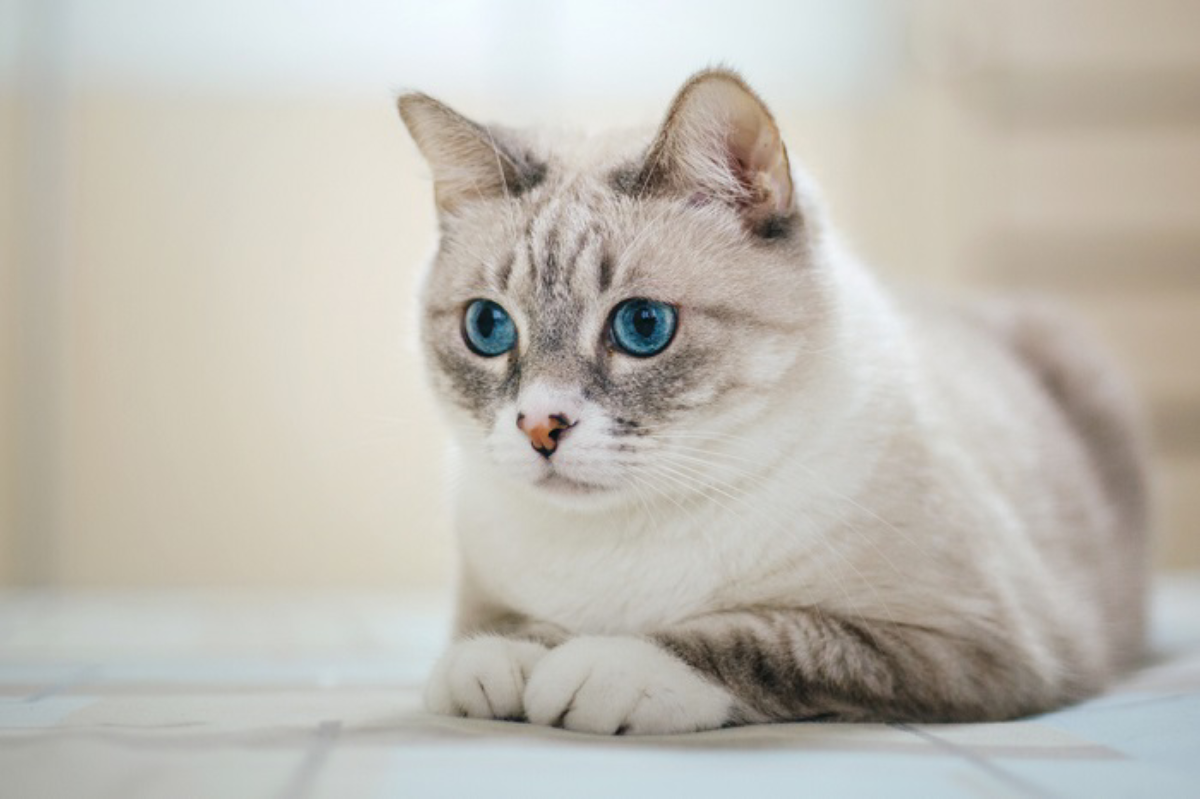
According to modern feline breed standards, the American Wirehair must present as a well-balanced, robust, and symmetrical animal. They are medium-to-large cats built for agility and endurance, avoiding any extremes in skeletal angulation.
                    AMERICAN WIREHAIR ANATOMICAL CRITERIA

                    [ EARS ]     ──► Medium, wide-set, slightly rounded tips
                    [ EYES ]     ──► Large, rounded, set well apart
                    [ HEAD ]     ──► Rounded with prominent cheekbones
                    [ BACK ]     ──► Level; shoulders/hips equal width
                    [ COAT ]     ──► Hard, springy, hooked/bent shafts
                    [ LEGS/PAWS ]──► Muscular legs; firm, rounded paws
1. Head and Facial Framework
Head Contour: The head shape must be distinctly rounded with prominent, high cheekbones. The muzzle and chin must be well-developed, creating a squared, solid jaw profile. There is a slight, characteristic whisker break at the margins of the muzzle.
Ears: The ears are medium in size, set wide apart on the skull, and feature slightly rounded tips. Crucially, the hairs growing inside the ear canal should also show the signature hooked or bent texture.
Eyes: The eyes must be large, fully rounded, and set wide apart from each other, giving the cat a bright, alert, and intelligent expression. The eye color can be any shade that harmonizes with the native colors of the coat.
2. Skeletal Framework and Torso
Body: The torso is medium to large, strong, and compact, featuring a level back line. The shoulders and the hips must be of equal width, creating a balanced, symmetrical look. The chest and torso are rounded and well-proportioned.
Legs and Paws: The legs are of medium length with moderate bone density and powerful muscle definition, perfectly proportioned to the rest of the body. The paws are firm, fully rounded, and equipped with heavy, thick paw pads designed for absorbing impact.
Tail: The tail is tapered, ending in a rounded tip, and its length must be in perfect proportion to the length of the torso.
3. Coat, Texture, and Color Classifications
The coat is the absolute defining characteristic of the American Wirehair cat.
The Mechanical Feel: The coat has a distinct hard, rough feel with a highly springy texture. When you run your hand across it, the fur should bounce back into place instantly. Most of the individual hair shafts are crimped, bent, or hooked at the very end. While some straight hairs are permissible, the dominant texture must be wired.
Color and Patterns: The American Wirehair can display nearly any color or pattern found in the domestic feline world, including solid, tabby, calico, and bi-color variations.
Disqualification Parameters: Under strict breed guidelines, cats displaying chocolate, lavender, or a distinct Himalayan pointed pattern are disqualified from show status. They will also be disqualified if any of these specific color combinations are mixed with white patches. The colors of the nose leather and paw pads must complement the primary colors of the coat.
Psychology and Temperament – The Gentle Chatty Companion
Behind the rough, wired look of the American Wirehair lies one of the most gentle, sensible, and affectionate personalities in the feline world. They are highly adaptable cats that fit smoothly into busy family households, quiet apartments, or multi-pet environments.
                 THE PSYCHOLOGICAL TRAIT MATRIX

  [ SOCIABILITY ]  ──► High adaptability; fits smoothly into multi-pet homes.
  [ INTELLECT ]    ──► Sensible, independent problem-solvers; moderate energy.
  [ VOCALIZATION ] ──► Chatty nature; famous for an unusually loud, resonant purr.
  [ AFFECTION ]    ──► Deeply attached to family; calm, gentle disposition.
Friendly and Sensible Dynamics
American Wirehairs possess a sweet, well-balanced personality. They are social without being overly demanding, and affectionate without being clingy. They are known for being sensible companions—they can play energetically with toys or children, but they are equally content to curl up quietly on a family member's lap for hours.
Vocalization and the Resonant Purr
If you appreciate a cat that interacts with you verbally, the American Wirehair is an excellent choice. They are known for their friendly, chatty nature, frequently using quiet chirps and meows to communicate with their owners.
Furthermore, they possess an unusually loud, deep, and resonant purr. This strong purr can often be felt vibrating right through their muscular chests whenever they are resting near their human companions.
Clinical Care, Nutrition, and Specialized Grooming
To ensure your American Wirehair cat reaches their maximum lifespan of 18 years in peak condition, you must implement specific nutritional, grooming, and health protocols tailored to their unique biology.
1. Obligate Carnivore Nutrition and High-Quality Lipids
Like all felines, the American Wirehair is a strict obligate carnivore. Their bodies are biologically incapable of digesting large amounts of plant matter or carbohydrates. Instead, they require a diet rich in high-quality animal proteins and fats to thrive.
                  THE WIREHAIR NUTRITIONAL BALANCE

  [ ANIMAL PROTEIN ]  ──► 70% Lean Meat Base (Muscle tissue preservation)
  [ OMEGA-3 LIPIDS ]  ──► 20% Essential Fatty Acids (Coat & skin follicle defense)
  [ COMPLEX CARB ]    ──► <10% Trace Binders (Prevents digestive stress)
The Protein Foundation: Look for commercial cat foods where real meat (such as chicken, turkey, salmon, or tuna) is listed as the first ingredient. This high-protein intake supports their dense muscle structure and level back.
Omega-3 Fatty Acid Loading: Because the unique structure of the wirehair coat can sometimes put extra mechanical stress on the skin follicles, their diet must be heavily enriched with Omega-3 fatty acids (sourced from high-quality fish oils, salmon, or green-lipped mussels). These essential fatty acids nourish the skin barrier, keep the hair roots strong, and maintain the characteristic hard, springy feel of their unique fur.
2. Specialized Grooming: The "Hands-Off" Rule
You might assume that a coat as coarse and textured as the American Wirehair's requires intense, aggressive grooming. Paradoxically, the exact opposite is true. Aggressive brushing can ruin an American Wirehair's coat.
The Danger of Fine-Toothed Combs: Never use fine-toothed metal combs, undercoat rakes, or aggressive de-shedding tools on an American Wirehair. The individual hair shafts are hooked and crimped; pulling a fine comb through them can catch on these bends, snapping the hair shafts or pulling them out by the roots, which can damage the skin follicles.
The Safe Grooming Routine: They shed moderately, about the same as a standard shorthaired breed. To manage loose fur safely, use a soft-bristled brush or simply wipe a damp washcloth across their coat once a week to capture loose hairs.
Frequent Bathing Caution: Avoid frequent bathing unless the cat becomes heavily soiled. Frequent baths strip away the natural sebum oils from the skin, which can make the coarse guard hairs brittle and prone to breaking.
3. Health Diagnostics and Genetic Diversity Outcrossing
The American Wirehair is considered a robust and healthy breed with very few native genetic conditions. This health is a direct result of responsible breeding practices.
Because the global population of true American Wirehairs is small, reputable breeders routinely outcross them with the American Shorthair breed. This continuous outcrossing infuses the lineage with a deep pool of genetic diversity, preventing the inbreeding depression and hereditary health issues that often impact rarer purebred lines.
Regular veterinary checkups, routine dental cleanings to protect their strong jaws, and preventative vaccinations are typically all that is needed to maintain their excellent health.
How to Ethical Find an American Wirehair – Adoption vs. Breeding
If you have fallen in love with the characteristics of the American Wirehair, you must navigate the acquisition process with high ethical standards.
                         THE ETHICAL FINDING SOURCE

  [ OPTION 1: ADOPTION ]   ──► Shelter search engines (e.g., Petfinder) ──► Check for Resemblance

  [ OPTION 2: BREEDER ]    ──► Verified registries (CFA/TICA) ──► Genetic health screening
The Advocacy for Adoption
At Cats.com, we strongly advocate for cat adoption over purchasing from commercial operations whenever possible. Because the American Wirehair is an exceptionally rare purebred cat, they are seldom found in standard animal shelters or rescue facilities.
However, you can use advanced rescue search tools like Petfinder to search your local area for cats that are either confirmed American Wirehairs or share a strong physical resemblance.
It is important to remember that many busy public shelters accidentally mislabel standard mixed-breed cats (moggies) as purebreds based purely on visual looks. If you use these search engines, remain open-minded—you might just find a wonderful mixed-breed rescue cat in need of a home that shares the same robust build and loving personality.
If you choose to purchase an American Wirehair kitten, you must work exclusively with a licensed, ethical breeder.
Verify Registries: Ensure the breeder is registered with major international feline organizations, such as the Cat Fanciers' Association (CFA) or The International Cat Association (TICA).
Demand Health Clearances: A reputable breeder will openly share the outcrossing history of their lines (showing their American Shorthair connections) and provide written genetic health clearances for the parent cats. Avoid any breeder who cannot provide these documents or who offers "Himalayan patterns" or "chocolates" labeled as purebred American Wirehairs, as these colors violate official breed standards.
Frequently Asked Questions (FAQ)
1. What is an American Wirehair cat?
The American Wirehair is a rare cat breed known for its distinctive coarse, springy, and crimped coat. It originated from a spontaneous genetic mutation discovered in New York in 1966 and is closely related to the American Shorthair.
2. Are American Wirehair cats rare?
Yes. The American Wirehair is one of the rarest cat breeds in the world. Their unique coat comes from a dominant genetic mutation that is not commonly found outside established breeding programs.
3. How much does an American Wirehair cat cost?
An American Wirehair kitten typically costs between $800 and $1,500 USD, depending on pedigree, breeder reputation, location, and show-quality lineage.
4. How big do American Wirehair cats get?
Adult American Wirehairs are medium-to-large cats, usually weighing between 8 and 15 pounds (3.6–6.8 kg). Males are generally larger and more muscular than females.
5. How long do American Wirehair cats live?
With proper care, nutrition, and regular veterinary checkups, American Wirehair cats typically live between 12 and 18 years.
6. Are American Wirehair cats affectionate?
Yes. American Wirehairs are known for being gentle, affectionate, and family-oriented. They enjoy spending time with their owners while maintaining a healthy level of independence.
7. Do American Wirehair cats get along with children?
Yes. Their calm and patient nature makes them excellent companions for families with respectful children. They generally tolerate handling well and enjoy interactive play.
8. Are American Wirehair cats good with other pets?
Most American Wirehairs adapt well to multi-pet households, including homes with other cats and cat-friendly dogs, especially when socialized early.
9. Do American Wirehair cats shed?
Yes. They shed moderately throughout the year, similar to many shorthaired breeds. Weekly grooming is usually sufficient to remove loose hair.
10. Are American Wirehair cats hypoallergenic?
No. American Wirehairs are not considered hypoallergenic. They still produce allergens found in saliva, skin oils, and dander.
11. Why is their coat different from other cats?
The American Wirehair's coat is caused by a unique dominant gene that affects all hair types. Individual hairs are often crimped, bent, hooked, or springy, creating the breed's signature texture.
12. Can I brush an American Wirehair frequently?
No. Excessive brushing may damage the coat structure. Most breeders recommend gentle grooming with a soft brush or damp cloth only when necessary.
13. Do American Wirehair cats require special grooming?
Their grooming needs are relatively low. Weekly light grooming, routine nail trimming, ear cleaning, and dental care are generally enough to keep them healthy.
14. What should an American Wirehair eat?
They thrive on a high-quality, protein-rich diet based on animal ingredients such as chicken, turkey, salmon, or tuna. Foods containing Omega-3 fatty acids help support healthy skin and coat condition.
15. Are American Wirehair cats healthy?
Generally, yes. Thanks to regular outcrossing with the American Shorthair, the breed maintains good genetic diversity and is not known for many breed-specific inherited disorders.
16. Do American Wirehair cats like being held?
Many do. While individual personalities vary, American Wirehairs are often affectionate lap cats that enjoy physical closeness with trusted family members.
17. Are American Wirehair cats vocal?
They are moderately vocal and communicate through soft meows, chirps, and purrs. Many owners describe their purr as particularly deep and resonant.
18. Are American Wirehair cats suitable for apartment living?
Yes. Their adaptable temperament and moderate activity level make them excellent apartment pets, provided they receive daily play and mental stimulation.
19. How active are American Wirehair cats?
They are moderately active. They enjoy interactive toys, climbing structures, and puzzle games but are generally less demanding than highly energetic breeds.
20. Where can I find an American Wirehair kitten?
Because the breed is uncommon, prospective owners should seek reputable breeders registered with organizations such as the Cat Fanciers' Association (CFA) or The International Cat Association (TICA). Adoption through rescue organizations may also be possible, although purebred American Wirehairs are rarely available in shelters.