The Complete Guide to the Balinese Cat: History, Traits, Genetics, and Care
2 months ago
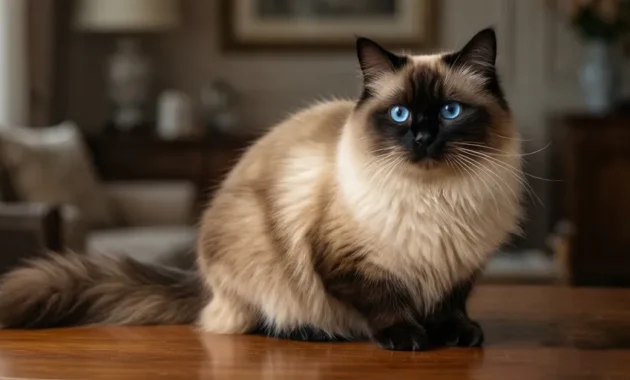
The Balinese cat stands as one of the most elegant, intelligent, and captivating breeds in the feline world. Often described as a "Siamese in a mink coat," this breed combines the striking color points and vivid sapphire-blue eyes of its ancestors with a silky, medium-length flowing coat.
Despite its exotic name, the Balinese did not originate in the lush landscapes of Indonesia. Instead, it is an entirely Western creation—a testament to genetic mutation, dedicated breed preservation, and human admiration for feline grace.
Whether you are a prospective owner looking to welcome one of these vocal beauties into your home, or a seasoned cat lover fascinated by feline genetics, this exhaustive guide offers an in-depth exploration of the Balinese breed. We will examine their history, physical and behavioral traits, genetic profile, health considerations, and daily care requirements.
The Surprising History and Origin of the Breed

The moniker "Balinese" often leads to geographic confusion. The breed does not come from Bali or any other part of Southeast Asia. Its true development occurred in the living rooms and catteries of breeders in the United Kingdom and the United States.
[Purebred Siamese Litters] ──> [Spontaneous Long-Haired Mutations] ──> [Targeted Breeding (1950s)] ──> [Official Balinese Recognition]
The Siamese Ancestry
The story of the Balinese is inextricably linked with the Siamese. In the mid-1800s, Siamese cats were imported from Thailand (formerly Siam) to Great Britain and America. These cats quickly became a sensation due to their distinct look and vocal, dog-like personalities.
As breeders worked to establish and refine purebred Siamese lines, a strange phenomenon began to occur: occasionally, a litter of smooth-coated Siamese kittens would yield one or two individuals with noticeably long, fluffy fur.
From "Flaws" to Fame
Initially, these long-haired kittens were viewed as genetic anomalies or undesirable flaws within the breeding program. Because they did not conform to the strict shorthair standard of the Siamese, early breeders quietly altered their papers and sold them strictly as companion pets, keeping them far away from the show ring.
By the late 1920s and early 1930s, the attitude toward these long-haired outliers began to shift. In 1928, the American Cat Fanciers’ Federation (CFF) allowed these unique felines to be registered under the somewhat cumbersome name of "Long-Haired Siamese."
However, it wasn't until the mid-1950s that dedicated breeders decided to intentionally select and breed for this long-haired trait, establishing a distinct genetic line separate from the traditional shorthair Siamese.
Helen Smith and the Dancers of Bali
We owe the modern name of the breed to a visionary American breeder named Helen Smith. In the 1950s, Smith argued that continuing to call these majestic cats "Long-Haired Siamese" reduced them to a mere variation of an existing breed rather than celebrating their unique qualities.
Fascinated by their ultra-graceful movements, flowing coats, and light-footed agility, Smith compared their posture to the legendary, elegant dancers of Bali, Indonesia. She coined the term "Balinese," a name that perfectly captured the breed’s fluid grace and exotic allure.
By the 1960s and 1970s, major cat registries—including the Cat Fanciers' Association (CFA) and The International Cat Association (TICA)—officially recognized the Balinese for championship status.
Anatomical Features and Breed Standards
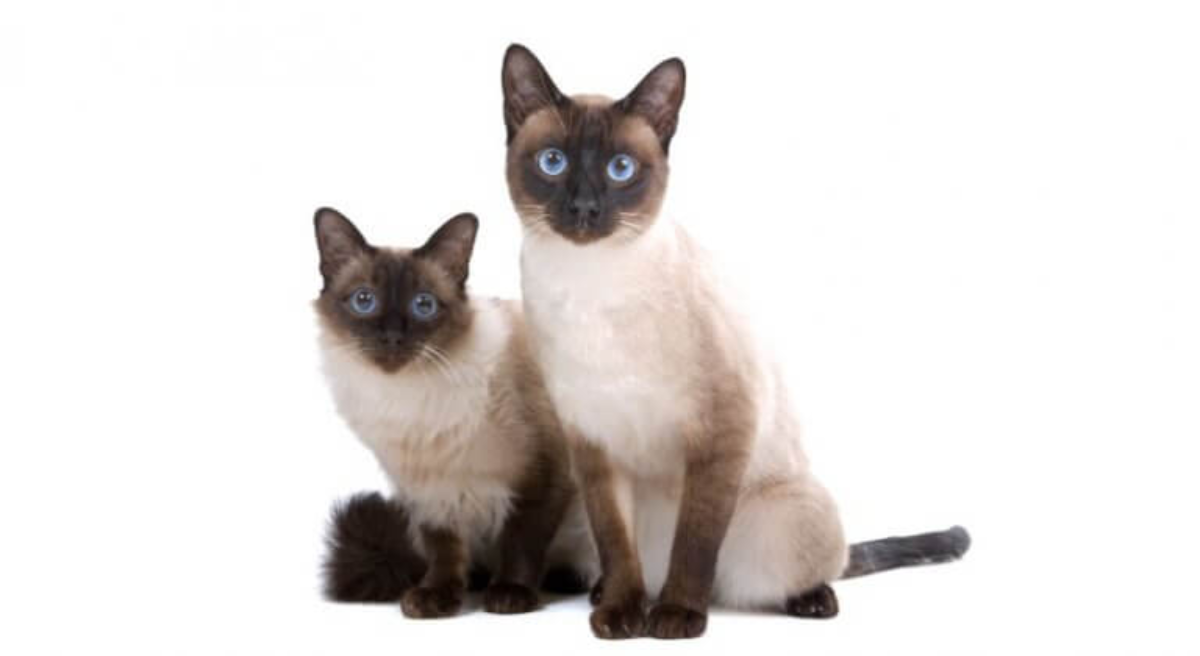
The Balinese is the epitome of the "foreign" or svelte body type in show cat vocabulary. Every structural line of this cat is long, lean, and aerodynamic.
                  [ The Balinese Silhouette ]
                               |
       +-----------------------+-----------------------+
       |                       |                       |
 [ Wedge Head ]        [ Tubular Torso ]       [ Plumed Tail ]
 - Straight profile    - Lithe & fine-boned    - Spreads out
 - Large pointed ears  - Equal hip/shoulder     like a feather
 - Sapphire eyes       - Long, slender legs     tapering to point
The Head and Facial Triangle
The head of a show-quality Balinese is a masterpiece of geometric symmetry. It features a long, tapering, wedge-shaped silhouette.
The Triangle: If you trace a line from the tip of the nose outward to the tips of the large, wide-based ears, it should form a virtually perfect, unbroken triangle. There should be no pronounced "whisker break" or pinch at the muzzle.
The Profile: When viewed from the side, the profile is straight, running from the top of the skull down to the tip of the nose without any structural dips, rises, or breaks.
The Eyes: The eyes are an unforgettable, intense sapphire blue. They are almond-shaped, slanting upwards toward the ears in harmony with the wedge shape of the head. According to breed standards, they sit relatively close together; the distance between the eyes should not exceed the width of a single eye.
Torso and Appendages
The torso of the Balinese is often described as tubular. It is long, slender, and graceful, balancing fine, delicate boning with tight, lithe musculature.
Proportions: The shoulders and hips maintain a uniform width, emphasizing the cat’s sleek, elongated lines.
Legs and Paws: The legs are exceptionally long and slender. Interestingly, the hind legs are physically taller than the forelegs, giving the Balinese a forward-leaning, athletic stance. The paws are small, oval, and dainty, making the cat look as though it is permanently walking on its tiptoes.
The Tail: The tail is long, thin, and tapers to a fine point. However, its most defining characteristic is the hair: the fur on the tail spreads out widely, creating a dramatic, plume-like feathering that flows behind the cat as it moves.
The Single Coat: A Structural Masterpiece
Many people assume that because the Balinese has long hair, its grooming needs are identical to those of a Persian, Maine Coon, or Himalayan. This is a fundamental misunderstanding of the breed's coat structure.
The Science of the Single Coat
Most long-haired cat breeds possess a double coat. This means they have a thick, woolly, downy layer of underhair designed for insulation, covered by a secondary layer of longer guard hairs. This dense undercoat is the primary culprit behind severe matting, tangling, and shedding blockages.
The Balinese, by contrast, possesses a single coat. It lacks a downy, insulating undercoat entirely. The fur consists purely of medium-to-long guard hairs that lie flat and close to the skin, flowing naturally along the contours of the tubular body.
| Attribute | Balinese Coat | Typical Double Coat (e.g., Persian) |
| Layers | Single Layer Only | Double Layer (Undercoat + Guard Hair) |
| Texture | Silky, fluid, like fine mink | Dense, cotton-like, heavy |
| Matting Risk | Exceptionally Low | High (requires daily detangling) |
| Drying Time | Rapid | Prolonged |
Because there is no woolly underlayer to trap shed hair and debris, the Balinese coat rarely mats or tangles. The fur has a silky, cool-to-the-touch texture, reminiscent of fine mink or silk thread.
The Hypoallergenic Question
You will frequently see the Balinese listed on websites as a "hypoallergenic" cat breed. While no feline is 100% hypoallergenic, there is real science behind this claim.
Human allergies to cats are primarily triggered by Fel d 1, a protein produced in feline saliva, skin sebaceous glands, and perianal glands. When a cat grooms itself, this protein dries on the fur and becomes airborne as dander.
Saliva/Skin (Fel d 1 Protein) ──> Applied to Fur via Grooming ──> Sheds as Airborne Dander ──> Human Allergy Trigger
Studies have shown that the Balinese breed naturally produces significantly lower levels of the Fel d 1 protein in their saliva and skin secretions compared to standard domestic shorthairs or other long-haired breeds. Combine this low protein production with their single coat—which sheds less dander into your home environment—and many mild allergy sufferers find they can coexist comfortably with a Balinese without developing respiratory or skin reactions.
The Genetics of Color Points and Development
The color presentation of the Balinese is dictated by a fascinating genetic mechanism known as point coloration, controlled by the temperature-sensitive Himalayan gene (ch).
The Temperature-Sensitive Mutation
The ch gene is a form of partial albinism. It causes the enzyme tyrosinase—which is responsible for producing melanin (dark pigment) in the hair follicles—to become unstable at normal core body temperatures.
Core Body (Warm) ──> Tyrosinase Deactivated ──> No Melanin ──> Pale/White Fur
Extremities (Cool) ──> Tyrosinase Activated ──> Melanin Produced ──> Dark Point Color
Because a cat’s core body (chest, belly, back) is warm, the tyrosinase enzyme is deactivated in those zones, preventing pigment from forming and keeping the fur pale, white, or cream. However, the extremities of the cat—the ears, nose, tail, and lower legs—are physically cooler than the rest of the body. In these cooler zones, the tyrosinase enzyme wakes up, activating melanin production and darkening the fur into the classic "points."
The Birth of a Kitten
Because the uterus of a mother cat is a perfectly regulated, warm environment, all Balinese kittens are born completely white or pale cream. Their pigment production is inactive while inside the womb.
Only after they are born and exposed to the cooler temperatures of the outside world does the enzyme begin to work. Within a few weeks of birth, the tips of their ears and the edges of their noses will begin to show subtle hints of color, fully developing into their mature pattern over their first year of life.
Traditional Balinese vs. The Javanese Division
In cat registries like the CFA, the Balinese is strictly limited to four traditional Siamese colors:
Seal Point: Rich, deep fawn-to-cream body with intense, dark seal-brown (almost black) points.
Chocolate Point: Warm, ivory body with milk-chocolate brown points that carry a distinctly warm tone.
Blue Point: Cold, bluish-white body with deep, slate-blue points.
Lilac Point: Glacial white body with pale, silvery-gray points that feature subtle pinkish tones.
                    [ Feline Point Taxonomy ]
                               |
         +---------------------+---------------------+
         |                                           |
 [ Traditional Balinese ]                    [ Javanese Division ]
 - Seal, Chocolate, Blue, Lilac              - Lynx, Tortie, Cream, Red
Any Balinese cat displaying non-traditional colors—such as red points, cream points, tortie points, or lynx (tabby) points—is classified under the Javanese division or as a separate Javanese breed, depending on the specific registry guidelines. Structurally and behaviorally, Javanese cats are identical to the Balinese; they simply carry a wider palette of coat colors derived from historical outcrossing with American Shorthairs and Domestic Shorthairs.
Personality, Temperament, and Cognitive Intelligence
If you are seeking a quiet, aloof cat that spends all day sleeping in a distant corner, the Balinese is absolutely not the breed for you. These cats are intensely social, active, and deeply integrated into the lives of their human families.
The Melodic Voice
Like their Siamese ancestors, Balinese cats are incredibly talkative. They will watch you work, follow you from room to room, and voice their opinions on everything from the cleanliness of their litter box to the speed at which you are preparing their dinner.
However, there is a distinct acoustic difference between the two breeds:
The Siamese: Known for a loud, raspy, occasionally piercing vocalization that can sound like a crying infant.
The Balinese: Tends to be slightly less vocal overall, and their voice is noticeably softer, gentler, and more melodic. They communicate in a series of quiet chirps, trills, and soft meows, making them excellent conversational partners.
Balinese cats are extroverted and form intense, fiercely loyal emotional bonds with their owners. They do not tolerate prolonged isolation well and can experience separation anxiety if left completely alone for 12 hours a day.
They are highly inclusive family pets. When properly socialized from a young age, they adapt brilliantly to busy households:
Children: They are patient and playful with children, often enjoying interactive games like fetch.
Other Pets: They readily accept the company of other social cats and cat-friendly dogs, frequently forming tightly knit sleeping piles.
Cognitive Brilliance
The Balinese is routinely ranked among the most intelligent of all domestic cat breeds. Their problem-solving abilities are remarkable.
They can quickly figure out how to open cabinet doors, manipulate door levers, turn on water faucets, and retrieve hidden toys. Because of this high intelligence, they require daily mental enrichment. If their environment is boring, they will invent their own entertainment—which might include unrolling your toilet paper tubes or opening your pantry to sample bags of treats.
Comprehensive Care Matrix: Nutrition and Wellness
Caring for a Balinese involves supporting their high-energy metabolism, safeguarding their long limbs, and protecting their unique coat.
Dietary Architecture
Because the Balinese is a highly athletic, lean breed with an active metabolism, their diet must focus on high-protein, low-carbohydrate nutrition. As obligate carnivores, they struggle to digest heavy carbohydrate fillers like corn, wheat, or soy.
High Meat/Fish Protein (1st Ingredient) + Omega-3 Fatty Acids ──> Lean Muscle Mass + Silky Single Coat
Protein Focus: Ensure that high-quality, whole animal protein (such as turkey, chicken, salmon, or herring) is listed as the very first ingredient on their food packaging.
Moisture Integration: Incorporating wet food into their daily routine is highly beneficial. It keeps them hydrated, protecting their delicate urinary tracts and reducing the risk of bladder stones or crystals.
Coat Optimization: To maintain the soft, silky, and supple texture of their single coat, their diet should include adequate amounts of Omega-3 and Omega-6 essential fatty acids. Look for foods fortified with fish oil, salmon oil, or ground flaxseed, or use a high-quality veterinary lipid supplement.
Grooming Simplification
Thanks to the total absence of a dense undercoat, grooming a Balinese is surprisingly simple.
Brushing Schedule: A thorough brushing once or twice a week with a high-quality stainless-steel comb or a soft slicker brush is generally all that's required to remove dead hair and keep the single coat looking immaculate.
The Tail Plume: Pay close attention to the long feathering on the tail. Comb through it gently to prevent debris from clinging to the fur.
Ear and Nail Care: Inspect their ears weekly for minor wax buildup. Trim their sharp claws every 2 to 3 weeks using pet-safe clippers.
Breed-Specific Health Considerations
The Balinese is a robust, healthy breed with an average lifespan of 12 to 15 years, and many individuals routinely live well into their late teens with proper care. However, because they share a direct genetic pool with the Siamese, they are predisposed to a few hereditary health issues.
                  [ Hereditary Health Risk Matrix ]
                                  |
     +----------------------------+----------------------------+
     |                            |                            |
[ Hypertrophic ]            [ Progressive ]              [ Strabismus & ]
[ Cardiomyopathy ]          [ Retinal Atrophy ]          [ Nystagmus ]
(Thickened Heart Wall)      (Degenerative Blindness)     (Visual Processing)
1. Hypertrophic Cardiomyopathy (HCM)
HCM is the most common heart disease diagnosed in cats across all breeds. It is characterized by the abnormal thickening (hypertrophy) of the muscular walls of the heart, specifically the left ventricle. As the heart wall thickens, the heart's internal chambers shrink, reducing its ability to pump blood efficiently to the rest of the body. Over time, HCM can lead to congestive heart failure, lethargy, fluid accumulation in the lungs, or dangerous blood clots.
Clinical Management: Reputable breeders utilize screening tools like annual echocardiograms (ultrasounds of the heart) on their breeding adult cats to ensure they do not pass this genetic trait down to their kittens.
2. Progressive Retinal Atrophy (PRA)
PRA is an inherited genetic disease that causes the slow, progressive degeneration of the retina at the back of the eye. The photoreceptor cells (rods and cones) slowly break down over time.
The first symptom is typically a loss of night vision, where the cat becomes hesitant to jump onto high surfaces in the dark, eventually progressing to total blindness over a few years. Fortunately, PRA is completely painless, and because cats have highly developed senses of smell and touch, blind cats can lead exceptionally happy lives in a stable indoor environment.
Clinical Management: There is a definitive DNA test available for the PRA gene mutation. Ethical breeders test their cats before mating them to ensure their litters are 100% free of this condition.
3. Strabismus and Nystagmus (Crossed Eyes)
Historically, many Siamese and Balinese cats were famously cross-eyed (strabismus) or exhibited an involuntary, rhythmic twitching of the eyes (nystagmus).
This condition is directly linked to the ch allele that produces their point coloration. The genetic mutation can cause the nerve pathways connecting the retina to the brain to wire incorrectly during embryonic development. To compensate for this internal visual misalignment, the cat's eye muscles physically pull the eyes inward.
While early show cats frequently displayed this trait, decades of careful breeding have largely eliminated crossed eyes from modern championship bloodlines. It is important to note that strabismus is a cosmic defect of visual processing rather than a painful disease; affected cats see perfectly well and adapt completely to their indoor environment.
Responsible Sourcing: Adoption and Breeders
Bringing a Balinese cat into your life requires careful research. Because purebred felines represent only a tiny fraction of the global cat population, you must be cautious when sourcing your new companion.
                    [ Sourcing Strategies ]
                               |
         +---------------------+---------------------+
         |                                           |
 [ Certified Breeder ]                       [ Rescue / Database ]
 - Verification of genetic testing           - Focus on lineage metrics
 - Check for PRA and HCM health clearances  - Filter out mislabeled moggies
The Shelter Fallacy
Purebred Balinese cats are exceptionally rare in standard public animal shelters. Shelters are often overwhelmed with moggies (domestic long-haired or short-haired mixed-breed cats without a documented pedigree).
Because any mixed-breed cat can naturally express color points and blue eyes if they inherit the recessive genes from their parents, shelters frequently mislabel long-haired pointed mixed-breed cats as "Balinese mix" or "Purebred Balinese." While these rescue cats make beautiful, loving companions, they lack the specific lineage, single-coat structure, and predictable behavioral traits of a true purebred Balinese.
If you are scanning platforms like Petfinder, look for verified breed-specific rescues that require official registration paperwork or pedigree metrics to confirm lineage.
Choosing an Ethical Preservation Breeder
If you choose to purchase a Balinese kitten from a breeder, expect to pay anywhere from $1,000 to $1,500 USD. Avoid low-cost "backyard breeders" or online kitten mills, which prioritize profit over animal welfare, resulting in sickly kittens with behavioral issues and hidden genetic mutations.
An ethical, professional breeder will always:
Provide official registration papers from a recognized registry like TICA or the CFA.
Present written, verified DNA test results clearing the parents of Progressive Retinal Atrophy (PRA) and Hypertrophic Cardiomyopathy (HCM).
Welcome you to visit their home or cattery, showing you firsthand that the kittens are raised in a clean, loving, and well-socialized family environment.
Keep kittens with their mother until they are at least 12 to 14 weeks old, ensuring they are fully weaned, litter box trained, and have received their core vaccinations.
Summary Breed At-a-Glance
| Feature | Breed Specification |
| Average Weight | 4 to 10 pounds (Males are slightly larger than females) |
| Physical Stature | Tubular body type, fine-boned, elongated limbs, tall hind legs |
| Eye Color | Deep Sapphire Blue (Almond-shaped, close-set) |
| Coat Structure | Medium-length single coat (No downy undercoat present) |
| Core Temperament | Highly vocal, affectionate, inquisitive, profoundly intelligent |
| Grooming Maintenance | Low to moderate (Brush 1–2 times per week to prevent loose hair) |
| Lifespan Range | 12 to 15 years on average |
The Balinese is a spectacular blend of structural beauty, high-level intelligence, and deep emotional loyalty. By understanding their history, respecting their unique single-coat care needs, and protecting them from hereditary health risks, you can ensure your Balinese remains a healthy, vocal, and loving centerpiece of your home for many years to come.
FAQ
1. What is a Balinese cat?
The Balinese cat is a long-haired breed closely related to the Siamese. It combines the Siamese's striking blue eyes, color-point coat pattern, and affectionate personality with a silky, medium-length single coat that requires relatively low maintenance.
2. Where did the Balinese cat originate?
Despite its name, the Balinese cat did not originate in Bali or Indonesia. The breed was developed in the United States and the United Kingdom from naturally occurring long-haired Siamese cats.
3. Why is the breed called "Balinese"?
The breed was named by breeder Helen Smith in the 1950s. She believed the cats' graceful movements resembled the elegant traditional dancers of Bali, inspiring the name "Balinese."
4. Is the Balinese cat related to the Siamese?
Yes. The Balinese is essentially a long-haired version of the Siamese, sharing the same ancestry, body structure, intelligence, vocal nature, and color-point genetics.
5. What does a Balinese cat look like?
Balinese cats have a slender, tubular body, long legs, large pointed ears, almond-shaped sapphire-blue eyes, and a long feathered tail. Their coat is silky, flowing, and medium in length.
6. What colors are recognized in traditional Balinese cats?
Traditional Balinese cats are recognized in four color-point varieties:
- Seal Point
- Chocolate Point
- Blue Point
- Lilac Point
7. What is the difference between a Balinese and a Javanese cat?
Structurally and behaviorally, they are nearly identical. The primary difference is color. Javanese cats display non-traditional point colors such as red, cream, tortie, or lynx points.
8. Do Balinese kittens change color as they grow?
Yes. Balinese kittens are born nearly white because the womb's warmth suppresses pigment production. Their point colors gradually develop during the first several months of life.
9. Are Balinese cats hypoallergenic?
No cat is completely hypoallergenic. However, Balinese cats often produce lower levels of the Fel d 1 protein, the primary allergen responsible for most cat allergies, making them more tolerable for some allergy sufferers.
10. Why do Balinese cats shed less than many long-haired breeds?
Their coat lacks a dense undercoat. This single-coat structure reduces shedding, minimizes matting, and makes grooming significantly easier than with many other long-haired breeds.
11. How often should a Balinese cat be groomed?
Most Balinese cats only require brushing once or twice per week to remove loose hairs and maintain their silky coat.
12. Are Balinese cats good family pets?
Yes. Balinese cats are highly social, affectionate, and playful. They generally get along well with children, other cats, and cat-friendly dogs when properly socialized.
13. Are Balinese cats vocal?
Yes. Like Siamese cats, Balinese cats enjoy communicating with their owners. However, their voices are often described as softer, sweeter, and more melodic than the traditional Siamese voice.
14. Do Balinese cats like being alone?
No. Balinese cats form strong bonds with their families and may become lonely or anxious if left alone for extended periods on a regular basis.
15. Are Balinese cats intelligent?
Yes. The Balinese is considered one of the most intelligent domestic cat breeds. They can learn tricks, solve puzzles, open doors, and quickly adapt to training routines.
16. Can Balinese cats be trained?
Absolutely. Their intelligence makes them excellent candidates for clicker training, leash training, puzzle toys, and interactive games such as fetch.
17. What diet is best for a Balinese cat?
A high-protein, meat-based diet with moderate fat and minimal fillers is ideal. Foods containing quality animal proteins and omega fatty acids help support muscle maintenance and coat health.
18. Do Balinese cats need wet food?
While not mandatory, wet food is highly beneficial because it increases hydration and supports urinary tract health.
19. What is the average lifespan of a Balinese cat?
Most Balinese cats live between 12 and 15 years, though many can reach 18 years or older with proper care and veterinary attention.
20. What health problems are common in Balinese cats?
Potential hereditary concerns include:
- Hypertrophic Cardiomyopathy (HCM)
- Progressive Retinal Atrophy (PRA)
- Strabismus (crossed eyes)
- Nystagmus (involuntary eye movements)
21. What is Hypertrophic Cardiomyopathy (HCM)?
HCM is a heart disease that causes thickening of the heart muscle, reducing its ability to pump blood efficiently. Responsible breeders screen breeding cats to minimize genetic transmission.
22. What is Progressive Retinal Atrophy (PRA)?
PRA is an inherited eye disease that gradually causes blindness through degeneration of the retina. DNA testing can identify carriers before breeding.
23. Are Balinese cats suitable for apartment living?
Yes. Their moderate size and adaptable nature make them excellent apartment companions, provided they receive adequate daily interaction and enrichment.
24. How much does a Balinese kitten cost?
A well-bred Balinese kitten from a reputable breeder typically costs between $1,000 and $1,500 USD, depending on pedigree, location, and breeder reputation.
25. How can I find a responsible Balinese breeder?
Look for breeders who:
- Provide CFA or TICA registration
- Offer genetic testing results
- Allow visits to their cattery
- Raise kittens in a clean environment
- Keep kittens with their mother until at least 12 weeks of age
26. Can Balinese cats live with dogs?
Yes. Balinese cats are generally sociable and often develop strong relationships with cat-friendly dogs.
27. Do Balinese cats require a lot of exercise?
They are active and playful cats that benefit from climbing trees, interactive toys, puzzle feeders, and daily play sessions.
28. What makes the Balinese unique among cat breeds?
The combination of a graceful Siamese body, luxurious single coat, striking blue eyes, exceptional intelligence, lower allergen production, and affectionate personality makes the Balinese truly distinctive.
29. Are Balinese cats rare?
Yes. Balinese cats are considerably less common than Siamese cats and are rarely found in ordinary animal shelters.
30. Is the Balinese cat a good choice for first-time cat owners?
Yes. First-time owners who can provide companionship, interaction, and mental stimulation often find the Balinese to be a rewarding and affectionate companion.