The Complete Feline Nutrition and Gastrointestinal Health Manual: Macro-Nutrient Architecture, Pathophysiology of Dietary Toxicity, and Clinical Supplementation Strategies
2 months ago
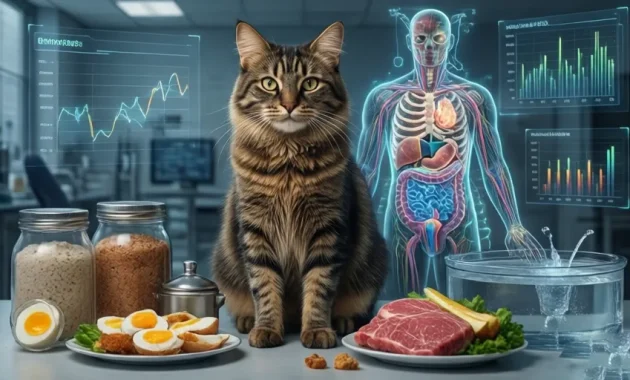
Modern companion animal medicine recognizes a fundamental truth: the domestic cat (Felis catus) is not a small dog, nor is it a biological omnivore with flexible metabolic pathways. The feline species is an obligate carnivore. This evolutionary specialization dictates their entire anatomical, enzymatic, and metabolic architecture. From the lack of salivary amylase in the mouth to a highly shortened large intestine and a continuous state of hepatic gluconeogenesis, the cat is genetically hardwired to convert animal tissue into energy.
For the modern pet owner, breeder, or veterinary professional, navigating feline nutrition requires moving past marketing buzzwords and diving into strict biochemistry. This comprehensive manual explores the core principles of feline nutritional science. We will analyze macro-nutrient requirements, examine the metabolic impact of whole food supplementation (such as eggs), map out the pathophysiology of common dietary toxicities, and detail the dietary management of complex conditions like Feline Lower Urinary Tract Disease (FLUTD) and post-sterilization metabolic decline.
The Evolutionary Biochemistry of the Obligate Carnivore
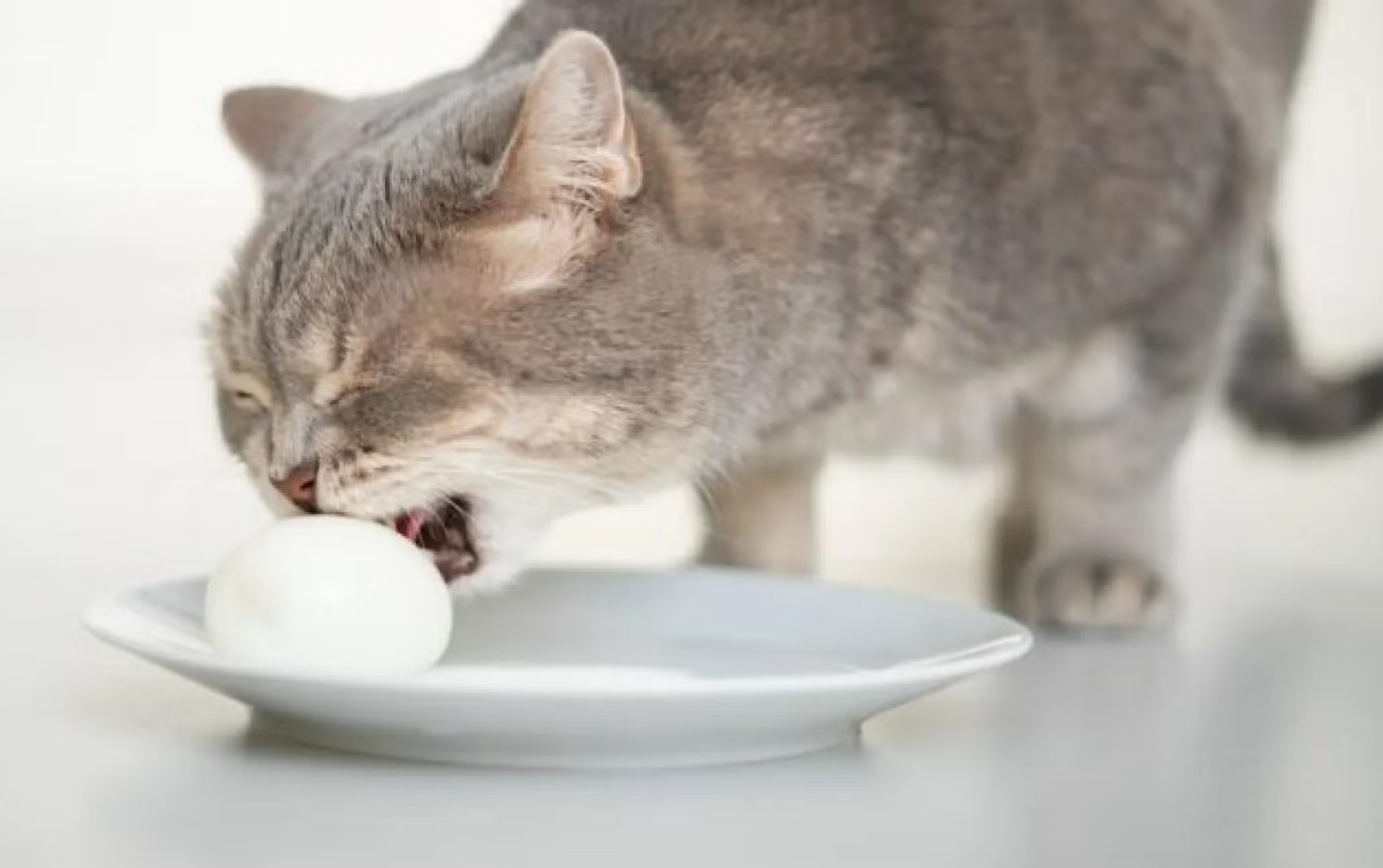
To understand what a cat needs in its food bowl, we must look at its evolutionary history. Developed in arid desert environments, the ancestors of the modern domestic cat survived on a self-caught diet composed entirely of small rodents, birds, reptiles, and insects. This ancestral prey matrix established specific metabolic rules that remain unchangeable today.
                 [ THE FELINE METABOLIC COMPASS ]
                                │
       +------------------------+------------------------+
       |                                                 |
 [ Nitrogen Drive ]                              [ Fluid Conservation ]
 - Continuous amino acid catabolism.             - Weak thirst drive.
 - Fixed hepatic enzyme activity.                - Highly concentrated urine.
 - High daily protein requirement.               - Prone to mineral precipitation.
1.1 Non-Adaptive Hepatic Enzyme Systems
Unlike omnivores or facultative carnivores (such as humans and dogs), the feline liver cannot adjust its enzyme activity based on the amount of protein coming in. When a dog or a human consumes a low-protein diet, their liver down-regulates transaminases and deaminases to conserve nitrogen.
A cat's liver cannot do this. The feline hepatic enzyme systems—specifically amino acid catabolic enzymes—are locked in a permanent, high-activity state. Whether a cat consumes a high-protein meal or is subjected to accidental fasting, its body continually breaks down amino acids at a rapid, fixed rate to generate energy. If dietary protein drops below the structural maintenance threshold, the feline body will rapidly catabolize its own skeletal muscle tissue to satisfy this baseline nitrogen demand.
1.2 Essential Amino Acid Requirements: Beyond the Standard Profiles
Felines require a high volume of total protein, along with specific animal-derived amino acids that their bodies cannot synthesize internally:
Taurine (2-aminoethanesulfonic acid): While most mammals synthesize taurine from precursor amino acids like cysteine and methionine, cats cannot. They have minimal activity of two key enzymes: cysteine dioxygenase and cysteinesulfinate decarboxylase. Furthermore, cats exclusively conjugate bile acids with taurine, rather than switching to glycine when taurine runs low. A deficiency in taurine causes irreversible Central Retinal Degeneration (CRD), which leads to blindness, and Dilated Cardiomyopathy (DCM), a fatal thinning of the heart muscle wall.
Arginine: Cats are exceptionally sensitive to arginine deficiency. Arginine is a vital intermediary in the urea cycle, which converts toxic ammonia (a byproduct of continuous protein breakdown) into urea for excretion through the kidneys. A single meal completely lacking in arginine can cause severe hyperammonemia (ammonia poisoning) within hours, leading to neurological symptoms, seizures, coma, and death.
Methionine and Cysteine: These sulfur-containing amino acids are required in high quantities to support the production of feline hair and keratin, and to facilitate hepatic detoxification pathways.
1.3 Carbohydrate Limitations and the Absence of Salivary Amylase
The feline digestive tract is designed to bypass carbohydrate digestion:
Anatomical Lack of Amylase: Cats lack the gene to produce salivary amylase, meaning the chemical breakdown of carbohydrates cannot begin in the mouth.
Down-Regulated Pancreatic and Intestinal Amylase: While the feline pancreas does secrete amylase to process starch in the small intestine, its activity is roughly 5% to 10% of that found in omnivorous dogs.
Hepatic Hexokinase vs. Glucokinase: In omnivores, a surge of glucose into the bloodstream triggers hepatic glucokinase to rapidly store it as glycogen. Cats lack functional hepatic glucokinase. They rely solely on hexokinase, an enzyme system that is easily overwhelmed by high-carbohydrate meals, often resulting in prolonged periods of high blood sugar (hyperglycemia) and an increased vulnerability to type-2 diabetes mellitus.
- 1.1 Non-Adaptive Hepatic Enzyme Systems
- 1.2 Essential Amino Acid Requirements: Beyond the Standard Profiles
- 1.3 Carbohydrate Limitations and the Absence of Salivary Amylase
Clinical Evaluation of Whole-Food Supplementation: The Egg Matrix
Given their strict meat-eating physiology, owners often look to whole-animal items like eggs as natural ways to supplement a commercial diet. Evaluating eggs from a clinical perspective requires looking closely at both their impressive nutritional benefits and their significant biological risks.
2.1 Macro and Micronutrient Analysis of the Feline Egg Matrix
                       [ BIOCHEMICAL PROFILE OF AN EGG ]
                                       │
       +-------------------------------+-------------------------------+
       |                                                               |
 [ Putih Telur (Albumin) ]                                  [ Kuning Telur (Vitellus) ]
 - Pure bioavailable protein.                               - Intensely dense lipids.
 - Complete essential amino acid chain.                     - High concentration of Linoleic & Arachidonic acids.
 - Contains zero carbohydrates or starches.                 - Rich in lipophilic vitamins (A, D3, E, K).
When cooked completely, an egg is a nutritional powerhouse for a cat, split into two highly distinct sections:
The Albumin (White) Layer: The white of the egg is an exceptionally pure source of protein with a near-perfect Biological Value (BV). It provides a clean, easily digestible sequence of essential amino acids that supports lean muscle growth and tissue repair without overloading the digestive tract with complex starches or fiber.
The Vitellus (Yolk) Layer: The yolk is packed with dense lipids and vital micronutrients. Crucially, it supplies essential Omega-3 and Omega-6 fatty acids, including linoleic acid and arachidonic acid. Cats cannot synthesize arachidonic acid from plant-based oils because they lack functional delta-6 desaturase enzymes; they must absorb it directly from animal fats. The yolk is also highly enriched with fat-soluble vitamins ($A$, $D_3$, $E$, $K$) and cobalamin ($B_{12}$), which together help maintain strong cellular walls, clear vision, sharp cognitive function, and healthy coat growth.
2.2 The Biotin Depletion Mechanism: Raw Egg White Pathophysiology
Despite these benefits, feeding raw eggs to a cat carries a distinct biochemical risk. Raw egg white contains a highly specific antinutritional glycoprotein called avidin.
[Raw Egg White Consumption] ──► [Active Avidin Enters Small Intestine]
                                            │
                                            ▼
[Avidin Binds Biotin (Vitamin B7)] ──► [Irreversible Molecular Complex]
                                            │
                                            ▼
[Zero Intestinal Absorption] ──► [Systemic Biotin Depletion / Dermatitis]
In the small intestine, active avidin binds directly to biotin (Vitamin B7) with an incredibly strong affinity. Biotin is a vital co-enzyme needed for fatty acid synthesis, amino acid catabolism, and gluconeogenesis. When avidin binds to it, it forms an unbreakable molecular complex that the feline body cannot absorb, flushing the vitamin out through the feces.
Over time, feeding raw egg whites causes systemic biotin depletion. This deficiency alters the skin barrier, leading to:
Severe scaly dermatitis and dry skin (stratum corneum degradation).
Hair follicle weakness and excessive shedding (alopecia).
Decreased energy production and lethargy.
The Clinical Solution: Thermal processing completely resolves this risk. Exposing egg whites to heat mendenaturates the avidin protein, unraveling its shape and permanently destroying its ability to bind biotin. Cooked egg whites are entirely safe and highly nutritious.
2.3 Microbial Risks: The Salmonella and E. coli Matrices
Raw eggs also carry a high risk of bacterial contamination from pathobiological agents like Salmonella enterica and Escherichia coli.
While a cat's highly acidic stomach ($\text{pH} \approx 1.0 - 2.0$) and rapid intestinal transit time provide some natural defense against bacteria, overwhelmed systems can still develop acute gastroenteritis. Affected cats will experience severe vomiting, watery or bloody diarrhea, high fevers, and dangerous dehydration.
Beyond the risk to the pet, feeding raw eggs creates a significant zoonotic hazard. Cats shedding Salmonella bacteria in their feces or carrying it on their fur can easily pass the infection to children, elderly family members, or anyone with a compromised immune system in the home.
2.4 Immunological Hypersensitivity (Food Allergies)
Like chicken, beef, and dairy, egg proteins can trigger a classic Type-I or Type-IV hypersensitivity reaction in sensitive cats. When the immune system mistakenly identifies egg glycoproteins as dangerous invaders, it triggers a massive release of histamine and inflammatory cytokines.
                  [ FOOD ALLERGY SYMPTOM SPECTRUM ]
                                  │
       +--------------------------+--------------------------+
       |                                                     |
 [ Cutaneous Symptoms ]                                      [ Gastrointestinal Symptoms ]
 - Severe itching (Pruritus).                                - Chronic vomiting (Emesis).
 - Face and neck scratching.                                 - Soft stools or diarrhea.
 - Red patches & hot spots (Eritema).                        - Poor nutrient absorption.
If your cat shows any of these signs after eating eggs, remove them from the diet immediately and work with your veterinarian to design a clean, limited-ingredient elimination diet.
The Pathophysiology of Common Feline Dietary Toxicities
Because cats have a unique liver metabolism, they are highly vulnerable to compounds that other species can easily digest. Understanding these vulnerabilities is critical for protecting them from accidental poisoning.
3.1 Hepatic Glucuronidation Deficiencies
The primary reason cats are so sensitive to toxins is a specific genetic limitation in their liver: a lack of functional UDP-glucuronosyltransferase (UGT1A1) enzymes.
[Omnivore Liver] ──► [UGT1A1 Enzyme Active] ──► [Glucuronide Conjugation] ──► [Safe Excretion]

[Feline Liver]   ──► [UGT1A1 Enzyme Absent] ──► [Metabolic Blockage]     ──► [Systemic Toxicity]
In omnivores, the liver uses a process called glucuronidation to attach a sugar molecule (glucuronic acid) to drugs, toxins, and plant compounds, making them water-soluble so they can be safely flushed out through the kidneys.
Because cats lack this pathway, they cannot process or clear phenols, essential oils, NSAIDs, or specific plant toxins. These compounds linger in the bloodstream, rapidly building up to lethal concentrations and causing severe organ damage.
3.2 Alium Species Toxicity (Onions, Garlic, Leeks, Chives)
All plants in the genus Allium contain compounds called organosulfoxides. When a cat chews these plants, these compounds are broken down into highly reactive oxidants like thiosulfates and disulfides.
[Allium Ingestion] ──► [Organosulfoxides Enter Bloodstream]
                                    │
                                    ▼
[Oxidative Stress on Erythrocytes] ──► [Hemoglobin Denaturation]
                                    │
                                    ▼
[Heinz Body Formation] ──► [Splenic Macrophage Destruction] ──► [Hemolytic Anemia]
These oxidants directly target and damage the membranes of red blood cells. Because feline hemoglobin molecules contain eight sensitive sulfhydryl groups (compared to only four in humans and dogs), they are uniquely vulnerable to oxidative damage.
The oxidants cause the hemoglobin to clump together, forming visible structures called Heinz bodies inside the red blood cells. The spleen recognizes these damaged cells as defective and systematically destroys them. This mass clearance results in acute Heinz body hemolytic anemia, leaving the cat weak, lethargic, with pale or yellow gums, a racing heart, and dark red or brown urine (hemoglobinuria).
3.3 The Methylxanthine Matrix (Theobromine and Caffeine)
Chocolate, coffee, and certain teas contain stimulant molecules known as methylxanthines—specifically theobromine and caffeine.
[Methylxanthine Ingestion] ──► [Competitive Inhibition of Adenosine Receptors]
                                              │
                                              ▼
[Accumulation of Cyclic AMP (cAMP)] ──► [Massive Calcium Influx in Muscle]
                                              │
                                              ▼
[Severe Tachycardia, Muscle Tremors, Grand Mal Seizures, and Death]
Once absorbed, these compounds block the body's natural adenosine receptors and inhibit the enzyme phosphodiesterase. This inhibition causes a rapid buildup of intracellular cyclic adenosine monophosphate (cAMP), triggering a massive release of calcium into cardiac and skeletal muscle cells.
Because cats break down and clear methylxanthines exceptionally slowly, even a tiny amount of dark chocolate can quickly cause severe poisoning. Symptoms progress rapidly from restlessness and vomiting to dangerous heart arrhythmias (tachycardia), rigid muscle tremors, seizures, and fatal respiratory failure.
Clinical Dietary Architecture for Feline Lower Urinary Tract Disease (FLUTD)
Feline Lower Urinary Tract Disease (FLUTD) represents a complex cluster of conditions affecting the bladder and urethra. Managing it successfully requires careful, long-term control over the mineral balance, pH, and overall hydration of the urinary system.
4.1 Crystalluria Kinetics: Struvite vs. Calcium Oxalate
When feline urine becomes overly crowded with dissolved mineral ions, those ions precipitate out of solution to form sharp microscopic crystals. If left unchecked, these crystals aggregate into solid stones (uroliths) or mix with mucus to form life-threatening urethral plugs.
   [STRUVITE CRYSTAL KINETICS]           [CALCIUM OXALATE KINETICS]
   - Molecular Formula: MgNH4PO4         - Molecular Formula: CaC2O4
   - Target Urine pH: > 6.5 (Alkaline)   - Target Urine pH: < 6.0 (Acidic)
   - Soluble via Dietary Acidification   - Highly Insoluble; Requires Surgery
Struvite (Magnesium Ammonium Phosphate): These crystals look like clear, coffin-lid prisms under a microscope. They thrive and grow in neutral to alkaline urine ($\text{pH} > 6.5$). Because struvite structures are highly sensitive to pH changes, maintaining a mildly acidic urine profile can actively dissolve existing crystals and prevent new ones from forming.
Calcium Oxalate: These crystals appear as sharp, square envelopes or distinct dumbbell shapes. They form primarily in acidic urine ($\text{pH} < 6.0$). Unlike struvite, calcium oxalate stones cannot be dissolved with food or medication. Once they form, they must be surgically removed or mechanically flushed out of the bladder.
4.2 Mathematical Optimization of Urine Saturation and Specific Gravity
To prevent stones from forming, veterinary nutritionists look at a metric called Relative Super Saturation (RSS). RSS uses complex software to evaluate multiple variables in the urine—including pH, mineral concentrations, and interaction values—to calculate the exact probability of crystal growth.
                   [ URINE SPECIFIC GRAVITY (USG) MATRIX ]
                                      │
       +------------------------------+------------------------------+
       |                                                             |
 [ Concentrated Urine: USG > 1.045 ]           [ Diluted Urine: USG < 1.035 ]
 - High risk of crystal precipitation.        - Low ion density (Separated minerals).
 - Promotes urine retention.                  - High fluid throughput (Frequent flushing).
 - Driven by exclusive dry food diets.        - Achieved via high-moisture wet food.
To achieve a safe, metastable RSS zone, we must adjust the Urine Specific Gravity (USG), which measures how concentrated the urine is. Cats on dry food diets often maintain a high USG ($\text{USG} > 1.045$), indicating thick, highly concentrated urine that allows minerals to crowd together and bind into stones.
The primary goal of managing FLUTD is to lower this value below 1.035. Diluted urine lowers the overall density of mineral ions, making it physically difficult for them to meet and form crystals, while encouraging regular urination to flush the bladder clean.
4.3 Nutritional Mechanics of Dry and Wet Formulations
Premium urinary diets use specific nutritional engineering to stabilize the bladder environment:
Controlled Mineral Satiety: These foods strictly limit dietary magnesium and phosphorus, starving struvite crystals of the raw materials they need to build their matrix.
Targeted Urinary pH Control: By balancing amino acids like methionine with specific mineral salts, these diets keep urine pH consistently in the ideal 6.0 to 6.3 window. This precise range is acidic enough to dissolve struvite aggregates without becoming so acidic that it triggers calcium oxalate formation.
The Moisture Delivery System: Incorporating premium wet food formulas is one of the most effective ways to treat FLUTD. High-moisture food increases daily water intake directly with meals, lowering the USG and increasing fluid throughput to naturally protect the bladder.
Anti-Inflammatory Lipids: Advanced urinary formulas are enriched with marine-derived Omega-3 Fatty Acids (EPA/DHA). These essential fats help block inflammatory pathways, soothing the sensitive, irritated bladder wall during painful flare-ups.
Post-Sterilization Metabolic Shift and Nutritional Adjustments
Surgical sterilization (spaying and neutering) is vital for population control and eliminates many reproductive diseases. However, removing the gonads significantly impacts a cat's internal hormone balance and metabolism.
[Gonadectomy / Sterilization] ──► [Loss of Estrogen & Testosterone]
                                             │
                                             ▼
[20% to 30% Drop in Metabolic Rate] ──► [Appetite Center Disinhibition]
                                             │
                                             ▼
[Adipose Deposition / Fat Gain]     ──► [Insulin Resistance & Joint Stress]
5.1 The Sudden Decline in Basal Metabolic Rate
Within days of removing the ovaries or testicles, a cat's circulating levels of estrogen and testosterone drop to near zero. Because these hormones naturally regulate energy burn and keep physical activity high, their absence causes the cat's Basal Metabolic Rate (BMR) to drop by 20% to 30%.
Compounding the problem, this hormonal shift removes the natural chemical brakes on the brain's appetite center, causing the cat to crave more food even though its body requires significantly less energy.
5.2 The Pathophysiology of Feline Obesity and Insulin Resistance
If an owner continues to feed the same volume of food after sterilization, the cat will rapidly store those unburned calories as fat. This accumulation of adipose tissue is not just an aesthetic issue; fat tissue is highly active metabolically and secretes a constant stream of pro-inflammatory signals (adipokines).
This chronic, low-grade inflammation causes down-regulation of insulin receptors across the body, resulting in insulin resistance. Over time, the pancreas becomes exhausted trying to pump out enough insulin to manage blood sugar, eventually leading to clinical Type-2 Feline Diabetes Mellitus. Excess weight also puts heavy mechanical strain on the joints, accelerating arthritis and limiting the cat's ability to exercise.
5.3 Designing a Post-Sterilization Feeding Strategy
To prevent weight gain and keep a sterilized cat lean and healthy, you must change how you manage their daily nutrition:
                  [ MANAGEMENT POST-STERILIZATION ]
                                  │
       +--------------------------+--------------------------+
       |                                                     |
 [ Caloric Control & Fiber ]                                 [ Physical Stimulation ]
 - Switch to low-density, high-fiber food.                   - Interactive wand play harian.
 - Strict portion control (Weigh with scale).                - Vertical climbing spaces.
 - Keeps cat full without extra calories.                    - Puzzle toys for feeding.
Immediate Caloric Reduction: Reduce your cat's total daily calorie intake by 20% to 30% right after surgery, or switch them to a specialized Sterilized/Weight Management food.
High-Fiber Architecture: Look for diets with higher levels of dietary fiber. Fiber adds healthy bulk to the food, letting your cat eat a satisfying volume and feel full without consuming excess calories.
Strict Weight-Based Portions: Stop the practice of "free-feeding" or guessing portions. Use a digital kitchen scale to weigh out precise portions down to the gram, adapting the amount based on regular body condition score evaluations.
Enriched Environment and Active Play: Counteract a slow metabolism by scheduling at least two 15-minute sessions of active, interactive play every day. Using toys that mimic hunting encourages your cat to run, jump, and stay active, protecting their lean muscle mass and supporting long-term health.
Comprehensive Comparative Reference Matrix
To assist owners and veterinary professionals in making quick, safe dietary decisions, the following matrix outlines the clinical evaluation, safety status, and primary physiological impacts of various whole-food supplements and dietary components for felines.
| Dietary Component / Item | Safety Classification | Primary Physiological / Metabolic Impact | Maximum Recommended Intake | Clinical Contraindications & Warning Signs |
| Cooked Egg Albumin (White) | Safe / Highly Beneficial | Provides exceptionally high bioavailable protein for muscle repair and structural growth; contains complete essential amino acid profiles. | Part of a maximum 1 cooked egg per week allotment (split into small treats). | Do not serve raw (risk of avidin-induced biotin deficiency). Monitor for signs of food allergy (pruritus, vomiting). |
| Cooked Egg Vitellus (Yolk) | Safe / Nutritionally Dense | Delivers essential arachidonic and linoleic fatty acids; rich in fat-soluble vitamins ($A, D_3, E$) to support coat and skin integrity. | Part of a maximum 1 cooked egg per week allotment. | High caloric and lipid density. Contraindicated for cats suffering from acute pancreatitis, severe hyperlipidemia, or obesity. |
| Raw Eggs (Whole or Separated) | Toxic / High Risk | Introduces active avidin which blocks biotin absorption; carries high risk of pathogenic Salmonella and E. coli infections. | 0% — Never permissible. | Causes dermatitis, severe alopecia, acute bacterial gastroenteritis, and presents a zoonotic hazard to humans. |
| Onions, Garlic, & Allium Genus | Lethal / Toxic | Organosulfoxides induce severe oxidative stress on erythrocytes, causing hemoglobin denaturation and mass cell breakdown. | 0% — Never permissible. | Triggers Heinz body hemolytic anemia. Watch for pale/icteric mucous membranes, lethargy, tachycardia, and dark red urine. |
| Dark Chocolate & Caffeine | Lethal / Toxic | Methylxanthines inhibit phosphodiesterase, causing an uncontrolled buildup of cAMP and massive calcium influx in muscle tissues. | 0% — Never permissible. | Causes central nervous system and cardiac overstimulation. Watch for vomiting, severe muscle tremors, arrhythmias, and seizures. |
| Specialized Urinary Wet Food | Highly Therapeutic | Lowers Urine Specific Gravity (USG < 1.035) via direct moisture delivery; controls magnesium and phosphorus to balance RSS. | Can safely compose 100% of the daily maintenance ration for prone cats. | Ensure the target urine pH remains balanced between 6.0–6.3; do not combine with unapproved urinary acidifying supplements. |
Detailed FAQ
1. Why are cats considered obligate carnivores?
Cats are obligate carnivores because their bodies are biologically designed to obtain nutrients primarily from animal tissues. They require specific nutrients such as taurine, arginine, arachidonic acid, and certain amino acids that are naturally abundant in meat but difficult or impossible for cats to produce in sufficient quantities on their own.
2. Why do cats need more protein than dogs or humans?
Cats have a continuously active protein metabolism. Their liver constantly breaks down amino acids for energy, even when dietary protein intake is low. Because of this unique metabolism, cats require a significantly higher percentage of protein in their diet compared to most other mammals.
3. What happens if a cat does not get enough taurine?
Taurine deficiency can lead to serious and irreversible health conditions, including retinal degeneration, blindness, weakened immune function, reproductive problems, and dilated cardiomyopathy (DCM), a potentially fatal heart disease.
4. Why is arginine essential for cats?
Arginine plays a critical role in the urea cycle, which removes toxic ammonia from the body. Even a single meal lacking adequate arginine can cause ammonia poisoning, resulting in neurological symptoms, seizures, coma, and potentially death.
5. Can cats digest carbohydrates?
Cats can digest small amounts of carbohydrates, but they are not biologically adapted to process large quantities. Their digestive systems produce lower levels of carbohydrate-digesting enzymes, and excessive carbohydrate consumption may contribute to obesity, insulin resistance, and diabetes.
6. Are eggs safe for cats?
Yes, fully cooked eggs can be a nutritious supplement for cats. Cooked eggs provide highly digestible protein, essential amino acids, healthy fats, and important vitamins. However, eggs should be offered in moderation as a supplement rather than a complete diet.
7. Why should cats never eat raw egg whites?
Raw egg whites contain avidin, a protein that binds to biotin (Vitamin B7) and prevents its absorption. Long-term consumption can lead to biotin deficiency, resulting in skin problems, poor coat quality, excessive shedding, and reduced energy levels.
8. What are the risks of feeding raw eggs to cats?
Raw eggs may contain harmful bacteria such as Salmonella and Escherichia coli. These pathogens can cause vomiting, diarrhea, fever, dehydration, and can also create health risks for people living in the same household.
9. Can cats be allergic to eggs?
Yes. Some cats may develop food allergies to egg proteins. Common symptoms include itching, excessive scratching, skin inflammation, vomiting, diarrhea, and chronic digestive upset.
10. Why are onions and garlic toxic to cats?
Onions, garlic, leeks, and chives contain compounds that damage red blood cells. This damage can lead to Heinz body hemolytic anemia, a potentially life-threatening condition characterized by weakness, pale gums, jaundice, and dark-colored urine.
11. Is chocolate dangerous for cats?
Yes. Chocolate contains methylxanthines such as theobromine and caffeine, which are highly toxic to cats. Even small amounts can cause vomiting, rapid heart rate, tremors, seizures, and death.
12. Why are cats more sensitive to toxins than many other animals?
Cats have limited liver detoxification pathways, particularly reduced glucuronidation capacity. This makes them less capable of safely metabolizing certain drugs, plant compounds, essential oils, and food toxins.
13. What is FLUTD?
Feline Lower Urinary Tract Disease (FLUTD) is a group of disorders affecting the bladder and urethra. It can involve inflammation, crystal formation, urinary obstruction, bladder stones, and painful urination.
14. What causes urinary crystals in cats?
Urinary crystals form when minerals in the urine become overly concentrated. Factors such as low water intake, improper urine pH, obesity, stress, and unsuitable diets can increase the risk.
15. What is the difference between struvite and calcium oxalate crystals?
Struvite crystals typically form in alkaline urine and can often be dissolved through dietary management. Calcium oxalate crystals form in acidic urine and generally require surgical removal because they cannot be dissolved through diet alone.
16. Why is wet food beneficial for cats with FLUTD?
Wet food increases overall water consumption, dilutes urine, lowers urine concentration, and encourages frequent urination. This helps reduce crystal formation and supports bladder health.
17. What urine pH is generally targeted in urinary diets?
Many veterinary urinary diets aim for a mildly acidic urine pH, often between 6.0 and 6.3, to reduce the likelihood of struvite crystal formation while avoiding excessive acidity.
18. How does sterilization affect a cat's metabolism?
After spaying or neutering, a cat's metabolic rate can decrease by approximately 20–30%. At the same time, appetite often increases, making weight gain much more likely if food intake is not adjusted.
19. Why do sterilized cats gain weight more easily?
The reduction in reproductive hormones lowers energy expenditure while increasing hunger signals. Without portion control and exercise, excess calories are stored as body fat.
20. What type of diet is best for sterilized cats?
Sterilized cats generally benefit from calorie-controlled diets that contain high-quality protein, moderate fat levels, and increased fiber to promote satiety while maintaining lean muscle mass.
21. How can owners prevent obesity after sterilization?
Owners should measure food portions accurately, avoid free-feeding, provide daily interactive exercise, monitor body condition regularly, and consider specialized sterilized-cat diets.
22. Why is hydration so important for cats?
Cats naturally have a low thirst drive due to their desert ancestry. Adequate hydration helps support kidney function, maintain urinary tract health, reduce crystal formation, and improve overall metabolic performance.
23. How often can cats safely eat cooked eggs?
For most healthy adult cats, small portions of cooked egg can be offered occasionally as a treat, typically no more than about one egg per week divided into several servings, depending on the cat's size and dietary needs.
Warning signs include vomiting, diarrhea, excessive scratching, hair loss, skin inflammation, poor coat quality, weight changes, urinary problems, lethargy, and loss of appetite.
25. What is the most important principle of feline nutrition?
The most important principle is providing a biologically appropriate, animal-protein-focused diet that meets essential amino acid requirements while maintaining proper hydration, weight control, and long-term metabolic health.