The Burmilla Cat: Complete Breed Profile and Genetic Overview
2 months ago
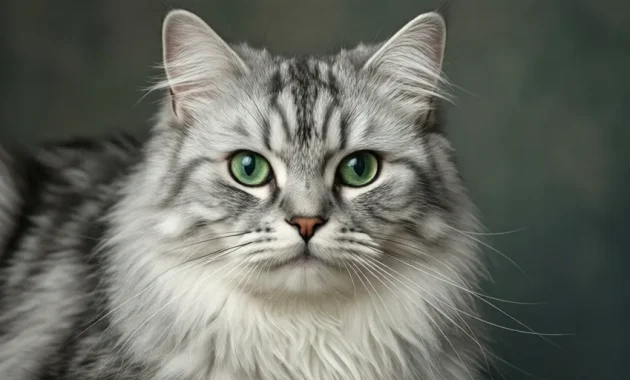
The Burmilla is a rare, mid-sized feline breed that originated in the United Kingdom. It is highly valued for its striking shaded-silver coat and stable, people-oriented temperament. The breed developed from an accidental cross between a Chinchilla Persian and a Burmese cat, combining the elegant, expressive appearance of the Persian with the intelligent, affectionate personality of the Burmese.
Core Breed Demographics and Physiological Metrics
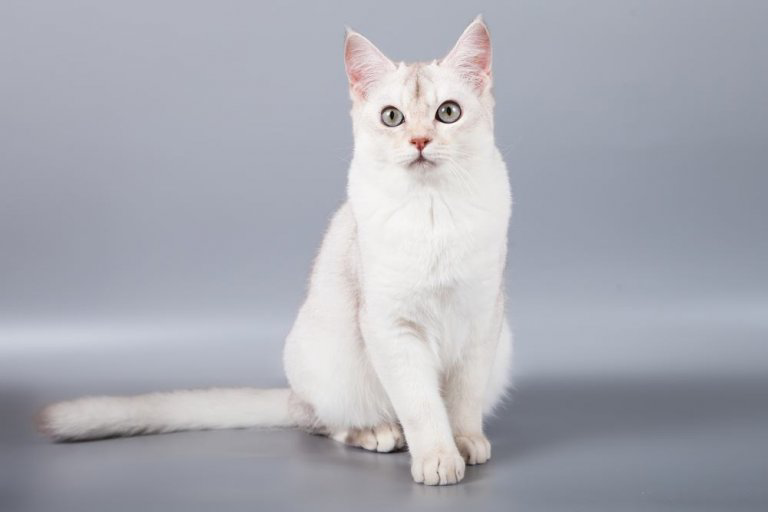
               [ PHYLO-GENETIC ORIGIN MATRIX ]
                              │
     [ Chinchilla Persian ♂ ] ✖ [ Lilac Burmese ♀ ]
                              │
                      [ The Burmilla ]
       - Shaded/Tipped Silver Coat (Agouti Modifiers)
       - Semi-Cobby, Muscular Substructure
The Burmilla is structurally well-proportioned, possessing a solid skeletal frame and a compact, muscular build that reflects its Burmese lineage.
Geographic Origin: United Kingdom (Established circa 1981).
Average Height Profile: 8 to 10 inches (20.3 to 25.4 cm) at the shoulder.
Adult Mass Range: 8 to 12 pounds (3.6 to 5.4 kg).
Expected Lifespan: 15 to 18+ years under optimal care.
Taxonomic Group: Medium-sized shorthair and semi-longhair companion feline.
Market Valuation: $500 to $2,000 USD (Reflecting its rarity in global registries).
- Anatomical and Visual Standards
- Temperament, Behavior, and Environmental Needs
- Care, Nutrition, and Health Management
- FAQ (Frequently Asked Questions)
- 1. What is a Burmilla cat?
- 2. How did the Burmilla breed originate?
- 3. Is the Burmilla a rare cat breed?
- 4. How big do Burmilla cats get?
- 5. How long do Burmilla cats live?
- 6. Are Burmilla cats good family pets?
- 7. Are Burmilla cats good with children?
- 8. Do Burmillas get along with dogs?
- 9. What is the personality of a Burmilla cat?
- 10. Are Burmilla cats vocal?
- 11. Do Burmillas like attention?
- 12. Can Burmillas be left alone for long periods?
- 13. Should I get a second pet for my Burmilla?
- 14. What color are Burmilla eyes?
- 15. Why do Burmilla cats look like they are wearing eyeliner?
- 16. What coat colors are accepted in Burmillas?
- 17. What is a shaded silver coat?
- 18. Are there both shorthaired and longhaired Burmillas?
- 19. Do Burmillas shed a lot?
- 20. How often should a Burmilla be groomed?
- 21. Are Burmilla cats hypoallergenic?
- 22. What diet is best for a Burmilla?
- 23. Are Burmillas prone to obesity?
- 24. Is wet food recommended for Burmillas?
- 25. Should Burmillas be free-fed?
- 26. Are Burmillas healthy cats?
- 27. What is Polycystic Kidney Disease (PKD)?
- 28. Is PKD common in Burmillas?
- 29. What is Hypertrophic Cardiomyopathy (HCM)?
- 30. How can owners monitor for HCM?
- 31. Are Burmillas active cats?
- 32. What toys do Burmillas enjoy?
- 33. Are Burmillas intelligent?
- 34. How much does a Burmilla kitten cost?
- 35. Is a Burmilla suitable for first-time cat owners?
Anatomical and Visual Standards
The Burmilla's physical appearance is defined by distinctive facial framing and a shimmering, shaded coat.
       [ BURMILLA FACIAL FRAMEWAY ]
 _______________________________________
 │  (O)  [Oblique, Vivid Green Eyes]     │
 │   │                                   │
 │  [━]  [Dark Ocular "Makeup" Borders]  │
 _______________________________________
Ocular Dynamics
The eyes are large, expressive, placed wide apart, and set at a slightly oblique angle. The standard requires a clean, vivid shade of green.
Developmental Variations: Kittens and young cats under 24 months old may show a transient yellow or amber hue. Full amber eyes are permitted only in red, cream, and tortoiseshell-tabby (torbie) variations.
Facial Liner: The margins of the eyes, nose, and lips are bordered by dark pigment lines. This creates a striking "makeup" effect that accentuates their facial features.
Cranial and Structural Outlines
Cranial Form: The head features a gently rounded crown that is widest at the brow level and jaw hinges, tapering down to a blunt, wedged muzzle. The profile shows a gentle curve or dip at the nasal bridge, with the tip of the nose aligning vertically with the chin.
Appendages: The legs are well-boned and proportional to the torso, with the hind limbs slightly longer than the front. The paws are shaped into neat, compact ovals.
Tail: Medium to long, tapering gradually toward a rounded tip. Semi-longhair variants feature elegant, dense plumage along the length of the tail.
Coat Characteristics and Shading Mechanics
The coat is dense and silky, soft to the touch with fine hairs and a plush undercoat. Genetically, the Burmilla coat displays silvering driven by inhibitor genes:
[Pure White Undercoat] ──► [Agouti Silver Ground] ──► [Color Tipping / Shading]
The top layer displays precise color tipping or shading in black, brown, blue, chocolate, lilac, caramel, beige, or apricot. The color of the nose leather and paw pads matches the primary coat color.
Temperament, Behavior, and Environmental Needs
The Burmilla combines the energetic playfulness of the Burmese with the calm, serene nature of the Chinchilla Persian.
Social Intelligence: Highly people-oriented, gentle, and affectionate. They form strong bonds with family members and adapt well to children and cat-friendly dogs.
Activity Dynamics: Playful and curious without being hyperactive. They are quiet cats that rarely vocalize or demand attention, though they thrive on regular human interaction.
Separation Sensitivity: Low tolerance for long periods of isolation. The Burmilla is a highly social breed; leaving them alone for extended stretches can lead to separation anxiety and stress. Households where owners are away for most of the day should consider a different breed or ensure the cat has a companion pet.
Care, Nutrition, and Health Management
Maintaining a Burmilla's health requires a proactive approach to diet and regular grooming.
                  [ MEDICAL MANAGEMENT ARCHITECTURE ]
                                   │
         +─────────────────────────┴─────────────────────────+
         │                                                   │
  [ Dietary Control ]                                 [ Preventive Screening ]
  - High Protein / Minimal Carbohydrates.             - Polycystic Kidney Disease (PKD).
  - Strict portion controls to counter obesity.        - Regular echocardiograms for HCM.
Nutritional Architecture
Burmillas have a natural tendency to gain weight as they age and their activity levels slow down. To prevent obesity, they require a diet high in animal-source proteins with minimal carbohydrates. Avoid free-feeding dry kibble; instead, use strictly measured portions of high-moisture canned wet food to protect their urinary tract and keep them at a healthy weight.
Routine Maintenance
Shorthair variants need a quick brushing once or twice a week with a slicker brush to remove loose hair and control shedding. Semi-longhair variants require more frequent grooming—three to four times a week—to prevent mats and tangles in their silky undercoat.
Breed-Specific Health Concerns
While generally a hardy, long-lived breed, the Burmilla's Persian and Burmese ancestry introduces risks for specific genetic conditions:
Polycystic Kidney Disease (PKD): A condition inherited from the Persian line where fluid-filled cysts develop in the kidneys, potentially leading to renal failure. Reputable breeders use DNA testing to screen out affected cats.
Hypertrophic Cardiomyopathy (HCM): A structural thickening of the heart muscle. Annual veterinary echocardiograms are recommended to monitor heart health.
FAQ (Frequently Asked Questions)
1. What is a Burmilla cat?
The Burmilla is a rare cat breed developed in the United Kingdom from a cross between a Chinchilla Persian and a Burmese cat. It is known for its silver-shaded coat, bright green eyes, and affectionate personality.
2. How did the Burmilla breed originate?
The breed originated accidentally in 1981 when a male Chinchilla Persian was bred with a female Lilac Burmese. The resulting kittens displayed a unique appearance that led to the establishment of the Burmilla breed.
3. Is the Burmilla a rare cat breed?
Yes. The Burmilla remains relatively rare worldwide and is less common than many other pedigree cat breeds.
4. How big do Burmilla cats get?
Adult Burmillas typically weigh between 8 and 12 pounds (3.6–5.4 kg) and stand approximately 8 to 10 inches (20–25 cm) tall at the shoulder.
5. How long do Burmilla cats live?
With proper care, Burmillas often live between 15 and 18 years, and some may live even longer.
6. Are Burmilla cats good family pets?
Yes. Burmillas are known for being affectionate, gentle, and adaptable, making them excellent companions for families, singles, and seniors.
7. Are Burmilla cats good with children?
Generally, yes. Their patient and friendly nature allows them to interact well with respectful children.
8. Do Burmillas get along with dogs?
Yes. Burmillas typically coexist well with cat-friendly dogs when introduced properly.
9. What is the personality of a Burmilla cat?
Burmillas are:
- Affectionate
- Intelligent
- Playful
- Social
- Curious
- Gentle
- Moderately active
They enjoy spending time with their owners but are not usually overly demanding.
10. Are Burmilla cats vocal?
No. Compared to some breeds, Burmillas are relatively quiet and communicate with soft, pleasant vocalizations.
11. Do Burmillas like attention?
Yes. They enjoy companionship and interaction with family members, although they are generally less demanding than Burmese cats.
12. Can Burmillas be left alone for long periods?
Not ideally. Burmillas are highly social cats and may experience loneliness or separation-related stress if left alone for extended periods regularly.
13. Should I get a second pet for my Burmilla?
Many Burmillas benefit from having another compatible cat or pet companion, especially in households where people are away during the day.
14. What color are Burmilla eyes?
Most Burmillas have large, vivid green eyes, which are considered one of the breed's defining features.
15. Why do Burmilla cats look like they are wearing eyeliner?
Dark pigmentation around the eyes, nose, and lips creates a natural "makeup" effect that enhances their facial expression.
16. What coat colors are accepted in Burmillas?
Accepted shading and tipping colors include:
- Black
- Brown
- Blue
- Chocolate
- Lilac
- Caramel
- Beige
- Apricot
17. What is a shaded silver coat?
A shaded silver coat features a white or silver undercoat with darker pigment concentrated toward the tips of the hairs, creating a shimmering appearance.
18. Are there both shorthaired and longhaired Burmillas?
Yes. The breed exists in both shorthaired and semi-longhaired varieties.
19. Do Burmillas shed a lot?
Burmillas shed moderately. Regular brushing helps reduce loose hair and keeps the coat healthy.
20. How often should a Burmilla be groomed?
Recommended grooming schedules include:
- Shorthaired Burmillas: 1–2 brushings per week
- Semi-longhaired Burmillas: 3–4 brushings per week
21. Are Burmilla cats hypoallergenic?
No. Burmillas are not considered hypoallergenic and still produce allergens that may affect sensitive individuals.
22. What diet is best for a Burmilla?
A high-quality diet rich in animal protein and low in carbohydrates is generally recommended to support healthy muscle mass and prevent obesity.
23. Are Burmillas prone to obesity?
Yes. As they age, Burmillas may gain weight if calorie intake exceeds activity levels.
24. Is wet food recommended for Burmillas?
Yes. Wet food helps support hydration, urinary tract health, and weight management.
25. Should Burmillas be free-fed?
Free-feeding is generally discouraged because the breed has a tendency toward weight gain. Measured meal portions are usually preferred.
26. Are Burmillas healthy cats?
Overall, Burmillas are considered a healthy and long-lived breed, but they may inherit certain genetic conditions from their ancestral breeds.
27. What is Polycystic Kidney Disease (PKD)?
PKD is an inherited disorder that causes fluid-filled cysts to develop in the kidneys, potentially leading to kidney failure over time.
28. Is PKD common in Burmillas?
The risk exists due to the breed's Persian ancestry, which is why responsible breeders often perform genetic screening.
29. What is Hypertrophic Cardiomyopathy (HCM)?
HCM is a heart disease that causes abnormal thickening of the heart muscle and can affect blood circulation and overall cardiac function.
30. How can owners monitor for HCM?
Regular veterinary examinations and periodic echocardiograms can help detect heart abnormalities early.
31. Are Burmillas active cats?
Yes. They enjoy play and exploration but are generally less hyperactive than some highly energetic breeds.
32. What toys do Burmillas enjoy?
They often enjoy:
- Puzzle feeders
- Interactive wand toys
- Ball toys
- Climbing structures
- Treat-dispensing toys
33. Are Burmillas intelligent?
Yes. Burmillas are highly intelligent and can quickly learn routines, household rules, and interactive games.
34. How much does a Burmilla kitten cost?
Depending on pedigree, breeder reputation, and location, Burmilla kittens typically cost between $500 and $2,000 USD.
35. Is a Burmilla suitable for first-time cat owners?
Yes. Their friendly nature, moderate grooming needs, and affectionate personality make them an excellent choice for many first-time cat owners.