The California Spangled Cat: Genetic Architecture, Conservation History, and Breed Dynamics
2 months ago
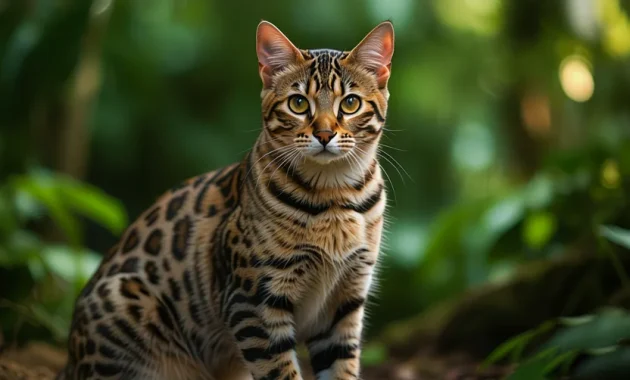
The California Spangled Cat is one of the most sophisticated endeavors in domestic feline genetic engineering. Developed to mirror the aesthetic of wild leopards without utilizing wild-hybrid DNA, this breed represents a unique intersection of anthropological conservation, complex multi-lineage breeding, and distinct physical phenotypes.
Despite its high-profile public debut in the mid-1980s, the breed remains exceptionally rare and faces potential extinction. This comprehensive monograph analyzes the historical timeline, genetic foundation, morphological benchmarks, and behavioral traits of the California Spangled Cat.
Conservation Heritage: The Leakey-Casey Conservation Initiative
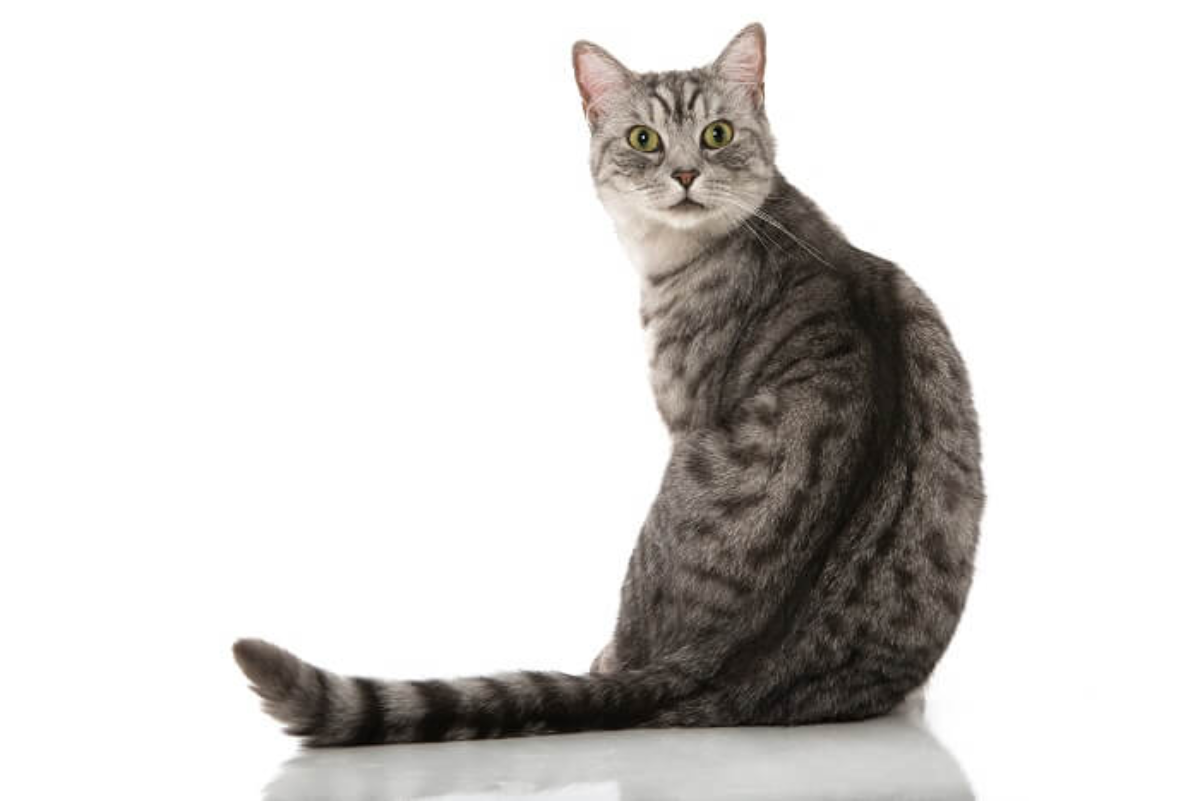
The origin of the California Spangled Cat stems from an environmental conservation campaign rather than standard companion animal breeding.
The Poaching Crisis Response
In 1971, renowned anthropologist Dr. Louis Leakey and playwright Paul Casey conceptualized a unique strategy to combat illegal leopard poaching in South and Central America. Observing that affluent consumers routinely purchased exotic fur pelts, Leakey and Casey hypothesized that if consumers developed an emotional bond with a domestic house cat that perfectly resembled a mini-leopard, their psychological desire to wear wild leopard pelts would diminish.
       [Conservation Thesis (1971)]
       Exotic Pelt Demand ──► Cultivate "House Leopard" ──► Psychological Bonding ──► Reduced Poaching
The Neiman Marcus Debut
After more than a decade of precise genetic selection, Casey perfected the breed in 1985. The California Spangled Cat made its public debut in the 1986 Neiman Marcus Christmas Catalog, marketed as an exotic luxury companion with a price tag of $1,400 (with optional week-long training sessions with Casey for $2,500). A portion of these funds went directly to wild cat conservation initiatives.
Genetic Foundation: Non-Hybrid Ancestral Mapping
Unlike modern wild-looking breeds such as the Bengal or Savannah—which rely on direct hybridization with wild species like the Asian Leopard Cat or Serval—the California Spangled Cat is 100% domestic (Felis catus). Casey isolated specific wild phenotypes by combining five distinct domestic breeds:
    [Abyssinian]         [Siamese]        [American Shorthair]   [British Shorthair]    [Angora]
  (Ticked Coat/Agouti)  (Sleek Frame)       (Sturdy Musculature)    (Bone Density)    (Soft Texture)
            │                │                       │                     │                 │
            └────────────────┴───────────┬───────────┴─────────────────────┴─────────────────┘
                                         ▼
                             [California Spangled Cat]
Abyssinian: Integrated to introduce the agouti gene, ticked coat modifiers, and high athletic capacity.
Siamese (Old-Style/Traditional): Leveraged to streamline the bone structure, lengthen the torso, and introduce athletic fluid movement.
American Shorthair & British Shorthair: Crossed to inject robust skeletal density, muscular power, and blockier jaw structure.
Angora: Utilized briefly to refine the texture of the coat, giving the final shorthair product a plush, soft feel.
Morphological Benchmarks & Breed Standards
The physical profile of the California Spangled Cat is defined by a muscular, athletic frame combined with high-contrast coat patterning.
                       [Phenotypic Metrics]
                                │
         ┌──────────────────────┼──────────────────────┐
         ▼                      ▼                      ▼
  [Somatic Frame]       [Craniofacial Specs]     [Coat Topography]
  • Height: 8" - 10"     • Almond-shaped eyes     • Plush, low-maintenance
  • Weight: 9 - 15 lbs   • Prominent whisker pads • Block/Rosette spots
  • Cylindrical trunk    • Wide ocular spacing    • Stark base contrast
Somatic Frame and Locomotor Mechanics
Adult males typically weigh between 11 and 15 pounds, while females average 9 to 12 pounds, standing at a height of 8" to 10". The body is long, cylindrical, and low-slung, mimicking the low-profile stalking gait of a wild panther. The limbs are heavily muscled and built for high-altitude jumping.
Craniofacial Architecture
The head is medium-sized with prominent, well-developed whisker pads and a strong chin contour. The ears are medium-to-small with rounded tips, avoiding the large, pointed ears common in typical domestic cats.
The eyes are almond-shaped and set exactly one eye-width apart. Ocular pigmentation matches coat genetics:
Standard Variations: Green or golden-hazel irises.
Snow Leopard (White) Variation: Deep blue irises.
Coat Topography and Color Morphs
The hair is short, fine, and plush. The defining trait is the spotted pattern. Unlike simple mackerel tabby stripes, the spots on a California Spangled Cat are distinct blocks, ovals, or rosettes distributed across the back and flanks, contrasted against a lighter background.
Behavioral Profiles & Ontogeny
The character of the California Spangled Cat stands in direct contrast to its wild appearance, displaying a highly affectionate and social domestic temperament.
Prolonged Ontogeny: This breed features a slow maturation rate. Kittens require at least 24 months of metabolic development to attain their full skeletal size, muscular density, and final coat contrast.
Vertical Drive: Due to their muscular build, these cats have a strong instinctual drive for vertical spaces. They require tall perches and climbing trees to feel secure.
Social Dependency: Highly intelligent and communicative, this breed forms close bonds with its family. They have a low tolerance for isolation and are prone to behavioral stress if left alone for long periods.
Care, Nutrition, and Extinction Status
Because the California Spangled Cat maintains a high ratio of lean muscle mass, its nutritional plan should feature high-protein, low-carbohydrate formulas. They have no unique breed-specific genetic diseases, giving them a long life expectancy of 9 to 16 years.
Today, the breed is on the verge of extinction. The rapid rise of the Bengal cat in the late 1980s and 1990s overshadowed the California Spangled Cat, causing the breeding pool to shrink drastically. Because they are rarely found in public shelters, prospective owners must look out for mixed-breed lookalikes or contact boutique preservation catteries dedicated to saving this historic line.
FAQ – California Spangled Cat (Detailed)
1. What is the California Spangled Cat?
The California Spangled Cat is a rare domestic cat breed developed through selective breeding to resemble wild leopards. Despite its exotic appearance, it contains no wild DNA and is fully derived from domestic cat breeds.
2. Is the California Spangled Cat a hybrid with wild cats?
No. Unlike Bengal or Savannah cats, the California Spangled Cat is 100% domestic (Felis catus). It was created using multiple domestic breeds to reproduce wild-looking coat patterns without any hybridization.
3. Why was the breed originally created?
The breed was developed as part of a conservation-inspired initiative to reduce demand for wild leopard pelts. The idea was that emotionally bonding with a “mini leopard” companion could reduce consumer interest in real leopard fur.
4. Which breeds contributed to its development?
The California Spangled Cat was developed using selective traits from: Abyssinian, Siamese, American Shorthair, British Shorthair, and Angora cats. Each contributed to coat pattern, structure, musculature, and texture.
5. What does the California Spangled Cat look like?
It has a muscular, athletic body with a cylindrical torso, almond-shaped eyes, and a short plush coat. Its most distinctive feature is its spotted or rosetted coat pattern resembling a leopard.
6. What colors and patterns does it come in?
Common patterns include high-contrast spotted, block, or rosette markings. Coat colors vary, with green or golden-hazel eyes being standard, while white variations may display blue eyes.
7. What is the temperament of the California Spangled Cat?
Despite its wild appearance, it has a domestic, affectionate, and social temperament. It forms strong bonds with owners and prefers interaction and companionship over isolation.
8. Does this breed require special care?
It requires standard high-quality feline care, with emphasis on high-protein nutrition due to its muscular build. It also needs environmental enrichment such as climbing structures and vertical spaces.
9. Is the California Spangled Cat high maintenance?
Not in grooming terms, as its coat is short and low-maintenance. However, it is emotionally dependent and requires regular interaction and stimulation.
10. How long does the California Spangled Cat live?
Its average lifespan ranges from 9 to 16 years, depending on diet, environment, and veterinary care.
11. Is the breed still common today?
No. It is considered extremely rare and potentially nearing extinction due to limited breeding programs and the rise in popularity of other exotic-looking breeds.
12. Why is the California Spangled Cat at risk of extinction?
Its breeding population declined significantly after the rise of competing breeds like the Bengal cat, resulting in a very limited genetic pool and few active preservation programs.