The Pathophysiology, Transmission, and Clinical Management of Feline Upper Respiratory Infections (URI)
1 week ago
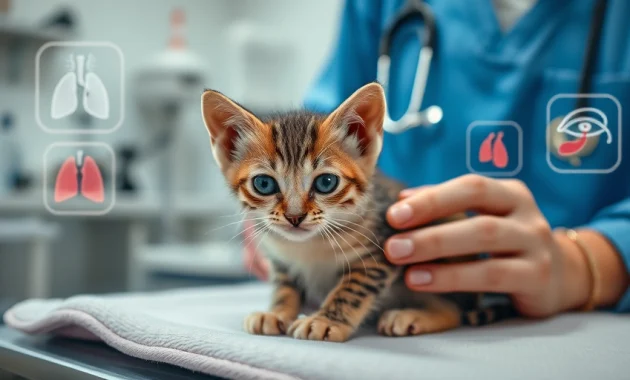
Feline Upper Respiratory Infection (URI) is a complex, highly contagious clinical syndrome that affects the upper respiratory tract of domestic felines (Felis catus). It primarily impacts the nasal passages, paranasal sinuses, pharynx, larynx, and ocular conjunctiva.
In young patients such as a 5-month-old kitten the disease poses a severe threat due to an underdeveloped immune system and the gradual loss of maternal antibodies. If left untreated or managed incorrectly, a simple case of the "sniffles" can rapidly progress to severe pneumonia, chronic respiratory damage, or death.
This comprehensive clinical guide breaks down the underlying pathogens, transmission methods, symptoms, and symptomatic treatment plans needed to manage this common feline disease.
Etiology: The Pathogen Matrix
Feline URIs are rarely caused by a single agent. Instead, they typically stem from a mix of viral primers and opportunistic secondary bacterial invaders.
                       [Feline URI Pathogen Matrix]
                                    │
         ┌──────────────────────────┴──────────────────────────┐
         ▼                                                     ▼
 [Primary Viral Drivers (80-90%)]             [Secondary Bacterial Invaders]
 ├── Feline Herpesvirus-1 (FHV-1)             ├── Chlamydia felis (Severe conjunctivitis)
 └── Feline Calicivirus (FCV)                 ├── Bordetella bronchiseptica (Coughing)
                                              └── Mycoplasma felis (Chronic irritation)
Feline Herpesvirus-1 (FHV-1): Also known as Feline Viral Rhinotracheitis (FVR), this virulent virus causes severe tissue damage. It targets the lining of the nose and eyes, often leading to deep, painful eye sores (corneal ulcers). Once a cat is infected with FHV-1, the virus stays in their body forever, hiding in the nerve tissues (trigeminal ganglion) and flaring up during times of stress or weakness.
Feline Calicivirus (FCV): While FCV also causes runny noses and sneezing, it is notorious for causing painful ulcers on the tongue, gums, and hard palate. Certain aggressive strains can also cause joint pain and limping (limping kitten syndrome).
Secondary Bacterial Pathogens
Bacteria rarely start a upper respiratory infection on their own, but they quickly take advantage of the tissue damage left behind by viruses:
Chlamydia felis: This bacterium causes extreme swelling, redness, and thick discharge in the membranes surrounding the eyes (chemosis).
Bordetella bronchiseptica: A pathogen that can travel deeper into the respiratory system, causing a hacking cough and increasing the risk of bronchopneumonia.
Mycoplasma felis: An opportunistic organism that causes chronic, long-term inflammation of the eyes and upper airways.
- 1. What is a feline upper respiratory infection (URI)?
- 2. What causes upper respiratory infections in cats?
- 3. Why are kittens more vulnerable to feline URI?
- 4. How do cats catch upper respiratory infections?
- 5. What are the most common viruses behind feline URI?
- 6. What does Feline Herpesvirus-1 do to a cat?
- 7. What makes Feline Calicivirus different from herpesvirus?
- 8. Can bacteria cause a feline URI too?
- 9. What are the first signs of a feline upper respiratory infection?
- 10. What symptoms indicate a mild URI in a cat?
- 11. What symptoms indicate a severe or emergency URI case?
- 12. Why do cats stop eating when they have a URI?
- 13. Is eye discharge normal with a feline URI?
- 14. Can a feline URI cause eye ulcers or blindness?
- 15. Can feline URI turn into pneumonia?
- 16. How contagious is feline URI?
- 17. Can humans catch a feline upper respiratory infection?
- 18. How long does a feline URI usually last?
- 19. When should a cat with URI see a veterinarian?
- 20. What signs mean I should go to an emergency vet immediately?
- 21. How do vets diagnose a feline upper respiratory infection?
- 22. Are antibiotics always needed for a cat URI?
- 23. What medications are commonly used to treat feline URI?
- 24. Can URI in cats be treated at home?
- 25. How can I help a congested cat breathe more comfortably at home?
- 26. What food should I offer a cat with URI?
- 27. Can dehydration become a problem during a feline URI?
- 28. What is L-lysine and does it help with feline herpesvirus?
- 29. Should I clean my cat’s eyes and nose during a URI?
- 30. Can I use human cold medicine for a cat with URI?
- 31. Why is acetaminophen so dangerous for cats?
- 32. Can feline URI come back after treatment?
- 33. How can I prevent feline upper respiratory infections?
- 34. Does the FVRCP vaccine prevent all URIs?
- 35. Can one sick cat infect every cat in the house?
- 36. How should I isolate a cat with a URI?
- 37. Can stress make feline URI worse?
- 38. Is a URI always life-threatening in a kitten?
- 39. Can mouth ulcers be part of a feline URI?
- 40. What is the most important thing owners should remember about feline URI?
Transmission Vectors and Pathogenesis
Understanding how URIs spread is essential for controlling the disease, especially in environments with multiple cats, such as shelters or breeding catteries.
Direct Contact: The most common transmission route is direct, face-to-face contact with an actively shedding cat. Viruses are packed in high numbers within ocular, nasal, and salivary secretions.
Fomite Transmission: Pathogens can survive on surfaces like food bowls, litter boxes, grooming tools, and human hands. FCV is particularly tough; it lacks a viral envelope, allowing it to survive on dry surfaces for several days or weeks, resisting many standard household disinfectants.
Aerosol Droplets: Sneezing generates short-range, high-velocity droplets that can spread the infection to animals housed within a few feet of each other.
Clinical Presentation and Triage Classification
Feline respiratory illnesses can range from mild, self-limiting irritation to severe, life-threatening airway blockages. Because cats rely heavily on their sense of smell to trigger their appetite, nasal congestion can quickly cause them to stop eating entirely, which can lead to liver issues like hepatic lipidosis.
                      [URI Symptom Triage Matrix]
                                   │
         ┌─────────────────────────┴─────────────────────────┐
         ▼                                                   ▼
 [Class I: Mild to Moderate]                        [Class II: Severe Emergency]
 ├── Clear, watery discharge                       ├── Thick, green/yellow mucus
 ├── Occasional sneezing                           ├── Open-mouth breathing (Dyspnea)
 └── Stable appetite & energy                      └── Complete anorexia & lethargy
Class I: Mild to Moderate
Cats in this stage exhibit early or mild symptoms. The eyes and nose run with a clear, watery fluid (serous discharge), accompanied by occasional sneezing and a mild fever. The cat remains active and continues to eat and drink normally.
Class II: Severe and Obstructive
This stage represents a advanced, dangerous progression of the disease. The discharge turns into a thick, sticky, foul-smelling yellow or green mucus (mucopurulent discharge) that cakes over the nose and seals the eyelids shut.
Cats may develop high fevers, become completely weak, and refuse all food. If the nasal passages become completely blocked, the cat will start breathing through its mouth—a critical sign of breathing distress that requires immediate emergency care.
Multi-Tiered Therapeutic Protocol
Treatment for feline URIs relies on a combination of specific medical prescriptions and dedicated home care to support the patient's body while it fights off the infection.
Veterinary Prescriptions
Targeted Antibiotics: While antibiotics have no effect on viruses, they are necessary when thick, colored discharge indicates a secondary bacterial infection. Veterinarians typically prescribe Doxycycline (the preferred treatment for Chlamydia and Mycoplasma) or Amoxicillin-Clavulanate.
Topical Ophthalmic Medications: To treat conjunctivitis and protect the eyes from ulcer damage, antibiotic ointments (such as Terramycin) or antiviral eye drops (such as Idoxuridine or Cidofovir) are applied directly to the eyes. Never use eye drops containing steroids if a corneal ulcer is present, as this can cause permanent blindness.
Clinical Nebulization: For severely congested kittens, a veterinary nebulizer delivers micro-droplets of sterile saline mixed with airway-opening medications directly into the lungs, breaking up thick mucus plugs.
Proactive Supportive and Home Care
Olfactory Stimulation and Nutrition: To encourage a congested cat to eat, feed them highly aromatic, warmed wet food. Nutritional supplements like L-Lysine ($250\text{ mg}$ to $500\text{ mg}$ twice daily) can help slow down herpesvirus replication.
Strict Facial Hygiene: Use a warm, damp, sterile gauze pad to gently wipe away dried crust from the eyes and nose multiple times a day to prevent painful skin infections.
Home Steam Sessions: If you don't have a nebulizer, place the cat in a closed bathroom for 10 to 15 minutes while running a hot shower. The warm, humid air helps loosen mucus and soothe inflamed airways.
Critical Contraindication: Acetaminophen Poisoning
Under no circumstances should you ever give a cat human flu, cold, or pain medications—especially those containing Paracetamol (Acetaminophen).
Cats lack the essential liver enzyme (glucuronosyltransferase) needed to break down acetaminophen safely. Even a tiny fraction of a human pill causes rapid, irreversible damage to their red blood cells, turning their blood a muddy brown color (methemoglobinemia). This leads to severe facial swelling, liver destruction, respiratory failure, and death within hours.
Technical Clinical Management Summary
| Clinical Parameter | Target Objective | Danger Signals | Immediate Intervention |
| Hydration & Fluids | Maintain moisture in the airways and skin elasticity. | Tacky gums, delayed skin tenting, dark urine. | Start subcutaneous or intravenous fluid therapy. |
| Nutritional Intake | Prevent liver complications (hepatic lipidosis). | Complete refusal to eat for more than 48 hours. | Administer appetite stimulants (Mirtazapine) or place a feeding tube. |
| Airway Clearance | Maintain clear, unblocked nasal passages. | Open-mouth breathing, loud snoring sounds (stridor). | Perform immediate saline nebulization and gentle suction of the nostrils. |
| Ocular Safety | Prevent permanent eye damage and blindness. | Frequent squinting (blepharospasm), cloudiness on the eyeball. | Perform a fluorescein stain test to check for corneal ulcers and begin targeted eye drops. |
FAQ
1. What is a feline upper respiratory infection (URI)?
A feline upper respiratory infection (URI) is a contagious illness that affects the upper airways and eye tissues of cats, including the nose, sinuses, throat, and conjunctiva. It is commonly compared to a severe cold in humans, but in kittens and immunocompromised cats it can become much more dangerous. Most feline URIs are caused by viruses, especially Feline Herpesvirus-1 (FHV-1) and Feline Calicivirus (FCV), and may later be complicated by secondary bacterial infections.
2. What causes upper respiratory infections in cats?
Most feline URIs are caused by viral pathogens, with Feline Herpesvirus-1 (FHV-1) and Feline Calicivirus (FCV) accounting for the majority of cases. These viruses damage the lining of the nose, throat, and eyes, making it easier for bacteria such as Chlamydia felis, Bordetella bronchiseptica, and Mycoplasma felis to invade and worsen the infection. In many cases, the illness is not caused by a single organism but by a combination of viral and bacterial pathogens.
3. Why are kittens more vulnerable to feline URI?
Kittens, especially around 5 months of age, are more vulnerable because their immune systems are still developing and the protective maternal antibodies they received after birth have already declined. This creates a window of increased susceptibility to infectious diseases. Young cats also dehydrate faster, lose appetite more easily, and can deteriorate quickly if congestion prevents them from eating or drinking normally.
4. How do cats catch upper respiratory infections?
Cats usually catch URIs through direct contact with infected secretions from another cat’s nose, eyes, or saliva. They can also become infected through contaminated bowls, bedding, litter boxes, carriers, toys, grooming tools, and human hands. Sneezing spreads infectious droplets over short distances, making URI especially common in shelters, catteries, foster homes, and multi-cat households.
5. What are the most common viruses behind feline URI?
The two main viral causes are Feline Herpesvirus-1 (FHV-1) and Feline Calicivirus (FCV). FHV-1 often causes severe sneezing, nasal congestion, eye inflammation, and sometimes painful corneal ulcers. FCV can cause respiratory symptoms too, but it is especially known for producing painful mouth ulcers and, in some cases, limping due to joint inflammation.
6. What does Feline Herpesvirus-1 do to a cat?
Feline Herpesvirus-1 attacks the tissues of the upper airway and the eyes. It can cause sneezing, nasal discharge, conjunctivitis, squinting, eye pain, and corneal ulceration. One of the most important things to understand about FHV-1 is that once a cat becomes infected, the virus usually remains in the body for life in a dormant state. Stress, illness, surgery, or poor immunity can reactivate it and trigger future flare-ups.
7. What makes Feline Calicivirus different from herpesvirus?
Feline Calicivirus also causes sneezing and nasal discharge, but it is more strongly associated with oral ulcers on the tongue, gums, and roof of the mouth. Some strains can also cause limping, fever, and more severe systemic disease. FCV is also more durable in the environment than herpesvirus, meaning it can survive on surfaces longer and may be harder to eliminate without proper disinfection.
8. Can bacteria cause a feline URI too?
Yes. While viruses are usually the primary trigger, bacteria frequently worsen the infection after the airway tissues have already been damaged. Chlamydia felis often causes severe conjunctivitis and eye swelling, Bordetella bronchiseptica can cause coughing and lower respiratory involvement, and Mycoplasma felis is often linked to chronic eye and airway irritation.
9. What are the first signs of a feline upper respiratory infection?
Early signs often include sneezing, watery eyes, mild nasal discharge, congestion, squinting, reduced energy, and a mild fever. Some cats may also eat less because they cannot smell their food properly. In mild cases, symptoms can resemble a common cold, but in kittens they should still be taken seriously because the disease can escalate quickly.
10. What symptoms indicate a mild URI in a cat?
Mild to moderate URI signs include occasional sneezing, clear watery discharge from the eyes or nose, mild congestion, a slight decrease in activity, and normal or near-normal appetite. Cats in this stage are usually still alert and drinking water, and their breathing remains quiet and closed-mouth.
11. What symptoms indicate a severe or emergency URI case?
A severe feline URI may cause thick yellow or green mucus, severe eye discharge, eyelids stuck shut, complete loss of appetite, lethargy, dehydration, high fever, open-mouth breathing, noisy breathing, coughing, and profound weakness. Open-mouth breathing in a cat is especially serious and should be treated as an emergency because it may indicate dangerous airway obstruction or pneumonia.
12. Why do cats stop eating when they have a URI?
Cats rely heavily on their sense of smell to recognize food and stimulate appetite. When the nose is blocked by mucus and inflammation, food may no longer smell appealing, so the cat refuses to eat. Mouth ulcers from calicivirus can make chewing painful as well. If a cat does not eat for too long, especially an overweight cat or a kitten, it can develop serious metabolic complications such as hepatic lipidosis.
13. Is eye discharge normal with a feline URI?
Eye discharge is common with feline URI, but the type of discharge matters. Clear, watery discharge is more common in early viral infections, while thick yellow, green, or sticky discharge can suggest bacterial involvement or more severe inflammation. Squinting, eye cloudiness, severe redness, or obvious pain should be evaluated quickly because corneal ulcers can develop, especially with herpesvirus infections.
14. Can a feline URI cause eye ulcers or blindness?
Yes. Feline Herpesvirus-1 can damage the cornea and lead to painful ulcers. If corneal ulcers are not recognized and treated correctly, they can worsen and potentially cause permanent scarring or vision loss. This is one reason steroid eye drops should never be used unless a veterinarian has ruled out an ulcer.
15. Can feline URI turn into pneumonia?
Yes. In severe cases, especially in young kittens, elderly cats, or cats with weak immune systems, an upper respiratory infection can spread into the lower respiratory tract and progress to bronchitis or pneumonia. Warning signs may include open-mouth breathing, rapid breathing, persistent coughing, extreme lethargy, and a significant drop in appetite and hydration.
16. How contagious is feline URI?
Feline URI is highly contagious, especially in environments where multiple cats share space, bowls, litter boxes, or bedding. Cats actively shedding virus or bacteria can infect other cats through direct contact, contaminated objects, and respiratory droplets. Some cats, especially those with herpesvirus, may become lifelong carriers and intermittently shed the virus during stress.
17. Can humans catch a feline upper respiratory infection?
In most cases, the viruses that cause feline URI do not infect humans. The illness is generally species-specific. However, good hygiene is still essential because contaminated hands, clothing, and objects can spread the infection between cats even if humans do not become sick themselves.
18. How long does a feline URI usually last?
Mild cases may improve within 7 to 14 days, but the timeline varies depending on the pathogen, the cat’s age, whether a secondary bacterial infection develops, and how quickly supportive care is started. Herpesvirus-related disease can also recur later in life, so some cats may experience flare-ups during stressful periods even after the initial episode resolves.
19. When should a cat with URI see a veterinarian?
A cat with URI should see a veterinarian if symptoms last more than a few days, appetite drops significantly, discharge becomes thick or colored, the eyes appear painful, the cat becomes lethargic, or breathing sounds abnormal. Kittens, senior cats, and medically fragile cats should be seen earlier rather than later because they can worsen fast.
20. What signs mean I should go to an emergency vet immediately?
Seek emergency care immediately if your cat has open-mouth breathing, blue or pale gums, severe lethargy, collapse, inability to swallow, refusal to eat for more than 24–48 hours, obvious dehydration, or severe eye pain. These signs can indicate respiratory distress, shock, pneumonia, or serious complications that cannot be safely managed at home.
21. How do vets diagnose a feline upper respiratory infection?
Veterinarians typically diagnose URI based on clinical signs, physical examination, history of exposure, and the pattern of eye and nasal symptoms. In more severe or recurring cases, they may recommend PCR testing to identify the specific pathogens involved. If eye ulcers are suspected, they may perform a fluorescein stain test. In advanced cases, bloodwork, chest imaging, or culture-based testing may also be needed.
22. Are antibiotics always needed for a cat URI?
No. Antibiotics do not kill viruses, so they are not always needed in mild viral cases. However, they may be prescribed if there is evidence of secondary bacterial infection, such as thick yellow or green discharge, worsening eye inflammation, or prolonged symptoms. Common veterinary choices may include doxycycline or amoxicillin-clavulanate depending on the suspected organism and clinical picture.
23. What medications are commonly used to treat feline URI?
Treatment depends on the cause and severity, but veterinarians may prescribe antibiotics for bacterial complications, antiviral eye medications for herpes-related eye disease, topical eye ointments for conjunctivitis, appetite stimulants if the cat stops eating, and supportive fluids if dehydration is present. In severe cases, nebulization, hospitalization, and oxygen support may be required.
24. Can URI in cats be treated at home?
Mild cases can sometimes be supported at home under veterinary guidance, but home care should never replace professional treatment when symptoms are severe. At-home support usually includes keeping the nose and eyes clean, encouraging food intake with warmed wet food, increasing humidity through steam exposure, ensuring hydration, and monitoring breathing closely. If the cat worsens, veterinary care is necessary immediately.
25. How can I help a congested cat breathe more comfortably at home?
You can help by placing the cat in a steamy bathroom for 10 to 15 minutes while hot water runs in the shower, as long as the cat is not distressed by the process. The warm humidity may loosen mucus and soothe irritated airways. You can also gently wipe nasal discharge away with a soft damp cloth and keep the cat in a warm, calm environment.
26. What food should I offer a cat with URI?
Strong-smelling wet food is often best because congestion reduces the sense of smell. Slightly warming the food can make it more aromatic and appealing. Soft textures are also helpful if the cat has mouth ulcers or throat discomfort. If the cat still refuses food, veterinary intervention may be needed quickly to prevent dangerous calorie deficits.
27. Can dehydration become a problem during a feline URI?
Yes. Cats with URI may drink less, lose fluid through fever and discharge, and avoid water if they feel too congested or weak to move. Dehydration can make mucus thicker, worsen lethargy, and slow recovery. Signs may include tacky gums, sunken eyes, decreased skin elasticity, and reduced urination.
28. What is L-lysine and does it help with feline herpesvirus?
L-lysine is a nutritional supplement that has historically been used in some herpesvirus management plans with the goal of reducing viral replication or flare severity. Some veterinarians still recommend it in specific situations, while opinions on its effectiveness vary. It should only be used according to veterinary advice, especially in kittens or cats with other medical conditions.
29. Should I clean my cat’s eyes and nose during a URI?
Yes, gentle cleaning is often helpful. Dried discharge around the eyes and nostrils can become painful, block airflow, and irritate the skin. Use a soft sterile gauze pad or clean cloth dampened with warm water to carefully remove crusts. Avoid harsh scrubbing, and do not apply any eye medication unless it has been prescribed specifically for that cat.
30. Can I use human cold medicine for a cat with URI?
No. You should never give a cat human cold, flu, or pain medication unless a veterinarian explicitly tells you to do so. Many human products contain ingredients that are extremely dangerous or fatal to cats, including acetaminophen, decongestants, and certain antihistamines at incorrect doses.
31. Why is acetaminophen so dangerous for cats?
Cats cannot metabolize acetaminophen safely because they have very limited ability to process it through normal liver pathways. Even a small amount can damage red blood cells, cause methemoglobinemia, injure the liver, trigger facial swelling, and lead to respiratory failure or death. If a cat accidentally ingests acetaminophen, it is a medical emergency.
32. Can feline URI come back after treatment?
Yes, especially if herpesvirus is involved. Feline Herpesvirus-1 often remains dormant in the body and can reactivate later when the cat experiences stress, surgery, boarding, a new environment, or another illness. Some cats therefore have recurrent sneezing, eye discharge, or congestion during stressful periods even after the original infection has improved.
33. How can I prevent feline upper respiratory infections?
Vaccination is one of the most important preventive tools, especially the FVRCP vaccine that targets key viral causes of URI. Other important preventive steps include quarantining sick cats, disinfecting bowls and litter boxes, washing hands between handling cats, reducing crowding in multi-cat environments, minimizing stress, and maintaining good nutrition and routine veterinary care.
34. Does the FVRCP vaccine prevent all URIs?
No vaccine can prevent every respiratory infection, but the FVRCP vaccine significantly reduces the risk and severity of infections caused by Feline Herpesvirus-1, Feline Calicivirus, and Feline Panleukopenia. Even if a vaccinated cat develops URI symptoms later, the illness is often milder than it would be in an unvaccinated cat.
35. Can one sick cat infect every cat in the house?
Yes, especially if the cats share close space and resources. URI pathogens spread easily through bowls, litter boxes, bedding, grooming, sneezing, and human hands. If one cat becomes sick, isolation, sanitation, and close monitoring of the other cats are important to reduce household spread.
36. How should I isolate a cat with a URI?
Ideally, place the sick cat in a separate room with its own food and water bowls, litter box, bedding, and cleaning supplies. Wash your hands before and after handling the cat, and clean surfaces and objects regularly. Keep the room warm, quiet, and easy to sanitize, and monitor food intake, hydration, breathing, and eye condition closely.
37. Can stress make feline URI worse?
Yes. Stress can suppress immune function and is a major trigger for flare-ups in cats carrying herpesvirus. Moving house, travel, overcrowding, introducing a new pet, hospitalization, and changes in routine can all contribute to stress-related relapse or delayed recovery.
38. Is a URI always life-threatening in a kitten?
Not always, but it should never be dismissed casually. Some kittens recover well with early treatment and supportive care, while others can decline rapidly due to dehydration, anorexia, pneumonia, or severe eye complications. Because kittens have less physiological reserve than adult cats, even a “simple cold” deserves close monitoring and prompt veterinary attention.
39. Can mouth ulcers be part of a feline URI?
Yes. Mouth ulcers are especially associated with Feline Calicivirus. A kitten with ulcers may drool, paw at the mouth, avoid hard food, or act hungry but refuse to eat because chewing hurts. This can quickly lead to reduced food intake and dehydration if not addressed.
40. What is the most important thing owners should remember about feline URI?
The biggest takeaway is that feline URI is not just “a cat cold.” In a young kitten, it can escalate quickly, interfere with breathing and eating, damage the eyes, and become life-threatening if ignored. Early veterinary care, careful monitoring of appetite and breathing, supportive home care, and strict avoidance of human medications are essential for a safe recovery.