Feline Macromolecular Physiology: Assessing the Nutritional Impact and Toxicological Risks of Bread Consumption
1 week ago
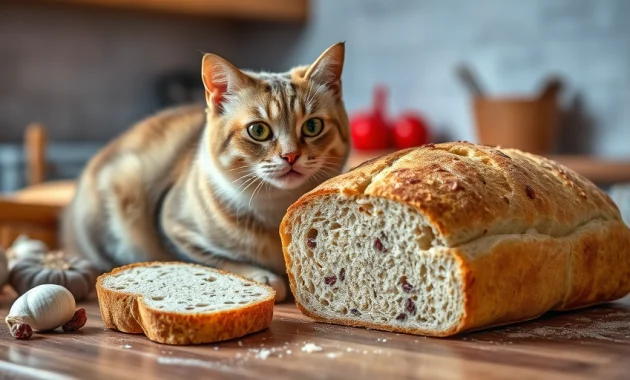
From an evolutionary and metabolic standpoint, the domestic feline (Felis catus) is structured entirely differently from humans and canines. While a cat might show curiosity toward a piece of baked bread, understanding feline macronutrient processing reveals why bakery products are entirely unsuited for their diet.
Feline Metabolic Architecture: Why Bread Offers Zero Nutritional Utility
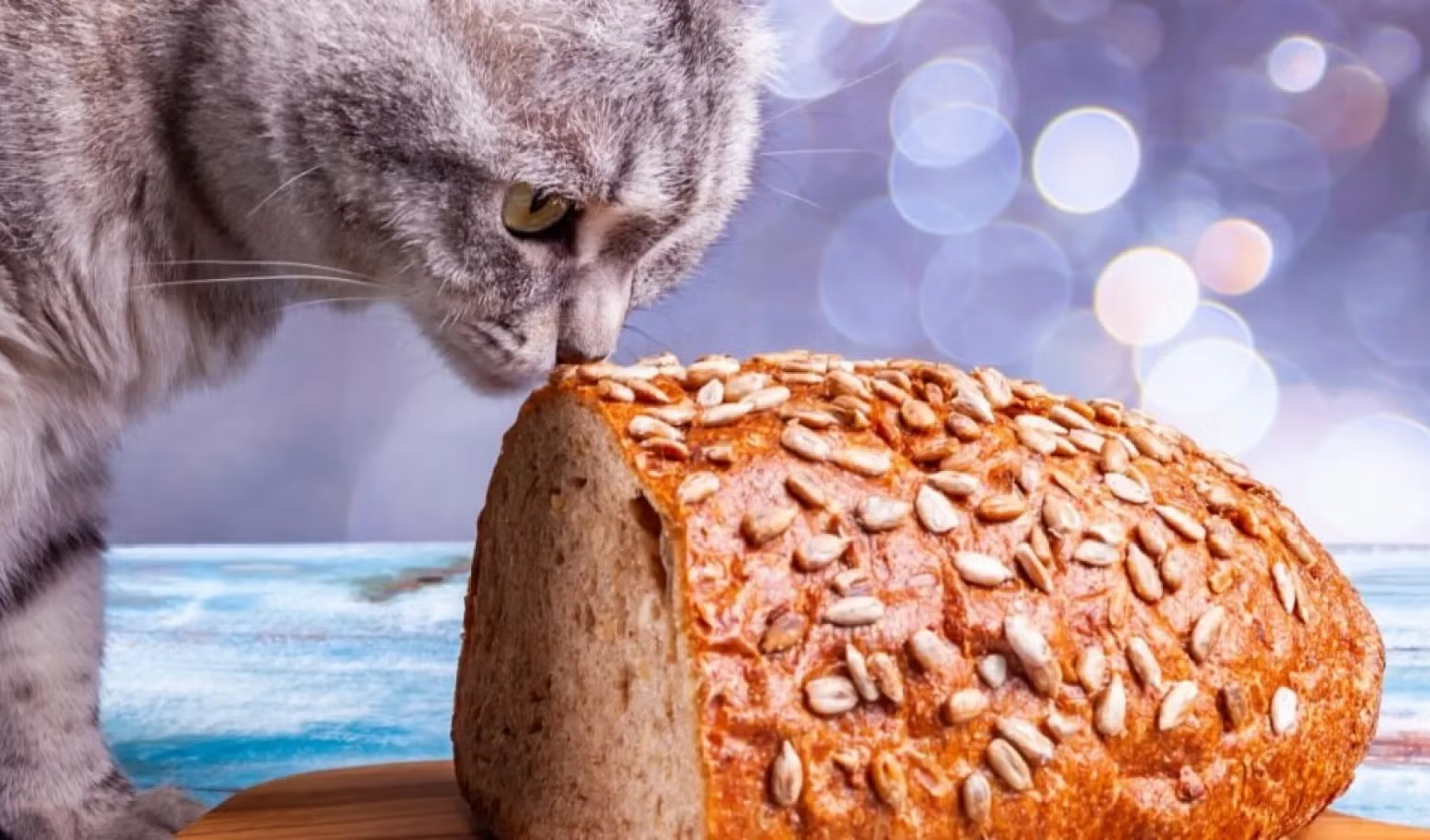
Cats are obligate carnivores. Their anatomical and biochemical pathways are strictly optimized to derive energy, essential amino acids, and vital fatty acids directly from animal tissues.
[Macronutrient Utilization Comparison]
  Protein / Fat (Animal Tissue) ──► Highly Efficient Metabolic Conversion
  Carbohydrates (Bread / Grains) ──► Inefficient Pathways ──► Adipose Deposition (Fat)
Unlike omnivores, the feline metabolic system lacks the necessary evolutionary adaptations to process high carbohydrate loads efficiently:
Absence of Salivary Amylase: The feline digestive process completely lacks salivary amylase, the enzyme responsible for initiating carbohydrate breakdown in the mouth.
Downregulated Hepatic Enzymes: In the liver, cats exhibit minimal activity of glucokinase, an enzyme critical for processing large surges of glucose. Instead, they rely on a constant, low-capacity hexokinase pathway.
Gluconeogenesis Baseline: Felines do not rely on dietary carbohydrates for blood glucose maintenance. Instead, their liver constantly converts amino acids (proteins) into glucose via gluconeogenesis, whether they have eaten or not.
Consequently, the starches found in plain white or whole wheat bread function purely as empty calories. They provide no usable protein or essential micronutrients, instead shifting the metabolic balance toward fat storage and increasing the risk of feline obesity and Type II diabetes mellitus.
- Baked Bread: Permissibility vs. Risk Assessment
- Toxicological Profiles of Common Bakery Additives
- The Pathophysiology of Raw Bread Dough Ingestion
- Human Biscuits vs. Feline Enrichment Treats
- Clinical Urgency and Action Protocol
- FAQ
- 1. Can cats safely eat bread?
- 2. Why is bread not a healthy food for cats?
- 3. Can kittens eat bread?
- 4. Is whole wheat bread healthier than white bread for cats?
- 5. How much bread can a cat eat?
- 6. Can bread cause digestive problems in cats?
- 7. Why can't cats digest carbohydrates as efficiently as humans?
- 8. Is buttered bread safe for cats?
- 9. Can cats eat bread with peanut butter?
- 10. Why is garlic bread dangerous for cats?
- 11. Are raisin breads toxic to cats?
- 12. Can cats eat chocolate bread or pastries?
- 13. Why is raw bread dough an emergency for cats?
- 14. What symptoms should I watch for after my cat eats bread?
- 15. What should I do if my cat eats plain bread?
- 16. What should I do if my cat eats raw dough or toxic bread ingredients?
- 17. Are commercial cat treats better than bread?
- 18. Why do cats still seem interested in bread?
- 19. Can frequent bread feeding contribute to obesity?
- 20. What are healthier alternatives to bread for cats?
Baked Bread: Permissibility vs. Risk Assessment
If a cat ingests a small, plain crumb of fully baked bread, it is not inherently toxic. However, clear guidelines must be followed regarding portions and ingredients.
                  [Baked Bread Ingestion Thresholds]
                                  │
         ┌────────────────────────┴────────────────────────┐
         ▼                                                 ▼
  [Plain Crumbs Only]                              [Flavored / Topped]
  - Safe limit: <10% of daily treats.              - HIGH RISK: Dairy, spreads, or
  - Zero nutritional value.                         allium powders trigger illness.
Pure White and Whole Wheat Varieties
The Absolute Ceiling: Plain, fully baked bread can be tolerated only in tiny amounts (the size of a fingernail) as an occasional treat. It must never exceed 10% of the cat's daily caloric intake.
Gastrointestinal Impacts: Because the feline gastrointestinal tract is short and optimized for highly digestible proteins, large amounts of grain fiber or complex starches can cause gas, abdominal bloating, or diarrhea.
The Danger of Toppings and Spreads
Plain bread is rarely eaten alone by humans, and the common toppings used on it pose significant health risks to felines:
Butter and Margarine: Excess lipids overload the pancreas, which can trigger acute, painful pancreatitis.
Peanut Butter: Extremely calorie-dense, posing a severe risk for unhealthy weight gain. Some formulations also contain hidden artificial sweeteners.
Toxicological Profiles of Common Bakery Additives
Many specialty or commercial breads contain ingredients that are directly toxic to felines. Caregivers must carefully review labels to avoid exposing their pets to these hazards.
                    [Bakery Toxicological Risks]
                                  │
         ┌────────────────────────┼────────────────────────┐
         ▼                        ▼                        ▼
  [Allium Species]        [Vitis Vinifera]        [Artificial Sweeteners]
Garlic & onion powders    Raisins & currants      Xylitol/Birch Sugar triggers
trigger Heinz Body Anemia. induce Acute Kidney Injury. severe insulin spikes.
Allium Species (Garlic, Onion, Chives)
Often added to garlic bread, savory loaves, or artisan crusts, plants in the Allium family cause severe damage to feline blood cells:
Mechanism: Organosulfur compounds cause oxidative stress on red blood cells, resulting in the formation of Heinz bodies.
Clinical Signs: Hemolytic anemia, pale mucous membranes, lethargy, dark urine, and elevated heart rates.
Vitis Vinifera (Raisins and Currants)
Frequently found in cinnamon raisin breads and breakfast pastries:
Mechanism: The exact nephrotoxic agent remains unknown, but ingestion causes rapid, irreversible damage to the kidneys.
Clinical Signs: Acute Kidney Injury (AKI), vomiting, complete loss of appetite, and a drastic drop in urine output.
Methylxanthines (Chocolate and Cocoa)
Found in chocolate brioche, marble rye, or sweet dessert breads:
Mechanism: Theobromine and caffeine cannot be metabolized by the feline liver, leading to a dangerous buildup in the body.
Clinical Signs: Severe muscle tremors, dangerous cardiac arrhythmias, seizures, and potential respiratory failure.
Xylitol (Birch Sugar)
Used as a sugar substitute in keto, low-carb, or diabetic-friendly breads:
Mechanism: Triggers a rapid, massive release of insulin from the pancreas.
Clinical Signs: Acute, severe hypoglycemia (dangerously low blood sugar) followed by rapid liver failure.
The Pathophysiology of Raw Bread Dough Ingestion
While baked bread is an empty calorie source, raw, unbaked yeast dough is a critical veterinary medical emergency. If a cat steals and eats raw dough off a kitchen counter, two dangerous processes occur simultaneously within the gastric environment.
                      [Raw Dough Pathogenesis]
                                 │
         ┌───────────────────────┴───────────────────────┐
         ▼                                               ▼
[Gastric Expansion Mechanics]                   [Ethanol Toxicosis]
Dough expands at body temp ($38.5^\circ\text{C}$),  Yeast fermentation produces alcohol,
causing vascular compromise or rupture.        causing severe metabolic acidosis.
1. Gastric Expansion Mechanics
The feline stomach functions as a warm, dark incubator at a normal body temperature of $38.5^\circ\text{C}$ ($101.5^\circ\text{F}$).
As Saccharomyces cerevisiae (yeast) continues to ferment inside the stomach, carbon dioxide gas builds up rapidly.
The dough expands significantly, stretching the stomach walls. This intense pressure causes severe pain, blocks blood flow to the stomach tissues, and can lead to a life-threatening gastric rupture.
2. Ethanol Toxicosis
The secondary byproduct of yeast fermentation is ethanol (alcohol), which is quickly absorbed through the stomach lining into the bloodstream.
Because of their small body mass, cats are incredibly vulnerable to alcohol poisoning.
The absorbed ethanol depresses the central nervous system, disrupts the body's acid-base balance (metabolic acidosis), and can cause a fatal drop in body temperature or respiratory failure.
Human Biscuits vs. Feline Enrichment Treats
                   [Biscuit/Treat Distinction Matrix]
                                   │
         ┌─────────────────────────┴─────────────────────────┐
         ▼                                                   ▼
  [Human Biscuits]                                    [Feline Biscuits]
  - High sodium content.                              - High-protein formulation.
  - Refined white flours.                             - Fortified with Taurine and vitamins.
  - Risk of gastrointestinal issues.                  - Textured to clean teeth mechanically.
Human biscuits and cookies are structurally unsuited for cats due to their high sugar, sodium, and fat content. If you want to offer a crunchy reward, look for specialized feline crunchy treats instead. These treats are high in protein, fortified with vital nutrients like Taurine, and specifically designed to help scrape away dental plaque mechanically.
Clinical Urgency and Action Protocol
| Symptom / Scenario | Suspected Cause | Immediate Intervention |
| Ingestion of raw, unbaked yeast dough | Gastric expansion and ethanol poisoning risk. | Emergency Veterinary Triage: Do not induce vomiting at home; immediate medical monitoring or gastric lavage is required. |
| Ingestion of bread containing garlic, onions, or raisins | Heinz body hemolytic anemia or acute kidney failure. | Contact a veterinary clinic immediately for decontamination and baseline blood work. |
| Vomiting or diarrhea after eating plain white bread crumbs | Gastrointestinal upset or dietary indiscretion. | Fast the cat for 12 hours, provide plenty of fresh water, and monitor closely for worsening signs. |
FAQ
1. Can cats safely eat bread?
Yes, cats can eat a very small amount of plain, fully baked bread without experiencing toxicity. However, bread provides virtually no nutritional value for cats because they are obligate carnivores that rely primarily on animal protein and fat rather than carbohydrates. Bread should only be an occasional treat and never become a regular part of a feline diet.
2. Why is bread not a healthy food for cats?
Cats have evolved to obtain energy and essential nutrients from animal tissues. Their digestive system lacks many of the adaptations that omnivores have for processing carbohydrates efficiently. Bread is rich in starch but contains very little of the protein, taurine, vitamins, and essential fatty acids that cats require for optimal health.
3. Can kittens eat bread?
It is not recommended. Kittens require highly concentrated sources of protein, fat, vitamins, and minerals to support rapid growth and development. Bread can fill their stomachs without providing the nutrients needed for healthy bones, muscles, and organs.
4. Is whole wheat bread healthier than white bread for cats?
Not significantly. Although whole wheat bread contains more fiber and nutrients for humans, it still offers little nutritional benefit for cats. Both white and whole wheat bread are primarily carbohydrate sources and should only be offered in tiny amounts, if at all.
5. How much bread can a cat eat?
If you decide to offer bread, limit it to a tiny bite approximately the size of a fingernail. Treats, including bread, should make up no more than 10% of a cat's daily calorie intake.
6. Can bread cause digestive problems in cats?
Yes. Large amounts of bread may cause digestive discomfort, including bloating, gas, vomiting, constipation, or diarrhea. Since cats have relatively short digestive tracts optimized for meat digestion, excessive carbohydrates may upset their gastrointestinal system.
7. Why can't cats digest carbohydrates as efficiently as humans?
Cats lack salivary amylase and have limited glucokinase activity in the liver. Instead of relying on carbohydrates, they continuously produce glucose through gluconeogenesis using amino acids from dietary protein.
8. Is buttered bread safe for cats?
No. Butter adds excessive fat, which increases calorie intake and may contribute to obesity or even pancreatitis in susceptible cats.
9. Can cats eat bread with peanut butter?
It is not recommended. Peanut butter is extremely calorie-dense and some products contain xylitol, an artificial sweetener that can be highly dangerous to pets.
10. Why is garlic bread dangerous for cats?
Garlic, onions, shallots, and chives belong to the Allium family. These ingredients can damage red blood cells, leading to Heinz body anemia, weakness, pale gums, lethargy, and potentially life-threatening complications.
11. Are raisin breads toxic to cats?
Yes. Raisins and currants have been associated with acute kidney injury in companion animals. Any bread containing these ingredients should be considered unsafe and veterinary advice should be sought immediately if ingested.
12. Can cats eat chocolate bread or pastries?
No. Chocolate contains theobromine and caffeine, compounds that cats metabolize very poorly. Chocolate ingestion can cause vomiting, tremors, rapid heart rate, seizures, and severe poisoning.
13. Why is raw bread dough an emergency for cats?
Raw yeast dough continues fermenting inside the stomach. This causes the dough to expand, potentially leading to painful stomach distension while simultaneously producing ethanol, which can cause alcohol poisoning. Immediate veterinary treatment is required.
14. What symptoms should I watch for after my cat eats bread?
Monitor your cat for vomiting, diarrhea, bloating, abdominal pain, lethargy, loss of appetite, excessive drooling, tremors, difficulty breathing, or changes in behavior. If toxic ingredients or raw dough were consumed, contact a veterinarian immediately.
15. What should I do if my cat eats plain bread?
If only a tiny amount of plain baked bread was eaten, simply monitor your cat for digestive upset and ensure fresh water is available. Veterinary care is generally unnecessary unless symptoms develop.
16. What should I do if my cat eats raw dough or toxic bread ingredients?
Seek emergency veterinary care immediately. Do not attempt home treatments or induce vomiting unless specifically instructed by a veterinary professional.
17. Are commercial cat treats better than bread?
Yes. Cat treats are specifically formulated to provide higher protein levels and often include essential nutrients such as taurine, vitamins, and minerals. Many crunchy treats also help reduce plaque buildup on teeth.
18. Why do cats still seem interested in bread?
Curiosity, food aromas, butter residue, or simply observing their owners eating may attract cats to bread. Interest does not indicate that bread is nutritionally beneficial or appropriate for regular consumption.
19. Can frequent bread feeding contribute to obesity?
Yes. Bread adds unnecessary calories while providing minimal nutritional benefit. Regular feeding may increase the risk of obesity, diabetes, and reduced overall nutritional balance.
20. What are healthier alternatives to bread for cats?
Better options include commercially formulated cat treats, cooked plain chicken, cooked turkey, lean beef, or veterinarian-approved high-protein snacks designed specifically for feline nutrition.