The Javanese Cat: Characteristics, Personality, and Breed Information
4 weeks ago
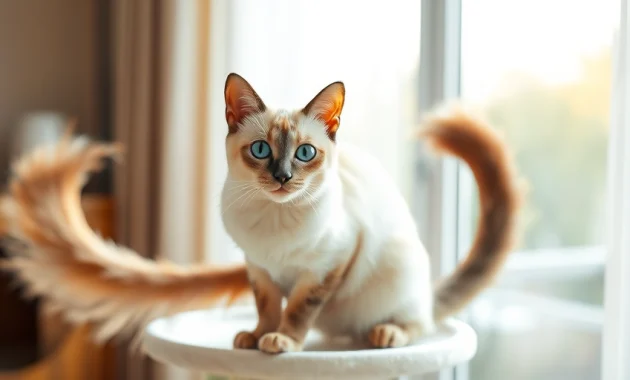
The Javanese cat, affectionately nicknamed the "Javi," is an elegant, highly intelligent, and remarkably athletic feline breed. Often referred to as the Colorpoint Longhair, this breed shares its ancestral foundation with the Siamese and Balinese cats, bringing a lively, talkative, and deeply affectionate dynamic to any home.
Breed Overview
| Metric | Details |
| Origin | Canada |
| Height | 10 to 14 inches |
| Adult Weight | 6 to 10 pounds |
| Life Span | 12 to 16 years |
| Alternative Names | Colorpoint Longhair, Javi |
| Breed Group | Medium-sized long-haired |
| Average Price | $1,000 to $1,500 |
- Personality and Temperament
- Anatomy and Breed Standards
- History and "Did You Know?" Facts
- Dietary and Grooming Care
- Finding a Javanese Companion
- FAQ (Frequently Asked Questions)
- 1. What is a Javanese cat?
- 2. Is the Javanese cat actually from Java?
- 3. How big do Javanese cats get?
- 4. What is the personality of a Javanese cat?
- 5. Are Javanese cats talkative?
- 6. Do Javanese cats get lonely?
- 7. Are Javanese cats good with children and other pets?
- 8. What does a Javanese cat look like?
- 9. What colors do Javanese cats come in?
- 10. Are Javanese cats hypoallergenic?
- 11. How much grooming do Javanese cats need?
- 12. What should a Javanese cat eat?
- 13. How long do Javanese cats live?
- 12–16 years
- 14. Are Javanese cats healthy?
- 15. How much does a Javanese cat cost?
-
- 16. Can I find a Javanese cat in a shelter?
- 17. Is a Javanese cat a good first cat?
- 18. What kind of home is best for a Javanese cat?
- 19. Do Javanese cats need lots of exercise?
- 20. Is the Javanese cat the right breed for me?
Personality and Temperament
If you enjoy a quiet household, the Javanese might challenge that preference. True to their Siamese heritage, these cats are incredibly vocal and highly social.
Javi Behavior Profile:
[ High Athleticism ] ➔ [ Intense Curiosity ] ➔ [ Deep Human Attachment ]
 (Loves high jumps)      (Opens cabinets/drawers)    (Prone to loneliness if left alone)
Vocal Communicators: A Javi loves to chat, frequently meowing and "commenting" on daily household activities.
Athletic Explorers: This breed is exceptionally agile. They possess a fondness for scaling high shelves, sprinting across rooms, and playing interactive fetch games. They are also brilliant natural mousers.
Clever Problem Solvers: Fueled by endless curiosity, Javanese cats love poking their noses into everything, and many quickly figure out how to open closed cupboards and drawers.
Affectionate Homebodies: They thrive on human companionship and form deep bonds with their families, including other felines and well-behaved dogs. Because they can become anxious or depressed if left alone for extended periods, they are best suited for households where people are frequently home.
Anatomy and Breed Standards
The official breed standard highlights a cat that is structurally fine-boned and refined, yet surprisingly muscular and solid to the touch.
Head and Face
Head Shape: Features a medium-sized, long, tapering wedge. This wedge creates a perfect triangle stretching from the nose straight out to the tips of the ears, with no pinch or break at the whisker pads. Adult males may display slight jowls.
Eyes: Almond-shaped and medium-sized. They slant harmoniously toward the nose, perfectly matching the wedge geometry of the head.
Ears: Strikingly large, wide at the base, and tapering into sharp points.
Body and Limbs
Body: Sleek, long, and athletic, seamlessly blending an elegant profile with strong muscle tone.
Legs & Paws: Long and slim limbs, with the hind legs noticeably longer than the front legs. The paws are small, dainty, and oval-shaped.
Tail: Long, thin, and tapering to a fine point, adorned with beautiful, flowing plumage.
Coat and Coloration
Coat Texture: Medium-long and remarkably soft. The Javanese features a single-layer coat (no undercoat) that lies flat against the body.
Color Profile: While structurally identical to a Balinese, the Javanese is defined by its expanded point-color variations. Breeders focus heavily on lynx, tortoiseshell, red, and cream points. The Cat Fanciers' Association (CFA) recognizes 24 distinct Javanese color points beyond the traditional four Balinese colors.
History and "Did You Know?" Facts
The Naming Mystery
Despite the exotic name, the Javanese cat does not originate from the island of Java. The breed was entirely developed in North America. Because the cat is a direct color offshoot of the Balinese cat, its developers chose the neighboring island name of "Java" as a playful, sisterly tribute.
The CFA Distinction
The Cat Fanciers' Association (CFA) is unique among major global cat registries, as it is the only registry that officially separates the Balinese and Javanese into two completely distinct breeds. The Javanese was granted its official championship recognition in 1987.
Low-Shedding Qualities
💡 Hypoallergenic Note: While no cat breed is 100% hypoallergenic, the Javanese lacks a dense undercoat. Because they have a single layer of fur, they shed significantly less than average double-coated cat breeds, making them easier to manage for mild allergy sufferers.
Dietary and Grooming Care
Nutrition: The Javanese has a long natural life span and has no hyper-specific nutritional restrictions. However, to preserve their lean, athletic muscle mass, it is best to provide a high-quality, high-protein diet that explicitly lists real meat or fish as the primary ingredient, catered to their specific life stage (kitten, adult, or senior).
Grooming: Thanks to the absence of a thick undercoat, their silky fur rarely mats or tangles. A simple weekly combing session is usually more than enough to remove loose hairs and keep their signature tail plume looking elegant.
Finding a Javanese Companion
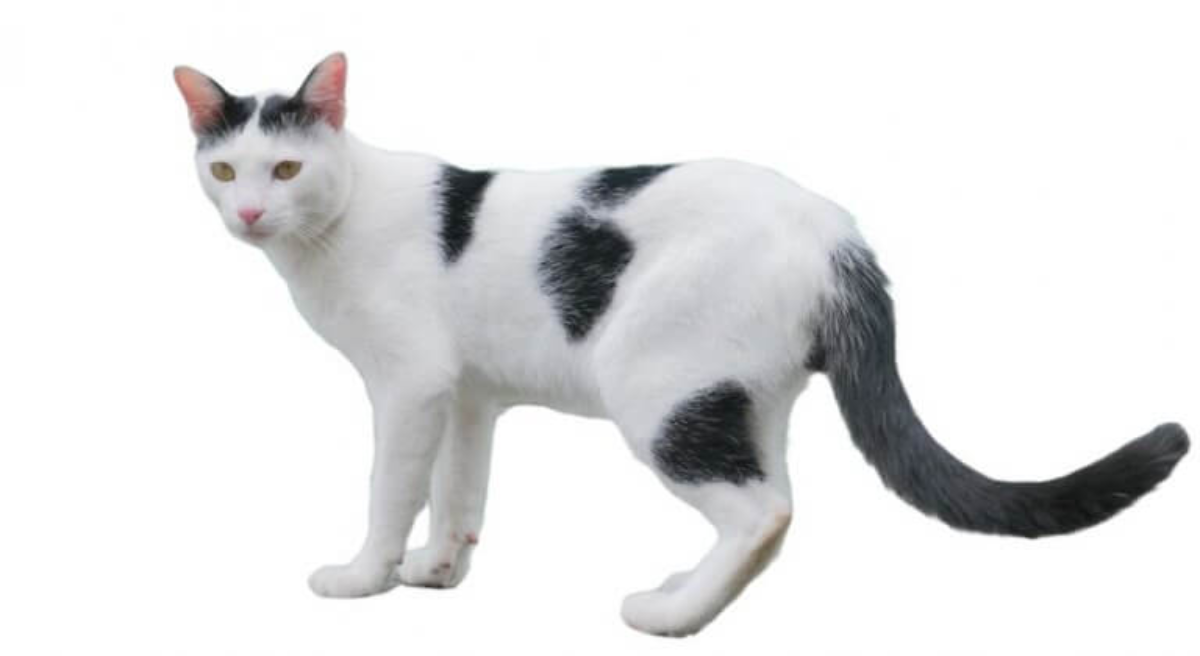
Because the Javanese is a highly specialized purebred cat, they are rarely found in average animal shelters. If you are looking to adopt, utilize searchable adoption databases like Petfinder to track down purebred rescues or mixed-breed lookalikes in your region. If you choose to buy, always seek out a certified local breeder who prioritizes genetic health testing.
FAQ (Frequently Asked Questions)
1. What is a Javanese cat?
The Javanese cat, also known as the Colorpoint Longhair, is a medium-sized, long-haired cat breed closely related to the Siamese and Balinese. It is known for its elegant body, silky coat, striking point coloration, high intelligence, and extremely affectionate personality.
2. Is the Javanese cat actually from Java?
No. Despite its name, the Javanese cat did not originate from the island of Java. The breed was developed in North America. Breeders chose the name "Javanese" as a companion name to the related Balinese breed.
3. How big do Javanese cats get?
Typical size
Measurement | Average |
|---|---|
Height | 10–14 inches |
Weight | 6–10 pounds |
Body Type | Long, lean, and athletic |
4. What is the personality of a Javanese cat?
Javanese cats are famous for being:
Highly intelligent
Very vocal
Extremely affectionate
Playful and energetic
Deeply attached to their humans
Curious and mischievous
Loves climbing and jumping
Opens cabinets and drawers
Can become lonely if left alone too long
5. Are Javanese cats talkative?
Yes. Like their Siamese ancestors, Javanese cats are very talkative. They often meow, chirp, and "converse" with their owners throughout the day.
6. Do Javanese cats get lonely?
Yes. They form strong emotional bonds with people and can become anxious, stressed, or depressed if left alone for long periods. They do best in homes where someone is frequently present.
7. Are Javanese cats good with children and other pets?
Generally, yes. They are usually:
Friendly with respectful children
Social with other cats
Compatible with well-behaved dogs
Interested in interactive play
8. What does a Javanese cat look like?

Key physical traits include:
Long wedge-shaped head
Large pointed ears
Almond-shaped eyes
Slim, muscular body
Long legs
Plumed tail
Silky medium-long coat
9. What colors do Javanese cats come in?
Javanese cats are known for their expanded point-color range, including:
Lynx point
Red point
Cream point
Tortie point
And many other colorpoint variations
The CFA recognizes 24 different Javanese point colors.
10. Are Javanese cats hypoallergenic?
Important note
No cat is completely hypoallergenic. However, Javanese cats have no thick undercoat, so they usually shed less than many long-haired breeds, which may make them easier to live with for some mild allergy sufferers.
11. How much grooming do Javanese cats need?
Surprisingly little for a long-haired cat.
Most Javanese cats only need:
Weekly combing
Occasional nail trimming
Regular dental care
Routine ear cleaning if needed
Because they lack a dense undercoat, mats and tangles are relatively uncommon.
12. What should a Javanese cat eat?
A high-quality, high-protein diet is ideal. Look for foods where real meat or fish is the first ingredient.
Choose a formula appropriate for their life stage:
Kitten
Adult
Senior
13. How long do Javanese cats live?
Average lifespan
12–16 years
Many well-cared-for Javanese cats live into their mid-to-late teens.
14. Are Javanese cats healthy?
They are generally healthy, but may inherit some conditions associated with Siamese-related breeds, such as:
Dental issues
Respiratory sensitivities
Progressive retinal atrophy (rare)
Some hereditary conditions depending on breeding lines
Buying from a reputable breeder who performs genetic testing is important.
15. How much does a Javanese cat cost?
Typical price
$1,000–$1,500 USD
Show-quality kittens may cost more.
16. Can I find a Javanese cat in a shelter?
Purebred Javanese cats are relatively rare in shelters, but you may find:
Javanese mixes
Balinese mixes
Siamese-type long-haired cats
Breed-specific rescues
17. Is a Javanese cat a good first cat?
For someone who wants an interactive, affectionate, and intelligent companion, yes. However, they are not ideal for people seeking a quiet, independent cat.
18. What kind of home is best for a Javanese cat?
The ideal home provides:
Plenty of human interaction
Climbing spaces
Interactive toys
Daily play sessions
Companionship from people or other pets
19. Do Javanese cats need lots of exercise?
Yes. They are energetic and benefit from:
Cat trees
Wand toys
Fetch games
Puzzle feeders
Climbing shelves
20. Is the Javanese cat the right breed for me?
Choose a Javanese if you want:
A highly affectionate cat
A vocal companion
An intelligent, trainable pet
A playful, athletic cat
A breed that bonds deeply with its family
Consider another breed if you prefer:
A quiet household
A low-interaction pet
A cat that tolerates long periods alone
Minimal vocalization