
7 Nutrient-Rich Superfoods for Cats and Their Health Benefits
3 weeks ago
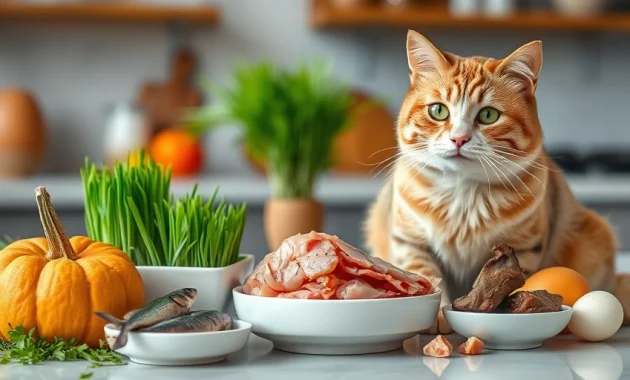
When we think of "superfoods," nutrient-dense human staples like kale, blueberries, and green tea often come to mind. However, because cats are obligate carnivores, their bodies are biologically designed to process animal products much more efficiently than plants. Therefore, a feline superfood list looks vastly different from our own.
While commercial cat foods are carefully formulated to provide complete and balanced nutrition on their own, incorporating safe superfoods as meal toppers or high-value treats can offer excellent supplementary health benefits. To prevent nutritional imbalances, ensure that all supplemental foods and treats make up no more than 10% of your cat's daily caloric intake.
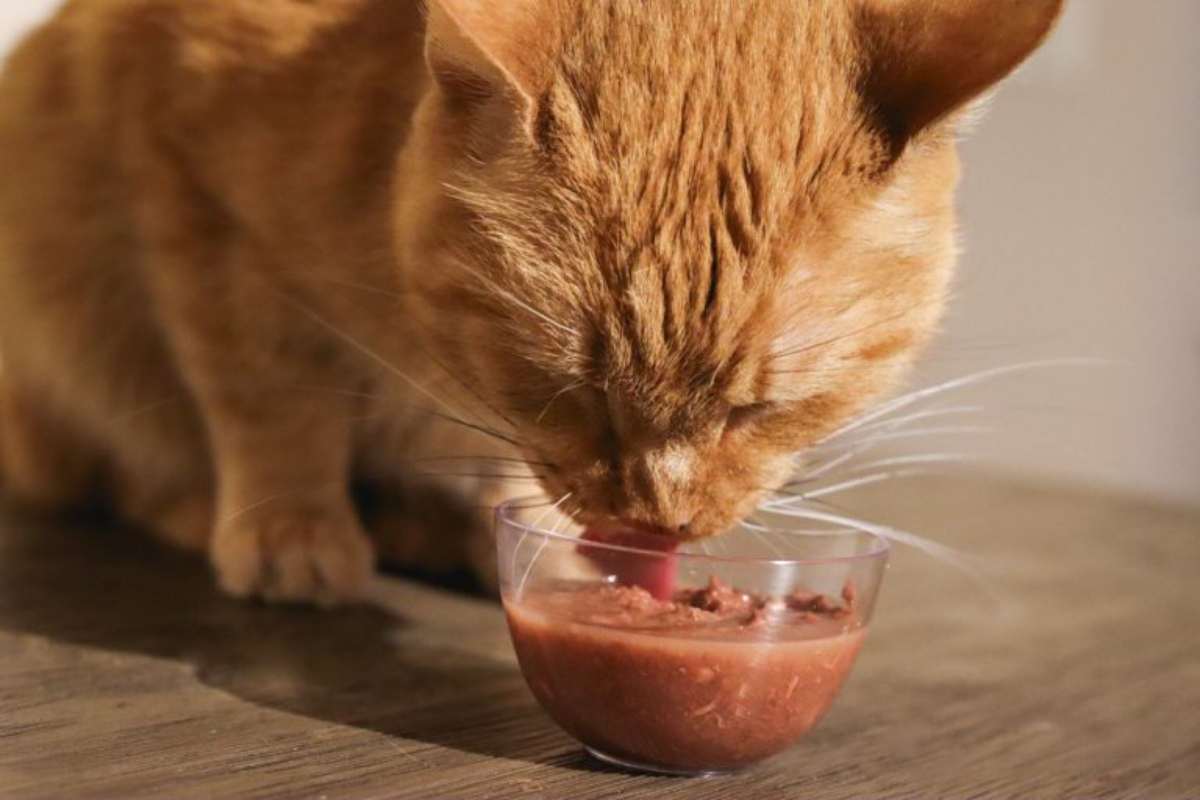
- 1. Pumpkin (The Digestive Aid)
- 2. Small, Oily Fish (Joint & Coat Support)
- 3. Lean Meats (Complete Proteins)
- 4. Organ Meats (Nature's Multivitamin)
- 5. Barley Grass (Safe Enrichment)
- 6. Eggs (Bioavailable Energy)
- 7. Raw Meaty Bones (Dental & Mineral Health)
- Feline Superfood Reference Matrix
- FAQ
- 1. What are superfoods for cats?
- 2. Can cats survive on superfoods alone?
- 3. How often should I feed superfoods to my cat?
- 4. Is pumpkin safe for every cat?
- 5. Which fish are the healthiest for cats?
- 6. Why is lean meat considered one of the best superfoods?
- 7. Can cats eat eggs safely?
- 8. Are organ meats healthy for cats?
- 9. What is cat grass, and why do cats like it?
- 10. Are raw bones safe for cats?
- 11. Can superfoods improve my cat's coat condition?
- 12. Can pumpkin help with hairballs?
- 13. How should I introduce new superfoods?
- 14. Are human seasonings safe for cats?
- 15. Should cats with medical conditions eat superfoods?
1. Pumpkin (The Digestive Aid)
Pumpkin is one of the few plant-based superfoods that offers immense biological benefits to felines. It is packed with potassium, magnesium, and vitamins A, C, and E.
Soluble Fiber Benefit: Roughly 60% of the fiber in pumpkin is soluble. It acts like a sponge, absorbing excess water as it moves through the digestive tract, which can help firm up loose stools and ease mild diarrhea.
Insoluble Fiber & Prebiotics: The remaining 40% is insoluble fiber, which adds bulk to the stool and helps move stubborn hairballs or waste smoothly through the intestines to relieve constipation. It also acts as a prebiotic to fuel beneficial gut bacteria.
💡 Serving Tip: Only use 100% plain, unsweetened pumpkin puree. Never use canned pumpkin pie mix, as it contains sugars and spices that are highly toxic to cats.
2. Small, Oily Fish (Joint & Coat Support)
While an entirely fish-based diet is discouraged by veterinarians due to the risk of mercury poisoning, offering small, oily fish as an occasional supplement is highly beneficial.
Omega-3 Fatty Acids: Fish like sardines and anchovies have short lifespans, meaning they accumulate the lowest levels of mercury while remaining incredibly rich in omega-3 fatty acids.
Anti-Inflammatory Properties: These healthy fats provide natural anti-inflammatory support, which helps soothe joint pain in senior cats with arthritis. They also nourish the skin barrier to reduce flaking, dryness, and allergy symptoms.
3. Lean Meats (Complete Proteins)
Unlike humans, cats cannot synthesize all their essential amino acids from plant proteins like grains or legumes. They require animal tissues to thrive.
Protein Quality Comparison:
├── Plant Proteins (Grains/Legumes) ➔ Incomplete (Lacks essential taurine)
└── Lean Meats (Chicken/Turkey/Pork) ➔ Complete Protein (Biologically optimal)
Amino Acid Source: Plain, cooked lean meats (such as chicken breast, turkey, or lean pork loin) are considered complete proteins. They deliver vital amino acids, like taurine, which are critical for maintaining healthy feline heart function and vision.
Training Treats: Shredded lean meat serves as a highly enticing, low-calorie, high-value reward perfect for clicker training or positive reinforcement.
4. Organ Meats (Nature's Multivitamin)
In the wild, a feline consumes the entire prey animal, and organ meats make up a highly valued portion of their ancestral diet.
Concentrated Micronutrients: Organs like chicken hearts or beef liver hold much higher concentrations of vital nutrients than standard muscle meat. They are loaded with iron, zinc, selenium, and essential B vitamins (including B12, folate, and riboflavin).
Serve in Moderation: Because organ meats are exceptionally rich and calorie-dense, overfeeding them can disrupt your cat's delicate micronutrient balance. Stick to small, measured portions of freeze-dried or fresh-cooked organs.
5. Barley Grass (Safe Enrichment)
Many indoor cats possess an innate urge to chew on green vegetation. If they resort to grazing on outdoor lawns, they risk ingesting toxic fertilizers, pesticides, or weed killers.
Safe Dietary Fiber: Growing an indoor tray of targeted cat grass—such as barley grass, wheatgrass, or oat grass—gives your cat a safe, chemical-free source of fiber.
Mental Stimulation: Chewing on live grass provides excellent behavioral enrichment and sensory stimulation for strictly indoor house cats.
6. Eggs (Bioavailable Energy)
Eggs are an incredibly bioavailable, easily digestible source of animal protein for felines. They are packed with protein, omega-3 fatty acids, and vitamins A, D, E, and B.
Preparation: While wild felines occasionally raid nests for raw eggs, it is safest to serve them fully cooked to avoid the risk of Salmonella contamination.
Calorie Control: If you are monitoring your cat's weight, serve unseasoned, scrambled, or hard-boiled egg whites cooked without butter or salt. For an occasional luxury treat, raw pet food companies offer freeze-dried quail eggs.
7. Raw Meaty Bones (Dental & Mineral Health)
Raw bones serve as a primary source of structural minerals like calcium and phosphorus in a wild feline's diet.
Natural Plaque Removal: Chewing on soft, raw meaty bones—such as chicken feet or turkey necks—acts as a natural toothbrush. The physical shearing action helps scrape plaque away from the surface of the teeth and massages the gums.
Stress Relief: The mechanical act of gnawing and chewing releases comforting endorphins, helping to alleviate anxiety in high-strung cats.
⚠️ Critical Safety Warning: Never feed your cat cooked bones. Cooking changes the cellular structure of bone, making it brittle and prone to splintering, which can cause fatal throat punctures or intestinal blockages. Always consult your vet before introducing raw bones, especially if your cat has chronic kidney disease, as the high mineral content may strain their kidneys.
Feline Superfood Reference Matrix
| Superfood | Primary Nutrient | Main Health Benefit | Best Serving Method |
| Pumpkin Puree | Soluble & Insoluble Fiber | Regulates bowel movements (diarrhea/constipation) | 1–2 teaspoons mixed into standard food. |
| Sardines (in Water) | Omega-3 Fatty Acids | Reduces joint inflammation; enhances coat shine | A small piece used as a meal topper or pill disguise. |
| Lean Chicken Breast | Complete Animal Protein | Maintains lean muscle mass; provides taurine | Plain, boiled, and shredded (no salt or seasonings). |
| Barley/Cat Grass | Plant Fiber | Provides safe behavioral enrichment and digestion aid | Offered in a small pot for self-grazing. |
Always introduce new superfoods to your cat's diet gradually and in tiny quantities to ensure their digestive system handles the change comfortably. If your cat has chronic health issues, check with your vet before introducing any new ingredients.
FAQ
1. What are superfoods for cats?
Superfoods for cats are nutrient-dense foods that provide additional vitamins, minerals, healthy fats, antioxidants, or fiber beyond a cat's regular diet. While they should never replace a complete and balanced commercial cat food, they can be offered as healthy treats or meal toppers to support digestion, skin health, immunity, and overall well-being.
2. Can cats survive on superfoods alone?
No. Cats are obligate carnivores and require a complete, balanced diet formulated to meet all their nutritional needs. Superfoods are intended only as supplements and should account for no more than 10% of your cat's daily calorie intake.
3. How often should I feed superfoods to my cat?
Most superfoods can be offered several times per week in small portions. Moderation is essential because excessive supplementation may create nutritional imbalances or digestive upset.
4. Is pumpkin safe for every cat?
Yes, plain, unsweetened pumpkin puree is generally safe for healthy cats. It helps relieve mild constipation, diarrhea, and hairball issues thanks to its combination of soluble and insoluble fiber. However, never feed pumpkin pie filling, as it contains sugar and spices that are unsafe for cats.
5. Which fish are the healthiest for cats?
Small oily fish such as sardines and anchovies are excellent choices because they are naturally rich in omega-3 fatty acids while containing lower mercury levels than larger fish like tuna. They should only be fed occasionally as treats rather than daily meals.
6. Why is lean meat considered one of the best superfoods?
Lean meats such as chicken, turkey, and pork provide complete animal protein containing essential amino acids, including taurine. Taurine is vital for healthy vision, heart function, immune support, and reproduction in cats.
7. Can cats eat eggs safely?
Yes. Fully cooked eggs are a nutritious source of protein, healthy fats, and essential vitamins. Avoid feeding raw eggs because they may carry harmful bacteria such as Salmonella and can increase the risk of foodborne illness.
8. Are organ meats healthy for cats?
Absolutely. Organ meats such as chicken hearts and beef liver contain high concentrations of iron, zinc, selenium, vitamin A, and B vitamins. Because they are extremely nutrient-dense, they should only be fed in moderation.
9. What is cat grass, and why do cats like it?
Cat grass typically consists of barley, oat, or wheat grass grown specifically for cats. It provides safe dietary fiber, encourages natural chewing behavior, helps with digestion, and offers environmental enrichment for indoor cats.
10. Are raw bones safe for cats?
Raw meaty bones may help reduce plaque buildup and provide natural minerals when fed appropriately. However, they should only be introduced under veterinary guidance. Never feed cooked bones because they can splinter and cause severe internal injuries.
11. Can superfoods improve my cat's coat condition?
Yes. Foods rich in omega-3 fatty acids, such as sardines, along with quality animal proteins and eggs, help nourish the skin, reduce inflammation, minimize shedding, and promote a shinier, healthier coat.
12. Can pumpkin help with hairballs?
Yes. Pumpkin's fiber helps move ingested hair through the digestive tract, reducing the likelihood of hairball formation and supporting regular bowel movements.
13. How should I introduce new superfoods?
Introduce one new food at a time in very small amounts. Monitor your cat for several days for vomiting, diarrhea, itching, or other signs of digestive upset before increasing the serving size.
14. Are human seasonings safe for cats?
No. Never add salt, garlic, onion, butter, sauces, or spices to foods prepared for cats. Many common seasonings are toxic or unhealthy for felines.
15. Should cats with medical conditions eat superfoods?
Cats with kidney disease, diabetes, food allergies, digestive disorders, or other chronic illnesses should only receive new foods after consulting a veterinarian. Certain superfoods may not be appropriate depending on the condition.