Can Cats Eat Dog Food? What Really Happens When Your Cat Raids the Dog's Bowl
2 days ago
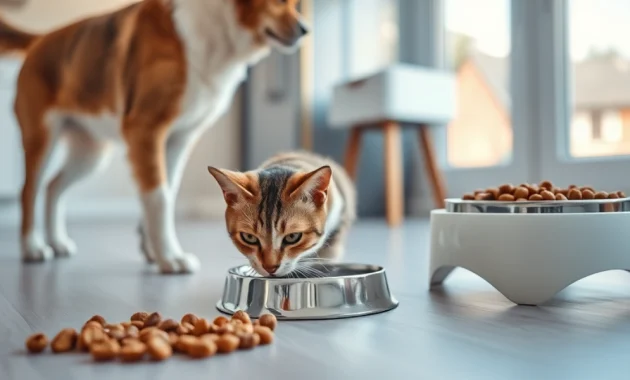
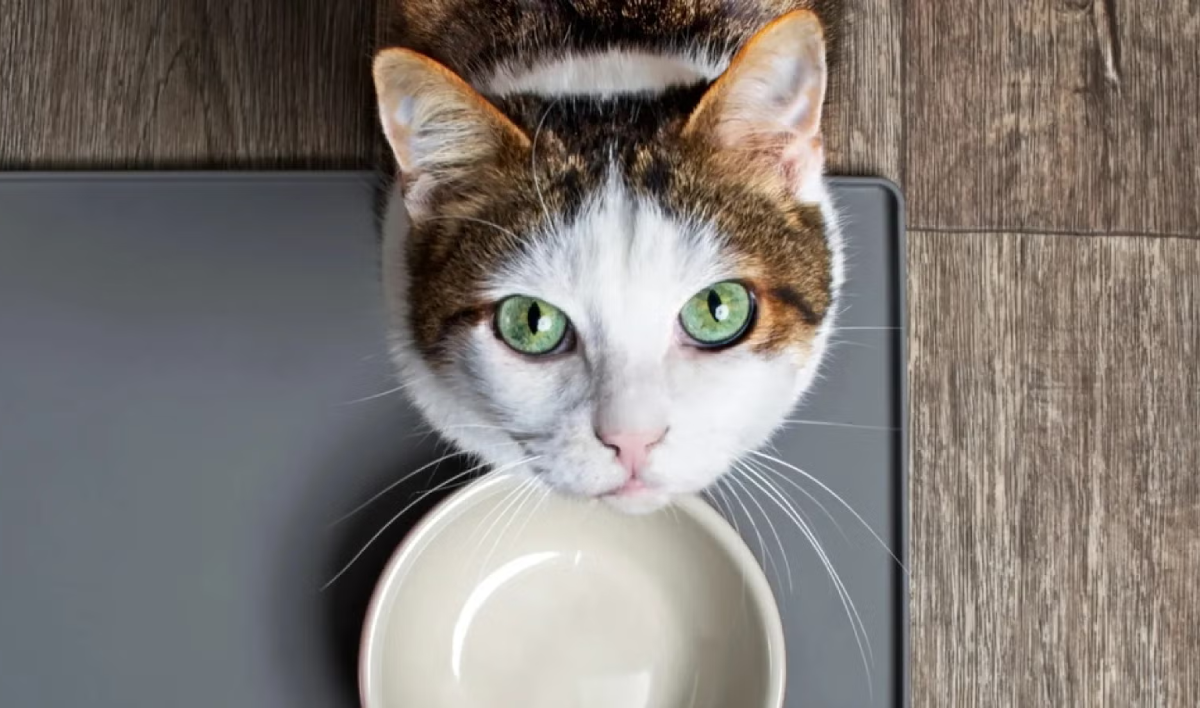
There's a particular domestic comedy that plays out in multi-pet households around the world every single day, several times a day. The dog finishes its meal with characteristic enthusiasm and wanders off. The cat, who has been watching from approximately three feet away with an expression of studied indifference, waits approximately thirty seconds and then saunters over to investigate whatever's left in the dog's bowl. Maybe a few stray kibbles. Maybe the remnants of a wet food meal. The cat sniffs, decides yes, and helps themselves.
You notice, and you feel that small, familiar flutter of uncertainty. Is that okay? Should you stop them? Is this actually harmful, or is it one of those things that's technically inadvisable but practically harmless? Dog food is still food, after all. It says "meat" on the label. How different can it really be?
Very different, as it turns out. And the difference isn't a matter of minor nutritional technicalities. It lives in the fundamental biological blueprints of two animals who have been domesticated along very different evolutionary paths, and who have ended up with bodies that require genuinely distinct things from their food to function properly. Feeding your cat dog food regularly isn't like giving them a slightly suboptimal diet. It's a path toward specific, serious, in some cases irreversible health consequences.
This guide explains all of it. The biology underneath the problem. The five specific nutrients where dog food systematically fails feline needs. What's actually happening inside a cat's body when those needs go unmet. What to do if your cat is already a confirmed dog-bowl raider. And how to manage a multi-pet household in a way that keeps everyone eating what they're actually supposed to be eating.
Let's start where the problem actually starts: with the fundamental difference between what cats and dogs are, biologically speaking.
The Biological Divide That Makes Everything Else Make Sense
Two Different Evolutionary Stories
Modern domestic cats and modern domestic dogs may share our homes, our couches, and sometimes our beds, but they arrived at domestication from very different places, and those different places left permanent, physiological marks on what their bodies need to survive and thrive.
Dogs descend from wolves, and wolves are opportunistic predators and scavengers with a long evolutionary history of eating whatever was available — prey animals of various kinds when hunting was successful, but also plant material, insects, carrion, and whatever else the environment offered when it wasn't. This dietary flexibility is encoded in the dog's digestive and metabolic physiology in meaningful ways: dogs can extract useful nutrition from a fairly wide range of food sources, including carbohydrates from plant material, and their bodies have retained or developed the ability to synthesize certain nutrients that their varied food supply might not always provide in adequate amounts.
Cats descended from the African wildcat, Felis lybica, a small, solitary predator that ate almost exclusively small prey animals — rodents, birds, small reptiles, the occasional insect. This diet is extremely narrow in terms of its composition, but also extremely consistent in what it provides: almost pure animal protein and fat, with virtually no plant material and essentially no carbohydrates to speak of. Generation after generation, millennium after millennium, the cat's metabolic system adapted to this specific input. It became, in evolutionary terms, extraordinarily good at processing pure animal nutrition — and gradually lost, or never developed, the metabolic machinery to synthesize certain nutrients from scratch, because those nutrients were always present in reliable abundance in prey.
This divergence in evolutionary dietary strategy is what's behind the technical distinction that comes up constantly in feline nutrition: the cat as an obligate carnivore, compared to the dog as a semi-carnivore or facultative omnivore.
What "Obligate Carnivore" Actually Means
The phrase gets used a lot in cat nutrition discussions, but it's worth being specific about what it actually means in practice, because it's more significant than a simple label.
"Obligate carnivore" doesn't just mean that cats prefer meat, or that they're happiest eating a high-protein diet. It means that cats have specific, essential nutritional requirements that can only be met by animal-derived ingredients — requirements that simply cannot be substituted with plant-based alternatives or synthesized internally. The cat's body lacks the metabolic pathways to produce these compounds itself and lacks the ability to convert precursor compounds (the way some animals can, including dogs) into the active forms it needs. The nutrients have to arrive pre-formed, in the food, from animal sources.
This creates a biological situation where the composition of a cat's food isn't just about palatability or preference — it's about whether the food actually contains the specific molecular compounds the cat's body cannot make for itself and cannot survive without.
Dog food, formulated for an animal with very different metabolic capacities and very different evolutionary needs, simply does not contain all of those compounds in the concentrations a cat requires. Some aren't present at all. Others are present at levels appropriate for a dog's needs but far below what a cat's body demands. And because the consequences of these deficiencies develop gradually rather than immediately, the connection between "regular dog food eating" and "serious health problem" can be maddeningly slow to become apparent — which is exactly what makes it so dangerous.
- Deficiency One: Taurine and Arginine — The Amino Acids That Cannot Wait
- Deficiency Two: Vitamin A — When the Precursor Isn't Enough
- Deficiency Three: Arachidonic Acid — The Fatty Acid Cats Can't Make
- Deficiency Four: Protein Quantity and Caloric Density
- Deficiency Five: Kibble Size and Physical Ergonomics
- 1. Can cats eat dog food safely?
- 2. Why is dog food unsuitable for cats?
- 3. What does "obligate carnivore" mean?
- 4. Is it dangerous if my cat steals a few bites of dog food?
- 5. Can cats survive on dog food alone?
- 6. Why do cats often eat dog food?
- 7. What is taurine, and why is it essential for cats?
- 8. What happens if a cat doesn't get enough taurine?
- 9. Why don't dogs need as much taurine in their food?
- 10. Why is arginine important for cats?
- 11. What symptoms can arginine deficiency cause?
- 12. Why do cats need preformed Vitamin A?
- 13. What problems can Vitamin A deficiency cause?
- 14. What is arachidonic acid?
- 15. Why is protein so important for cats?
- 16. Can dog food provide enough protein for cats?
- 17. Are dog kibble sizes appropriate for cats?
- 18. How long does it take for nutritional deficiencies to appear?
- 19. What are the early warning signs of nutritional deficiency in cats?
- 20. Can blindness caused by taurine deficiency be reversed?
- 21. Can heart disease from taurine deficiency improve?
- 22. How can I stop my cat from eating dog food?
- 23. Is free-feeding a good idea in multi-pet households?
- 24. Should I feed my cat separately from my dog?
- 25. What should I do if my cat has been eating dog food regularly?
- 26. Can kittens eat dog food?
- 27. Is wet dog food safer than dry dog food for cats?
- 28. Why is species-specific pet food important?
- 29. What is the best diet for a healthy cat?
- 30. What is the biggest takeaway for pet owners?
The Five Specific Ways Dog Food Fails a Cat's Body
Deficiency One: Taurine and Arginine — The Amino Acids That Cannot Wait
The single most critical nutritional gap between dog food and cat food is the amino acid situation — specifically, the availability of taurine and arginine, two compounds that are so fundamentally essential to feline health that their absence doesn't just cause problems. It causes catastrophic, progressive, largely irreversible damage to specific organ systems.
Amino acids are the molecular building blocks from which proteins are assembled, and while many amino acids can be synthesized by the body from other precursor compounds, some cannot — these are called "essential" amino acids, meaning the body must obtain them directly from dietary sources rather than manufacturing them internally.
For dogs, taurine sits in a different nutritional category than it does for cats. Dogs can synthesize adequate taurine from other amino acids, specifically methionine and cysteine, which means dog food manufacturers don't need to include meaningful amounts of pre-formed taurine in their formulations. The dog's body handles production internally, and the food doesn't need to compensate.
Cats cannot do this. The feline metabolic pathway for taurine synthesis is, essentially, broken — or more precisely, it was never strongly developed, because wild prey animals provided abundant pre-formed taurine in their tissues and the cat's evolutionary history never created pressure to develop robust internal synthesis capacity. The result is a cat whose body requires a steady, reliable dietary supply of pre-formed taurine, just as it requires other essential nutrients that can't be self-manufactured.
Dog food, formulated for animals that make their own taurine, contains negligible amounts of it. A cat eating dog food as a regular or primary diet receives far less taurine than their body requires, and the deficit accumulates over time.
The consequences of taurine deficiency in cats are devastating and specific. The compound is essential to retinal function — the maintenance of the specialized cells in the back of the eye that make sight possible. As taurine levels decline, these cells begin to degrade in a progressive, irreversible process called feline central retinal degeneration. The cat's visual field narrows, their ability to see in low light diminishes, and eventually, if the deficiency goes uncorrected for long enough, blindness results. This damage cannot be undone. Even if taurine is restored to adequate levels after the degeneration has occurred, the destroyed retinal cells do not regenerate.
Simultaneously, taurine deficiency affects the heart. The compound is essential to proper cardiac muscle function, and its absence is associated with a condition called dilated cardiomyopathy — an enlargement and weakening of the heart muscle that progressively reduces the heart's ability to pump blood effectively. Dilated cardiomyopathy in cats is a serious, life-threatening condition. It causes fluid accumulation in the lungs and around the heart, severe exercise intolerance, and in advanced cases, congestive heart failure.
Both of these outcomes — blindness and heart failure — develop slowly and subtly enough that by the time they become clinically apparent, significant and sometimes irreparable damage has already occurred. This is one of the reasons taurine deficiency from inadequate cat food is so insidious: the warning signs don't appear until the deficit has been accumulating for some time.
Arginine, the other essential amino acid worth highlighting here, is required for the urea cycle — the metabolic process by which the body detoxifies and eliminates ammonia produced during protein metabolism. Cats produce more ammonia during protein metabolism than most animals, because they metabolize protein at a very high rate for energy production (part of the metabolic reality of being an obligate carnivore). A working urea cycle is therefore not optional — it's critical for basic metabolic safety.
Arginine deficiency produces acute, rapid-onset ammonia toxicity. This isn't a slow, chronic process like the taurine-related conditions described above. Elevated blood ammonia affects the nervous system quickly, producing symptoms including excessive salivation, vomiting, neurological signs, and in severe cases, can progress rapidly toward coma. While most commercial dog foods do contain some arginine, the concentrations are calibrated to canine needs rather than feline ones, and a cat whose primary diet is dog food may not receive adequate arginine to safely manage their higher protein metabolism rate.
Deficiency Two: Vitamin A — When the Precursor Isn't Enough
Vitamin A is essential to a broad range of biological functions — maintaining healthy vision (particularly the ability to see in low light, through its role in producing a pigment called rhodopsin in the rod cells of the retina), supporting immune function, promoting healthy skin and coat, and facilitating normal cell growth and differentiation.
Most mammals, including dogs, obtain a meaningful portion of their Vitamin A through a process of metabolic conversion: they consume carotenoid compounds from plant-derived food sources, most famously beta-carotene (the pigment responsible for the orange color of carrots and sweet potatoes), and their bodies convert these carotenoids into active Vitamin A (retinol) using a specific enzyme. This conversion pathway gives dogs and many other animals dietary flexibility in how they obtain their Vitamin A — they can get active Vitamin A directly from animal sources, or they can get carotenoid precursors from plant sources and convert them internally.
Cats lack a functional version of the enzyme required for this conversion. They cannot convert beta-carotene or other carotenoids into active Vitamin A, which means plant-derived carotenoids provide them with essentially zero Vitamin A benefit, regardless of how much of them the cat consumes. For cats, Vitamin A must arrive in the food already in its active, pre-formed retinol form — which means it must come from animal-derived ingredients, where it exists naturally in its usable state.
Dog food is formulated with this partially in mind, but because dogs can also synthesize Vitamin A from plant precursors, the reliance on pre-formed dietary retinol is lower in canine formulations than in feline ones. Dog food typically contains levels of pre-formed Vitamin A that are appropriate for supplementing a dog's internal conversion capacity, not for serving as the sole source of retinol for an animal that cannot convert plant-based precursors at all.
A cat regularly eating dog food will therefore receive inadequate pre-formed Vitamin A, and unlike a dog, cannot compensate by converting plant-based alternatives. The deficiency that results manifests in multiple organ systems: deteriorating night vision and eventual night blindness as the retina fails to produce adequate rhodopsin, skin problems including dryness, scaling, and increased susceptibility to infection, a dull and deteriorating coat quality, and compromised immune function as the Vitamin A-dependent processes of immune cell maturation and mucosal barrier maintenance are undermined.
Deficiency Three: Arachidonic Acid — The Fatty Acid Cats Can't Make
Fats are not nutritionally uniform. The category encompasses a wide variety of fatty acid compounds, each with distinct biochemical roles in the body, and the question of which fats an animal must obtain from their diet and which they can synthesize internally varies meaningfully between species.
Arachidonic acid is an omega-6 polyunsaturated fatty acid that plays important roles in inflammatory response regulation, immune function, and cellular membrane integrity. It's involved in the synthesis of signaling molecules called eicosanoids, which mediate a range of physiological processes including immune activation, blood clotting, and the body's response to injury.
Dogs can synthesize arachidonic acid internally from other fatty acids, specifically linoleic acid, using an enzyme-mediated conversion pathway. Because of this synthesis capacity, dog food manufacturers don't need to include significant amounts of pre-formed arachidonic acid in canine formulations. The dog's body handles its own production.
Cats, again following the pattern we've seen with taurine and Vitamin A, lack adequate versions of the enzymes required for this conversion. They cannot produce arachidonic acid from linoleic acid in meaningful quantities, which means arachidonic acid is, for cats, a dietary essential — something that must be present in the food itself in pre-formed amounts.
Because it's absent or present in negligible amounts in most dog food formulations, a cat relying primarily on dog food as a dietary staple will develop arachidonic acid deficiency over time. The consequences include compromised immune function, impaired wound healing, reduced platelet aggregation and blood clotting efficiency, and broader cellular health deterioration as the fatty acid's role in membrane structure and function goes unsupported.
Deficiency Four: Protein Quantity and Caloric Density
Beyond the specific missing compounds described above, there's a more basic quantitative mismatch between what dog food provides and what a cat's body fundamentally requires in terms of protein and caloric content.
Cats use protein differently from dogs. Where dogs can shift flexibly between carbohydrates, fats, and proteins as energy substrates depending on what their diet provides, cats are metabolically committed to protein as their primary fuel source. The enzymes that metabolize amino acids for energy production in the cat's liver run continuously at high capacity, regardless of dietary protein intake, because those enzyme pathways aren't flexibly regulated in the way they are in omnivores. This means cats require a high, steady protein input simply to maintain normal metabolic function — they burn through dietary protein at a rate that reflects their evolutionary history as exclusive meat eaters, and they need food that matches that rate.
Cat food is formulated to be protein-dense, providing the elevated concentrations of animal protein that feline metabolism requires for daily energy production, tissue maintenance, and the ongoing production of functional compounds. Dog food, calibrated for an animal with more flexible and varied energy metabolism, contains significantly less protein per calorie and fewer total calories per unit of food.
A cat subsisting primarily on dog food will not meet their protein and caloric needs through normal meal-sized portions. They'll consume less protein than their liver enzymes expect to receive and process, less protein than their muscles and tissues need for maintenance, and fewer total calories than their metabolic rate demands. The result over time is progressive muscle wasting as the body begins breaking down its own tissue to meet protein demands, chronic fatigue, and the general physical deterioration that comes from sustained, progressive undernutrition — not because the cat isn't eating, but because what they're eating isn't providing what they actually need.
Deficiency Five: Kibble Size and Physical Ergonomics
This final difference operates at a more literal, physical level than the nutritional deficiencies above, but it matters practically for any household where a cat might regularly access dog food kibble.
Cat food kibble is specifically engineered in size, shape, and texture to be manageable for feline jaws — small enough to be picked up, positioned, and chewed with the relatively delicate dental mechanics of a cat's mouth. Dog food kibble, designed for canine jaws that are typically larger, stronger, and differently structured, is correspondingly larger, harder, and shaped in ways that assume more jaw strength and a wider bite.
For a cat attempting to eat standard dog kibble, particularly larger breeds' kibble, the physical experience ranges from somewhat awkward to genuinely difficult. The size requires the cat to work harder at positioning each piece for chewing. For older cats or cats with any dental issues, this extra physical demand can meaningfully reduce the amount they're able to eat comfortably. And for all cats, large kibble presents a subtle but real choking risk compared to appropriately sized feline kibble, particularly for cats who eat quickly or with less deliberate chewing than the food's size actually requires.
The Timeline of Harm — How These Deficiencies Actually Play Out
Why "Fine for Now" Isn't a Reliable Indicator
One of the most dangerous aspects of the dog-food-as-cat-food scenario is the timeline over which the consequences become apparent. Unlike an acute toxin exposure, where symptoms often appear quickly and dramatically enough to prompt immediate alarm and veterinary attention, nutritional deficiencies that develop from an inadequate diet accumulate gradually and typically don't produce obvious clinical signs until they've reached a fairly advanced stage.
A cat that begins eating dog food as a regular or primary diet on Monday is not going to show signs of taurine deficiency by the following weekend. They won't appear meaningfully different from a normally fed cat for weeks or months. The deficiency accumulates in the background: taurine reserves in the body decline gradually, retinal cells begin to degrade at a rate that doesn't produce obvious visual changes until a significant portion have been lost, cardiac muscle function deteriorates over a longer arc than any single meal or single week could reveal.
By the time the clinical signs that tell an owner something is seriously wrong become visible — squinting, reduced ability to see in low light, changes in gait or behavior that might indicate visual field loss, the subtle early signs of cardiac compromise — the underlying damage has frequently been accumulating for months. In the case of taurine-related retinal degeneration specifically, the damage at that point may already be irreversible, regardless of how quickly the nutritional situation is corrected afterward.
This is precisely why the "it hasn't hurt them yet" logic that many pet owners apply to occasional dog food sharing is so potentially misleading. The absence of immediately visible harm isn't the same as the absence of accumulating harm, and the most serious consequences of long-term dog food consumption in cats develop on a timeline that makes "wait and see" a genuinely risky approach.
The Distinction Between Occasional and Regular
To be clear — and the source material for this guide makes the same point — a single stolen nibble from the dog's bowl, or even occasional accidental ingestion over the course of a multi-pet life, is not a medical emergency and doesn't warrant panic. The body has reserves of most of these nutrients, and a single serving of dog food does not create an acute deficiency in a cat who is otherwise eating a complete, appropriate feline diet.
The concern is specifically about regular, sustained exposure — a cat who is eating dog food as a significant portion of their daily caloric intake, week after week, month after month. That's the scenario where the deficiency accumulates to levels that cause actual damage. A few stolen kibbles several times a week, in a cat who is otherwise well-fed on appropriate food, is unlikely to create clinically significant deficiency. A cat whose primary or sole source of food is dog food is a very different situation.
Managing a Multi-Pet Household Sensibly
Why Separation Is the Right Goal
Understanding the nutritional stakes makes the management goal clear: not absolute zero interspecies food contact under every possible circumstance, but a consistent, reliable feeding arrangement where each animal primarily and substantially eats only the food appropriate to their species.
The practical challenge in most multi-pet households is simply that the food is in the same spaces, served around the same times, and the animals involved are curious about each other's belongings in the way that most animals living in close quarters tend to be. Preventing all cross-species food investigation requires some deliberate household organization, but it's not remotely difficult once the system is established.
Strategy One: Geographic Separation
The simplest and most reliable approach is feeding cats and dogs in entirely separate locations — not the same room, not adjacent bowls, but genuinely different spaces where each animal eats without awareness of or easy access to the other's meal.
For cats specifically, elevation is a particularly natural solution. Cats are, by inclination and physical ability, highly comfortable at elevated heights — they're accustomed to accessing countertops, cat trees, shelves, and raised surfaces as part of their normal daily movement. Placing a cat's food bowl on a countertop, a cat-specific feeding station mounted at height, or the top tier of a tall cat tree achieves the separation goal while simultaneously positioning the food in a location the cat finds natural and the dog physically cannot access. No gate, no closed door, no careful timing required — the elevation itself does the work.
For dogs, the reverse approach works in some households: a dog door or low feeding station in a room or area the cat doesn't typically frequent, closing off cat access not through elevation but through the practical reality that cats generally don't bother going where there's nothing of interest.
Strategy Two: Scheduled, Supervised Mealtimes
Many pet owners fall into the habit of free-feeding — leaving dry food available in accessible bowls throughout the day for the animals to eat as they choose. This approach has real convenience advantages, particularly for busy households, but it creates nearly ideal conditions for cross-species food access: food is present in accessible bowls at all hours, without any human present to notice or redirect bowl-switching behavior.
Switching to a scheduled feeding model, where meals are served at specific times for a defined window — roughly twenty minutes is a commonly suggested duration — and then removed solves multiple problems simultaneously. Neither animal has ongoing, unsupervised access to food sitting in a bowl. The cats can't raid the dog's bowl because the dog's bowl is put away after feeding. The dog can't lick out the cat's dishes because the cat's dishes are removed. The feeding window is short enough that an owner can reasonably supervise the process, gently redirecting any bowl-swapping attempts if they occur.
There's an additional health benefit to this approach beyond the cross-species access issue: scheduled feeding generally makes it easier to notice changes in individual appetite (a dog who didn't finish their meal, a cat who ate with unusual hesitation) that might signal an emerging health concern, compared to free-feeding where it's much harder to track how much each animal has actually consumed.
Strategy Three: Brief Supervision During Meals
Even within a scheduled feeding structure, spending a few minutes near the eating area during meals provides an easy additional layer of oversight. You don't need to stand guard over the animals for the entire duration — most of the cross-species food investigation happens in the first moments after a bowl is placed, when curiosity is highest, or in the final moments when one animal finishes and looks around for supplemental options. Presence during those transitions is usually enough to gently redirect the behavior before it becomes a habit.
Part Five: Rethinking the Question Itself
A Different Way to Frame "Is This Safe?"
When the question "can cats eat dog food?" comes up in conversations between pet owners, it's usually framed as a safety question in the immediate-danger sense: will eating this harm my cat right now, today? And the honest answer to that specific question is no — a small amount of dog food on a single occasion is not going to hurt a cat in any acutely visible way.
But that framing misses the actual risk, which operates on a completely different timescale. The better question isn't "is this toxic right now?" but "does this food contain everything a cat's body requires to function properly over months and years?" And the answer to that question is clearly no — not because dog food is a bad product, but because it's a product formulated for a very different animal with a very different set of nutritional requirements.
The five categories of deficiency covered in this guide aren't hypothetical risks invented by pet food marketing teams trying to sell cat-specific products. They're well-established aspects of feline biology that have been documented through veterinary research for decades. Taurine deficiency and its connection to retinal degeneration and dilated cardiomyopathy in cats was identified and studied rigorously in the 1980s and 1990s, leading to mandatory taurine supplementation in commercial cat food — a change that essentially eliminated dietary taurine deficiency as a clinical problem in cats eating appropriate feline diets. The feline inability to convert beta-carotene to Vitamin A, and the resulting dependence on pre-formed dietary retinol, is similarly well-documented physiology rather than industry positioning.
Understanding this biological reality doesn't require suspicion of any particular pet food brand or manufacturer. It simply requires taking seriously the fact that cats and dogs are different animals, that those differences are reflected in genuinely different nutritional requirements, and that food formulated to meet one animal's requirements will not automatically meet the other's.
Conclusion: Two Animals, Two Diets, One Simple Rule
The core message here is actually quite simple, even if the biology underneath it is complex: cats and dogs are fundamentally different in their nutritional needs, in ways that reflect millions of years of evolutionary divergence in their dietary strategies, and those differences mean that food appropriate for one is not appropriate for the other in anything but the most incidental, occasional doses.
Dog food isn't dangerous in the immediate, acute-toxin sense for a cat who steals a few bites here and there. But it is definitively inadequate as a regular food source, and the consequences of that inadequacy — taurine-related blindness and heart disease, Vitamin A deficiency, missing essential fatty acids, insufficient protein and calories — are serious enough and irreversible enough in some cases that the management effort required to keep each animal eating their own species-appropriate food is genuinely worth making.
The practical solution is uncomplicated: separate feeding locations, ideally using elevation for the cat's bowl as a natural and reliable form of separation; scheduled mealtimes with brief supervision; and the removal of bowls after meals rather than leaving food accessible throughout the day.
None of this is difficult. It's simply the recognition that the cat sharing your home with a dog is not a small dog — it's a biologically distinct animal with specific needs that its food must meet, and that the dog's bowl, however tempting to a curious feline on a Tuesday afternoon, simply cannot do that job.
Keep the bowls separate, keep the food species-appropriate, and both animals get exactly what their bodies were built to need.
FAQ
1. Can cats eat dog food safely?
Cats can eat a small amount of dog food occasionally without experiencing immediate harm. However, dog food should never become a regular part of a cat's diet because it lacks several essential nutrients that cats require for long-term health. Continuous consumption can eventually lead to serious nutritional deficiencies and irreversible health problems.
2. Why is dog food unsuitable for cats?
Dog food is formulated to meet the nutritional needs of dogs, which are biologically different from cats. Cats are obligate carnivores and require higher levels of animal protein, specific amino acids, fatty acids, and vitamins that dogs can either produce themselves or require in much smaller amounts.
3. What does "obligate carnivore" mean?
An obligate carnivore is an animal that must obtain certain nutrients directly from animal-based foods because its body cannot produce them efficiently. Cats rely on meat to obtain essential nutrients such as taurine, arachidonic acid, preformed vitamin A, and adequate animal protein.
4. Is it dangerous if my cat steals a few bites of dog food?
No. A few bites of dog food occasionally are generally not dangerous for a healthy cat that otherwise eats a complete and balanced cat food. The real concern arises when dog food becomes a significant or primary source of daily nutrition.
5. Can cats survive on dog food alone?
No. Cats cannot maintain optimal health on dog food alone. Long-term feeding with dog food can cause nutrient deficiencies that affect the eyes, heart, immune system, muscles, skin, and overall metabolism.
6. Why do cats often eat dog food?
Cats may be attracted to dog food because of its smell, flavor, curiosity, or convenience. Some cats simply enjoy exploring another pet's food, especially in multi-pet households.
7. What is taurine, and why is it essential for cats?
Taurine is an amino acid that supports heart health, vision, brain function, reproduction, and normal muscle activity. Unlike dogs, cats cannot produce enough taurine naturally, so they must obtain it through their diet.
8. What happens if a cat doesn't get enough taurine?
Taurine deficiency can cause:
- Progressive retinal degeneration
- Permanent blindness
- Dilated cardiomyopathy (heart disease)
- Reduced reproductive performance
- Poor immune function
Many of these conditions become irreversible if the deficiency continues for too long.
9. Why don't dogs need as much taurine in their food?
Dogs can manufacture taurine from other amino acids like methionine and cysteine. Cats lack this efficient metabolic pathway, making dietary taurine absolutely essential.
10. Why is arginine important for cats?
Arginine is required for the urea cycle, which removes toxic ammonia produced during protein metabolism. Without sufficient arginine, ammonia levels can rise rapidly and become life-threatening.
11. What symptoms can arginine deficiency cause?
Symptoms may include:
- Excessive drooling
- Vomiting
- Loss of coordination
- Tremors
- Neurological abnormalities
- Collapse
- Coma in severe cases
12. Why do cats need preformed Vitamin A?
Cats cannot convert beta-carotene from vegetables into usable Vitamin A. They require active Vitamin A (retinol) from animal tissues, which is supplied in properly formulated cat food.
13. What problems can Vitamin A deficiency cause?
Vitamin A deficiency may lead to:
- Poor night vision
- Eye disorders
- Weak immune function
- Dry skin
- Poor coat quality
- Delayed tissue repair
14. What is arachidonic acid?
Arachidonic acid is an essential omega-6 fatty acid involved in:
- Immune function
- Healthy skin
- Cell membrane structure
- Blood clotting
- Inflammatory responses
Cats cannot produce enough arachidonic acid on their own.
15. Why is protein so important for cats?
Cats rely on protein as their primary energy source. Their metabolism continuously breaks down amino acids for energy, meaning they require much higher protein levels than dogs.
16. Can dog food provide enough protein for cats?
Generally, no. Dog food contains less protein because dogs utilize carbohydrates more efficiently. Cats eating dog food regularly may experience muscle loss, fatigue, and poor body condition.
17. Are dog kibble sizes appropriate for cats?
Not always. Dog kibble is often larger and harder than cat kibble, making it more difficult for cats to chew comfortably and increasing the risk of choking, especially for older cats.
18. How long does it take for nutritional deficiencies to appear?
Deficiencies develop gradually over weeks or months. Because symptoms appear slowly, owners may not notice problems until irreversible damage has already occurred.
19. What are the early warning signs of nutritional deficiency in cats?
Possible signs include:
- Weight loss
- Reduced activity
- Poor coat condition
- Vision changes
- Muscle wasting
- Decreased appetite
- Weakness
- Difficulty jumping
- Behavioral changes
20. Can blindness caused by taurine deficiency be reversed?
Unfortunately, retinal degeneration caused by prolonged taurine deficiency is generally permanent. Early prevention through proper nutrition is far more effective than treatment.
21. Can heart disease from taurine deficiency improve?
Some cats diagnosed early with taurine-related dilated cardiomyopathy may improve with veterinary treatment and taurine supplementation, but advanced cases can become life-threatening.
22. How can I stop my cat from eating dog food?
Helpful strategies include:
- Feed pets in separate rooms.
- Place the cat's food on elevated surfaces.
- Remove food bowls after meals.
- Feed pets on a schedule instead of free-feeding.
- Supervise mealtimes.
23. Is free-feeding a good idea in multi-pet households?
Free-feeding often encourages food stealing between pets. Scheduled meals provide better portion control and reduce opportunities for cross-species eating.
24. Should I feed my cat separately from my dog?
Yes. Separate feeding locations are one of the most effective ways to ensure each pet consumes the correct diet.
25. What should I do if my cat has been eating dog food regularly?
Schedule a veterinary examination as soon as possible. Your veterinarian may recommend:
- A complete physical exam
- Blood testing
- Cardiac evaluation
- Nutritional assessment
- Transition back to a balanced feline diet
26. Can kittens eat dog food?
No. Kittens have even greater nutritional requirements than adult cats. Feeding dog food during growth can interfere with proper development and cause severe deficiencies.
27. Is wet dog food safer than dry dog food for cats?
Neither wet nor dry dog food is nutritionally complete for cats. The issue is nutrient composition—not food texture.
28. Why is species-specific pet food important?
Commercial cat food is formulated specifically to provide every nutrient cats require in appropriate amounts. Dog food is balanced according to canine nutritional standards and should not replace feline diets.
29. What is the best diet for a healthy cat?
A complete and balanced commercial cat food that meets recognized nutritional standards and is appropriate for the cat's age, lifestyle, and health condition is the best choice for long-term health.
30. What is the biggest takeaway for pet owners?
Occasional bites of dog food are usually harmless, but regular consumption can lead to severe nutritional deficiencies. Feeding cats and dogs separately with species-appropriate diets is the simplest and safest way to protect both pets.