Snowshoe Cat: Breed Characteristics & Information
2 weeks ago
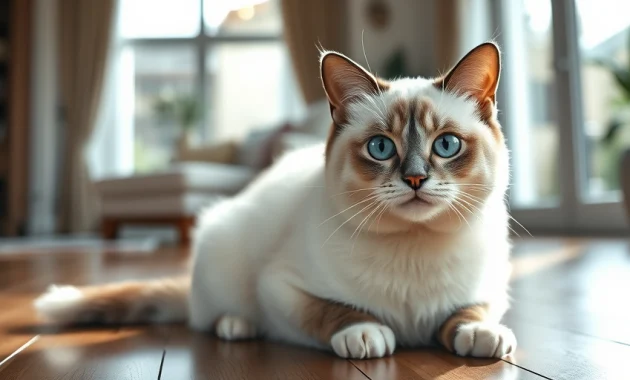
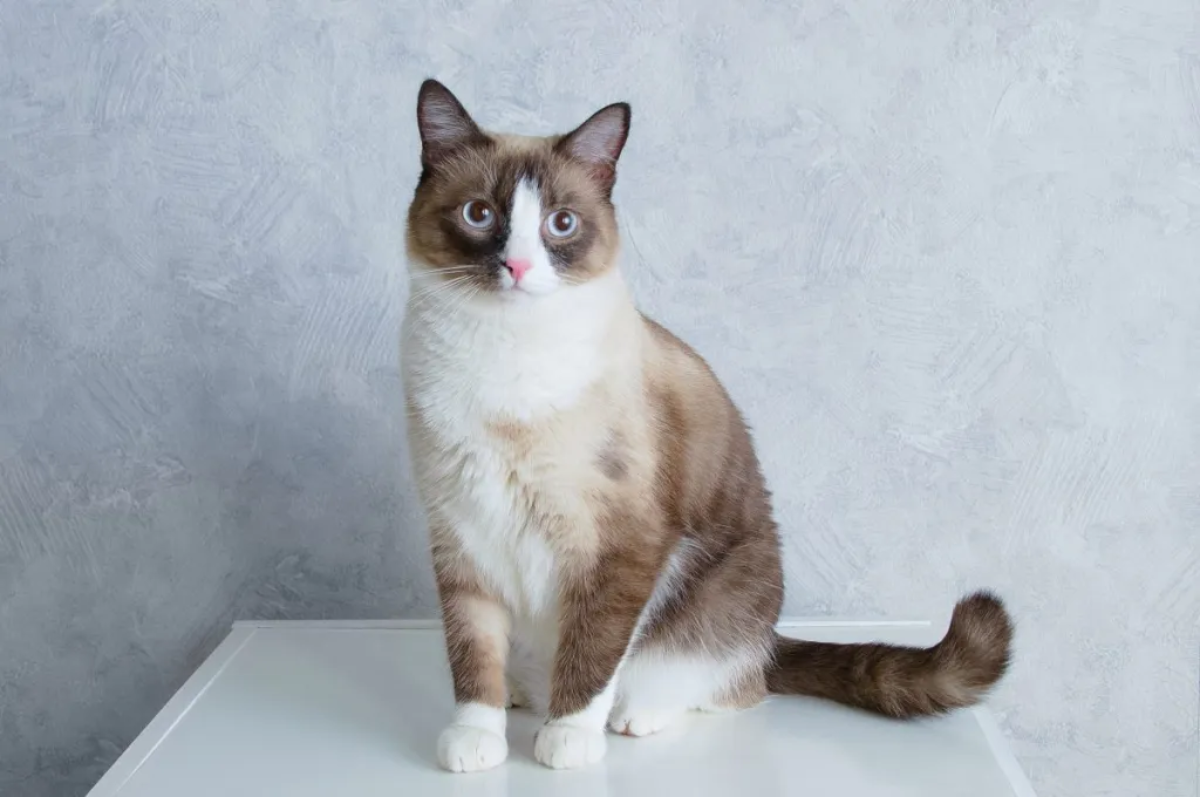
Named for their adorable signature white paws, the Snowshoe is a rare and striking feline that beautifully blends the colorpoint elegance of the Siamese with the sturdy, sweet disposition of the American Shorthair. Famous for their striking blue eyes and unique white facial markings, these friendly cats are highly people-oriented companions.
- Breed Overview
- The History Behind the "Silver Lace"
- Key Characteristics & Physical Traits
- Personality & Everyday Care Tips
- Snowshoe Cat FAQs
- 1. What is a Snowshoe cat?
- 2. Why is the breed called "Snowshoe"?
- 3. Are Snowshoe cats rare?
- 4. How much does a Snowshoe cat cost?
- 5. How big do Snowshoe cats get?
- 6. How long do Snowshoe cats live?
- 7. Are Snowshoe cats affectionate?
- 8. Are Snowshoe cats good with children?
- 9. Do Snowshoe cats get along with other pets?
- 10. Are Snowshoe cats vocal like Siamese cats?
- 11. Why are Snowshoe kittens born completely white?
- 12. What coat colors do Snowshoe cats have?
- 13. Do Snowshoe cats shed a lot?
- 14. How often should I groom a Snowshoe cat?
- 15. Do Snowshoe cats require a special diet?
- 16. Are Snowshoe cats intelligent?
- 17. Why do some Snowshoe cats enjoy water?
- 18. Are Snowshoe cats indoor or outdoor cats?
- 19. Are Snowshoe cats healthy?
- 20. Is the Snowshoe cat suitable for first-time owners?
Breed Overview
| Trait | Breed Standard / Statistics |
| Origin | United States (Developed in the 1960s) |
| Weight | 6 to 12 pounds |
| Height | 9" to 11" |
| Lifespan | 14 to 19 years |
| Coat Type | Medium-short, dense, smooth, and glossy (no noticeable undercoat) |
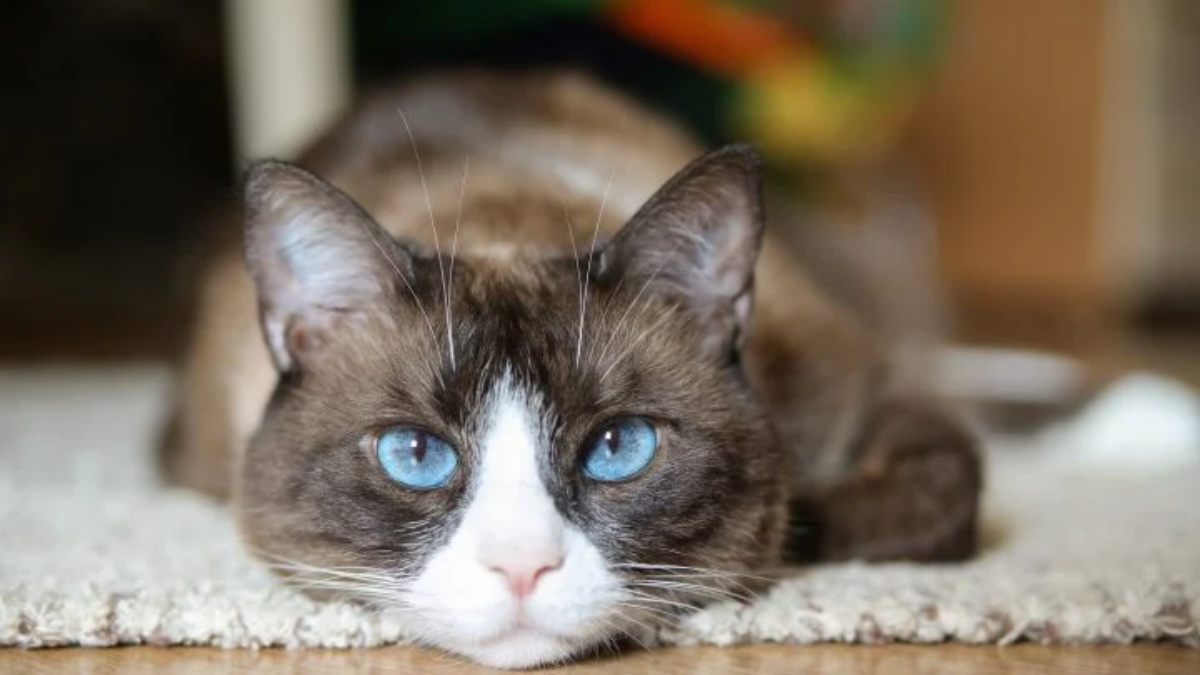
| Eye Color | Always Blue (deeper shades are preferred) |
| Temperament | Loving, curious, vocal, social, family-oriented |
The History Behind the "Silver Lace"
While white-footed Siamese kittens occasionally popped up naturally throughout history, the breed didn't officially take off until the 1960s.
A Siamese breeder in Philadelphia named Dorothy Hinds-Daugherty discovered three kittens in a single litter born with distinctive white feet and muzzle markings. Intrigued by this look—which was considered a flaw by traditional Siamese show standards—she decided to intentionally cross these white-footed cats with tuxedo-patterned American Shorthairs.
Initially dubbed "Silver Lace" cats, subsequent breeders like Vikki Olander stepped in to refine the program, fixing the traits into the distinct, rare breed we admire today.
Key Characteristics & Physical Traits
The Inverted "V": A classic hallmark of the Snowshoe is a white patch shaped like an upside-down "V" covering the muzzle, nose bridge, and chin.
The Coat Evolution: Snowshoe kittens are actually born completely white. Their darker color points (typically seal or blue) slowly emerge and darken over the first few weeks of life.
The Body Structure: Long, lean, and athletic rather than bulky, though they carry surprising muscle weight and feel heavy for their size.
Personality & Everyday Care Tips
A People-Loving Companion
If you are looking for an independent, aloof pet, the Snowshoe is not for you. These cats are incredibly affectionate, social, and eager to participate in your daily routine. They frequently pick a favorite human to shadow from room to room.
They also inherit the vocal tendencies of their Siamese ancestors, though their voices are generally described as softer and more melodic.
Nutrition & Weight Control
Snowshoes have no highly specialized dietary needs, but their long lifespan (up to 19 years) means nutrition is key. Owners should prioritize a high-protein, low-carbohydrate diet. Because they are prone to becoming less active as seniors, careful portion management is essential to prevent obesity.
An Unusual Fondness for Water
💧 Fun Fact: Unlike the vast majority of felines, many Snowshoe cats possess a genuine fascination with water. Don't be surprised if your Snowshoe dips their paws into a running tap or tries to join you in the bathroom shower!
Snowshoe Cat FAQs
How much does a Snowshoe cat cost?
Purchasing a Snowshoe kitten from a reputable breeder typically ranges between $600 and $1,200. Because the recessive genes required to produce perfect "snowshoe" markings are difficult to consistently replicate, the breed remains relatively rare.
Do Snowshoe cats shed a lot?
Because they possess a short-to-medium coat with no noticeable undercoat, their shedding is relatively minimal. A quick weekly brushing session with a rubber groomer or slicker brush is usually all it takes to keep their coat glossy and free of loose hair.
How big do they get?
Snowshoes are generally medium-sized cats. Adult females typically weigh between 6 and 9 pounds, while adult males are slightly sturdier, ranging from 9 to 12 pounds.
FAQ
1. What is a Snowshoe cat?
The Snowshoe is a rare domestic cat breed developed in the United States during the 1960s by crossing Siamese cats with American Shorthairs. It is best known for its white "snow boots," striking blue eyes, and distinctive inverted V-shaped facial marking.
2. Why is the breed called "Snowshoe"?
The breed gets its name from the bright white paws that resemble little snow boots. These markings are one of the Snowshoe's defining breed characteristics and are the result of unique white spotting genetics.
3. Are Snowshoe cats rare?
Yes. Snowshoe cats are considered one of the rarest recognized cat breeds. Producing kittens with perfectly symmetrical white feet and the signature inverted V facial marking is genetically unpredictable, making high-quality breeding challenging.
4. How much does a Snowshoe cat cost?
A Snowshoe kitten from a reputable breeder generally costs between $600 and $1,200. Show-quality kittens or those with exceptional markings may cost significantly more depending on pedigree, breeder reputation, and location.
5. How big do Snowshoe cats get?
Snowshoes are medium-sized cats.
Typical adult size:
- Weight: 6–12 pounds (2.7–5.4 kg)
- Height: 9–11 inches (23–28 cm)
Males are usually larger and more muscular than females.
6. How long do Snowshoe cats live?
With proper nutrition, routine veterinary care, and a healthy indoor lifestyle, Snowshoe cats typically live 14 to 19 years, making them one of the longer-lived cat breeds.
7. Are Snowshoe cats affectionate?
Absolutely. Snowshoes are extremely affectionate and thrive on human companionship. They enjoy following their owners around the house, cuddling, and participating in family activities.
8. Are Snowshoe cats good with children?
Yes. Their gentle, patient, and playful nature makes them excellent companions for respectful children. They generally enjoy interactive games and family life.
9. Do Snowshoe cats get along with other pets?
Yes. Snowshoes usually coexist well with:
- Other cats
- Cat-friendly dogs
- Multi-pet households
They are social animals and often enjoy having companions rather than being left alone for long periods.
10. Are Snowshoe cats vocal like Siamese cats?
Yes, but they are generally quieter than Siamese cats. Snowshoes inherit their ancestors' love of conversation, although their voices tend to be softer, sweeter, and less demanding.
11. Why are Snowshoe kittens born completely white?
Snowshoe kittens are born white because the colorpoint gene is temperature-sensitive. As the kittens grow and cooler areas of their bodies develop, darker pigment gradually appears on the ears, face, legs, and tail over several weeks.
12. What coat colors do Snowshoe cats have?
Common recognized colors include:
- Seal Point
- Blue Point
Some cat registries also recognize:
- Chocolate Point
- Lilac Point
Each cat displays white paws and white facial markings combined with darker color points.
13. Do Snowshoe cats shed a lot?
No. Their short-to-medium coat has very little undercoat, so they are considered light to moderate shedders. Weekly brushing is usually enough to remove loose hair and maintain a glossy coat.
14. How often should I groom a Snowshoe cat?
Routine grooming is simple:
- Brush once a week.
- Trim nails every 2–4 weeks.
- Clean ears regularly.
- Brush teeth several times each week.
- Bathe only when necessary.
15. Do Snowshoe cats require a special diet?
Not necessarily. However, they thrive on:
- High-quality animal protein
- Moderate healthy fats
- Limited carbohydrates
- Fresh drinking water at all times
Proper portion control is important, especially for older Snowshoes that become less active.
16. Are Snowshoe cats intelligent?
Yes. Snowshoes are highly intelligent and curious. Many can quickly learn:
- Fetch
- Puzzle feeders
- Clicker training
- Simple tricks
- Walking with a harness
Mental stimulation is essential to prevent boredom.
17. Why do some Snowshoe cats enjoy water?
Unlike many cat breeds, numerous Snowshoes inherit a fascination with water. They may enjoy:
- Drinking from running faucets
- Playing with water bowls
- Splashing with their paws
- Watching showers or sinks
Individual personalities vary, but this trait is more common in Snowshoes than in many other breeds.
18. Are Snowshoe cats indoor or outdoor cats?
They are best kept indoors. Indoor living protects them from:
- Traffic accidents
- Infectious diseases
- Predators
- Theft
- Parasites
If they enjoy outdoor experiences, a secure catio or supervised leash walks are much safer alternatives.
19. Are Snowshoe cats healthy?
Snowshoes are generally healthy cats thanks to their mixed genetic background. However, like all breeds, they can occasionally inherit conditions seen in Siamese ancestry, including dental issues and, less commonly, heart or kidney problems. Regular veterinary checkups help detect health concerns early.
20. Is the Snowshoe cat suitable for first-time owners?
Yes. Their affectionate personality, moderate grooming needs, intelligence, and adaptable temperament make them an excellent choice for first-time cat owners who can provide regular companionship and attention.