The Complete RagaMuffin Cat Breed Guide: Genetics, Care Protocols, and Health Profile
3 days ago
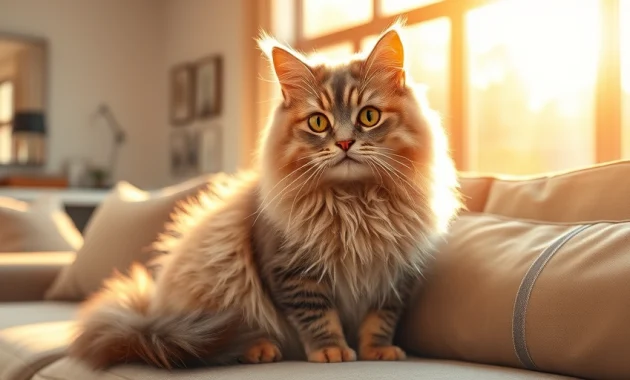
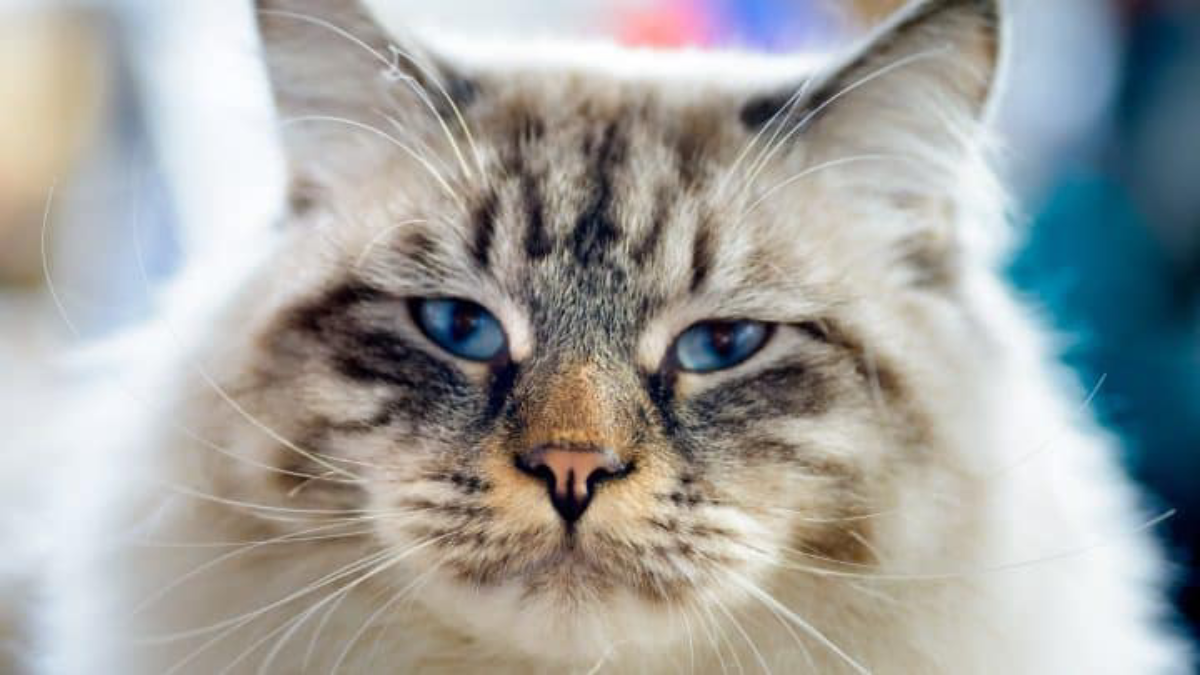
Often affectionately termed the "teddy bear" of the feline world, the RagaMuffin is a heavy-boned, sweet-tempered breed renowned for its lush plush coat, expressive walnut-shaped eyes, and remarkably docile demeanor.
While often confused with its cousin, the Ragdoll, the RagaMuffin boasts a distinct genetic history, broader allowed color variations, and a unique physical structure. Designed specifically to combine the gentle temperament of pointed longhairs with a diverse genetic foundation, the RagaMuffin makes an exceptional companion for families, multi-pet households, and individuals seeking an affectionate lap cat.
This comprehensive guide details the historical origin of the RagaMuffin, analyzes physical and genetic markers, outlines step-by-step grooming and dietary needs, and provides a thorough health breakdown.
- Breed Overview and Quick Statistics
- Historical Origin and Genetic Distinctions
- Physical Characteristics and Coat Variations
- Grooming, Maintenance, and Daily Hygiene
- Health Profile, Preventative Medicine, and Diet
- Summary Overview: Is the RagaMuffin Right for You?
- 1. What is a RagaMuffin cat?
- 2. What is the difference between a RagaMuffin and a Ragdoll?
- 3. Are RagaMuffin cats good family pets?
- 4. Do RagaMuffin cats like to be held?
- 5. How large do RagaMuffin cats grow?
- 6. How much grooming does a RagaMuffin require?
- 7. Do RagaMuffins shed a lot?
- 8. Are RagaMuffin cats intelligent?
- 9. What health problems are common in RagaMuffins?
- 10. What should a RagaMuffin eat?
- 11. Can RagaMuffins live in apartments?
- 12. Should RagaMuffins be kept indoors?
- 13. How long do RagaMuffin cats live?
- 14. Are RagaMuffins suitable for first-time cat owners?
- 15. How can I keep my RagaMuffin healthy throughout its life?
Breed Overview and Quick Statistics
Unlike many breeds restricted by narrow color patterns or delicate frames, the RagaMuffin is a robust, large-bodied cat built for huggability and companionship.
Quick Profile Summary:
├── Origin               ➔ United States (1990s split from Ragdoll breeding lines)
├── Weight Range         ➔ Males: 15–20 lbs | Females: 10–15 lbs
├── Coat Architecture    ➔ Medium to medium-long semi-longhair with dense undercoat
├── Recognized Colors    ➔ ALL colors and patterns allowed (except traditional colorpoint)
├── Development Timeline ➔ Slow-maturing breed (takes up to 4 years to reach full size)
└── Expected Lifespan    ➔ 12 to 16 years
Comprehensive Characteristic Breakdown
| Breed Attribute | Description & Standard Specifications |
| Body Build | Rectangular, heavy-boned chassis with a broad chest, fleshy lower abdominal pad, and sturdy limbs. |
| Head Structure | Broad modified wedge with puffy cheek pads, rounded forehead, and a gentle nasal dip. |
| Eye Shape & Color | Large, walnut-shaped eyes; all colors permitted, including odd-eyed (heterochromia). |
| Temperament | Docile, people-oriented, trainable, low-to-moderate energy, and highly affectionate. |
| Sociability | Exceptional with children, dogs, and other cats; prone to separation anxiety if isolated. |
| Grooming Needs | Moderate; weekly combing required due to tangle-resistant coat structure. |
Historical Origin and Genetic Distinctions
Understanding the history of the RagaMuffin requires examining the broader history of longhaired, docile cat breeds in North America.
Historical Evolution of the RagaMuffin:
┌─────────────────────────────────────────────────────────────┐
│ 1960s: THE RAGDOLL FOUNDATION                               │
│ Ann Baker creates the Ragdoll breed using free-roaming      │
│ domestic longhairs in California, enforcing strict patents. │
└──────────────────────────────┬──────────────────────────────┘
                               │
                               ▼
┌─────────────────────────────────────────────────────────────┐
│ 1990s: THE BREED SPLIT                                      │
│ A group of breeders leaves Baker's organization to expand   │
│ genetic diversity and eliminate strict point-color limits.  │
└──────────────────────────────┬──────────────────────────────┘
                               │
                               ▼
┌─────────────────────────────────────────────────────────────┐
│ CREATION OF THE "RAGAMUFFIN"                                │
│ Outcrosses to Persians, Himalayans, and domestic longhairs  │
│ establish a new breed with the capital "M" spelling.        │
└──────────────────────────────┬──────────────────────────────┘
                               │
                               ▼
┌─────────────────────────────────────────────────────────────┐
│ OFFICIAL RECOGNITION                                        │
│ Cat Fanciers' Association (CFA) grants registration in 2003 │
│ and full Championship status in 2011.                       │
└──────────────────────────────┘
RagaMuffin vs. Ragdoll: How to Tell Them Apart
While sharing common ancestry, the RagaMuffin and Ragdoll are distinct breeds with clear genetic and physical differences:
Comparative Anatomy Matrix:
├── EYE SHAPE   ➔ RagaMuffin: Large, Walnut-Shaped | Ragdoll: Oval, Slanted
├── EYE COLOR   ➔ RagaMuffin: Any Color Allowed    | Ragdoll: Blue Only
├── COAT PATTERN ➔ RagaMuffin: All Colors/Patterns | Ragdoll: Colorpoint Only
└── HEAD PROFILE ➔ RagaMuffin: Soft, Puffy Cheeks   | Ragdoll: Flat Plane Between Ears
Coat Patterning: Ragdolls are strictly colorpoint (darker extremities on ears, face, paws, and tail). RagaMuffins permit all colors and patterns—including solids, tabbies, bi-colors, tortoiseshells, mink, and shaded coats—except point patterns.
Eye Shape and Color: Ragdolls feature oval, slightly angled eyes that must always be intense blue. RagaMuffins feature large, expressive walnut-shaped eyes that can be green, gold, amber, blue, or odd-colored.
Muzzle and Face: RagaMuffins possess rounded, puffy cheek pads and a soft contour, earning them their "teddy bear" moniker, whereas the Ragdoll standard calls for a more defined wedge.
Physical Characteristics and Coat Variations
The RagaMuffin is a slow-maturing breed that takes up to four full years to reach complete skeletal and muscular maturity.
Coat Structural Layers:
┌─────────────────────────────────────────────────────────────┐
│ PLUSH SEMI-LONGHAIR OVERCOAT                                │
│ Soft, silky texture resembling rabbit fur; resists matting. │
└──────────────────────────────┬──────────────────────────────┘
                               │
                               ▼
┌─────────────────────────────────────────────────────────────┐
│ NECK RUFF & BUSHY TAIL                                      │
│ Pronounced framing around the neck and face; long plume tail│
└──────────────────────────────┬──────────────────────────────┘
                               │
                               ▼
┌─────────────────────────────────────────────────────────────┐
│ ABDOMINAL FAT PAD                                           │
│ Normal breed characteristic on lower belly; not obesity.    │
└──────────────────────────────┘
Color and Pattern Spectrum
Unlike many pedigree breeds limited to specific color groups, the RagaMuffin standard accepted by the Cat Fanciers' Association (CFA) allows for virtually every color combination:
Solid Colors: Black, white, blue, red, cream, chocolate, and lilac.
Shaded and Smoke: Cameo, silver, shaded smoke, and chinchilla finishes.
Patterns: Classic tabby, mackerel tabby, spotted tabby, bi-color, calico, tortoiseshell, and mink.
Grooming, Maintenance, and Daily Hygiene
Despite their voluminous, fluffy coat, RagaMuffins are surprisingly low-maintenance compared to breeds like the Persian. Their coat texture naturally resists severe matting and tangling.
Weekly Hygiene Schedule:
├── Coat Care      ➔ 1 to 2 times weekly with a long-toothed metal comb.
├── Dental Hygiene ➔ Weekly brushing with feline-safe enzymatic toothpaste.
├── Ear Inspection ➔ Bi-weekly check for dark wax or debris; wipe with gentle cleaner.
└── Nail Trimming  ➔ Every 2 to 3 weeks using specialized claw clippers.
Step-by-Step Grooming Protocol
Coat Combing: Use a long-toothed stainless steel comb to reach down near the skin beneath the dense undercoat. Gently work through the neck ruff, belly, and back legs (pantaloons) to remove loose hair.
Managing the Abdominal Pad: Pay special attention when combing the lower abdomen. Handle the soft abdominal fat pad gently to avoid causing discomfort.
Eye and Tear Stain Cleaning: Because RagaMuffins have large eyes, mild tearing can occur. Wipe the inner corners of the eyes weekly using a soft, damp cloth or damp cotton pad.
Litter Box Maintenance: Provide an extra-large or uncovered litter box to accommodate their long bodies and prevent dirtying the fur on their hind legs and bushy tail.
Health Profile, Preventative Medicine, and Diet
RagaMuffins benefit from a broad gene pool created through outcrossing, making them generally hardy. However, like all large pedigreed breeds, they are predisposed to certain genetic conditions.
Clinical Risk Map for RagaMuffin Cats:
├── Hypertrophic Cardiomyopathy (HCM) ➔ Thickening of heart muscle walls.
├── Polycystic Kidney Disease (PKD)  ➔ Genetic fluid-filled cysts in renal tissue.
└── Feline Obesity                   ➔ High appetite paired with low energy output.
1. Key Health Conditions
Hypertrophic Cardiomyopathy (HCM)
HCM is the most common cardiac disease in cats, characterized by abnormal thickening of the left ventricular myocardium. Over time, HCM can lead to heart failure or arterial thromboembolism (blood clots).
Prevention & Screening: Breeding cats should undergo routine echocardiograms (cardiac ultrasounds) and genetic screening to rule out known HCM mutations.
Polycystic Kidney Disease (PKD)
PKD is an inherited disorder causing fluid-filled cysts to form inside kidney tissue, progressively impairing renal function over time.
Prevention & Screening: A simple DNA swab or blood test can determine if a cat carries the gene mutation responsible for PKD before breeding.
Managing Feline Obesity
RagaMuffins love food and have a relaxed, low-energy lifestyle, making them prone to excess weight gain.
Weight Management Strategy: Do not confuse their natural lower abdominal fat pad with obesity. Monitor body condition score (BCS) over the ribs and spine. Avoid free-feeding dry food; instead, serve measured meals twice daily.
2. Dietary Requirements
RagaMuffins require a balanced, protein-rich diet to support their large muscle frame:
High Animal Protein: Look for diets with quality meat proteins (chicken, turkey, salmon) as the primary ingredients to maintain lean muscle mass.
Essential Fatty Acids: Omega-3 and Omega-6 fatty acids (found in salmon oil and flaxseed) are crucial for maintaining their dense, silky coat and supporting joint health.
Hydration Management: Incorporate high-quality canned wet food daily to ensure adequate fluid intake and support urinary tract health.
Summary Overview: Is the RagaMuffin Right for You?
| Pros | Cons / Considerations |
| Extremely affectionate, gentle, and family-friendly | Rare breed; high demand and potential waitlists |
| Gets along well with dogs, cats, and young children | Cannot be left alone for long periods (separation anxiety) |
| Low-matting coat requires only weekly combing | Requires strict dietary control to prevent obesity |
| Highly trainable (can learn fetch and leash walking) | Naturally trusting nature makes them unsuitable as outdoor cats |
The RagaMuffin is a loving, adaptable, and striking companion. With proper nutrition, weekly grooming, and regular veterinary checkups, this gentle giant will offer over a decade of cuddly companionship.
Frequently Asked Questions (FAQ)
1. What is a RagaMuffin cat?
The RagaMuffin is a large, affectionate, semi-longhaired cat breed developed in the United States during the 1990s. Known for its plush, rabbit-like coat, expressive walnut-shaped eyes, and exceptionally gentle personality, the breed was created from Ragdoll bloodlines while introducing greater genetic diversity and a wider range of coat colors and patterns.
2. What is the difference between a RagaMuffin and a Ragdoll?
Although the two breeds share common ancestry, they have several important differences.
RagaMuffins can have virtually any coat color or pattern, while Ragdolls are restricted to colorpoint patterns. RagaMuffins also have walnut-shaped eyes in many different colors, whereas Ragdolls always have blue eyes. In addition, RagaMuffins have a rounder "teddy bear" face with fuller cheeks, giving them a softer overall appearance.
3. Are RagaMuffin cats good family pets?
Yes. RagaMuffins are considered one of the best family-friendly cat breeds. They are gentle, patient, and tolerant of children, making them excellent companions for households with kids. They also adapt well to living with other cats and cat-friendly dogs due to their calm and social nature.
4. Do RagaMuffin cats like to be held?
Absolutely. Many RagaMuffins enjoy being carried, cuddled, and sitting on their owner's lap for extended periods. Their affectionate personality often earns them the nickname "lap cat," and they usually seek out human companionship throughout the day.
5. How large do RagaMuffin cats grow?
RagaMuffins are one of the larger domestic cat breeds.
- Male: 15–20 pounds (6.8–9 kg)
- Female: 10–15 pounds (4.5–6.8 kg)
Unlike many breeds, they mature slowly and may not reach their full adult size until they are around four years old.
6. How much grooming does a RagaMuffin require?
Despite their luxurious semi-long coat, RagaMuffins require only moderate grooming.
Weekly brushing with a stainless-steel comb is usually enough to remove loose hair and prevent tangles. Additional grooming should include regular nail trimming, ear cleaning, dental care, and occasional eye cleaning to maintain overall hygiene.
7. Do RagaMuffins shed a lot?
RagaMuffins do shed seasonally, but their silky coat is less prone to severe matting than many other longhaired breeds. Routine brushing once or twice a week helps control loose hair and keeps the coat healthy and soft.
8. Are RagaMuffin cats intelligent?
Yes. RagaMuffins are highly intelligent and enjoy interactive activities. Many can learn tricks such as fetch, leash walking, puzzle toys, and basic commands through positive reinforcement. Their willingness to interact with people makes them relatively easy to train.
9. What health problems are common in RagaMuffins?
Although generally healthy due to their broader genetic background, RagaMuffins may be predisposed to several inherited conditions, including:
- Hypertrophic Cardiomyopathy (HCM)
- Polycystic Kidney Disease (PKD)
- Obesity caused by low activity and overeating
Regular veterinary examinations, genetic screening from reputable breeders, and proper nutrition significantly reduce these risks.
10. What should a RagaMuffin eat?
A balanced diet rich in animal-based protein is ideal for maintaining muscle mass and overall health. Foods containing omega-3 and omega-6 fatty acids help support skin and coat condition, while incorporating wet food into daily meals encourages proper hydration and urinary tract health.
Measured meal portions are recommended because the breed can easily gain excess weight if free-fed.
11. Can RagaMuffins live in apartments?
Yes. Their calm personality and moderate activity level make them excellent apartment cats. However, they still require daily interactive play, climbing furniture, scratching posts, and companionship to remain mentally stimulated and emotionally satisfied.
12. Should RagaMuffins be kept indoors?
Yes. Because of their trusting and gentle personality, RagaMuffins are safest as indoor-only cats. Their friendly nature makes them less cautious around strangers, unfamiliar animals, and traffic, increasing the risks associated with outdoor living.
13. How long do RagaMuffin cats live?
With proper nutrition, regular veterinary care, and a healthy indoor lifestyle, RagaMuffins typically live between 12 and 16 years, although some individuals may live even longer.
14. Are RagaMuffins suitable for first-time cat owners?
Yes. Their affectionate temperament, adaptable personality, and relatively low-maintenance grooming needs make them an excellent choice for first-time cat owners looking for a friendly and easygoing companion.
15. How can I keep my RagaMuffin healthy throughout its life?
Maintaining a healthy RagaMuffin involves:
- Feeding a balanced, portion-controlled diet
- Providing fresh water daily
- Brushing the coat weekly
- Scheduling annual veterinary examinations
- Monitoring body weight
- Providing daily interactive play and mental stimulation
- Keeping the cat indoors for safety
Following these practices helps support a long, healthy, and happy life.