Clinical Manifestations of Feline Stress: Pathophysiology and Mitigation Protocols
2 months ago
Feline stress is a physiological and behavioral response triggered by environmental alterations, lifestyle disruptions, or underlying medical pathology. Because cats hide vulnerabilities, stress often manifests as compulsive behaviors or autonomic nervous system dysregulation.
Pathophysiological and Behavioral Diagnostics
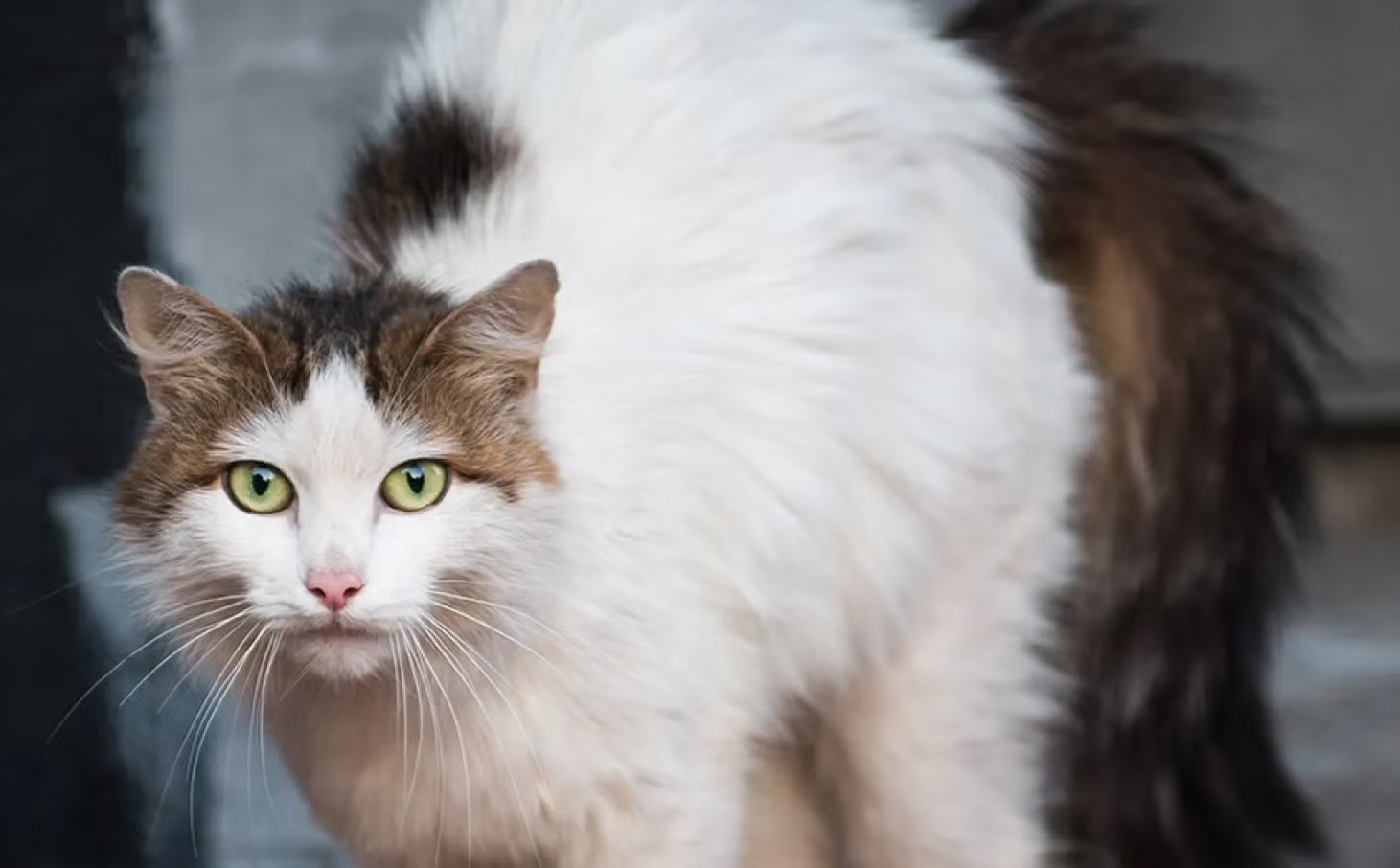
Stress in felines shifts their neuroendocrine balance, activating the hypothalamic-pituitary-adrenal (HPA) axis and causing distinct behavioral and physical changes.
                       [ FELINE STRESS STIMULUS ]
                                   │
         +─────────────────────────┴─────────────────────────+
         │                                                   │
[ Somato-Autonomic Shifts ]                         [ Compulsive & Altered Behavior ]
- Periuria (Inappropriate Elimination)               - Overgrooming (Psychogenic Alopecia)
- Feline Interstitial Cystitis (FIC)                - Hyper-Vocalization & Agitation
- Gastrointestinal Distress (Vomiting/Diarrhea)      - Social Withdrawal & Hiding
- Anorexia (Risk of Hepatic Lipidosis)              - Displaced Aggression
Somato-Autonomic Indicators
Periuria (Inappropriate Elimination): Urinating outside the litter box is a classic sign of stress. It frequently points to Feline Interstitial Cystitis (FIC)—a sterile, stress-induced inflammation of the bladder wall—or a bacterial Urinary Tract Infection (UTI).
Gastrointestinal Dysregulation: Acute or chronic stress disrupts gut motility via the brain-gut axis, presenting as unexplained diarrhea, vomiting, or gastric inflammation.
Anorexia and Adipsia: A sudden drop in appetite reduces immune function and increases the risk of Hepatic Lipidosis (fatty liver disease), a life-threatening liver condition that can develop if a cat stops eating for just a few days.
Compulsive and Altered Behaviors
Psychogenic Alopecia (Overgrooming): Grooming releases endorphins that soothe anxiety. When stressed, cats may groom compulsively, licking and scratching until they cause bald patches, skin lesions, and secondary infections.
Hyper-Vocalization: Frequent, intense, or unusually loud meowing often signals anxiety, disorientation, or hidden physical pain.
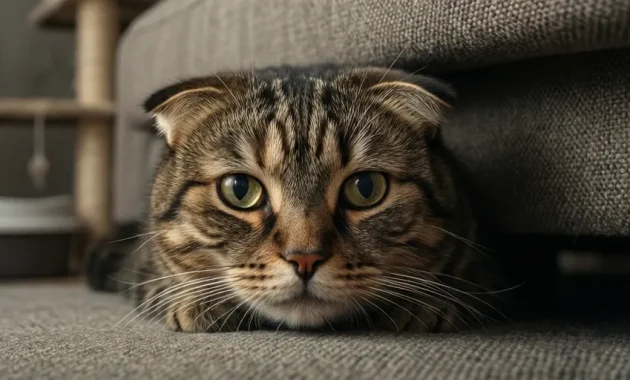
Social Withdrawal (Cryptic Hiding): Stressed cats instinctively seek out dark, isolated spaces to hide, protecting themselves from perceived threats.
Displaced Aggression: High stress levels lower a cat's frustration threshold, leading to sudden biting, scratching, or destructive behavior directed at furniture, owners, or other household pets.
Multi-Cat Dynamics and Resource Distribution
Environmental stress is frequently driven by competition for vital resources in multi-cat homes. To reduce tension, maintain a strict $N + 1$ resource distribution rule throughout the house.
       [ THE RESOURCE ALLOCATION STANDARD ]
─────────────────────────────────────────────────────
Total Cats (N)   ──► Required Resource Stations (N + 1)
Example: 3 Cats  ──► 4 Separate Food, Water, & Litter Stations
Spatial Separation: Place resource stations in separate rooms out of each other's direct line of sight. This prevents dominant cats from guarding resources and blocking access for more passive cats.
Litter Box Hygiene: Clean litter boxes daily and completely refresh the litter weekly to minimize sensory stress from strong odors.
Clinical Interventions and Environmental Management
When managing feline stress, it is vital to pair behavioral therapy with medical stabilization.
                  [ INTEGRATED MITIGATION PROTOCOL ]
                                   │
         +─────────────────────────┴─────────────────────────+
         │                                                   │
[ Environmental Stabilization ]                      [ Medical Optimization ]
- Provide vertical territory (cat trees).          - Transition to high-moisture wet food.
- Establish strict daily routines.                 - Deploy synthetic pheromones (Feliway).
- Dedicate time for interactive play.              - Schedule vet screenings for FIC/UTIs.
Environmental Stabilization
Vertical Territory: Install tall cat trees, wall shelves, and window perches. High vantage points give cats a sense of security and control over their environment.
Predictable Routines: Keep feeding, play, and grooming times highly consistent to lower anxiety caused by unexpected changes.
Interactive Play: Use toys like feather wands or laser pointers to stimulate their natural prey drive, which burns off excess stress hormones and helps stable their mood.
Medical and Dietary Optimization
Dietary Adjustments: If stress triggers a loss of appetite, switch to highly aromatic, high-moisture wet food to stimulate interest and support kidney and bladder health.
Synthetic Pheromones: Use diffusers or sprays that mimic natural feline facial pheromones (such as Feliway) to create a calming chemical environment.
Veterinary Screenings: If behavioral changes are accompanied by physical symptoms like straining to urinate, blood in the stool, or severe hair loss, schedule a veterinary visit immediately to test for internal disease.
FAQ: Feline Stress in Cats
1. What is feline stress?
Feline stress is a physical and emotional response that occurs when a cat experiences environmental changes, social conflicts, medical problems, or disruptions to its routine. Stress activates the hypothalamic-pituitary-adrenal (HPA) axis, leading to behavioral and physiological changes that can negatively impact overall health.
2. What are the most common signs of stress in cats?
Common signs include hiding, excessive grooming, urinating outside the litter box, decreased appetite, vomiting, diarrhea, excessive vocalization, aggression, and reduced social interaction. Some cats may also become unusually clingy or restless.
3. Why do stressed cats urinate outside the litter box?
Stress can trigger inappropriate urination, known as periuria. It may also contribute to Feline Interstitial Cystitis (FIC), a painful inflammatory bladder condition. Cats may associate the litter box with discomfort or use urine marking as a response to anxiety.
4. Can stress cause digestive problems in cats?
Yes. Stress directly affects the brain-gut axis, disrupting normal digestive function. This can result in vomiting, diarrhea, constipation, decreased appetite, or stomach inflammation.
5. What is psychogenic alopecia?
Psychogenic alopecia is excessive grooming caused by emotional stress or anxiety. Cats may lick, chew, or scratch themselves repeatedly until they develop bald patches, irritated skin, or secondary infections.
6. Why do stressed cats hide?
Hiding is a natural survival behavior. When cats feel threatened or overwhelmed, they seek enclosed, quiet, and secure locations to reduce exposure to perceived dangers.
7. Can stress make a cat stop eating?
Yes. Stress can significantly reduce appetite. If a cat refuses food for more than a day or two, it may develop Hepatic Lipidosis (fatty liver disease), which is a serious medical emergency requiring veterinary attention.
8. What causes stress in indoor cats?
Common stressors include:
- Moving to a new home
- Introducing a new pet
- Changes in household members
- Loud noises
- Lack of environmental enrichment
- Dirty litter boxes
- Competition for resources
- Changes in daily routines
9. How does stress affect cats in multi-cat households?
Competition for food, water, litter boxes, resting areas, and territory can create chronic stress. Dominant cats may block access to resources, causing subordinate cats to experience anxiety and behavioral issues.
10. What is the N+1 rule for cats?
The N+1 rule means providing one extra resource station beyond the number of cats in the household.
Example:
- 1 cat = 2 litter boxes
- 2 cats = 3 litter boxes
- 3 cats = 4 litter boxes
The same principle can also be applied to food and water stations.
11. How can vertical spaces reduce stress?
Cat trees, shelves, window perches, and elevated resting spots give cats a sense of security and control. Vertical territory allows cats to observe their environment from a safe distance and avoid conflicts.
12. Do routines help reduce feline stress?
Yes. Cats thrive on predictability. Consistent feeding schedules, play sessions, grooming routines, and sleeping arrangements help reduce uncertainty and anxiety.
13. Can interactive play help stressed cats?
Absolutely. Interactive toys such as feather wands, laser pointers, and puzzle feeders allow cats to express natural hunting behaviors. Regular play helps burn excess energy and lowers stress hormone levels.
14. What role does diet play in stress management?
High-moisture wet food can encourage eating in stressed cats and support urinary health. Aromatic, protein-rich foods are often more appealing to cats experiencing anxiety-related appetite loss.
15. What are synthetic pheromones?
Synthetic pheromone products mimic natural feline facial pheromones. These products can help create a calming environment and reduce stress-related behaviors such as hiding, scratching, spraying, and aggression.
16. Can stress cause aggression in cats?
Yes. Stress lowers a cat's tolerance threshold and may lead to redirected or displaced aggression. A stressed cat may suddenly lash out at people, other pets, or objects in the environment.
17. When should I take my stressed cat to a veterinarian?
Seek veterinary care immediately if stress symptoms are accompanied by:
- Difficulty urinating
- Blood in urine or stool
- Severe hair loss
- Persistent vomiting or diarrhea
- Refusal to eat for more than 24 hours
- Extreme lethargy
- Sudden behavioral changes
18. Can untreated stress lead to long-term health problems?
Yes. Chronic stress may contribute to urinary disorders, digestive diseases, weakened immunity, behavioral disorders, obesity, skin problems, and reduced overall quality of life.
19. How can I create a stress-free environment for my cat?
Provide multiple resources, maintain clean litter boxes, establish predictable routines, offer vertical spaces, schedule daily play sessions, reduce loud noises, and ensure each cat has access to private resting areas.
20. Is stress more common in certain cats?
Cats with anxious personalities, limited socialization, previous trauma, chronic medical conditions, or those living in crowded environments may be more susceptible to stress-related disorders.