Feline Peritonitis: A Comprehensive Guide to Abdominal Inflammation in Cats (2026 Edition)
2 months ago · Updated 2 months ago
As a cat owner, few diagnoses sound as daunting as Peritonitis. This serious inflammatory condition affecting the abdominal lining is a high-priority medical emergency. In 2026, with advancements in feline medicine and diagnostic imaging, understanding this condition is crucial for early intervention.
In this guide, we will break down the causes, symptoms, and life-saving treatments for peritonitis, while exploring how it intersects with daily feline care and financial planning.
What is Peritonitis? Understanding the "Plastic Wrap" of the Abdomen
The peritoneum is a thin, smooth membrane—much like high-quality plastic wrap—that lines the abdominal cavity and covers vital organs like the stomach, liver, and bladder.
In a healthy cat, this lining produces a tiny amount of lubricating fluid, allowing organs to glide past each other without friction. When Peritonitis occurs:
The membrane thickens and becomes inflamed.
The immune system overreacts, flooding the abdomen with inflammatory cells and fluid.
This buildup, known as abdominal effusion or ascites, causes the visible "swollen belly" often seen in sick cats.
- Septic vs. Aseptic Peritonitis: The Two Faces of Inflammation
- Recognizing the Signs: When to Rush to the Vet
- Diagnostic Excellence in 2026
- Treatment and Survival Rates
- The Financial Reality: Insurance & Peritonitis
- Summary for Cat Owners
- FAQ – Peritonitis in Cats (2026 Guide)
- 1. What is peritonitis in cats?
- 2. Is peritonitis dangerous for cats?
- 3. What causes peritonitis in cats?
- 4. What is the difference between septic and aseptic peritonitis?
- 5. What are the first warning signs of peritonitis?
- 6. Why does my cat’s stomach become swollen?
- 7. Can peritonitis develop suddenly?
- 8. How do veterinarians diagnose peritonitis?
- 9. Is ultrasound important for diagnosis?
- 10. What is abdominocentesis?
- Treatment & Recovery FAQ
- Prevention & Grooming FAQ
- Pet Insurance FAQ
Septic vs. Aseptic Peritonitis: The Two Faces of Inflammation
Veterinarians categorize peritonitis based on whether bacteria are the primary culprit.
Septic Peritonitis (Infection-Based)
This is usually a secondary complication from a primary disaster. Common triggers include:
Perforated GI Tract: A swallowed foreign object or a tumor rupturing the stomach or intestines, leaking bacteria into the sterile abdomen.
Trauma: Bite wounds or accidents that penetrate the abdominal wall.
Surgical Failure: Breakdown of a previous internal surgical site.
Aseptic Peritonitis (Sterile Inflammation)
In these cases, inflammation occurs without a direct bacterial "invader."
FIP (Feline Infectious Peritonitis): A viral mutation of the feline coronavirus.
Pancreatitis: Severe inflammation of the pancreas leaking enzymes.
Organ Rupture: A ruptured gall bladder (bile peritonitis) or urinary bladder (urine peritonitis).
Recognizing the Signs: When to Rush to the Vet
Cats are masters of hiding pain. However, peritonitis is so painful that symptoms usually become obvious quickly. Look for:
| Symptom | Description |
| Abdominal Splinting | The cat tenses its stomach muscles or arches its back in pain when touched. |
| Distended Abdomen | A "pot-bellied" appearance due to fluid accumulation. |
| Lethargy/Dullness | Hiding in dark corners and refusing to move. |
| Systemic Signs | Vomiting, diarrhea, jaundice (yellow skin/eyes), and total loss of appetite. |
Diagnostic Excellence in 2026
Diagnosing the root cause of peritonitis requires a multi-step approach:
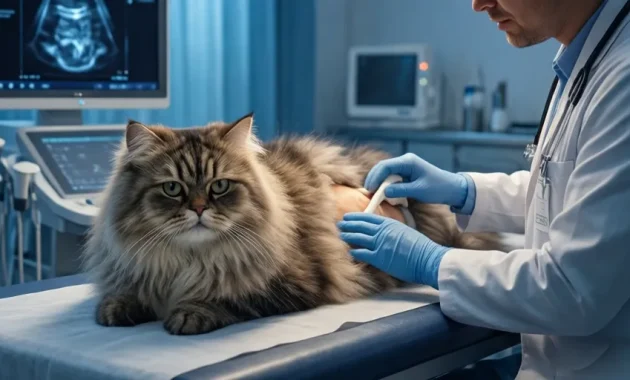
Ultrasound: This is the "gold standard." It allows vets to see through the fluid to identify tumors, blockages, or ruptured organs.
Abdominocentesis: A small needle is used to tap the fluid. Analyzing this fluid (checking for bacteria, protein levels, or lactate) tells the vet if the case is septic or aseptic.
Blood Work: Looking for high white blood cell counts and monitoring liver/kidney values.
Treatment and Survival Rates
Treatment is intensive and usually requires hospitalization.
Stabilization: Aggressive IV fluid therapy to combat dehydration and shock.
Surgery: To "patch the leak"—removing foreign bodies, repairing ruptured organs, or flushing the abdomen (lavage).
Supportive Care: Strong pain medication and sometimes feeding tubes for nutritional support.
Prognosis Note: Peritonitis is grave. In 2026, the survival rate remains around 50%. Early intervention is the single most important factor in a positive outcome.
The Financial Reality: Insurance & Peritonitis
As noted in our previous guides, veterinary costs for complex conditions like peritonitis can range from $400 to over $4,000.
If you have a high-risk breed (like a long-haired Persian prone to GI issues) or an outdoor cat (prone to trauma), insurance is your best defense.
Trupanion & Lemonade: Excellent for covering these high-cost emergency surgeries.
Pet Assure: Useful if your cat has a history of abdominal issues (pre-existing conditions).
Summary for Cat Owners
Peritonitis is always an emergency.
Grooming Connection: While grooming doesn't prevent peritonitis directly, it allows you to feel your cat’s abdomen regularly. If you notice a sudden "firmness" or "swelling" while brushing, contact your vet immediately.
Prevention: Keep cats indoors to avoid trauma and monitor their diet to prevent GI blockages.
Stay Vigilant: Your cat’s health depends on your ability to spot the "silent" signs of pain. Early diagnosis isn't just about medicine—it's about the bond you share with your pet.
FAQ – Peritonitis in Cats (2026 Guide)
1. What is peritonitis in cats?
Peritonitis is a serious inflammation of the peritoneum, the thin membrane lining the abdominal cavity and surrounding internal organs.
2. Is peritonitis dangerous for cats?
Yes. Peritonitis is considered a life-threatening medical emergency that requires immediate veterinary treatment.
3. What causes peritonitis in cats?
Common causes include:
- Ruptured intestines or stomach
- Trauma or bite wounds
- Severe pancreatitis
- Bladder rupture
- Feline Infectious Peritonitis (FIP)
- Surgical complications
4. What is the difference between septic and aseptic peritonitis?
Septic peritonitis is caused by bacterial infection inside the abdomen, while aseptic peritonitis involves inflammation without direct bacterial contamination.
5. What are the first warning signs of peritonitis?
Early symptoms may include:
- Swollen abdomen
- Severe lethargy
- Loss of appetite
- Vomiting
- Fever
- Pain when touched
- Hiding behavior
6. Why does my cat’s stomach become swollen?
Fluid accumulation inside the abdomen, called ascites or abdominal effusion, causes the belly to appear enlarged or tight.
7. Can peritonitis develop suddenly?
Yes. Some cats deteriorate rapidly within hours, especially in septic cases involving internal organ rupture.
8. How do veterinarians diagnose peritonitis?
Diagnosis usually involves:
- Ultrasound imaging
- Blood tests
- Fluid sampling (abdominocentesis)
- X-rays
- Advanced laboratory analysis
9. Is ultrasound important for diagnosis?
Yes. Ultrasound is considered one of the most valuable diagnostic tools because it helps detect fluid buildup, organ rupture, tumors, and intestinal blockages.
10. What is abdominocentesis?
Abdominocentesis is a procedure where a veterinarian removes abdominal fluid using a sterile needle for laboratory testing.
Treatment & Recovery FAQ
11. Can peritonitis be cured?
Some cases can be successfully treated, especially with early diagnosis and aggressive medical care.
12. Does treatment require surgery?
In many septic cases, emergency surgery is necessary to repair ruptured organs or remove contaminated material from the abdomen.
13. What medications are used?
Treatment may include:
- IV fluids
- Antibiotics
- Pain medication
- Nutritional support
- Anti-inflammatory therapy
14. How long do cats stay hospitalized?
Hospitalization can range from several days to multiple weeks depending on severity and complications.
15. What is the survival rate for feline peritonitis?
Survival varies based on the underlying cause and treatment timing. Early intervention greatly improves the chances of recovery.
16. Can cats fully recover after surgery?
Yes, some cats recover well with proper surgical repair, intensive care, and long-term monitoring.
Prevention & Grooming FAQ
17. Can grooming help detect peritonitis early?
Yes. Regular grooming helps owners notice unusual swelling, abdominal firmness, weight loss, or pain reactions sooner.
18. Does grooming prevent peritonitis?
Not directly, but good grooming routines improve overall health monitoring and help detect problems earlier.
19. Are long-haired cats at higher risk?
Long-haired breeds such as the Persian Cat and Maine Coon may experience more grooming-related GI issues like hairballs, which can contribute to intestinal complications.
20. How can I reduce my cat’s risk?
Helpful prevention steps include:
- Keeping cats indoors
- Preventing foreign object ingestion
- Maintaining regular veterinary checkups
- Feeding a balanced diet
- Monitoring digestive health closely
Pet Insurance FAQ
21. Does pet insurance cover peritonitis treatment?
Most comprehensive accident and illness plans may cover diagnostics, hospitalization, surgery, and medications if the condition is not pre-existing.
22. Which insurance companies are popular for emergency coverage?
Popular providers include:
23. How expensive is peritonitis treatment?
Costs may range from hundreds to several thousand dollars depending on surgery, ICU care, imaging, and hospitalization.
24. Is pet insurance worth it for emergency conditions?
Yes. Emergency abdominal surgery and intensive care are among the most expensive veterinary procedures.
25. Can pre-existing abdominal problems be covered?
Most insurers exclude pre-existing conditions, although discount programs like Pet Assure may still provide savings.