Kitten Eye Infections: The Complete Guide to Causes, Warning Signs, First Aid, and Veterinary Care
4 weeks ago
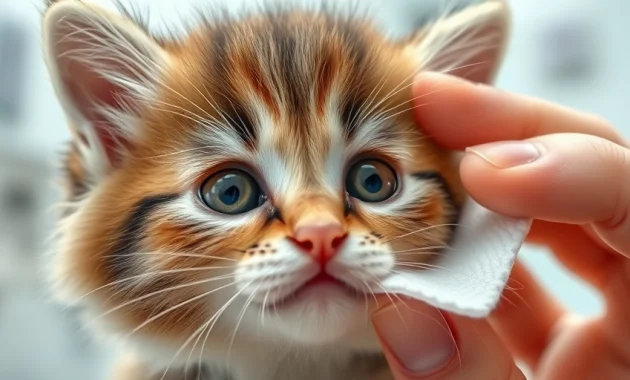
There's something particularly alarming about eye problems in kittens. Eyes are so clearly central to how a kitten experiences and interacts with the world — the bright, curious, wide-open gaze that follows your movements, the sudden dilation of pupils before a pounce, the half-closed contentment of a kitten drifting off in your lap. When those eyes look wrong — when they're swollen or red, when thick discharge has crusted them partially or fully shut, when the kitten keeps them squinted against normal light — the worry that kicks in is immediate and completely appropriate.
What makes kitten eye problems particularly important to take seriously isn't just the distress they cause in the moment. It's that kitten eyes are developing eyes, in an animal with a still-developing immune system, during a critical period when what happens to the eyes can have consequences for vision that extend well beyond kittenhood. Early, appropriate care — understanding what's causing the problem, providing appropriate home support, and getting professional evaluation when needed — makes a real difference in outcomes in ways that it doesn't for, say, a minor skin irritation.
This guide gives you the full picture. What healthy kitten eyes look like, so you have a baseline to compare against. The three primary causes of kitten eye infections, in enough depth that you understand why they behave differently and why that matters for management. How to recognize the warning signs and what they suggest about severity. A complete, safe first aid protocol for home care. A clear framework for what requires veterinary assessment and when. What veterinary treatment looks like. And the longer-term approach to protecting your kitten's eye health across the vulnerable early months of their life.
Understanding a Kitten's Eyes During Development
Why Kittens Are Particularly Vulnerable
The vulnerability of kittens to eye infections and inflammation isn't arbitrary — it reflects the biological reality of where they are in their development.
Kittens are born with their eyes sealed shut. The eyelids remain fused for approximately the first one to two weeks of life, with individual variation. When they open, typically between seven and fourteen days of age, the eyes are exposed to the environment for the first time. The immune system that will eventually protect those eyes — including the local immunity provided by tear film immunoglobulins and the cellular immune responses that fight infection — is not yet mature. The cornea (the clear front surface of the eye) is still developing its full structural resilience. The conjunctiva — the mucous membrane lining the inside of the eyelids and covering the white of the eye — is exposed and sensitive.
Throughout the first six months of life, a kitten's immune system is in a process of gradual maturation and education, being exposed to pathogens and developing immunological memory in response to those encounters and to vaccination. During this period, the same pathogens that an adult cat with a fully functioning immune system might fight off with minimal or no clinical signs can produce significant disease in a kitten. This is particularly true of the respiratory and ocular pathogens — the viruses and bacteria that target the eyes and upper respiratory tract — that are ubiquitous in environments where cats gather.
The maternally derived antibodies that kittens receive through their mother's colostrum (first milk) provide some protection in the very early weeks of life, but these passive maternal antibodies decline over the first several weeks and are largely gone by six to twelve weeks of age — exactly the period when kittens are being weaned, being separated from their mothers, and often being moved to new environments where they encounter new pathogens, experience significant stress, and face their new social and physical world with an immune system that's working to fill the gap left by the fading maternal protection.
This convergence of factors — declining maternal antibodies, developing but not yet mature active immunity, new environmental exposures, significant life stressors — is why kittens between six and sixteen weeks are the highest-risk age group for eye infections, respiratory infections, and the conditions that involve both simultaneously.
What Healthy Kitten Eyes Look Like
Before we can talk about abnormality, we need a clear baseline for what normal, healthy kitten eyes look like. Without this baseline, it's easy to either worry unnecessarily about minor normal variation or, more dangerously, to miss genuinely significant changes.
The cornea — the clear dome of tissue at the front of the eye — should be exactly that: clear. Transparent, with no cloudiness, no opacity, no visible surface irregularities. You should be able to see the iris (the colored part) and pupil clearly through the cornea as if looking through clean glass.
The conjunctiva — the mucous membrane visible on the inner surface of the eyelids and on the white of the eye around the iris — should be a soft, moist, light pink color. Not vivid red, not pale white, not swollen or puffy — just a quiet, healthy pink that indicates well-vascularized but non-inflamed tissue.
The sclera — the white part of the eye — should be white or very slightly cream-colored. Not red, not yellow-tinged, not showing visible blood vessels in an angry pattern.
Discharge in a healthy eye is minimal — a very small amount of clear or slightly rust-tinted material at the inner corner of the eye (closest to the nose) is normal in many cats. This is the natural product of the tear film draining and any normal cellular material being cleared. What's not normal is any significant volume of discharge, any thick or mucoid consistency, any yellow or green coloration, or any crusting that has caused the eyelids to stick together.
Behavior around the eyes in a healthy kitten involves no self-directed pawing at the face, no persistent squinting in normal lighting conditions, and no apparent sensitivity to normal light levels. The eyes should be open and engaged, not held partially or fully closed.
- 1. What is the most common cause of eye infections in kittens?
- 2. What are the first signs of an eye infection in a kitten?
- 3. How can I tell if the discharge is serious?
- 4. Can kitten eye infections heal on their own?
- 5. What is Feline Herpesvirus-1 (FHV-1)?
- 6. Is FHV-1 contagious?
- 7. Can kittens become blind from an eye infection?
- 8. What causes bacterial eye infections in kittens?
- 9. Can environmental irritants cause eye infections?
- 10. How should I clean my kitten's eyes safely?
- 11. How often should I clean infected eyes?
- 12. Can I use human eye drops?
- 13. Can I use leftover pet eye medication?
- 14. When should I visit a veterinarian immediately?
- 15. How do veterinarians diagnose eye infections?
- 16. What treatments might my kitten receive?
- 17. Can vaccination prevent eye infections?
- 18. How can I prevent eye infections?
- 19. Can one infected kitten spread disease to other cats?
- 20. What is the long-term outlook?
Conjunctivitis — The Most Common Eye Condition in Kittens
Understanding What Conjunctivitis Actually Is
Conjunctivitis — the term that describes most feline kitten eye infections — simply means inflammation of the conjunctiva. The conjunctiva, as noted above, is the mucous membrane that lines the inside of the eyelids and covers the sclera (the visible white part of the eye). When this membrane becomes inflamed, it swells, becomes reddened, and produces increased secretions — which is where the discharge characteristic of eye infections comes from.
What makes conjunctivitis in kittens particularly worth understanding is that it's a symptom — an inflammatory response — rather than a single disease with a single cause. The same visible inflammation can result from completely different underlying causes, and those different causes require genuinely different management approaches. A conjunctivitis caused by a dusty environment resolves when the irritant is removed. A conjunctivitis caused by Feline Herpesvirus is a lifelong viral infection that can't be cured, only managed. A conjunctivitis caused by bacterial infection responds to the right antibiotic but needs the right antibiotic for the right bacteria.
This is why getting to the cause of a kitten's eye infection matters, rather than treating all red, swollen, discharging eyes the same way.
Recognizing Conjunctivitis: The Symptoms in Detail
The symptoms of conjunctivitis in kittens follow from the underlying inflammatory process and vary in severity depending on the cause and how long the condition has been developing.
Redness is typically the earliest visible sign. The conjunctiva shifts from its normal soft pink to a deeper, more vivid red as blood vessel dilation and increased blood flow to the inflamed area occur. This may begin in one or both eyes and may be subtle at first, particularly in kittens with darker-colored conjunctiva at baseline.
Swelling of the conjunctival tissue follows inflammation — the tissue becomes edematous (fluid-filled) and visibly puffy, which can give the eye a swollen appearance around the edges and can cause the inner eyelid tissue to bulge more prominently. In severe cases, the swelling is dramatic enough to partially close the eye.
Ocular discharge reflects the conjunctiva's inflammatory secretory response. The character of the discharge provides important information about the likely cause:
- Clear, watery discharge is characteristic of early inflammation, viral infection, or environmental irritation
- Thick, white to cream-colored mucoid discharge suggests a more established inflammatory response
- Yellow or green discharge indicates the presence of neutrophils — the white blood cells deployed in response to bacterial infection — and is strongly suggestive of bacterial involvement
- Crusting, where dried discharge has cemented the eyelids partially or fully together, indicates discharge has been present long enough to dry, which suggests the condition has been developing for at least several hours to days
Photophobia — sensitivity to light causing the kitten to squint or keep the affected eye(s) partially or fully closed in normal lighting — reflects corneal irritation or involvement. The cornea has one of the densest concentrations of pain receptors of any tissue in the body, and inflammation that reaches or involves the cornea produces significant pain that manifests as this light-avoidance behavior.
Behavioral changes associated with eye discomfort include pawing or rubbing at the face, reduced activity and exploration, and sometimes reduced appetite — both because the discomfort depresses overall wellbeing and because cats with significant eye problems may be navigating their environment with reduced visual confidence.
The Three Primary Causes
Cause One: Environmental Irritants — Dust, Debris, and Chemical Exposure
Environmental causes of kitten conjunctivitis are the most benign of the three primary categories, and they're the most directly preventable through management of the kitten's environment.
Kittens are natural explorers, drawn to investigate every corner, crevice, closet, and under-furniture space in their environment. Their eye-level during these explorations is significantly lower than an adult cat's, and they're more likely to push into spaces that haven't been cleaned recently. Dust accumulations, fine particulate matter, plant pollen, carpet fibers, and airborne irritants from cleaning products, air fresheners, candles, or cigarette smoke can all reach the eyes directly and trigger a reactive conjunctival inflammation.
The mechanism is mechanical and chemical irritation rather than infection. The irritant particles or chemical compounds contact the conjunctival tissue, which responds with the same inflammatory cascade that infection would trigger: vasodilation, increased secretion, cellular recruitment. The difference is that without an ongoing infectious agent, the inflammation resolves once the irritant is removed.
Environmental conjunctivitis is typically characterized by:
- Predominantly clear or slightly mucoid discharge rather than frankly purulent (pus-like) discharge
- A mild course that begins to improve once the kitten is removed from the irritating environment
- Both eyes often affected approximately equally, since exposure to airborne irritants tends to be bilateral
- Absence of the upper respiratory signs (sneezing, nasal discharge, coughing) that accompany viral causes
Management centers on identifying and removing the irritant — cleaning dusty areas before allowing kitten access, eliminating aerosol products from spaces the kitten occupies, ensuring adequate ventilation, and keeping the kitten away from areas with chemical residues from cleaning products until those areas are fully dried and ventilated.
Home first aid to clear discharge (detailed in a later section) provides comfort while the irritant-free environment allows the inflammation to resolve. Veterinary assessment is warranted if the symptoms don't begin improving within twenty-four hours of removing the suspected irritant, if they worsen despite environmental modification, or if symptoms develop or worsen alongside upper respiratory signs — which would suggest viral involvement rather than simple environmental irritation.
Feline Herpesvirus type 1 (FHV-1) is the most clinically significant infectious cause of kitten eye disease, and understanding it requires appreciating a fundamental virological fact about herpesviruses: once a cat is infected, the virus is never fully eliminated. It establishes what virologists call latent infection — the viral genome integrates into certain nerve cells and persists indefinitely, reactivating under conditions of stress or immune suppression to produce recurrent episodes of clinical disease throughout the cat's life.
FHV-1 is extraordinarily common in the cat population. Studies suggest that a large majority of domestic cats carry the virus, most having been exposed in kittenhood. The first infection, which typically occurs in the vulnerable period of early kittenhood, is often the most severe clinical episode — subsequent recurrences in adult cats tend to be milder as the immune system has learned to respond more rapidly, though they never achieve complete elimination of the virus.
How FHV-1 spreads is important for both management of an affected kitten and prevention in unaffected ones. The virus spreads through direct contact with infected secretions — eye discharge, nasal secretions, and saliva all carry the virus during active infection. It also spreads through fomites — contaminated objects like shared food bowls, water bowls, bedding, and human hands that have touched an infected cat and then touched an uninfected one. This is why FHV-1 spreads so efficiently in multi-cat environments like shelters, breeding catteries, and colonies.
The clinical picture of primary FHV-1 infection in kittens is typically dramatic and affects multiple systems:
- Ocular involvement is prominent, with severe bilateral (both eyes) conjunctivitis, often accompanied by corneal ulceration — visible damage to the corneal surface that causes significant pain and photophobia
- Upper respiratory involvement is characteristic and virtually always present: sneezing, nasal discharge (initially clear, often progressing to mucopurulent), and sometimes frank rhinitis (nasal inflammation) that makes breathing audible
- Fever, lethargy, and reduced appetite are common systemic signs
- In very young or severely affected kittens, symblepharon — adhesion of the conjunctiva to the cornea — can occur, potentially affecting vision permanently
The vaccination relationship is important to understand clearly. The core FVRCP vaccine — the standard kitten vaccine given in the primary vaccination series — includes protection against FHV-1 (the FV component stands for Feline Viral Rhinotracheitis, which is FHV-1). Vaccination does not prevent infection absolutely, but it significantly reduces the severity of primary infection, reducing the likelihood of severe corneal damage and the most serious complications. This is why staying current on kitten vaccinations is genuinely consequential for eye health specifically, not just general preventive health.
For kittens with active FHV-1 infection, antiviral medications are available — particularly l-lysine (an amino acid that interferes with viral replication by competing with arginine that the virus needs), topical antiviral eye drops, and in severe cases systemic antiviral medications. None of these eliminate the virus, but they reduce the severity and duration of active episodes.
Long-term management for a cat with established latent FHV-1 focuses on minimizing the stress and immune suppression that trigger viral reactivation. Stable home environment, appropriate vaccination maintenance, minimal unnecessary stressors, and sometimes prophylactic l-lysine supplementation during predictably stressful periods (moving, introduction of new animals) are the practical tools available.
Cause Three: Bacterial Pathogens — Multiple Organisms, Specific Concerns
Bacterial conjunctivitis in kittens can be caused by several distinct organisms, each with somewhat different characteristics. Understanding the primary culprits helps explain why bacterial eye infections behave differently from environmental or viral causes and why they typically require prescription treatment rather than resolving spontaneously.
Chlamydophila felis (previously called Chlamydia psittaci) is one of the most specific and most important bacterial causes of feline conjunctivitis. It's an obligate intracellular bacterium — it lives and replicates inside host cells rather than extracellularly — which means it doesn't respond to all antibiotics and requires specific antibiotic classes (particularly tetracyclines, including doxycycline) that can reach intracellular targets. Chlamydophila infection typically produces a persistent unilateral (one-sided) conjunctivitis that may later become bilateral, with mucopurulent discharge, and may be accompanied by mild upper respiratory signs. It's highly contagious in catteries and multi-cat environments and can be transmitted to humans, though human infection is uncommon.
Mycoplasma felis is another intracellular bacterial pathogen associated with feline conjunctivitis. Like Chlamydophila, it lacks a cell wall, which means standard cell-wall-targeting antibiotics like beta-lactams (penicillins, amoxicillin) are ineffective against it. Tetracyclines and fluoroquinolones are the antibiotic classes with appropriate activity. Mycoplasma infections can be particularly persistent if treated with inappropriate antibiotics, emphasizing the importance of appropriate diagnostic testing to guide treatment selection.
Staphylococcal and Streptococcal species are opportunistic bacteria that normally inhabit the cat's skin and mucous membranes without causing disease. They become pathogenic when normal tissue barriers are disrupted — by viral infection that damages the conjunctival epithelium, by trauma, by foreign body irritation, or by immune compromise. Secondary bacterial infection complicating primary viral conjunctivitis is extremely common, which is why many cats with FHV-1 infections develop the frankly purulent discharge characteristic of bacterial involvement even though the primary cause is viral.
The transmission implications of bacterial conjunctivitis are important: these organisms spread efficiently through direct contact with infected secretions and through fomites, which is why separate cotton balls for each eye, separate feeding equipment, hand hygiene between handling cats, and isolation of affected kittens from housemates are all genuinely important management considerations rather than excessive precautions.
First Aid at Home — The Safe Cleaning Protocol
Understanding the Role and Limits of Home First Aid
Home first aid for kitten eye infections serves two purposes: it provides physical comfort to the kitten by removing discharge that is uncomfortable and can contribute to secondary complications, and it buys time while you arrange appropriate veterinary assessment. It does not treat the underlying cause of the infection, does not replace veterinary diagnosis and prescription treatment, and is not a substitute for professional evaluation.
This framing matters because the appropriate mental model for home eye care is "supportive comfort care," not "treatment." If the home first aid is working in the sense that the kitten seems more comfortable after cleaning, that's good. If the underlying condition is progressing — if symptoms are worsening, if new signs are appearing, if the kitten is refusing to eat, if the eye appears to be getting worse rather than better — the appropriate response is to accelerate the timeline to veterinary assessment, not to continue home care and hope for improvement.
Preparation Before You Begin
Thorough handwashing with soap and water before handling the kitten's eye area is non-negotiable. Your hands carry bacteria and potential irritants from everything you've touched before this moment, and introducing any of that to an already-inflamed conjunctiva is counterproductive. Wash your hands for at least twenty seconds, including between fingers, and dry them on a clean towel before touching anything near the kitten's eyes.
For the cleaning fluid, use sterile or recently boiled clean water that has been allowed to cool to lukewarm temperature. The water should feel comfortably warm on your inner wrist — not hot, not cold. Hot water risks thermal injury to the delicate conjunctival tissue; cold water is more uncomfortable for the kitten and may trigger more resistance. Boiling the water first eliminates any bacterial contamination in tap water that could complicate an already inflamed eye.
Do not use: saline solution marketed for contact lenses (which may contain preservatives that irritate feline eyes), human eye drops of any kind (the pH, osmolarity, and active ingredients are calibrated for human physiology and may be harmful to cats), herbal or "natural" eye washes that haven't been specifically formulated and tested for feline ophthalmic use, or any leftover ophthalmic prescription drops from a previous pet's illness without current veterinary guidance.
Prepare more cotton balls than you think you'll need, because you'll be using a new one for each eye and discarding immediately after each use.
The Cleaning Process Step by Step
Step one: Secure the kitten. A comfortable, secure hold is as important for the kitten's safety as it is for your ability to clean effectively. Sit down with the kitten in your lap, or place them on a stable surface at a comfortable working height. If the kitten is likely to squirm significantly, wrapping them in a towel with just the head exposed can provide gentle, secure restraint. The goal is enough stability that you can clean the eye without poking the eye area with a sudden movement from a squirming kitten. Having a second person hold the kitten while you perform the cleaning can be enormously helpful.
Step two: Soak a fresh cotton ball. Take a clean cotton ball or cotton pad and dip it into the lukewarm water, then gently squeeze out excess water. You want it wet enough to soften and loosen dried discharge but not dripping, which would make the process messier than necessary and would mean more liquid near the eye than is useful.
Step three: Begin at the inner corner. The inner corner of the eye — the corner closest to the nose — is where discharge tends to accumulate and where crusting most often forms. Beginning here and wiping outward (away from the nose, toward the outer corner of the eye) follows the natural direction that tears drain and doesn't push debris toward the nasal lacrimal duct. Use gentle, smooth strokes — not scrubbing, not applying pressure to the eye itself, but a soft sweeping motion across the eyelid and the surrounding area.
If discharge has dried and crusted, hold the wet cotton ball gently against the crusted area for thirty seconds to a minute before attempting to wipe. The moisture will soften the crust, and softened crust can be gently rolled away rather than requiring the pressure that dried crust would need if you tried to remove it immediately.
Step four: Discard immediately and get a new cotton ball for the second eye. The importance of this step cannot be overstated. Using the same cotton ball for both eyes transfers whatever is on that cotton ball — bacteria, viral particles, discharge — directly from one eye to the other. If only one eye is infected, you can infect the other. If both eyes are infected with potentially different organisms, you can cross-contaminate. Always use a completely new, unused cotton ball for the second eye, and discard used cotton balls immediately in a way that the kitten cannot access them.
Step five: Observe and document. After cleaning, take a careful look at each eye and make a mental or written note of what you see — the degree of redness, the amount and character of remaining discharge after cleaning, whether the kitten is holding the eye open or keeping it squinted. This observation serves as a baseline for comparison at the next cleaning session and provides useful information if you're describing the kitten's condition to a veterinarian over the phone or in person.
How Often to Clean
During an active eye infection, gentle cleaning every four to eight hours — roughly two to three times daily — is appropriate to prevent discharge from accumulating and crusting. The goal is to keep the eye clear and comfortable, not to clean so frequently that you're adding to the irritation through handling.
Between cleanings, the kitten should rest in a comfortable, dim (not dark) environment. Kittens with significant photophobia benefit from reduced light intensity during recovery.
The Medications That Must Never Be Used Without Veterinary Guidance
The Human Eye Drop Danger
The warning in the source document about human medications is worth elaborating on, because it's an area where good intentions create real harm in the belief that "gentler is safer" or "it's just the same product, just for people."
Human ophthalmic products — eye drops, eye ointments, over-the-counter redness relief drops — are calibrated for human ocular physiology in ways that make them actively inappropriate for feline eyes. The pH of human tear film and feline tear film differs. Human topical anesthetic eye drops, if used by a well-meaning owner trying to reduce the kitten's discomfort, disrupt the protective blink reflex and can lead to self-induced corneal trauma as the kitten touches the now-insensate eye. Human steroid-containing eye drops used without confirming there's no corneal ulceration can catastrophically worsen a herpetic corneal ulcer — a condition where corticosteroids are specifically contraindicated because they suppress immune responses that are holding the viral infection in check and allow the ulcer to penetrate deeper into the cornea.
The Old Prescription Problem
A specific common scenario deserves explicit mention: the temptation to use prescription antibiotic eye drops that were prescribed for a previous cat (or a previous episode in the same cat) for a current eye problem without a fresh veterinary consultation. This seems reasonable — it's the same general type of problem, right? — but it carries several real risks.
Different bacterial causes require different antibiotics. An antibiotic eye drop effective against Staphylococcus may have no activity against Chlamydophila. A prescription written for a prior bacterial episode is inappropriate for a viral primary infection and will do nothing except delay appropriate treatment. And antibiotics prescribed months ago may have degraded in potency or purity in ways that make them less effective and potentially irritating.
The veterinary assessment step is not a bureaucratic hurdle between you and medication that will obviously help. It's the diagnostic step that identifies what the medication should be, which is information you don't have without it.
When Veterinary Assessment Is Required — and When It's Urgent
Baseline: All Significant Eye Infections Warrant Veterinary Assessment
Any kitten presenting with more than the mildest, most transient eye symptoms — symptoms that begin to improve spontaneously within twenty-four hours of removing any identified environmental irritant — warrants veterinary assessment. The potential consequences of inadequately treated eye infection in a developing kitten are serious enough, and the infections are common enough, that a thorough clinical examination is always the appropriate standard.
This isn't excessive caution. It reflects the biological reality that the conditions that can cause serious, lasting damage to kitten vision — corneal ulceration from FHV-1, symblepharon (adhesion between the conjunctiva and cornea), persistent infections from organisms that require specific antibiotic therapy — are clinically indistinguishable from milder conditions on visual inspection by an owner, and require ophthalmological assessment (including tools like fluorescein staining that reveal corneal surface damage not visible to the naked eye) to identify.
Signs That Warrant Urgent Same-Day Assessment
Certain specific presentations indicate that the kitten needs to be seen today — not in a couple of days, not at the next convenient appointment:
A completely shut eye — where the eyelid is sealed closed by discharge or swelling and the kitten cannot or does not open it — suggests severe inflammation or corneal pain serious enough to produce blepharospasm (sustained involuntary lid closure). This is a significant degree of ocular disease.
Visible changes to the cornea — cloudiness, whiteness, bluish haze, visible surface irregularity where the cornea should be smooth and clear — indicate corneal involvement that may include ulceration, edema, or cellular infiltration. Corneal ulceration in particular is painful and can progress rapidly without appropriate treatment.
Cessation of eating or drinking alongside eye symptoms indicates the kitten's systemic wellbeing is being significantly affected. Young kittens have very limited energy reserves and can decline rapidly when they stop eating, making this a time-sensitive situation independent of the eye disease itself.
Progressive worsening despite home care — symptoms that are more severe at each cleaning rather than the same or improving — indicates an active infection that is not self-limiting and needs treatment.
Any eye symptoms in very young kittens — under six weeks of age — warrant prompt assessment given the more serious potential for permanent damage in very immature eyes and the more fragile general constitution of neonatal kittens.
Neurological signs alongside eye symptoms — head tilt, circling, imbalance — suggest involvement beyond simple conjunctivitis and may indicate systemic or neurological disease that requires urgent full assessment.
What the Veterinarian Does
The Examination
A veterinary ophthalmological assessment for a kitten with eye symptoms goes considerably beyond what's visible on home inspection. The veterinarian has tools and techniques that reveal information unavailable from visual inspection alone.
Fluorescein staining is one of the most diagnostically important steps for any kitten with eye symptoms. A small amount of fluorescein dye — which is biocompatible and not harmful — is dropped onto the corneal surface and the eye is examined under a blue-wavelength light. Fluorescein binds to damaged corneal stroma (the layer beneath the surface epithelium) but not to intact epithelium, so areas where the surface has been disrupted — corneal ulcers — appear as bright green fluorescent patches. This test can identify corneal ulcers that are completely invisible on standard examination and that dramatically change the treatment plan if present.
Schirmer tear test measures the quantity of tear production, which can be reduced in certain conditions and provides information about tear film adequacy.
Cytology — examining cells collected from the conjunctiva with a gentle swab under a microscope — can identify the predominant cell types (suggesting whether the inflammation is primarily bacterial, allergic, or other) and sometimes directly identify organisms.
Culture and sensitivity testing — growing whatever is in the eye discharge in a laboratory environment and testing which antibiotics inhibit its growth — provides specific guidance for antibiotic selection in bacterial cases and identifies cases where unusual or resistant organisms are present.
Treatment Options
Treatment selection follows directly from diagnostic findings:
Topical antibiotic eye drops or ointments for bacterial conjunctivitis, selected based on the suspected or confirmed organism. Tetracycline-based formulations for suspected Chlamydophila or Mycoplasma; broader-spectrum antibiotics for secondary bacterial infections; culture-guided selection for complex or non-responsive cases.
Topical antiviral medications for herpetic corneal ulcers specifically — products like idoxuridine or trifluridine are topical antivirals that reduce viral replication in the corneal tissue and support healing. These are prescription-only and require specific indication.
Systemic antivirals — famciclovir (the feline-appropriate formulation) for more severe or systemic herpesvirus infections — may be prescribed for kittens with significant primary FHV-1 disease.
L-lysine supplementation is commonly recommended for herpesvirus management, as this amino acid interferes with viral arginine metabolism and may reduce viral replication.
Topical lubricants (artificial tear preparations formulated for felines) support corneal health and comfort, particularly in eyes with reduced tear production or significant surface dryness from infection.
Corticosteroid-containing medications are specifically avoided when any corneal ulceration is present or suspected, because corticosteroids suppress the immune responses needed to limit viral replication and can cause catastrophic progression of herpetic ulcers.
Prevention and Long-Term Eye Health
Vaccination as the Primary Preventive Tool
The FVRCP vaccination — the core kitten vaccine that every kitten should receive — includes protection against FHV-1 specifically. The standard kitten series involves initial vaccination at six to eight weeks, with boosters every three to four weeks until sixteen weeks of age, followed by adult boosters at one year and then on the schedule appropriate for the individual cat's risk profile.
Keeping kittens current on their vaccination schedule is the single most impactful preventive measure available for reducing the severity of FHV-1 primary infection. Vaccinated kittens who are still exposed to the virus (which is virtually inevitable given its prevalence) experience significantly milder infections than unvaccinated kittens, with dramatically reduced corneal disease risk.
Environmental Management
Reducing dust and irritant exposure in kitten environments — ensuring areas the kitten accesses are reasonably clean, avoiding aerosol products in shared spaces, ensuring good ventilation — reduces environmental conjunctivitis risk. This is particularly relevant for kittens living in spaces with older carpeting, dusty storage areas, or regular use of cleaning chemicals and air fresheners.
Early Attention to Eye Symptoms
Because untreated or inadequately treated eye infections in kittens carry real risk of lasting damage during a developmental window when that damage is most consequential, the most protective habit an owner can develop is prompt attention to early symptoms. A kitten who looks slightly squinty, whose discharge is slightly more than usual — examined, assessed, and if significant, brought to a veterinarian promptly — is a kitten with a much better potential outcome than one whose worsening symptoms are watched for several more days before anyone acts.
The margin between manageable conjunctivitis and vision-threatening corneal disease can be narrower in kittens than it is in adult cats, and earlier intervention consistently produces better outcomes.
Conclusion: The Eyes Tell You When Something Is Wrong — If You're Paying Attention
Healthy kitten eyes are bright, clear, and fully engaged with everything happening around them. They're one of the most expressive things about a kitten, and they're also one of the most reliable indicators of overall health in a young animal who can't tell you directly how they're feeling.
The information in this guide gives you the ability to recognize when those eyes are telling you something is wrong, to understand what the different patterns of abnormality suggest about what might be causing them, to provide appropriate and genuinely helpful first aid while you arrange professional assessment, and to understand clearly what professional assessment involves and when it needs to happen urgently versus routinely.
What ties all of this together is attention. Kittens' eyes can progress from mild inflammation to significant disease in a matter of days when active infection is involved. The owners who catch these problems early, manage them appropriately at home without attempting to replace veterinary care with home remedies, and bring their kittens to professional evaluation promptly are the owners whose kittens come through with their vision intact and their eye health protected.
FAQ
1. What is the most common cause of eye infections in kittens?
The most common cause is conjunctivitis, which is inflammation of the conjunctiva—the thin membrane covering the white part of the eye and the inner eyelids. Conjunctivitis can be triggered by viral infections such as Feline Herpesvirus-1 (FHV-1), bacterial infections like Chlamydophila felis and Mycoplasma felis, or environmental irritants such as dust, smoke, and chemicals.
2. What are the first signs of an eye infection in a kitten?
Early symptoms include:
- Red or bloodshot eyes
- Watery eyes
- Mild swelling around the eyelids
- Frequent blinking or squinting
- Pawing at the face
- Clear or slightly cloudy eye discharge
- Increased sensitivity to light
3. How can I tell if the discharge is serious?
The color and consistency of the discharge often indicate the underlying problem:
- Clear and watery: Usually irritation or viral infection.
- White or creamy: Moderate inflammation.
- Yellow or green: Often indicates bacterial infection.
- Thick crusts sealing the eyes shut: Requires immediate veterinary evaluation.
4. Can kitten eye infections heal on their own?
Minor irritation from dust or allergens may resolve after the irritant is removed. However, viral and bacterial infections typically require veterinary treatment. Delaying care can increase the risk of corneal ulcers, chronic eye disease, or permanent vision damage.
5. What is Feline Herpesvirus-1 (FHV-1)?
FHV-1 is one of the most common viral infections affecting cats. It commonly causes:
- Severe conjunctivitis
- Sneezing
- Nasal discharge
- Corneal ulcers
- Eye discharge
- Fever
- Reduced appetite
Once infected, cats carry the virus for life, although symptoms often remain dormant until triggered by stress or illness.
6. Is FHV-1 contagious?
Yes. It spreads through:
- Eye secretions
- Nasal discharge
- Saliva
- Shared food bowls
- Shared litter boxes
- Bedding
- Human hands after handling infected cats
7. Can kittens become blind from an eye infection?
Yes. Untreated infections can lead to:
- Corneal ulcers
- Corneal scarring
- Symblepharon (eyelid adhesion)
- Permanent vision loss
- Eye rupture in extremely severe cases
Prompt treatment significantly reduces these risks.
8. What causes bacterial eye infections in kittens?
Common bacteria include:
- Chlamydophila felis
- Mycoplasma felis
- Staphylococcus species
- Streptococcus species
These bacteria often infect the eye after viral damage weakens the eye's natural defenses.
9. Can environmental irritants cause eye infections?
Yes. Common irritants include:
- Dust
- Smoke
- Cleaning chemicals
- Air fresheners
- Strong perfumes
- Pollen
- Cat litter dust
Removing the irritant often improves mild symptoms quickly.
10. How should I clean my kitten's eyes safely?
Follow these steps:
- Wash your hands thoroughly.
- Use sterile or previously boiled lukewarm water.
- Soak a clean cotton ball.
- Wipe gently from the inner corner toward the outer corner.
- Use a fresh cotton ball for each eye.
- Never scrub the eye.
11. How often should I clean infected eyes?
Generally:
- Two to three times daily.
- Every 4–8 hours if discharge is excessive.
- More frequent cleaning should only be done under veterinary advice.
12. Can I use human eye drops?
No.
Human eye medications may:
- Irritate feline eyes
- Delay proper treatment
- Worsen corneal ulcers
- Contain steroids that can severely damage herpesvirus-infected eyes
Always use medications prescribed specifically for cats.
13. Can I use leftover pet eye medication?
No.
Different infections require different medications. Using outdated or incorrect antibiotics may:
- Be ineffective
- Promote antibiotic resistance
- Delay appropriate treatment
14. When should I visit a veterinarian immediately?
Seek emergency veterinary care if your kitten has:
- Eyes swollen completely shut
- Cloudy or white corneas
- Severe pain
- Green or yellow pus
- Refuses food
- High fever
- Severe lethargy
- Difficulty breathing
- Neurological symptoms
- Rapidly worsening eye condition
15. How do veterinarians diagnose eye infections?
Diagnosis may include:
- Physical eye examination
- Fluorescein stain for corneal ulcers
- Tear production testing
- Eye swab cytology
- Bacterial culture
- PCR testing for herpesvirus or Chlamydophila
16. What treatments might my kitten receive?
Treatment depends on the cause and may include:
- Antibiotic eye drops
- Antibiotic ointments
- Antiviral medications
- Oral antibiotics
- Artificial tears
- Pain relief
- Anti-inflammatory medications
- Nutritional support
- L-lysine supplementation (for some herpesvirus cases)
17. Can vaccination prevent eye infections?
Vaccination cannot completely prevent infection but greatly reduces the severity of diseases caused by:
- Feline Herpesvirus-1
- Feline Calicivirus
The FVRCP vaccine is one of the most important preventive measures for kittens.
18. How can I prevent eye infections?
Good prevention includes:
- Keeping vaccinations current
- Cleaning the living environment regularly
- Reducing dust exposure
- Avoiding cigarette smoke
- Avoiding harsh cleaning chemicals
- Washing hands before handling kittens
- Isolating sick cats
- Regular veterinary wellness exams
19. Can one infected kitten spread disease to other cats?
Yes.
Many viral and bacterial eye infections spread easily between cats, especially in:
- Shelters
- Multi-cat households
- Breeding facilities
Isolation and proper hygiene help reduce transmission.
20. What is the long-term outlook?
Most kittens recover completely with early treatment.
However, delayed care may result in:
- Chronic conjunctivitis
- Recurrent herpes flare-ups
- Corneal scarring
- Permanent vision impairment
Early diagnosis offers the best prognosis.