
The Art of Feline Socialization: 7 Proven Ways to Tame a Shy or Aggressive Cat
3 months ago
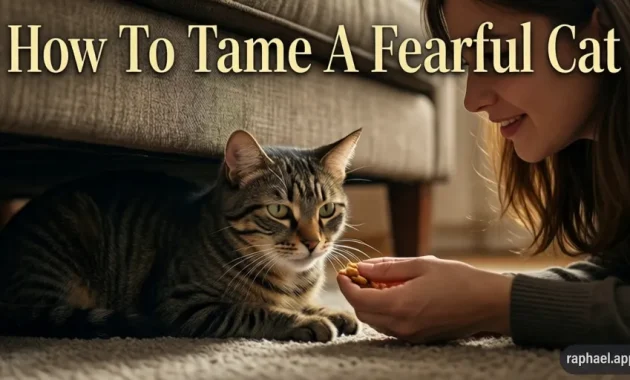
Bringing home a new cat is an exciting milestone, but it can quickly become daunting if your new companion spends their days hiding under the couch or hissing every time you walk by. An unsocialized, fearful, or defensive cat is not being "mean"—they are operating entirely out of survival instinct.
In the wild, cats are both predators and prey. When placed in a new, unfamiliar environment or when dealing with past human-inflicted trauma, their instinct is to assume everything is a threat. Taming a defensive or untouchable cat requires you to stop thinking like a human and start thinking like a feline.
This comprehensive guide breaks down the evolutionary psychology behind feline fear and delivers a structured, step-by-step roadmap to transform a fearful cat into a trusting, affectionate family member.
The Psychology of Fear Why Cats Hide and Hiss
Before you can change a cat’s behavior, you must understand the root cause of their defensiveness. True aggression in domestic cats is incredibly rare; what looks like aggression is almost always fear-induced self-defense.
The Trauma History
Many stray, rescue, or feral cats have had negative experiences with humans, severe weather, or predators. If a cat was never socialized during their critical developmental window (between 2 and 7 weeks of age), they view humans as large, unpredictable predators. Hissing, growling, and swatting are simply their ways of saying, "I am terrified, please stay back."
The Sensory Overload
Cats have highly acute senses. Their ears can detect high-pitched frequencies well beyond human hearing, and their noses are 14 times stronger than ours. A new home presents an overwhelming bombardment of unfamiliar sights, chemical smells, and loud sounds (televisions, footsteps, appliances). Until they learn these sounds do not equal danger, their nervous system remains in a constant state of "fight-or-flight."
The 7 Steps to Taming a Fearful Cat
Socializing a cat is an exercise in building trust. Trust cannot be forced; it must be earned on the cat's timeline. Here are seven tactical steps to guide your cat through the socialization process.
       [ The Feline Trust Progression ]
                      │
   Step 1: Create a Secure Base (Sanctuary Room)
                      │
   Step 2: Passive Desensitization (Exist and Ignore)
                      │
   Step 3: Olfactory Exchange (Scent Swapping)
                      │
   Step 4: High-Value Positive Reinforcement (Food)
                      │
   Step 5: Interactive Distance Play (Wand Toys)
                      │
   Step 6: Gradual Touch (The "Finger Sniff" Test)
                      │
   Step 7: Therapeutic Massage (Building Comfort)
Provide a Secure Sanctuary Room
Never release a fearful or semi-feral cat into a large, open house. The vast space will overwhelm them, and they will find inaccessible hiding spots (like inside box springs or behind heavy appliances), making socialization impossible.
The Strategy: Confine the cat to a small, quiet "Sanctuary Room," such as a spare bedroom or bathroom.
The Setup: Provide a litter box, fresh water, and a cozy enclosed hiding space, such as a cardboard box with a blanket inside or a hooded cat bed. Having a predictable, enclosed "safe zone" allows their baseline cortisol (stress hormone) levels to drop.
Let the Cat Approach You (Passive Desensitization)
One of the most common mistakes owners make is pursuing a cat to force an interaction. Crawling under the bed to pull a fearful cat out will permanently damage their trust in you.
The Strategy: Sit quietly on the floor of the sanctuary room. Do not look directly at the cat, as prolonged direct eye contact is perceived as a predatory threat in the animal kingdom.
The Technique: Read a book, work on your laptop, or scroll through your phone. By existing in their space while completely ignoring them, you teach the cat a vital lesson: Your presence is safe, and you will not force yourself upon them. Eventually, curiosity will override fear, and the cat will venture out to investigate you.
Speak in Soft, Low-Frequency Tones
Loud, sudden noises or high-pitched squeals can trigger a cat’s startle reflex.
The Strategy: When you enter the room, talk continuously in a calm, soft, rhythmic monotone voice. You can read aloud from a book or simply narrate what you are doing. This desensitizes the cat to the unique acoustic profile of your voice, helping them associate your vocal patterns with safety and predictability.
The path to a cat’s heart is almost always through their stomach. Food is your most powerful tool for counter-conditioning (replacing fear with a positive association).
The Strategy: Move away from free-feeding dry kibble. If food is always available, the cat doesn't need you. Instead, implement scheduled meal times where you are the explicit provider of sustenance.
The Nutrition Factor: Offer highly palatable, nutrient-dense foods that cats find biologically irresistible. Using premium options like Purina Pro Plan Adult Dry Food provides excellent nutritional support—featuring real chicken or salmon formulas packed with active probiotics for gut health and essential antioxidants to support a stressed immune system. Sit at a safe distance while they eat so they associate the reward of a premium meal with your physical presence.
Never Force Physical Restraint
Forcing a fearful cat into your arms or holding them down against their will triggers extreme panic. A panicked cat will bite or scratch purely out of survival instinct, setting your socialization progress back by weeks.
The Strategy: Keep your hands to yourself during the initial stages. If the cat backs away, tenses up, or flattens their ears, immediately back off. Respecting their boundaries shows them that they possess autonomy in your presence, which rapidly accelerates their sense of security.
Utilize Interactive Distance Toys
Play is an incredible tool for building confidence. When a cat engages in hunting behavior, their brain releases dopamine, which naturally counteracts feelings of anxiety.
The Strategy: Use long-distance interactive toys, such as a feather wand or a string toy. This allows the cat to express their predatory drive (stalking, pouncing, capturing) while maintaining a comfortable physical distance from you. Over multiple play sessions, gradually shorten the distance of the wand, drawing the cat closer to your body while they are in a highly positive, focused state of mind.
Implement Therapeutic Touch and Massage
Once the cat comfortably approaches you for food or play, you can introduce physical touch.
The Strategy: Extend a single finger at the cat's eye level, keeping your hand relaxed. Let them approach and sniff your finger first—this is the feline equivalent of a handshake.
The Massage Technique: If they rub their cheek or chin against your finger, they are marking you with their scent glands, signaling acceptance. Gently stroke them only in areas where they possess these scent glands: around the cheeks, under the chin, and along the base of the ears. Avoid the belly, tail, or lower back initially, as these areas can cause overstimulation and defensive reactions.
Three Advanced Tips for Managing Highly Aggressive Cats
If you are dealing with a deeply traumatized or genuinely aggressive cat, standard steps may take longer to yield results. Implement these advanced environmental management techniques to help break through the barrier of fear.
1. Provide Strategic Time and Generous Space
Progress is rarely linear. A cat may be friendly one day and retreat into hiding the next. When a cat experiences an emotional setback, give them complete space. Do not hover, push, or stare. Allowing them to decompress in total solitude for a few days resets their neurological stress triggers, preparing them for the next step of socialization.
2. Deploy Synthetic Pheromones (Feliway)
When a cat feels safe, they rub their cheeks against objects to leave behind "facial pheromones." This chemical marker tells them their environment is secure.
The Intervention: Use synthetic pheromone diffusers like Feliway in their sanctuary room. These diffusers emit an odorless, drug-free copy of the feline facial pheromone. This continuously signals to the cat's brain that they are in a safe zone, significantly lowering generalized anxiety, reducing the urge to hide, and rendering them much more receptive to human socialization.
3. Consult a Veterinary Behavioral Specialist
If weeks pass and your cat remains completely unreachable, highly aggressive, or displays signs of extreme chronic stress (such as self-mutilation, severe overgrooming, or refusing to eat), it is time to seek professional guidance.
Consult your veterinarian or a certified veterinary behaviorist. They can perform a thorough physical evaluation to ensure the aggression isn't caused by an underlying medical issue, like chronic dental pain or arthritis, and can prescribe short-term anti-anxiety medications if necessary to help open a window for behavioral training.
Summary Table: Feline Body Language Decoding
To tame a cat successfully, you must accurately read their physical cues to know when to push forward and when to back away.
| Body Part | Calm / Trusting Signal | Fearful / Defensive Signal (Back Off) |
| Ears | Neutral, pointing forward or relaxed | Flattened sideways ("airplane ears") or pinned back |
| Eyes | Slow blinking, relaxed pupils | Dilated, wide pupils, unblinking intense stare |
| Tail | Upright with a slight curve at the tip, relaxed | Tucked tightly against the body, puffed up, or whipping |
| Vocalization | Silence, soft chirps, or steady purring | Hissing, low growling, or intense spitting noises |
Conclusion: The Reward of Patience
Taming an unapproachable cat is a masterclass in patience, empathy, and consistency. Every cat operates on their own unique internal timeline; some may socialize in a week, while others may require months of quiet dedication.
By building a structured, predictable environment, leveraging high-quality nutrition like Purina Pro Plan to build positive associations, and using tools like synthetic pheromones, you can slowly dismantle their wall of fear. The moment that once-terrified cat finally steps out from hiding, blinks softly at you, and voluntarily curls up in your lap is one of the most profoundly rewarding experiences a pet owner can ever have. Treat them with unconditional love and respect their boundaries, and you will earn a loyal, devoted companion for life.
FAQ (Frequently Asked Questions)
Q: How long does it typically take to tame an untouchable cat?
A: There is no universal timeline. For young kittens, it can take anywhere from a few days to two weeks. For adult cats with a history of trauma, it typically requires 4 to 8 weeks of consistent, daily work to build a foundational bond of trust.
Q: My rescue cat purrs loudly but then suddenly swats at me. Why?
A: This is a phenomenon known as Overstimulation Aggression. While purring often signals contentment, it can also be a self-soothing mechanism for an anxious cat. If you pet them for too long or in sensitive areas, their nervous system becomes overwhelmed, causing them to suddenly swat to signal that they need physical space.
Q: Should I use thick gloves to force-hold my cat so they get used to being held?
A: Absolutely not. Using thick handling gloves to force a cat into submission will terrify them and confirm their suspicion that you are a dangerous predator. Gloves should only be used by professionals in emergency medical or rescue situations, never for domestic socialization training.