The Complete American Shorthair Breed Guide: History, Traits, and Care Guidelines
2 months ago
When European settlers embarked on ships bound for the Americas, they brought along hardy, skilled mousers to protect their food supplies from rodents. Over centuries, these resilient shipboard cats adapted to the rugged New World, evolving into a distinct, beloved breed known today as the American Shorthair (ASH).
Often confused with the generic "Domestic Shorthair" (a term for mixed-breed cats of unknown ancestry), the true American Shorthair is a pedigreed breed defined by a strict genetic standard, a balanced temperament, and a powerful, athletic build.
This human-crafted comprehensive breed profile explores the history, physical characteristics, temperament, and care requirements of this classic American companion.
                  AMERICAN SHORTHAIR BREED PROFILE AT A GLANCE
┌──────────────────────────────────────┐    ┌──────────────────────────────────────┐
│        Physical Benchmarks           │    │         Life and Economy             │
├──────────────────────────────────────┤    ├──────────────────────────────────────┤
│ • Average Height: 10 – 14 Inches     │    │ • Life Expectancy: 12 – 17 Years     │
│ • Weight (Adult): 8 – 15 Pounds      │    │ • Average Price: $100 – $1,000       │
│ • Body Type: Medium-to-large, stocky │    │ • Distinguishing Mark: 80+ Colors    │
└──────────────────────────────────────┘    └──────────────────────────────────────┘
History and Evolution of a Working Breed
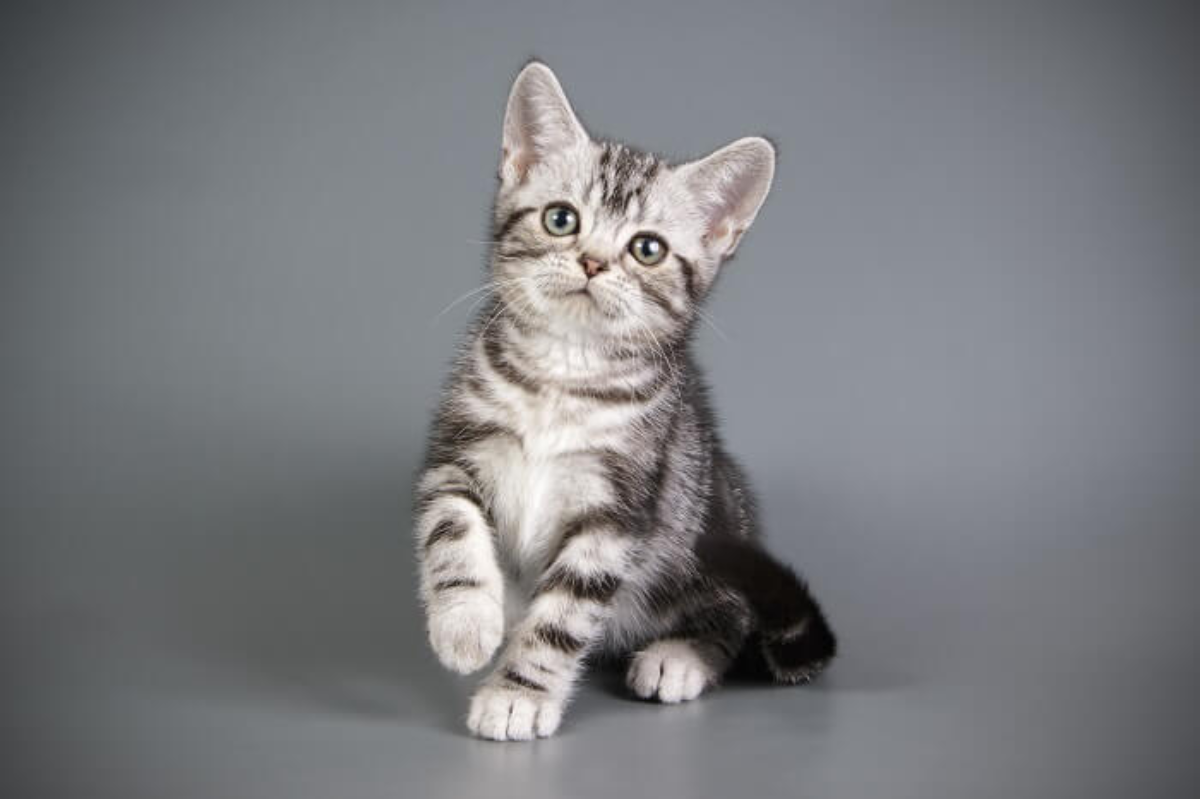
The American Shorthair is a living piece of history. Its ancestors were working cats that accompanied early European colonizers on ships—including the historic Mayflower—to control rodent populations. These feline pioneers had to be strong, adaptable, and highly resilient to survive harsh winters and challenging environments.
                      THE BLOODLINE EVOLUTION
                  [Original European Ship Cats]
                                │
                                ▼
                   [Early American Settler Cats]
                                │
            ┌──────────────────┴──────────────────┐
            ▼                                     ▼
 [Natural Selection for Hunting]        [Infusion of British Shorthair DNA]
            │                                     │
            └──────────────────┬──────────────────┘
                               ▼
                [Modern American Shorthair Breed]
               (Softer, rounder contours than British cousins)
As more cat breeds arrived in the United States, dedicated breeders began selecting for the specific traits of these dependable working cats. The original bloodline was refined with the careful introduction of British Shorthair genetics, which added structural density.
However, the American Shorthair developed a distinctly rounder, softer, and more agile body shape than its cousins from across the Atlantic. The breed's historical importance was cemented in 1895, when they were proudly featured in the very first official cat show held in the United States.
Physical Attributes and Breed Standards
The American Shorthair is built for power, confidence, and grace. Unlike mixed-breed cats, every aspect of an ASH’s appearance points back to its history as an effective, agile hunter.
                    PHYSICAL ANATOMY FRAMEWORK
                                │
     ┌──────────────────────────┼──────────────────────────┐
     ▼                          ▼                          ▼
[ The Facial Geometry ]     [ The Skeletal Frame ]     [ The Coat & Pattern ]
 ├── Large, half-almond eyes ├── Compact, muscular chest ├── Short, dense, and lustrous
 ├── Gold or green eye tones ├── Strong, stocky legs    ├── Over 80 distinct colors
 └── Fleshy, round cheek jowls└── Proportional, tapered tail└── Strictly non-pointed (No Siamese)
1. Head and Facial Features
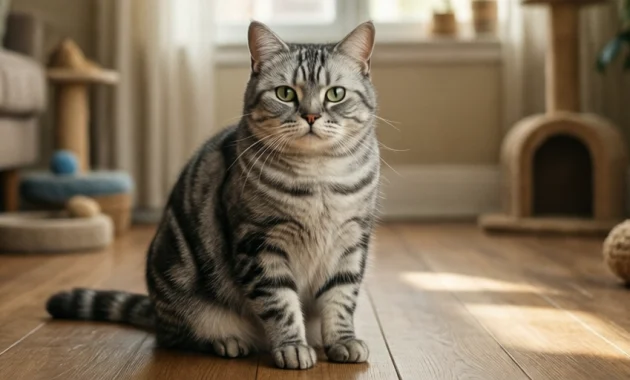
The head is a key feature that distinguishes a true American Shorthair from a mixed-breed cat. They have a distinctly large, rounded head with prominent cheeks and fleshy whisker pads.
Intact males often develop prominent jowls, giving them a broad, powerful look. Their eyes are large, rounded, and set wide apart (separated by at least one eye width), featuring a half-almond shape on the upper lid and a fully rounded lower lid. Eye colors typically range from bright gold to deep green, though blue or odd-colored eyes are also accepted in certain coat patterns.
2. Body Structure and Build
The body of an ASH is compact, muscular, and solid. They have a broad chest and a rounded silhouette that combines functional strength with a cuddly appearance.
Their legs are strong, heavy-boned, and stocky, ending in wide, round paws. This solid build gives them a grounded, stable stance rather than an elongated, slender look. The tail is long and proportional to the body, starting wider at the base and tapering slightly toward the tip.
3. Coat, Texture, and Color Variations
The American Shorthair sports a short, thick, and lustrous coat with an even texture. The fur is dense enough to protect the skin from brush and moisture, yet soft to the touch.
The breed standard allows for more than 80 different color and pattern variations, including classic tabby, tortoiseshell, solid black, pure white, smoke, and blue. The only disallowed patterns are pointed colors (like those seen on Siamese or Himalayan cats), which indicate crossbreeding with modern Asian variants.
- 1. What is the difference between an American Shorthair and a Domestic Shorthair?
- 2. Are American Shorthair cats good for first-time owners?
- 3. Do American Shorthair cats like to cuddle?
- 4. How long do American Shorthair cats live?
- 5. Are American Shorthair cats hypoallergenic?
- 6. How much grooming does an American Shorthair need?
- 7. Are American Shorthair cats active or lazy?
- 8. Can American Shorthair cats live with dogs?
- 9. Do American Shorthair cats shed a lot?
- 10. What health problems are common in American Shorthairs?
- 11. Are American Shorthair cats expensive?
- 12. Are American Shorthairs indoor cats?
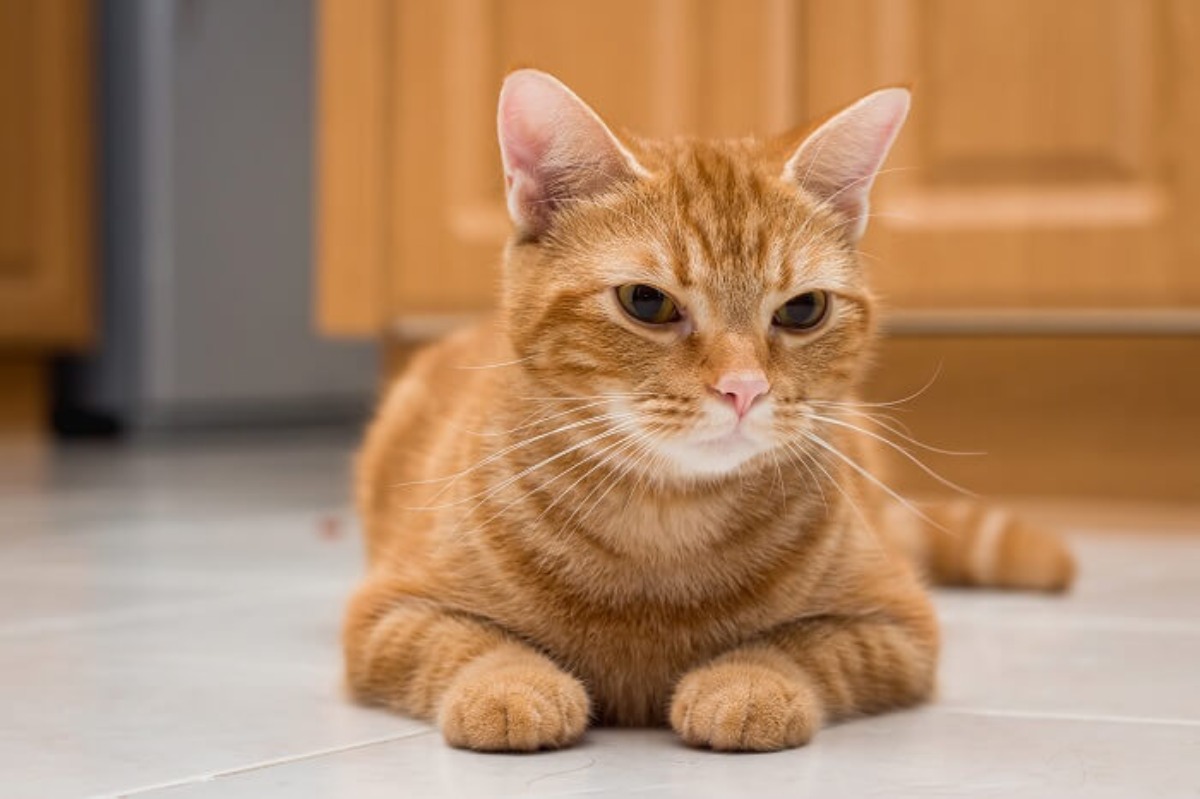
The personality of the American Shorthair makes them an exceptional choice for families, single owners, and multi-pet households. They strike a perfect balance between playfulness and calm independence.
               THE ASH TEMPERAMENT COMPASS
[ Active & Playful ] ───► Loves chasing toys and interactive games.
[ Inquisitive ]      ───► Enjoys exploring environments and supervising owners.
[ Independent ]      ───► Content to rest alone without constant attention.
[ Affectionate ]     ───► Gentle, personable, and great with children/dogs.
Unlike demanding, vocal breeds, the American Shorthair is wonderfully easygoing. They are highly personable and love spending time with their human families, but they do not demand constant attention. An ASH is perfectly happy to curl up for a nap in a sunny spot while you work, making them an excellent fit for busy households.
They retain their natural hunting instincts well into adulthood, making them curious, active companions who love chasing balls, stalking feather wands, and exploring their surroundings. Thanks to their patient, gentle nature, they get along well with well-behaved dogs and are excellent with children.
Comprehensive Health and Maintenance Protocols
Thanks to their history of natural selection and working backgrounds, American Shorthairs are generally very healthy, robust cats with life expectancies that regularly cross the 15-to-17-year mark. However, maintaining their health requires a consistent care routine.
               FOUR PILLARS OF AMERICAN SHORTHAIR CARE
┌──────────────────────────────┐              ┌──────────────────────────────┐
│         Nutrition            │              │          Grooming            │
├──────────────────────────────┤              ├──────────────────────────────┤
│ • High-protein, low-carb food│              │ • Weekly brushing/combing    │
│ • Strict portion control     │              │ • Regular nail trimming      │
└──────────────────────────────┘              └──────────────────────────────┘
                                      plus
┌──────────────────────────────┐              ┌──────────────────────────────┐
│          Exercise            │              │           Health             │
├──────────────────────────────┤              ├──────────────────────────────┤
│ • Interactive daily play     │              │ • Annual vet check-ups       │
│ • Puzzle toys for stimulation│              │ • Screen for HCM heart issues│
└──────────────────────────────┘              └──────────────────────────────┘
1. Dietary and Nutritional Management
The American Shorthair has no specialized nutritional needs compared to other domestic felines, but their muscular frame requires a high-quality, protein-rich diet. Because they have a stocky build and an easygoing personality, they can easily become overweight if overfed.
It is important to avoid leaving food out all day. Instead, feed them measured, scheduled meals and limit treats to keep them at a healthy weight.
2. Coat Grooming and Maintenance
Their short, dense coat is very easy to care for. Brushing them once a week with a standard steel comb or rubber brush is usually all it takes to remove loose fur, reduce seasonal shedding, and prevent hairballs.
Regular grooming sessions also give you a chance to check their skin, clean their ears, and trim their claws to keep them comfortable and protect your furniture.
3. Physical Exercise and Mental Stimulation
While they are perfectly content to relax, American Shorthairs need regular exercise to stay fit and mentally sharp. Plan for 15 to 20 minutes of daily interactive play using laser pointers, feather wands, or rolling balls. Providing puzzle feeders is also a great way to engage their problem-solving skills and satisfy their natural hunting instincts.
4. Health Monitoring and Inherited Risks
While the breed is generally healthy, they can occasionally be prone to Hypertrophic Cardiomyopathy (HCM), an inherited heart condition that causes the heart muscle walls to thicken.
When choosing a kitten from a professional breeder, always ask for documented health clearances showing that the parent cats have been screened for HCM. Regular annual veterinary exams will ensure your American Shorthair stays healthy and thriving throughout their long life.
Comparative Analysis: American Shorthair vs. Domestic Shorthair
To help clarify the differences between pedigreed American Shorthairs and everyday mixed-breed cats, this reference matrix highlights their distinct genetic and physical traits.
Summary: Is the American Shorthair the Right Cat for You?
The American Shorthair is an exceptional companion that fits beautifully into almost any home. They bring a perfect blend of historic resilience, low-maintenance grooming, and an easygoing, friendly personality.
Whether you are looking to adopt a rescue cat with similar traits or connect with a dedicated breeder for a pedigreed kitten, this classic breed offers a wonderful balance of affection, playfulness, and loyal companionship for years to come.
Frequently Asked Questions (FAQ)
1. What is the difference between an American Shorthair and a Domestic Shorthair?
The biggest difference is pedigree and genetic consistency. The American Shorthair is an officially recognized purebred cat with a documented lineage and strict breed standards. A “Domestic Shorthair” is simply a mixed-breed cat with short fur and unknown ancestry.
American Shorthairs usually have:
- A muscular, stocky build
- Round facial features
- Dense short coats
- Predictable temperaments
Domestic Shorthairs can vary widely in body shape, personality, coat pattern, and size.
2. Are American Shorthair cats good for first-time owners?
Yes. The American Shorthair is considered one of the best breeds for first-time cat owners because they are:
- Friendly and adaptable
- Low-maintenance groomers
- Independent but affectionate
- Good with children and other pets
- Generally healthy and easygoing
They fit well into apartments, family homes, and quieter households.
3. Do American Shorthair cats like to cuddle?
Most American Shorthairs enjoy human companionship, but they are usually not overly clingy. Many prefer sitting beside their owners rather than constantly being carried.
Their affection style is often described as:
- Calm
- Gentle
- Loyal
- Independent
Some individuals are highly cuddly, while others prefer occasional affection on their own terms.
4. How long do American Shorthair cats live?
With proper care, the American Shorthair commonly lives between 12 and 17 years. Some well-cared-for cats can even exceed 18 years of age.
Key factors influencing lifespan include:
- High-quality nutrition
- Healthy body weight
- Indoor living
- Routine veterinary care
- Regular exercise and mental stimulation
5. Are American Shorthair cats hypoallergenic?
No cat breed is completely hypoallergenic, including the American Shorthair.
However, because they have short coats and moderate shedding levels, some allergy sufferers may tolerate them better than long-haired breeds. Regular brushing and home cleaning can help reduce loose fur and dander.
6. How much grooming does an American Shorthair need?
Their coat is very low-maintenance. Most cats only require:
- Weekly brushing
- Occasional nail trimming
- Ear checks and dental care
During seasonal shedding periods, brushing two to three times per week may help reduce hair around the house and prevent hairballs.
7. Are American Shorthair cats active or lazy?
They are balanced cats—not hyperactive, but not sedentary either.
American Shorthairs enjoy:
- Chasing toys
- Climbing cat trees
- Hunting-style games
- Puzzle feeders
- Interactive play sessions
They also enjoy long naps and quiet relaxation, making them ideal companions for many lifestyles.
8. Can American Shorthair cats live with dogs?
Yes. The American Shorthair is known for having a calm and tolerant personality that adapts well to respectful dogs.
Successful introductions work best when:
- The dog is not aggressive
- Introductions are gradual
- The cat has safe vertical escape spaces
- Both pets are supervised initially
9. Do American Shorthair cats shed a lot?
They shed moderately throughout the year, with slightly heavier shedding during seasonal coat changes.
Their dense coat benefits from regular brushing to:
- Remove loose fur
- Reduce hairballs
- Maintain coat shine
- Minimize shedding around furniture
10. What health problems are common in American Shorthairs?
The breed is generally healthy, but some cats may develop:
- Obesity
- Dental disease
- Hypertrophic Cardiomyopathy (HCM)
- Age-related joint stiffness
Maintaining a healthy weight and scheduling annual veterinary checkups are important for long-term health monitoring.
11. Are American Shorthair cats expensive?
The price depends on pedigree quality, breeder reputation, and coat pattern. A pedigreed American Shorthair kitten commonly ranges from moderate to high pricing, while rescue cats with similar traits are often much more affordable.
Additional long-term costs include:
- Food
- Veterinary care
- Vaccinations
- Toys and enrichment
- Grooming supplies
12. Are American Shorthairs indoor cats?
Yes, they thrive as indoor companions. Keeping them indoors helps protect them from:
- Traffic accidents
- Infectious diseases
- Parasites
- Predators
- Outdoor injuries
Indoor life combined with daily play and enrichment provides the safest and healthiest environment for the breed.