The Cymric Cat: A Complete Guide to the Tailless, Long-Haired Mystery Cat from the Isle of Man
4 weeks ago

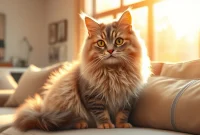
There is a moment, when you see a Cymric cat for the first time, where your brain does something interesting. It registers "cat" and then immediately registers "something is missing." The eye travels to where a tail would be — that reflexive, almost unconscious expectation that a cat comes with a tail — and finds either nothing, or something so short it barely qualifies. And then the rest of the cat resolves into focus: the plush, silky, almost extravagant coat, the rounded face with its prominent cheeks, the high arched rump supported by those noticeably longer back legs, the overall impression of a cat that is simultaneously familiar and subtly, compellingly different from any cat you've seen before.
The Cymric — pronounced kim-rick, a detail worth knowing before you try to discuss the breed with anyone — is not simply a novelty of genetics. It's an ancient breed with a deep, specific history rooted in an island culture, a coat that likely traces its lineage to Viking seafarers, a temperament that serious owners consistently describe as among the most dog-like in the cat world, and a set of health considerations that anyone thinking seriously about this breed needs to understand clearly before making a decision.
This guide covers the full picture. The breed's origin story, including the mythology that grew up around its most distinctive feature. The genetics of taillessness and what they actually mean for breeding and health. The breed standard in enough detail to understand what distinguishes a well-bred Cymric from a mixed-breed cat who happens to have a short tail. The personality and temperament in depth. The health considerations that are specific to this breed and non-negotiable to understand. And the practical considerations around finding, affording, and living with one.
The Island, the Isolation, and How a Breed Comes to Be
The Isle of Man: A Perfect Laboratory for Genetic Change
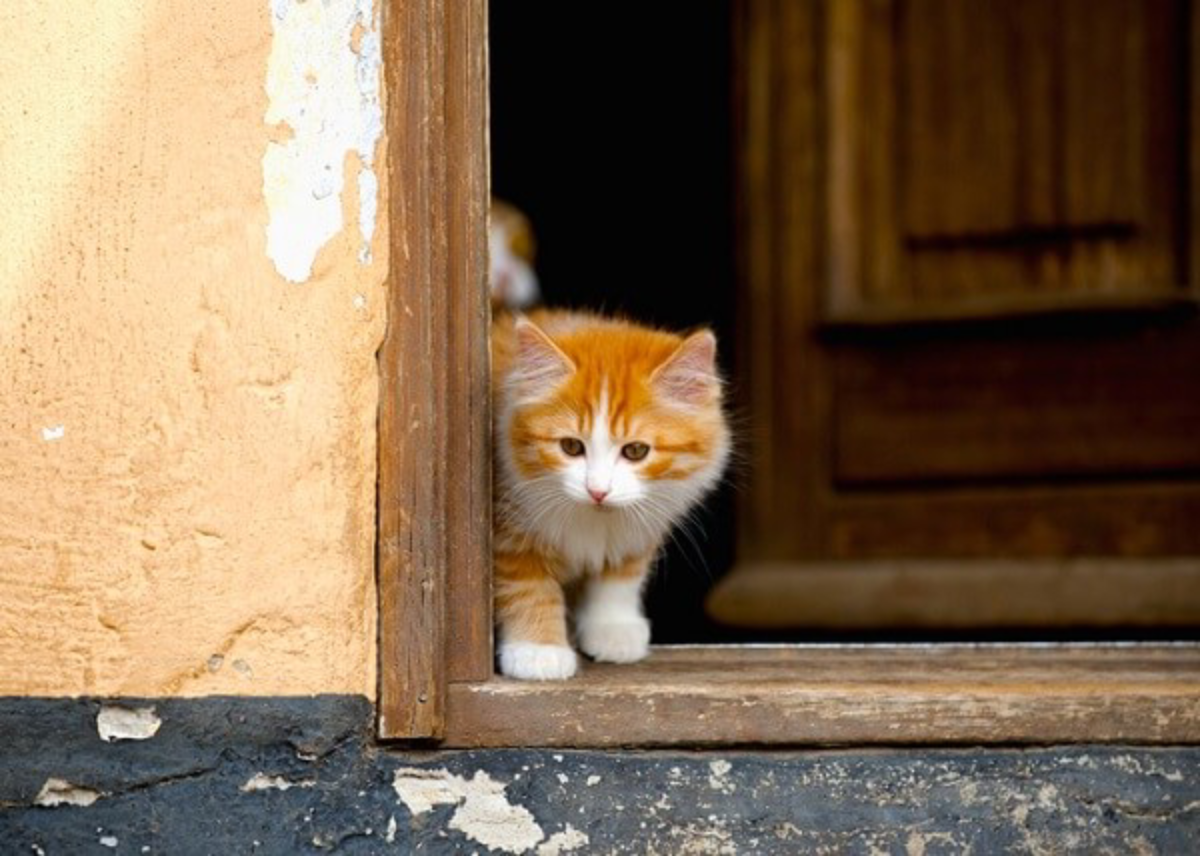
To understand how the Cymric came to exist, you first need to understand the geography and historical circumstance that made its creation possible. The Isle of Man is a small island — roughly 572 square kilometers — sitting in the Irish Sea, equidistant in rough terms between England, Ireland, Scotland, and Wales. It's large enough to support a settled human population with a distinctive culture and legal tradition (the Tynwald, the Manx parliament, is the world's oldest continuously functioning parliament), but small enough and sufficiently isolated that populations living on it — human and animal alike — have historically had limited genetic exchange with mainland populations.
For cats, this geographic isolation created conditions that geneticists recognize as ideal for the rapid establishment of unusual genetic traits in a population. When a mutation arises in an isolated population, it doesn't get diluted by continuous introduction of unrelated genetics from outside — it circulates within the closed population, and if it carries no severe survival disadvantage, it can establish itself over generations until it becomes a defining characteristic of the local cat population.
This is exactly what happened with the taillessness mutation on the Isle of Man. At some point in the island's history — the specific date is unknown, though the breed has certainly existed for several hundred years based on historical accounts — a spontaneous mutation arose in a cat on the island that affected the development of the spine. The mutation disrupted the normal formation of tail vertebrae, producing a cat with a dramatically shortened or absent tail. In a mainland population with constant genetic influx from elsewhere, this mutation might have arisen and dispersed without establishing itself as a fixed breed characteristic. On an island with a small, relatively closed cat population, it circulated and became increasingly common until it was essentially the defining feature of the local cat.
This is the Manx mutation, shared between the Manx (the shorthaired version) and the Cymric (the longhaired version). They're the same fundamental breed, differentiated by coat length.
The Long-Haired Gene and Its Viking Traveling Companions
The Cymric's coat is the feature that distinguishes it from the Manx — a semi-long, silky, dense coat that produces the distinctive neck ruff, the feathering around the hindquarters called "breeches," and the overall impression of a substantially coated cat. This coat type wasn't original to all Manx cats and wasn't simply the same coat that grew longer. It represents a specific semi-long hair gene that was introduced to the Isle of Man population at some point, most likely through the feline companions of Norse seafarers.
The Viking connection in Cymric history is well-documented in the breed's historical records and has a compelling genetic plausibility to it. The Norse people were active seafarers throughout the Northern Atlantic and Irish Sea from roughly the 8th to 11th centuries, and the Isle of Man was within their zone of activity — it was, in fact, a Norse possession for extended periods. Viking ships typically carried cats as working pest-control animals to protect food stores, and it's historically reasonable to suggest that long-haired cats from Scandinavian origins — potentially early ancestors of what we now call the Norwegian Forest Cat, which also possesses a dense semi-long coat suited to cold northern climates — arrived on the Isle of Man during this period.
When these long-haired cats from Norse ships encountered the existing tailless cat population, the semi-long hair gene was introduced into the island's isolated genetic pool. The combination — the indigenous taillessness mutation paired with the Viking-imported long-hair gene — produced what we now call the Cymric: a tailless cat with a long, silky coat.
The Cymric's connection to the Norwegian Forest Cat goes beyond historical hypothesis. The two breeds share striking coat similarities — the density, the texture, the specific features of the neck ruff and hindquarter feathering — that suggest a genuine shared genetic ancestry, and the Viking maritime hypothesis provides a coherent historical mechanism for how that shared ancestry could have come about.
The Name and Its Meaning
"Cymric" is a Welsh word meaning Welsh or pertaining to Wales. The choice of this name for a breed from the Isle of Man might seem geographically incongruous — Wales and the Isle of Man are distinct places with distinct cultures — but it makes sense in the broader context of Celtic cultural identity. The Manx people share Celtic heritage with the Welsh, and "cymric" in its broader usage can refer to the Celtic tradition generally as much as to Wales specifically. The name acknowledges this Celtic cultural heritage and distinguishes the long-haired version of the breed from its shorthaired Manx counterpart while honoring their shared island origin.
The Cat Fanciers' Association, when it first began recognizing cat breeds in 1906, included the Manx among its initial recognized breeds. The Cymric was recognized later as a distinct breed variant — the timeline of its formal recognition varies by registry, with some organizations recognizing it separately and others treating it as a division of the Manx breed.
- The Isle of Man: A Perfect Laboratory for Genetic Change
- The Long-Haired Gene and Its Viking Traveling Companions
- The Name and Its Meaning
- 1. What is a Cymric cat?
- 2. How do you pronounce "Cymric"?
- 3. Are Cymric and Manx cats the same breed?
- 4. Why do Cymric cats have no tail?
- 5. Where did the Cymric breed originate?
- 6. Why is the breed called Cymric?
- 7. Did Vikings influence the Cymric breed?
- 8. What does a Cymric cat look like?
- 9. How large do Cymric cats get?
- 10. Are Cymric cats good family pets?
- 11. Do Cymric cats get along with other pets?
- 12. Why are Cymric cats often described as "dog-like"?
- 13. Are Cymric cats intelligent?
- 14. Are Cymric cats very active?
- 15. Are Cymric cats vocal?
- 16. How much grooming does a Cymric require?
- 17. Do Cymric cats shed heavily?
- 18. Should the fur around a Cymric's rear be trimmed?
- 19. What should a Cymric eat?
- 20. Are Cymric cats prone to obesity?
- 21. What is Manx Syndrome?
- 22. What symptoms may indicate Manx Syndrome?
- 23. Are all Cymric cats affected by Manx Syndrome?
- 24. How long do Cymric cats live?
- 25. Are Cymric cats rare?
- 26. How much does a Cymric kitten cost?
- 27. Can I adopt a Cymric instead of buying one?
- 28. What should I look for in a reputable Cymric breeder?
- 29. Is a Cymric suitable for first-time cat owners?
- 30. Is the Cymric the right breed for me?
The Mythology of the Missing Tail
Stories That Grew Up Around a Visible Difference
Cats missing their tails are visually striking in a way that invites explanation. When the tailless cats of the Isle of Man became notable enough for people to want to account for them, the stories that emerged reflect the folkloric traditions of the cultures that encountered them — and they're charming enough to be worth knowing even if the actual explanation is purely genetic.
The most widely repeated origin tale connects the Manx cat's missing tail to the story of Noah's Ark. In this version, the cats of the island were characteristically late — being cats, they were presumably occupied with their own priorities while the other animals were boarding — and arrived at the ark just as the door was being closed. They scrambled through at the last possible moment, but the heavy door slammed shut behind them before they were fully inside, severing their tails at the base. The tailless cats of the Isle of Man are, in this account, the descendants of those just-barely-saved ark cats, perpetually bearing the evidence of their ancestors' poor time management.
A second folklore tradition takes a more practical and somewhat darker turn. According to this story, the tailless trait was not a natural mutation but a deliberate practice by Manx mother cats who removed their kittens' tails shortly after birth. The reason given is that the cats were protecting their kittens from Celtic or Viking raiders, who supposedly had a particular fondness for cat tails as decorative ornaments or good luck charms. By removing the tails preemptively, the mother cats made their kittens worthless as targets for plunder.
A third tradition, slightly different in character, suggests that Irish warriors used cat tails as decorative elements on their helmets and weapons, creating a demand that made tailed cats valuable to human thieves. The tailless mutation, in this account, was selected for naturally because tailless cats were simply not worth stealing.
None of these stories survive contact with genetics — a genetic mutation doesn't arise because cats need it and doesn't propagate because mother cats choose to bite off tails. But they reflect the imaginative engagement that people have had with these cats for centuries, and the specific details of the stories — the Viking and Celtic connections, the maritime setting — track interestingly with the actual historical context in which the breed developed.
The Genetics of Taillessness — What's Actually Happening
A Single Gene With Multiple Outcomes
The taillessness that defines the Cymric and Manx breeds is caused by a mutation in a single gene, and this gene behaves in ways that are genuinely interesting — and that have important practical implications for breeding and for the health concerns specific to this breed.
The Manx taillessness gene operates as a dominant mutation. This means that a cat needs only one copy of the mutated gene — inherited from one parent — to express some degree of taillessness. Cats who inherit two copies of the mutation (one from each parent) do not survive — the mutation in its homozygous form is lethal in utero, meaning embryos with two copies of the gene die before birth and are reabsorbed. This is why responsible breeders never breed two completely tailless Cymrics together: doing so statistically produces a litter where roughly 25% of the conceived embryos carry two copies of the mutation and don't survive, reducing litter sizes and creating a welfare concern.
The heterozygous state — one copy of the mutation, one copy of the normal gene — produces variable expression. This is what creates the Cymric's distinctive "tail spectrum": different cats carrying the same single copy of the mutation can have wildly different tail outcomes depending on other genetic modifiers and developmental factors. Some cats with the mutation develop completely absent tails — the classic "Rumpy" show cats whose rump is perfectly rounded with no tail stub at all. Others develop the subtle "Rumpy Riser" phenotype, where a small number of tail vertebrae are present but create no visible tail projection. Others develop a short, movable tail — the "Longy" — that clearly establishes they carry the mutation but in a form that allows more tail development than the classic tailless expression.
This variability within a single litter is entirely normal for the Cymric. Two Rumpy parents can produce Longy kittens. Two Longy parents can produce completely tailless Rumpies. The specific tail outcome in any individual cat reflects the complex interaction of the mutation with other developmental factors rather than being simply predictable from the parents' tail phenotypes.
The genetics also explain the curious fact mentioned in the breed overview: every Cymric carries at least one copy of a gene for a tail. The mutation doesn't eliminate the tail-producing genetic instructions from the genome — it interferes with their expression. A breeding pair of tailless Cymrics can produce fully-tailed offspring because the kittens may inherit the standard, unmodified tail-producing gene from each parent rather than the mutation from either. Complete tail restoration in some offspring from tailless parents is not a sign of impure breeding — it's a predictable consequence of the underlying genetics.
Manx Syndrome: The Health Consideration That Cannot Be Skipped
Any guide to the Cymric that doesn't spend significant time on Manx Syndrome isn't giving prospective owners the information they need to make a responsible decision. Manx Syndrome is a collection of spinal and neurological defects that can occur in Cymric and Manx cats as a consequence of the same mutation that causes their taillessness — and it's the most important health consideration in this breed, full stop.
The mutation that disrupts tail development affects the formation of the entire posterior spine, not just the vertebrae that would form the tail. In cats where the mutation's effect extends further than tail truncation, it can disrupt the normal formation of sacral and lumbar vertebrae, the spinal cord segments within them, and the nerves that emerge from those segments. The resulting conditions are grouped under the Manx Syndrome umbrella and can include:
Spina bifida — incomplete closure of the vertebral arch around the spinal cord, leaving the cord exposed or insufficiently protected. The severity ranges from mild to severe, with severe cases producing significant neurological dysfunction.
Sacrococcygeal dysgenesis — malformation or absence of the sacral and coccygeal vertebrae that are present in normal cats. This affects the structural integrity of the rear of the spine and can compress or damage the nerves that pass through this region.
Spinal cord tethering — abnormal attachment of the spinal cord to surrounding tissues that restricts its normal mobility and can create progressive neurological dysfunction as the cat grows.
The neurological consequences of these spinal abnormalities, when they occur, affect the systems those spinal segments innervate: the rear legs (producing weakness, ataxia — a characteristic "hopping" or bunny-hopping gait where the rear legs move together rather than alternately — or outright paralysis), the bladder (producing incontinence or inability to empty the bladder properly), and the bowel (producing constipation or fecal incontinence).
Manx Syndrome isn't universal — many Cymric cats have no spinal complications whatsoever beyond their taillessness. But it's not rare either, with estimates of affected individuals varying in the literature. The severity spectrum ranges from cats with very mild, subclinical spinal abnormalities that never produce noticeable functional problems to cats with severe neurological deficits that require significant care management or, in the most severe cases, humane euthanasia.
The relationship between the degree of taillessness and the risk of spinal complications is complex and not fully predictable. There is some evidence that more severely tailless cats — complete Rumpies — carry a higher average risk of spinal complications than cats with more tail development, because the same developmental mechanism that produces complete tail absence also tends to produce more extensive interference with posterior spinal development. But this is a statistical tendency rather than a rule — Rumpy cats without any spinal complications exist, and Longy cats with Manx Syndrome exist.
What this means practically for prospective Cymric owners:
Any reputable breeder should be transparent about this health consideration and should be screening their breeding animals. Kittens should be observed carefully for signs of rear leg weakness, abnormal gait, or litter box problems before placement. A veterinary examination specifically evaluating spinal health before purchasing a kitten is a reasonable precaution. And owners should be prepared to monitor for the development or progression of any neurological signs throughout the cat's life, since some spinal complications become more apparent as the cat grows or as progressive tethering effects accumulate.
This is not a reason to rule out the breed categorically — many Cymric cats live full, healthy, neurologically normal lives. But it is a reason to be genuinely informed rather than assuming that because the cat looks normal, all is necessarily well internally.
Physical Appearance in Detail
The Overall Impression
The breed standard for the Cymric describes an overall impression of roundness — rounded head, rounded eyes, rounded rump — combined with a sense of substance and weight that surprises people picking up a Cymric for the first time. These are not large cats by objective measurement, but they're denser and heavier than they look, reflecting the muscular, stocky body type developed over centuries as working cats.
The coat amplifies the rounded visual impression, adding the visual mass of a thick neck ruff and the flowing coverage of the semi-long coat across a body that would look substantially more compact without it. A well-coated Cymric in good condition has an almost teddy-bear quality to their silhouette — softly rounded, densely furred, presented with the somewhat formal bearing of a cat that knows exactly how impressive they look.
Head, Face, and Expression
The Cymric head is well-rounded with a specific set of facial features that distinguish the breed from other rounded-head cats. The cheeks are prominent and substantial, creating the broad face that's characteristic of the breed. In mature males particularly, jowls develop over time that add to the face's apparent width and create the characteristically impressive, well-fed appearance of a prime male cat. The whisker pads are prominent enough to be an explicit part of the breed standard, contributing to the rounded face profile, and the chin is strong and firm.
The eyes are large and round — appropriately matched to the rounded face — but with a distinctive placement detail: they're set at a very slight angle where the inner corners sit marginally lower than the outer corners. This is a subtle feature that's most apparent in a direct frontal view, and it gives the Cymric face a characteristic expression that's somehow simultaneously serious and engaging. Eye color should complement the coat color — the breed standard doesn't restrict eye color to a single acceptable option, but a strong, clear eye color that harmonizes with the coat is preferred over pale or unclear coloration.
The ears are wide at their base, tapering to rounded tips, and set with considerable space between them and positioned toward the outside of the skull rather than upright and close together. Ear furnishings — the longer hair visible within the ear and any tufts at the tip — are specifically called for in the breed standard and contribute significantly to the breed's characteristic look.
Body, Legs, and the Distinctive Rear End
The Cymric body type is one of the most specific in any breed standard, because the structural consequences of the taillessness mutation extend well beyond the absent tail to affect the proportions of the entire posterior half of the body.
The back is short — noticeably shorter than in most breeds — and arches upward from the shoulders to reach the rump, creating a characteristic curve rather than the flat or slightly sloping backline of a standard cat. This arched spine, combined with the absence of a tail, puts the hindquarters at the highest point of the cat's body when standing. The resulting silhouette is distinct: a cat whose rear is higher than their front, creating an almost rolling appearance when they walk.
The leg proportions amplify this effect. The front legs are noticeably shorter than the back legs — a significant and unusual departure from typical feline proportions — which naturally lowers the front end relative to the rear and emphasizes the chest while contributing to the raised-rump appearance. The hind legs are long, heavily muscled, and substantially built — significantly more powerful in proportion than the front legs. This creates a cat that, functionally, is built like a powerful sprinter: rear-biased strength and propulsion, with a raised pelvis that can launch forward with considerable force.
The practical result is a movement style that's unmistakably Cymric: a smooth, flowing gait that has sometimes been compared to a rabbit's hopping or a bear's rolling walk, produced by the combined effects of the arched back, the high rump, and the longer hind legs that push the rear end upward with each step.
Paws are neatly rounded — the breed standard specifies this — and the front paws in particular have an almost tidy, well-kept appearance that contrasts pleasantly with the cat's substantial overall build.
The Coat in Detail
The Cymric coat is semi-long rather than long in the way of Persian or Siberian coats — it doesn't reach the floor, it doesn't require the intensive daily maintenance of truly long-coated breeds, but it's substantially longer than a typical domestic shorthair and has specific textural qualities that distinguish it.
The texture is silky and flowing rather than dense and plush in the way of a British Shorthair or Persian. It lies relatively close to the body on the back and sides, which actually makes it easier to maintain than the volume might suggest, but produces specific longer, more dramatic features at the ruff (the collar of longer fur around the neck), the britches (the longer fur on the hindquarters and upper hind legs), the ear furnishings, and the belly.
The double-coat structure — a soft undercoat beneath the longer topcoat — provides insulation and body and contributes to the coat's appearance of density and richness. It also contributes to the most significant maintenance consideration with this breed: the undercoat sheds, particularly seasonally, and can mat if not regularly brushed out. The Cymric is not a low-maintenance coat in the way that a shorthaired cat is, but it's also not the daily intensive commitment that a Persian requires. A consistent twice-to-three-times-weekly brushing routine, ramped up to daily during heavy shedding periods, is what the coat requires to stay in good condition.
Color and pattern acceptance in the Cymric standard is broad — nearly every color and pattern found in domestic cats is permissible — with specific exclusions that reflect the historical integrity of the breed type. Solid chocolate and lavender, the pointed pattern (as found in Siamese-pattern cats), and ticked tabby patterns are excluded, as are these excluded colors and patterns in combination with white. These exclusions indicate that the breeding programs that produced these color patterns are considered incompatible with genuine Cymric heritage.
Personality and Temperament
The Dog-Like Cat
The Cymric's personality is one of the most consistently remarked-upon features by owners who have lived with the breed, and the most common single descriptor is some version of "dog-like." This comparison appears often enough in breed discussions, from breed clubs, from veterinary resources, and from individual owners that it clearly reflects something real rather than being simple marketing language.
What does "dog-like" mean when applied to a cat? In the Cymric's case, it typically refers to a specific cluster of traits: the tendency to follow their chosen person from room to room throughout the day, the orientation of the cat's attention and engagement consistently toward humans rather than toward independent activities, a willingness to learn and play fetch or retrieve games that go beyond what most cats show, the formation of very strong individual attachments within the household, and a sociable, engaged quality that makes the cat feel more like an active participant in household life than a co-resident who occasionally chooses to interact.
These traits, taken together, produce a cat whose presence is felt throughout the day in a way that more independent breeds' presence simply isn't. A Cymric who has decided you are their person will be wherever you are, attending to what you're doing with the focused interest of an animal that finds the activities of their chosen human genuinely compelling.
Intelligence and Playfulness
The Cymric is an intelligent breed in the specific sense that intelligence is most meaningful in domestic cats: they're problem-solvers, quick learners, and genuinely responsive to training in ways that go beyond what most cats will engage with. Recall training — teaching the cat to come when called — is typically straightforward with a Cymric that's been worked with positively from kittenhood. Fetch training, which many owners report their Cymrics engaging in naturally without any deliberate training, works because the cat genuinely enjoys the retrieval game rather than simply tolerating it for a treat. Trick training using positive reinforcement works with breeds whose intelligence makes the problem-solving aspect of "what behavior produces the reward?" engaging rather than tedious.
The playfulness that pairs with this intelligence is sustained into adulthood more than in many breeds, where kitten-level play drive diminishes significantly by two to three years of age. Cymric cats tend to retain genuine interest in interactive play throughout their adult years, which is rewarding for owners who enjoy playing with their cats but means the play needs to be kept active and engaging rather than assuming the cat will eventually settle into pure sedentary companionship.
Gentleness and Family Life
Despite the playful energy and the physical power in those rear legs, the Cymric is a gentle cat by temperament. The gentleness is specifically relevant in the context of households with young children or elderly family members — breeds that combine playful energy with poor impulse control are poor fits for these contexts, while breeds that combine playfulness with a genuinely gentle character can be excellent. The Cymric generally falls into the latter category.
They're patient enough to tolerate the imperfect interactions that children bring to cat relationships and calm enough not to react defensively to unexpected movements or sounds. Their social nature means they engage with household members rather than retreating from the complexity that a full family household involves. Their gentleness means that engagement remains safe rather than producing the scratching and biting incidents that more reactive breeds generate when overstimulated.
For individuals living alone, the Cymric's strong bonding tendency and attentive nature can be a genuine source of companionship that many solo cat owners describe as meaningfully alleviating. The caveat is that this same bonding tendency means the cat needs genuine interaction and engagement — a Cymric left alone for long workdays without adequate enrichment or without a companion animal can become understimulated and anxious in ways that more independent breeds would not.
Care Requirements
Grooming: The Coat's Genuine Needs
The semi-long coat requires regular maintenance to remain the beautiful, flowing feature it should be rather than becoming a matted, uncomfortable burden on the cat. The undercoat is the primary maintenance challenge — the long topcoat can give a false impression of the coat's overall state if you don't regularly check what's happening in the layer beneath it.
Brushing two to three times per week is the appropriate baseline for most Cymric coats in normal conditions. The tools that work best are typically a wide-tooth comb for working through the longer outer coat and identifying any developing tangles, followed by a slicker brush to collect and remove loose undercoat hairs. The areas most prone to matting are the armpits, groin, and the area behind the ears — these should receive specific attention during grooming sessions rather than just being caught in a general pass over the body.
During seasonal shedding periods, daily brushing is advisable. The Cymric's double coat sheds meaningfully in spring as the winter coat releases, and this period of heavy shedding is when mats are most likely to form if grooming frequency doesn't match the shedding intensity. Using a deshedding tool during these periods to remove loosening undercoat before it compacts is more effective than trying to work through already-formed mats.
One grooming consideration specific to this breed's anatomy deserves mention: the area around the rump. Without a tail to hold the hindquarter fur out of the way, the fur in this area can accumulate fecal material if not kept reasonably trimmed and clean. Many Cymric owners routinely trim the fur around the rear end — a practice called a "sanitary trim" — either themselves or with professional grooming assistance, to prevent hygiene issues in this area that the tail's absence makes more likely.
Nutrition and Weight Management
The Cymric has no exotic or unusual dietary requirements — they're well-served by a high-quality commercial diet appropriate for their life stage, following the same principles that apply to cat nutrition generally: adequate animal protein as the primary ingredient, appropriate moisture content (wet food has genuine advantages for urinary health and hydration), and portion control appropriate to the individual cat's size and activity level.
Where the Cymric deserves specific mention relative to nutrition is in the context of weight management. These are naturally compact, muscular cats with substantial body mass for their frame, and the combination of that natural density with the visual effect of the coat means that weight gain can be harder to notice than in more lightly built breeds. An owner who isn't paying attention to body condition — the feel of the ribs, the visible waistline when viewed from above, the presence or absence of a belly tuck when viewed from the side — can miss gradual weight accumulation that would be more apparent on a leaner, less densely coated breed.
There's also a health-specific reason to be attentive to weight in the Cymric context: excess weight places additional load on the spine and rear legs, which in a breed where spinal health is already a consideration, represents a preventable source of additional stress to these structures. Maintaining healthy body condition is important for all cats but is specifically relevant in a breed with the Cymric's spinal considerations.
Health Monitoring and Veterinary Care
Standard preventive care — vaccinations on appropriate schedules, regular parasite prevention, dental care, and annual or semi-annual health check-ups — applies to Cymrics as it does to all cats. The breed-specific health monitoring relevant to Cymrics centers on the neurological and spinal considerations described in the genetics section.
Owners should be consistently observant for any signs of neurological change: changes in gait or how the cat manages stairs and jumps, any indication of rear leg weakness, changes in litter box behavior that might indicate bladder or bowel control issues, and any apparent pain or discomfort when the back or hindquarters are touched. In kittens, these signs may emerge in the first months of life as the cat grows and spinal abnormalities become more apparent. In adult cats, new neurological signs warrant prompt veterinary assessment rather than a wait-and-see approach.
The lifespan of a well-cared-for Cymric with no significant spinal complications is typically in the range of ten to fifteen years — a normal, healthy range for a medium-sized domestic cat breed. The health challenges this breed faces are specific rather than generalized, and a cat who doesn't carry significant Manx Syndrome expression can live a full, comfortable, healthy life within this range.
Finding a Cymric
Rarity and Availability
The Cymric is genuinely uncommon. It's not a breed you'll encounter at random at a shelter — though not impossible, particularly in areas with Manx-adjacent feral cat populations — and it's not a breed with a large number of active breeders. In many regions, finding a reputable Cymric breeder requires some dedicated searching and potentially a waiting list, since litters from responsible breeders are not typically overproduced.
This rarity has implications for price: purebred Cymric kittens from health-tested breeding programs typically range from roughly $300 to $800 depending on the breeder, the specific pedigree, and the region, though exceptional show-quality kittens from distinguished lines can command higher prices. This is in the moderate range for pedigree cats — not the premium pricing of some currently fashionable breeds, reflecting the Cymric's status as a historically established but not currently trending breed.
Rescue and Adoption
For those who would prefer to adopt rather than purchase from a breeder, purpose-specific cat rescue organizations and platforms like Petfinder are more useful starting points than general local shelters. While purebred Cymric cats do appear in rescue contexts — sometimes from owners who didn't understand the breed's needs, sometimes from breeding programs where cats are retired — they appear infrequently enough that the search may take time.
Mixed-breed cats with Manx or Cymric influence do appear in shelter populations with some regularity, and these cats often carry the distinctive tailless or short-tail phenotype alongside some of the breed's other physical characteristics. For someone drawn primarily to the Cymric's physical appearance rather than requiring documented pedigree, these cats can offer a similar aesthetic and often a similar temperament at significantly reduced cost, with the added benefit of the genetic heterosis that mixed-breed cats typically enjoy.
Evaluating a Reputable Breeder
The Cymric's specific health considerations make the quality and transparency of the breeding program more consequential than it is for breeds without significant heritable health concerns. A reputable Cymric breeder should be willing to discuss Manx Syndrome directly and transparently — not dismissing it or minimizing its significance — and should be able to speak to the health history of their breeding animals and previous litters in specific terms.
They should not be breeding Rumpy to Rumpy pairings consistently, should not be producing extremely large litters (litter size reduction from the lethal homozygous embryo effect is a reality breeders must acknowledge), and should support new owners with ongoing access to information and guidance rather than disappearing after the sale. Health guarantees with specific terms relating to Manx Syndrome expression are a sign of a breeder who has thought seriously about their responsibility to the cats they produce.
Visit in person if at all possible. See where the cats are kept. Observe the adult cats' movement and temperament. A Cymric whose hindquarter gait looks abnormal — hopping, stumbling, dragging — may be showing Manx Syndrome expression that the breeder hasn't disclosed. A breeder whose adult cats show obvious neurological issues without any accompanying health management plan is not a breeder whose kittens you should be purchasing.
Life With a Cymric
What Owners Consistently Report
Across breed communities, owner forums, and conversations with people who have lived with Cymrics, a few consistent themes emerge that are worth conveying because they're specific to this breed rather than generic cat ownership observations.
The first is the quality of the companionship — specifically described as more engaged and actively participatory than most cats provide. Cymric owners frequently describe their cats as genuinely interested in what the household is doing, present throughout the day in an attentive way, and responsive to the emotional states of their people in a way that makes the relationship feel more bilateral than a typical cat-human dynamic.
The second is the physical quality of interacting with the cat — the density and weight of a Cymric in your lap, the luxuriousness of the coat, the distinctive rumped silhouette that makes them recognizable from across a room as specifically this breed rather than any cat. These are physically impressive animals despite their modest size, and the tactile experience of their coat is consistently noted as one of the genuine pleasures of living with them.
The third — and this is mentioned less by satisfied owners but deserves honest acknowledgment — is the health vigilance that life with a Cymric requires. Owners of Cymrics who have faced Manx Syndrome in their cats consistently emphasize how important it is to know what to watch for, to have an established veterinary relationship with a vet familiar with the breed, and to be genuinely prepared for the possibility that the cat's health situation may require ongoing management. This isn't a reason to avoid the breed — it's a reason to go in with eyes open.
Conclusion: An Ancient Breed Worth Understanding Fully
The Cymric is not a breed for people who want a cat without thinking much about cats. It carries more history than most breeds — a genuine, documentable history rooted in a specific island, a specific genetic event, specific historical contacts with seafaring cultures that left their mark in the cat's coat. It carries more behavioral personality than many breeds — the dog-like attentiveness and bonding, the sustained playfulness, the engaged presence that distinguishes it from more independent feline temperaments. And it carries more health responsibility than most breeds, in the form of the Manx Syndrome consideration that prospective owners must genuinely understand rather than skim past.
What it offers in return for that understanding is a deeply rewarding companion animal — one whose history is fascinating, whose appearance is genuinely distinctive, whose personality makes the cat an active participant in household life rather than a beautiful presence that occupies the same space as you, and whose breed legacy connects the modern living room to Viking longships and an island between Ireland and England where a genetic accident became, over centuries of isolation, one of the most distinctive and recognizable cat breeds in the world.
FAQ (Frequently Asked Questions)
1. What is a Cymric cat?
A Cymric cat is a longhaired variety of the Manx cat, best known for its naturally absent or extremely short tail. The breed originated on the Isle of Man, where a naturally occurring genetic mutation responsible for taillessness became common due to the island's geographic isolation. Cymrics are recognized for their plush double coat, rounded body, powerful hind legs, and affectionate personality.
2. How do you pronounce "Cymric"?
The correct pronunciation is "kim-rick." Although the name is Welsh in origin, the breed itself developed on the Isle of Man.
3. Are Cymric and Manx cats the same breed?
They are extremely closely related. The primary difference is coat length.
- Manx: Short-haired
- Cymric: Semi-longhaired
Some cat registries classify the Cymric as a separate breed, while others recognize it as the longhaired division of the Manx.
4. Why do Cymric cats have no tail?
Their tailless appearance is caused by a naturally occurring dominant genetic mutation affecting spinal development.
Depending on how the gene is expressed, a Cymric may have:
- No tail at all (Rumpy)
- A tiny tail bump (Rumpy Riser)
- A short tail (Stumpy)
- A longer but shortened tail (Longy)
Not every Cymric is completely tailless.
5. Where did the Cymric breed originate?
The breed originated on the Isle of Man, a small island located in the Irish Sea between England and Ireland.
Because the island remained geographically isolated for centuries, the tailless mutation spread naturally throughout the local cat population.
6. Why is the breed called Cymric?
"Cymric" comes from a Welsh word meaning "Welsh" or "of Wales."
Although the breed developed on the Isle of Man rather than Wales, the name reflects the shared Celtic heritage of the region.
7. Did Vikings influence the Cymric breed?
Many historians believe they did.
Viking ships frequently carried cats to control rodents during long voyages. Longhaired cats brought by Norse sailors likely bred with the island's tailless cats, introducing the longhair gene that eventually produced today's Cymric.
8. What does a Cymric cat look like?
A typical Cymric has:
- Rounded head
- Large round eyes
- Thick cheeks
- Powerful hind legs
- High arched back
- Compact muscular body
- Dense semi-long double coat
- Little or no visible tail
Their rabbit-like body shape is one of the breed's defining features.
9. How large do Cymric cats get?
Adult Cymrics generally weigh:
- Males: 10–15 pounds (4.5–6.8 kg)
- Females: 8–12 pounds (3.6–5.4 kg)
Despite their moderate size, they feel heavier than expected due to their muscular build.
10. Are Cymric cats good family pets?
Yes.
They are known for being:
- Gentle
- Patient
- Loyal
- Affectionate
- Social
- Calm around children
They usually integrate well into family households.
11. Do Cymric cats get along with other pets?
Generally, yes.
When introduced properly, Cymrics often coexist peacefully with:
- Other cats
- Cat-friendly dogs
- Older children
Their adaptable personality helps them fit into multi-pet households.
12. Why are Cymric cats often described as "dog-like"?
Owners frequently describe Cymrics as dog-like because they often:
- Follow their owners around the house
- Learn their names
- Respond when called
- Play fetch
- Enjoy interactive games
- Form strong bonds with one or more family members
Their loyal personality differs from many more independent cat breeds.
13. Are Cymric cats intelligent?
Yes.
Cymrics are highly intelligent and respond well to positive reinforcement training.
Many can learn:
- Fetch
- Clicker training
- Tricks
- Puzzle feeders
- Recall commands
Mental stimulation is important for this breed.
14. Are Cymric cats very active?
They have moderate to high energy.
Although they enjoy relaxing with their owners, they also appreciate:
- Daily play sessions
- Interactive toys
- Climbing furniture
- Puzzle games
- Chasing toys
Regular exercise helps prevent obesity.
15. Are Cymric cats vocal?
Usually no.
Most Cymrics communicate using:
- Soft chirps
- Quiet meows
- Gentle trills
They tend to be quieter than many Oriental cat breeds.
16. How much grooming does a Cymric require?
Their semi-long double coat requires regular maintenance.
Recommended grooming includes:
- Brushing 2–3 times per week
- Daily brushing during seasonal shedding
- Checking behind the ears
- Grooming the undercoat
- Preventing mats around the legs and belly
Routine grooming keeps their coat healthy.
17. Do Cymric cats shed heavily?
Yes.
They shed moderately throughout the year and heavily during seasonal coat changes.
Frequent brushing helps reduce:
- Loose hair
- Hairballs
- Mats
- Excess shedding around the home
18. Should the fur around a Cymric's rear be trimmed?
Many owners perform sanitary trims.
Because the breed lacks a full tail, long fur around the rear can collect debris after using the litter box.
Keeping this area trimmed improves hygiene.
19. What should a Cymric eat?
A balanced, high-quality diet rich in animal protein is ideal.
Their nutrition should include:
- Complete commercial cat food
- Fresh drinking water
- Controlled portions
- Wet food for hydration when appropriate
Always follow veterinary dietary recommendations.
20. Are Cymric cats prone to obesity?
Yes.
Their stocky body and dense coat can hide weight gain.
Maintaining a healthy weight helps reduce unnecessary stress on the spine and joints.
21. What is Manx Syndrome?
Manx Syndrome is the most important health concern affecting Cymric and Manx cats.
Because the tailless mutation affects spinal development, some cats develop neurological abnormalities involving:
- Spine
- Spinal cord
- Bladder
- Colon
- Hind legs
Severity varies significantly between individuals.
22. What symptoms may indicate Manx Syndrome?
Possible signs include:
- Difficulty walking
- Bunny-hopping gait
- Hind leg weakness
- Urinary incontinence
- Constipation
- Fecal incontinence
- Trouble jumping
- Poor coordination
Veterinary evaluation is recommended if these symptoms appear.
23. Are all Cymric cats affected by Manx Syndrome?
No.
Many Cymrics live completely healthy lives without neurological problems.
However, responsible owners should understand the risks and monitor for symptoms throughout the cat's life.
24. How long do Cymric cats live?
Healthy Cymrics generally live:
10–15 years
With excellent veterinary care, proper nutrition, and a healthy lifestyle, some individuals may live even longer.
25. Are Cymric cats rare?
Yes.
Compared with many popular cat breeds, Cymrics are relatively uncommon worldwide.
Finding a reputable breeder may require joining waiting lists.
26. How much does a Cymric kitten cost?
Prices typically range from:
$300–$800 USD
Factors influencing price include:
- Pedigree
- Breeder reputation
- Health testing
- Location
- Show quality
Exceptional bloodlines may cost more.
27. Can I adopt a Cymric instead of buying one?
Yes.
Although uncommon, Cymrics occasionally appear through:
- Breed-specific rescue organizations
- Cat adoption networks
- Animal shelters
- Pet adoption websites
Adoption can be a rewarding alternative.
28. What should I look for in a reputable Cymric breeder?
A responsible breeder should:
- Perform health screenings
- Discuss Manx Syndrome honestly
- Provide veterinary records
- Raise kittens in clean environments
- Answer questions openly
- Offer ongoing support after adoption
Transparency is a strong indicator of ethical breeding.
29. Is a Cymric suitable for first-time cat owners?
Yes, provided the owner understands the breed's grooming and potential health needs.
Their affectionate nature and adaptability make them excellent companions for committed beginners willing to invest time in proper care.
30. Is the Cymric the right breed for me?
A Cymric may be an excellent choice if you want a cat that is:
- Loyal
- Intelligent
- Affectionate
- Playful
- Family-oriented
- Moderately active
- Distinctive in appearance
However, prospective owners should also be prepared for regular grooming and remain aware of the breed's unique spinal health considerations.