
The Definitive Guide to Feline Breeding Management: Science, Behavior, and Protocols
2 months ago
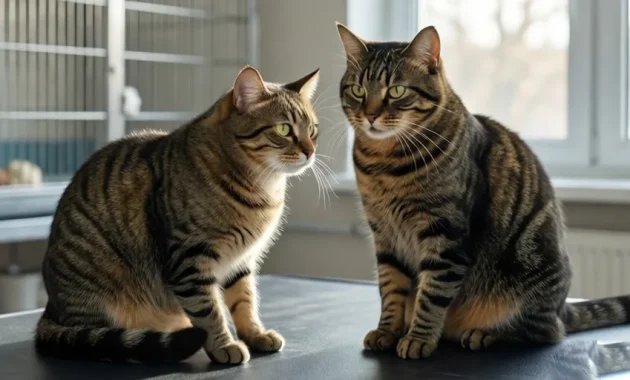
Managing the feline reproductive cycle requires a deep understanding of veterinary science, animal behavior, and careful environmental control. Whether you are a preservation breeder looking to improve a specific pedigree or a dedicated owner choosing to breed your healthy, intact cat instead of pursuing sterilization, success relies on structure. Leaving two cats in a room together without a plan often leads to territorial fighting, severe physical injury, and failed matings.
Cats have evolved with a unique reproductive system. They are induced ovulators, meaning a female cat cannot release eggs for fertilization unless she undergoes the physical stimulus of mating. This biological mechanism requires highly specific behavioral steps to prevent a female's natural territorial defense system from turning into mate aggression.
This comprehensive guide breaks down the science of feline breeding. We will examine the physiological phases of feline estrus, map out the step-by-step introduction process for unfamiliar cats, analyze the mechanics of the mating act, and provide actionable checklists to ensure a safe, successful pregnancy.
Feline Reproductive Physiology: The Mechanics of Heat

Before introducing two cats, you must understand the underlying hormonal and biological shifts that drive feline breeding behavior.
                  [ Feline Estrus Cycle Progression ]
                                   |
     +-----------------------------+-----------------------------+
     |                             |                             |
  [ Proestrus ]               [ Estrus ]                  [ Interestrus ]
  - 1 to 2 Days               - 4 to 10 Days              - 3 to 14 Days
  - Subtle vocal changes      - Active lordosis position  - Resting phase if
  - Increased rubbing behavior - Intense calling (howling)   no mating occurs
Understanding the Estrus Cycle
Female cats (queens) are seasonally polyestrus, meaning they undergo multiple heat cycles during a breeding season unless interrupted by pregnancy or illness.
Proestrus (1–2 Days): The baseline estrogen levels begin to rise. The queen becomes noticeably affectionate, rubbing her head and lips against furniture and her owners to release facial pheromones. She is preparing for mating but will strongly reject any physical advances from a male cat at this stage.
Estrus (4–10 Days): This is the active heat window where the queen is highly receptive to mating. Estrogen levels peak, triggering distinct behavioral changes. She will exhibit vocalizing (loud, rhythmic howling intended to attract males across long distances) and lordosis (crouching low on her forelimbs, arching her spine, pulling her tail to one side, and treading her hind legs).
Interestrus (3–14 Days): If the queen does not mate during estrus, her hormone levels drop, leading to a brief resting phase before the next heat cycle begins.
The Biological Engine: Induced Ovulation
Unlike humans or dogs, who release eggs on a regular, predictable schedule, the queen’s ovaries remain paused during estrus.
The physical act of mating stimulates specialized nerve receptors inside the female reproductive tract. This stimulation signals the brain to release a massive surge of Luteinizing Hormone (LH).
Because a single mating may not release enough LH to trigger ovulation, a queen typically needs to mate multiple times over 24 to 48 hours to guarantee that eggs are successfully released and fertilized.
- Early Indicators of Conception
- 1. What is the best time to breed a female cat?
- 2. What does it mean that cats are induced ovulators?
- 3. How can I tell if my female cat is in heat?
- 4. Should unfamiliar cats be introduced immediately for breeding?
- 5. Why is the female cat usually brought to the male cat's territory?
- 6. How long should cats be allowed to interact before mating?
- 7. Is hissing and growling normal during introductions?
- 8. Why does the male cat bite the female's neck during mating?
- 9. Why does the female cat scream during mating?
- 10. Is aggression after mating normal?
- 11. How many times should cats mate for the best chance of pregnancy?
- 12. What health tests should be performed before breeding?
- 13. Why is body condition important before breeding?
- 14. How soon can pregnancy be detected after mating?
- 15. How long is a cat's pregnancy?
- 16. What are the signs of a successful pregnancy?
- 17. Should pregnant cats receive vaccinations?
- 18. Can indoor cats become stressed during breeding introductions?
- 19. When should the breeding pair be separated?
- 20. What are the most common reasons feline breeding attempts fail?
Pre-Breeding Protocols: Health and Safety Screenings
A successful mating begins long before the cats ever see each other. Both the male (tom) and the queen must undergo thorough veterinary evaluations to ensure they are physically capable of breeding and free from transmissible diseases.
              [ Mandatory Pre-Breeding Screening ]
                               |
       +-----------------------+-----------------------+
       |                                               |
[ Infectious Disease Panel ]                    [ Genetic & Physical Exam ]
- FeLV (Feline Leukemia) Test                   - Echocardiogram (HCM Screening)
- FIV (Feline Immunodeficiency) Test            - Core Vaccine Titer Verification
- PCR Swabs (Chlamydia/Mycoplasma)              - Body Condition Score (BCS) Evaluation
Infectious Disease Testing
Breeding brings cats into close physical contact through saliva, blood, and mating secretions. Both cats must test negative for the following conditions within 30 days of the planned mating:
Feline Leukemia Virus (FeLV) & Feline Immunodeficiency Virus (FIV): These viruses crush the immune system and are easily passed through bites or mating fluids.
Feline Chlamydia & Mycoplasma: These upper respiratory infections can quickly spread to the reproductive tract, causing spontaneous miscarriages, uterine infections (pyometra), or weak, failing newborn litters.
Physical and Genetic Screenings
Cardiomyopathy (HCM) Clearance: Many breeds carry genetic predispositions for Hypertrophic Cardiomyopathy, a silent cardiac condition. Breeders should use an veterinary cardiologist to perform an echocardiogram before mating.
Vaccination Check: Ensure the queen’s core vaccinations (FVRCP) are fully up to date. This ensures she passes strong maternal antibodies through her milk (colostrum) to protect her kittens during their first weeks of life. Live vaccines should never be given to an actively pregnant cat.
Body Condition Scoring (BCS): The queen should hold an ideal body condition score of 5 out of 9. An underweight cat will struggle to support growing fetuses, while an obese cat faces significantly higher risks of difficult births (dystocia) that require emergency C-sections.
The Controlled Introduction Framework for Unfamiliar Pairs
Cats are naturally solitary, highly territorial animals. Introducing a strange cat into a resident cat's space triggers an immediate defensive instinct. To prevent dangerous territorial fights, you must use a slow, step-by-step introduction process.
[ Step 1: Spatial Separation ] ──> [ Step 2: Scent Swapping ] ──> [ Step 3: Controlled Co-Habitation ]
Step 1: Spatial Separation and Visual Contact
Always bring the queen to the tom's territory. A breeding tom needs to feel completely secure and dominant in his environment to perform successfully; moving him to a new location can induce stress, causing his libido to drop.
Dual-Cage Alignment: Place both cats in separate, secure wire crates set a few inches apart. This layout allows them to see, smell, and observe each other without any risk of physical harm.
Monitoring Body Language: Look closely at their initial reactions. Hissing, growling, and flattened ears are completely normal early signs of territorial defense. Do not move forward until these aggressive displays give way to curious sniffing and calm observation.
Step 2: Scent Swapping and Pheromone Desensitization
Felines navigate their social world primarily through scent. You can easily build familiarity between the pair by manually swapping their bedding, toys, or scratching posts. Wiping a soft cloth along the cheek and lip glands of the tom and placing it inside the queen's crate helps her grow accustomed to his unique hormonal signature, paving the way for a much smoother physical introduction.
Step 3: Controlled Co-Habitation (The Teasing Period)
Once the pair shows calm curiosity through the crates, allow them to interact directly in a large, open neutral room or a spacious walk-in breeding pen.
The 3-to-5-Hour Rule: Let the cats roam, play, and explore the space together for 3 to 5 hours under constant, close supervision.
The Teasing Dynamic: After this interaction window closes, separate them back into their individual crates for a few hours. This intentional separation builds anticipation, safely heightening the tom's drive and encouraging the queen to be more receptive when they are reunited.
Analyzing the Mechanics of the Mating Act
The actual mating process follows a highly predictable, instinctual set of behaviors. Recognizing these stages allows you to step in safely if either cat encounters structural difficulties or displays dangerous aggression.
        [ Structural Sequence of Feline Coitus ]
                           │
                           ▼
         [ Courting and Perineal Investigation ]
                           │
                           ▼
         [ The Neck Bite & Immobilization Grip ]
                           │
                           ▼
         [ Pelvic Alignment and Copulation ]
                           │
                           ▼
         [ The After-Reaction & Post-Coital Roll ]
The Step-by-Step Execution
Investigation: The tom slowly approaches the vocalizing queen from behind, carefully sniffing her tail and perineal area to verify her hormonal readiness.
The Neck Bite (Scruffing): The jantan gently but firmly bites down on the loose skin at the back of the female's neck (the scruff). This bite triggers an instinctual immobilization reflex, causing the female to drop low, remain still, and elevate her pelvis (lordosis).
Mounting and Copulation: The tom mounts the female's back, treading his hind legs to align his pelvis with hers. The actual copulation window is incredibly brief, typically lasting between 5 to 15 seconds.
The Cry and Rupture: As penetration happens, the female will emit a loud, piercing shriek. This sharp vocalization is a direct physiological response to the specialized, backward-facing barbs on the male cat's penis. These barbs rake the walls of the reproductive tract as he withdraws, triggering the vital hormonal surge needed for ovulation.
                      [ Post-Coital Management ]
                                  |
    +-----------------------------+-----------------------------+
    |                                                           |
 [ The Aggressive Break ]                        [ The Grooming Cycle ]
 - Female turns violently on male                - Female rolls on back frantically
 - Immediate handler shield ready                 - Thoroughly grooms perineal zone
 - Separate into cooling zones                   - Resets cycle for next mating run
Managing the Post-Coital After-Reaction
The moment the tom dismounts, the handler must step in and monitor the situation closely. The sharp pain from the penile barbs causes a sudden rush of adrenaline, and the female will often turn around and attack the male jantan with claws and teeth.
Provide plenty of escape routes, ledges, or protective boards inside the room so the male can quickly jump out of reach. After the initial outburst settles, the female will enter a frantic rolling phase, flipping across the floor on her back and grooming her hindquarters. Leave her completely alone during this time; trying to touch her while her hormones are peaking can result in severe redirected aggression toward you.
Comprehensive Breeding Management Matrix
This quick-reference matrix summarizes the core phases, behavioral markers, and management actions required at every stage of the feline breeding process.
| Phase Program | Primary Behavioral Markers | Handler Intervention Strategy | Critical Medical / Safety Notes |
| Phase 1: Screening | Cats appear calm, healthy, and in optimal physical condition. | Run comprehensive blood tests and physical exams at least 30 days before mating. | Mandatory: Secure negative FeLV/FIV test results before allowing any physical contact. |
| Phase 2: Introduction | Hissing, defensive posture, cautious tracking through crates. | Set up separate crates side-by-side; swap bedding daily to build scent familiarity. | Never drop an unfamiliar pair directly into an open room together; this triggers intense territorial fighting. |
| Phase 3: Co-Habitation | Queen howls and drops into low crouches; tom responds with chattering and scent tracking. | Open the crates and monitor their face-to-face interactions for a controlled 3–5 hour window. | Keep a thick blanket or wooden shield on hand to safely break up any sudden fights. |
| Phase 4: Copulation | Tom bites the neck scruff; queen shrieks loudly and turns aggressively post-mating. | Stand by quietly; assist with pelvic alignment only if the female is struggling to hold her position. | Ensure the male jantan has a high shelf or escape route to avoid the female's post-mating defensive strike. |
| Phase 5: Repetition | Pairs settle into a routine of calm resting interspersed with repeated matings. | Keep the cats together for 48 hours, allowing them to complete 3 to 4 successful matings per day. | Multiple matings across a two-day window are essential to ensure the release of eggs. |
| Phase 6: Separation | Heat ends; queen becomes highly aggressive and territorial toward the male. | Separate the cats permanently and move the queen back to her regular home environment. | Keeping them together past this window leads to stress, injuries, and failed pregnancies. |
Post-Mating Care: Tracking Pregnancy Success
Once the breeding window closes, move the female back to her familiar home routine. The standard feline gestation period lasts between 63 to 67 days.
[ Day 21: Pink-Up Phenomenon ] ──> [ Day 30: Vet Palpation ] ──> [ Day 45: Radiograph Counting ]
Early Indicators of Conception
The Pink-Up Phenomenon (Day 21): Around the third week of pregnancy, the queen's nipples will swell slightly and turn a deep, vibrant pink color. This is the earliest reliable visual sign of a successful mating.
Veterinary Palpation (Days 25–30): A skilled veterinarian can gently feel the abdomen to locate developing amniotic sacs, which feel like small, distinct beads. Never try to do this yourself, as applying too much pressure can easily damage or misplace developing fetuses.
Diagnostic Radiographs (Day 45+): Once the fetal skeletons begin to calcify around day 45, an X-ray can confirm the exact kitten count. Knowing the exact litter size ahead of time is vital for delivery day, allowing you to know exactly when labor is complete or if a kitten is trapped inside.
By maintaining strict hygiene protocols, keeping a close eye on behavioral cues, and utilizing structured introduction timelines, you can protect your cats from unnecessary stress and physical harm while building a safe, professional breeding environment.
FAQ: Managing Cat Breeding, Heat Cycles, and Successful Feline Mating
1. What is the best time to breed a female cat?
The ideal time to breed a female cat is during the estrus phase (heat cycle), which typically lasts between 4 and 10 days. During this period, the queen becomes receptive to mating and displays behaviors such as vocalizing, rolling, rubbing against objects, and assuming the lordosis position with her tail moved to one side.
2. What does it mean that cats are induced ovulators?
Cats are induced ovulators, meaning they do not release eggs automatically during heat. Instead, the physical stimulation caused by mating triggers the release of luteinizing hormone (LH), which causes ovulation. Multiple matings over a 24–48 hour period are usually required to maximize the chances of successful fertilization.
3. How can I tell if my female cat is in heat?
Common signs include excessive vocalization, increased affection, frequent rubbing against objects, rolling on the floor, restlessness, elevated tail position, and the characteristic lordosis posture. Some queens may also attempt to escape outdoors to find a mate.
4. Should unfamiliar cats be introduced immediately for breeding?
No. Introducing unfamiliar cats directly can lead to aggressive territorial behavior and serious injuries. A structured introduction process involving separation, scent swapping, visual exposure, and supervised interaction is strongly recommended.
5. Why is the female cat usually brought to the male cat's territory?
Breeding males often perform better in familiar surroundings. Relocating the male can create stress, reduce confidence, and negatively affect breeding behavior. Bringing the queen to the tom's environment typically results in higher breeding success.
6. How long should cats be allowed to interact before mating?
A supervised interaction period of approximately 3 to 5 hours is commonly recommended after initial scent and visual introductions. This allows both cats to become comfortable with each other while minimizing territorial aggression.
7. Is hissing and growling normal during introductions?
Yes. Mild hissing, growling, cautious staring, and defensive body language are common during early introductions. These behaviors often decrease as the cats become familiar with each other's scent and presence.
8. Why does the male cat bite the female's neck during mating?
The neck bite, often called scruffing, helps stabilize the female and triggers instinctive mating behaviors. This allows the queen to maintain the proper position for successful copulation.
9. Why does the female cat scream during mating?
Female cats frequently emit a loud vocalization when the male withdraws. This reaction is associated with the specialized penile anatomy of the male, which stimulates the female reproductive tract and helps trigger ovulation.
10. Is aggression after mating normal?
Yes. Many queens become temporarily aggressive immediately after mating due to discomfort and hormonal changes. They may swat, hiss, chase, or attack the male. Providing escape routes and closely supervising the interaction is essential.
11. How many times should cats mate for the best chance of pregnancy?
Most breeding programs aim for multiple successful matings over a 24–48 hour period. Three to four successful matings per day during this timeframe are commonly considered sufficient to trigger ovulation and improve conception rates.
12. What health tests should be performed before breeding?
Both cats should receive comprehensive veterinary examinations, including testing for Feline Leukemia Virus (FeLV), Feline Immunodeficiency Virus (FIV), and other infectious diseases. Breed-specific genetic screenings and cardiac evaluations may also be recommended.
13. Why is body condition important before breeding?
Cats should maintain an ideal body condition score. Underweight cats may struggle to support pregnancy, while overweight cats face increased risks of pregnancy complications, labor difficulties, and reduced fertility.
14. How soon can pregnancy be detected after mating?
The earliest visible sign is often nipple enlargement and color change ("pinking up"), which may occur around day 21. Veterinary palpation is possible around days 25–30, while radiographs can accurately count kittens after approximately day 45.
15. How long is a cat's pregnancy?
The average feline gestation period ranges from 63 to 67 days, although slight variations can occur depending on the individual cat and litter size.
16. What are the signs of a successful pregnancy?
Common indicators include enlarged pink nipples, increased appetite, gradual weight gain, behavioral changes, nesting behavior, and confirmation through veterinary examination.
17. Should pregnant cats receive vaccinations?
Routine vaccinations should ideally be completed before breeding. Vaccinating a pregnant queen is generally avoided unless specifically recommended by a veterinarian due to unique medical circumstances.
18. Can indoor cats become stressed during breeding introductions?
Yes. Environmental changes, unfamiliar animals, loud noises, and excessive handling can elevate stress levels. Maintaining a calm, predictable environment improves breeding success and reduces behavioral problems.
19. When should the breeding pair be separated?
Once the queen is no longer receptive and repeated matings have occurred over the recommended breeding window, the cats should be separated. Prolonged cohabitation often increases stress and the risk of injury.
20. What are the most common reasons feline breeding attempts fail?
Common causes include improper timing of the heat cycle, insufficient mating frequency, stress, poor introductions, infertility, reproductive disease, genetic abnormalities, and inadequate health screening before breeding.