The Definitive Guide to Feline Otic Medicine: Anatomy, Pathophysiology, and Clinical Cleaning Protocols
2 months ago
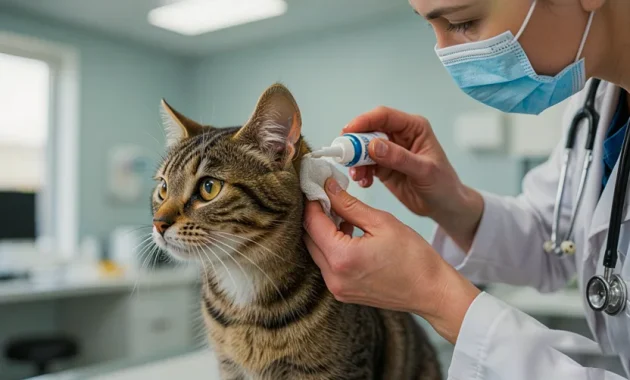
Maintaining otic homeostasis is a foundational aspect of preventative feline medicine. Because a cat's ear canal features a complex, highly specialized anatomy, it is uniquely prone to trapping moisture, cellular debris, and lipid-rich cerumen (earwax).
Left unmanaged, this accumulation alters the local microenvironment, creating an ideal breeding ground for opportunistic bacteria and fungi. For veterinary professionals, shelter caretakers, and dedicated owners, establishing a safe, regular otic hygiene protocol is essential to prevent chronic inflammation, painful infections, and long-term vestibular complications.
The Anatomical Architecture of the Feline Ear
To safely clean and manage a cat's ears, you must first understand the unique anatomical structures that govern their auditory system. The feline ear is divided into three distinct structural zones: the outer, middle, and inner ear.
                    [Anatomy of the Feline Otic Canal]
    Pinna (Ear Flap)
         │
         ▼
    Vertical Canal ──┐
                     │ (Sharp 90-Degree Turn)
                     ▼
                Horizontal Canal ──► Tympanic Membrane (Eardrum)
1. The Pinna and the L-Shaped Ear Canal
The visible portion of the ear consists of the pinna (the upright, trumpet-shaped ear flap), which captures sound waves and funnels them downward into the external auditory meatus.
Unlike the human ear canal, which travels in a relatively straight line, the feline external ear canal is L-shaped. It plunges vertically down the side of the head (vertical canal) before making a sharp, nearly 90-degree turn inward toward the skull (horizontal canal).
2. The Mechanics of Epithelial Migration
Healthy feline ears possess a natural self-cleaning mechanism called epithelial migration. The skin cells lining the ear canal move outward like a slow conveyor belt, carrying wax, dead skin, and small debris from the eardrum up to the outer ear opening.
However, when a cat overproduces earwax due to allergies, dust, or systemic inflammation, this natural conveyor belt breaks down. Debris pools at the junction where the vertical and horizontal canals meet, blocking airflow and trapping heat.
3. The Tympanic Membrane (Eardrum)
At the deepest end of the horizontal canal sits the tympanic membrane, a paper-thin, highly sensitive barrier that separates the external ear canal from the delicate middle ear cavity. This membrane is crucial for hearing and acts as a shield against foreign material.
If this membrane is breached or punctured by foreign objects, aggressive cleaning tools, or severe infections, bacteria can flood the middle ear, leading to irreversible neurological issues or deafness.
- 1. The Pinna and the L-Shaped Ear Canal
- 2. The Mechanics of Epithelial Migration
- 3. The Tympanic Membrane (Eardrum)
- 1. Why is ear cleaning important for cats?
- 2. How often should I clean my cat's ears?
- 3. What does a healthy cat ear look like?
- 4. What are the signs of an ear infection in cats?
- 5. What causes ear mites in cats?
- 6. How can I tell if my cat has ear mites?
- 7. Can I use cotton swabs (Q-tips) inside my cat's ear canal?
- 8. What type of ear cleaner is safe for cats?
- 9. How do I safely clean my cat's ears at home?
- 10. Why does my cat's ear smell bad?
- 11. What is a yeast ear infection in cats?
- 12. What is bacterial otitis externa?
- 13. When should I avoid cleaning my cat's ears at home?
- 14. Can allergies cause ear problems in cats?
- 15. What happens if an ear infection is left untreated?
- 16. Why do cats shake their heads after ear cleaning?
- 17. Can moisture inside the ear cause problems?
- 18. What is an aural hematoma?
- 19. Are ear problems more common in kittens?
- 20. How can I prevent ear infections in my cat?
The Pathophysiology of Otic Diseases
When the natural balance of the ear canal is disrupted, it quickly shifts from a healthy, dry environment into a compromised, inflamed state. Understanding common ear conditions allows you to catch emerging issues before they require intensive medical intervention.
                  [Feline Otic Pathogen Profiles]
                                 │
       ┌─────────────────────────┼─────────────────────────┐
       ▼                         ▼                         ▼
[Otodectes cynotis]       [Malassezia Yeast]        [Bacterial Otitis]
• Microscopic ear mites   • Commensal organism      • Secondary invader
• Coffee-ground debris    • Thick, sweet-smelling wax• Purulent, painful pus
• Intensely pruritic      • Driven by moisture/heat  • High risk of perforation
1. Otodectes cynotis (Feline Ear Mites)
Ear mites are highly contagious, microscopic parasites that live on the surface of the ear canal lining. They feed on shed skin cells and tissue fluids, causing intense irritation and itching.
Clinical Presentation: A mite infestation triggers a violent immune response, causing the ear to produce a characteristic thick, dry, dark brown or black discharge that resembles coffee grounds. Affected cats will scratch frantically at their ears, shake their heads violently, and flatten their ears back against their skull.
Secondary Complications: Constant scratching can rupture blood vessels within the ear flap, causing a painful, fluid-filled swelling known as an aural hematoma that requires surgical drainage.
2. Malassezia Overgrowth (Otic Yeast Infections)
Malassezia pachydermatis is a normal, single-celled yeast resident on healthy feline skin. However, when moisture levels rise—often after a bath or due to built-up wax—this yeast multiplies rapidly.
Symptoms: A yeast infection produces a thick, moist, reddish-brown or golden-brown wax accompanied by a distinct, sweet, or vinegar-like odor. The lining of the ear canal will appear bright pink or red, indicating active inflammation (erythema).
3. Bacterial Otitis Externa
Bacterial ear infections are typically secondary issues. They take hold after an initial irritation—such as an unaddressed mite infestation or food allergies—damages the protective skin barrier inside the ear canal.
Pathogens: Common culprits include Staphylococcus pseudintermedius and, in severe chronic cases, aggressive gram-negative bacteria like Pseudomonas aeruginosa.
Symptoms: Bacterial infections cause severe pain, swelling, and a moist, foul-smelling yellow, green, or bloody discharge. Cats with bacterial infections are often highly sensitive to having their heads touched.
Clinical Triage: Inspection vs. Contraindication
Before applying any liquid solution into a cat's ear canal, you must perform a careful visual check. If certain red flag symptoms are present, home cleaning is strictly contraindicated, and the cat must be evaluated by a veterinarian.
Chapter 4: The Step-by-Step Flush-and-Evacuate Protocol
To clean an L-shaped ear canal safely and effectively, you must use a method that lifts debris out of the ear rather than pushing it deeper inside.
[Secure Patient] ──► [Extend Pinna] ──► [Fill Canal with Fluid] ──► [Massage Base] ──► [Allow Head Shake] ──► [Wipe Debris]
1. Gather the Right Tools
Veterinary-Formulated Ear Cleanser: Use a gentle, alcohol-free ear cleaner with built-in drying agents. Avoid using home remedies like vinegar, hydrogen peroxide, or isopropyl alcohol; these substances are highly acidic or drying and will cause severe pain if the ear tissue is irritated.
Medical Gauze Pads or Clean Cotton Balls: These are used to wipe away loosened wax.
High-Value Treat: Treats help build a positive association with the cleaning process.
2. Restraint and Positioning
Place the cat on a stable surface or in your lap. If the cat is anxious or prone to scratching, wrap them securely in a soft towel with only their head exposed (the "burrito wrap"). Speak in a calm, quiet voice to lower their stress levels.
3.Straightening the Canal
Gently hold the tip of the ear flap (pinna) between your thumb and forefinger and lift it upward and slightly back. This movement straightens out the vertical part of the L-shaped canal, allowing the ear cleaner to flow directly down to the trapped debris at the bottom.
4. Filling and Massaging
Place the nozzle of the ear cleaner bottle at the opening of the ear canal. Do not force the plastic tip deep into the ear. Squeeze the bottle until the liquid fills the canal entirely.
While continuing to hold the ear flap up, use your other hand to grasp the flexible, cartilaginous base of the ear just below the opening. Firmly massage this area for 45 to 60 seconds. You should hear a wet, squelching sound; this indicates the liquid is actively dissolving and breaking apart hardened wax deep inside the horizontal canal.
5. Shaking Out the Debris
Release the cat's head and step back. The cat will immediately shake its head vigorously. This rapid shaking uses centrifugal force to lift the dissolved wax and fluid out of the deep horizontal canal and up into the wide outer ear flap.
6. Wiping and Rewarding
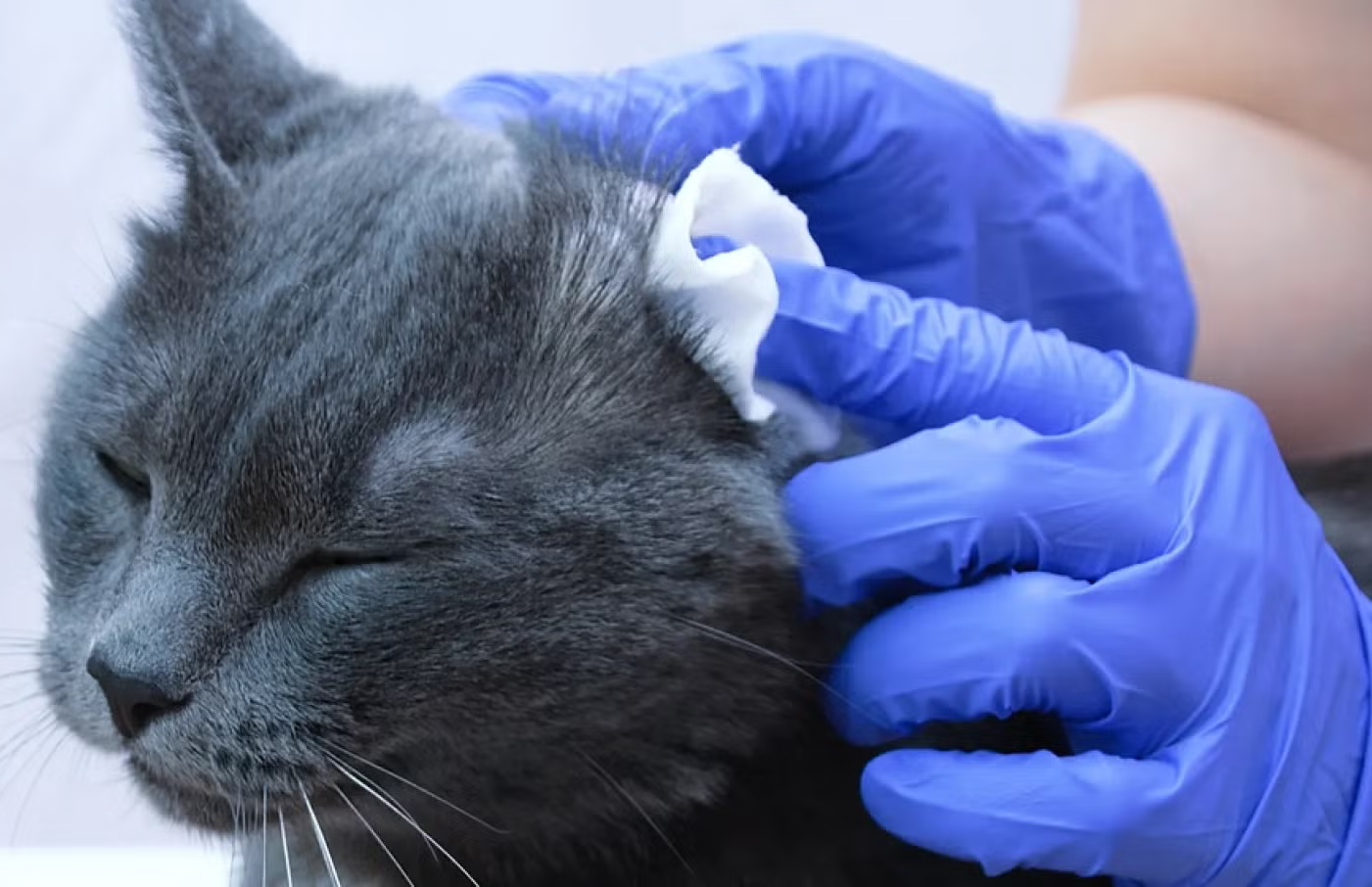
Use a clean cotton ball or gauze pad wrapped around your index finger to wipe away the ejected fluid and loose wax from the visible parts of the ear flap.
Finally, give the cat a high-value treat to reinforce that ear cleanings lead to a positive reward.
THE Q-TIP WARNING: Never insert cotton-tipped swabs (Q-tips) down into the vertical ear canal. Because the canal is narrow, a Q-tip acts like a piston in a cylinder, ramming loose debris back down into the horizontal canal and compacting it firmly against the eardrum. This can cause severe pain, trap infections, or mechanically rupture the tympanic membrane. Only use cotton swabs to clean the tiny folds on the outer ear flap.
Technical Summary
Routine otic care is an effective way to protect a cat's long-term health and comfort. By understanding the unique L-shaped anatomy of the feline ear, choosing gentle, veterinary-approved solutions, and using a patient flush-and-evacuate method, you can prevent painful infections and catch potential health issues early.
FAQ
1. Why is ear cleaning important for cats?
Ear cleaning helps maintain healthy ear canals by removing excess earwax, dead skin cells, moisture, and debris. Without proper hygiene, these materials can accumulate and create an environment where bacteria, yeast, and parasites thrive, increasing the risk of infections, inflammation, and discomfort.
2. How often should I clean my cat's ears?
The frequency depends on your cat's individual needs. Healthy cats with clean ears may only require inspection every few weeks and occasional cleaning. Cats prone to excessive wax buildup, allergies, ear mites, or recurring ear infections may require more frequent cleaning as recommended by a veterinarian.
3. What does a healthy cat ear look like?
A healthy ear should be pale pink, clean, and free from excessive wax, odor, redness, swelling, or discharge. There should be minimal debris inside the visible portion of the ear canal.
4. What are the signs of an ear infection in cats?
Common signs include:
- Frequent head shaking
- Persistent scratching around the ears
- Dark brown, black, yellow, or green discharge
- Strong or unpleasant odor
- Redness and inflammation
- Sensitivity when touched
- Loss of balance in severe cases
- Tilting the head to one side
5. What causes ear mites in cats?
Ear mites are caused by the parasite Otodectes cynotis. They spread easily through direct contact with infected cats and are especially common in kittens, shelters, and multi-cat households.
6. How can I tell if my cat has ear mites?
Ear mites typically produce a dry, dark brown or black discharge that resembles coffee grounds. Cats often scratch their ears intensely, shake their heads frequently, and may develop irritation or wounds around the ears.
7. Can I use cotton swabs (Q-tips) inside my cat's ear canal?
No. Cotton swabs should never be inserted into the ear canal. They can push debris deeper into the ear, damage the ear canal, cause pain, or even rupture the eardrum. Only use them on the outer folds of the ear if necessary.
8. What type of ear cleaner is safe for cats?
Use a veterinary-approved, alcohol-free ear cleaner specifically formulated for cats. Avoid household products such as hydrogen peroxide, vinegar, rubbing alcohol, or essential oils unless specifically prescribed by a veterinarian.
9. How do I safely clean my cat's ears at home?
Follow these steps:
- Gently restrain your cat.
- Lift the ear flap upward.
- Fill the ear canal with a veterinarian-approved ear cleaner.
- Massage the base of the ear for 45–60 seconds.
- Allow your cat to shake its head.
- Wipe away loosened debris using gauze or a cotton ball.
- Reward your cat with treats.
10. Why does my cat's ear smell bad?
A strong odor often indicates an underlying issue such as:
- Yeast overgrowth
- Bacterial infection
- Excessive wax accumulation
- Ear mites
- Chronic inflammation
A veterinary examination is recommended if an odor is present.
11. What is a yeast ear infection in cats?
A yeast infection occurs when organisms such as Malassezia pachydermatis multiply excessively within the ear canal. Symptoms include reddish-brown wax, inflammation, itching, and a sweet or musty smell.
12. What is bacterial otitis externa?
Bacterial otitis externa is an infection of the outer ear canal. It often develops after irritation from ear mites, allergies, moisture buildup, or previous infections. Symptoms include pain, swelling, redness, and yellow, green, or bloody discharge.
13. When should I avoid cleaning my cat's ears at home?
Do not attempt home cleaning if your cat has:
- Severe pain
- Heavy bleeding
- Large amounts of pus
- Significant swelling
- Balance problems
- Head tilt
- Suspected eardrum rupture
- Neurological symptoms
Seek veterinary care immediately.
14. Can allergies cause ear problems in cats?
Yes. Food allergies and environmental allergies can increase inflammation within the ear canal, leading to excessive wax production, chronic irritation, and secondary infections.
15. What happens if an ear infection is left untreated?
Untreated ear infections can spread deeper into the middle and inner ear. Complications may include:
- Chronic pain
- Hearing loss
- Vestibular disease
- Facial nerve paralysis
- Permanent neurological damage
16. Why do cats shake their heads after ear cleaning?
Head shaking is a natural response that helps remove loosened wax, debris, and excess cleaning solution from the deep portions of the ear canal.
17. Can moisture inside the ear cause problems?
Yes. Excess moisture creates an ideal environment for yeast and bacterial growth. This is why drying agents are commonly included in veterinary ear-cleaning solutions.
18. What is an aural hematoma?
An aural hematoma occurs when blood vessels inside the ear flap rupture due to excessive scratching or head shaking. The ear flap fills with blood and becomes swollen. Veterinary treatment is often required.
19. Are ear problems more common in kittens?
Yes. Kittens are more susceptible to ear mites and infections because of their immature immune systems and increased exposure in shelters, rescues, and multi-pet environments.
20. How can I prevent ear infections in my cat?
Preventative measures include:
- Regular ear inspections
- Routine cleaning when necessary
- Prompt treatment of ear mites
- Managing allergies
- Keeping ears dry
- Scheduling regular veterinary examinations
- Monitoring for early signs of irritation or discharge