The Grand Compendium of Feline Dynamics: A Master Guide to Psychology, Metabolic Nutrition, and Behavioral Engineering
2 weeks ago
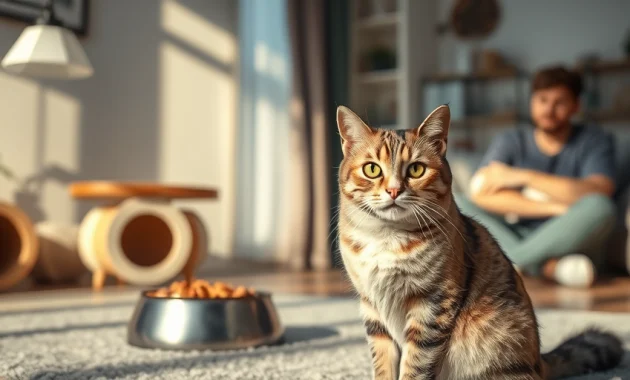
To truly understand the domestic cat (Felis catus), one must step away from anthropomorphic assumptions and view them through a lens of evolutionary biology, neurochemistry, and metabolic architecture.
This master guide serves as an exhaustive, clinical-grade blueprint for blog publishers, veterinarians, and dedicated caregivers. It synthesizes the three pillars of feline wellness: behavioral psychology, metabolic nutrition, and environmental conditioning.
The Neurobiology of Feline Temperament
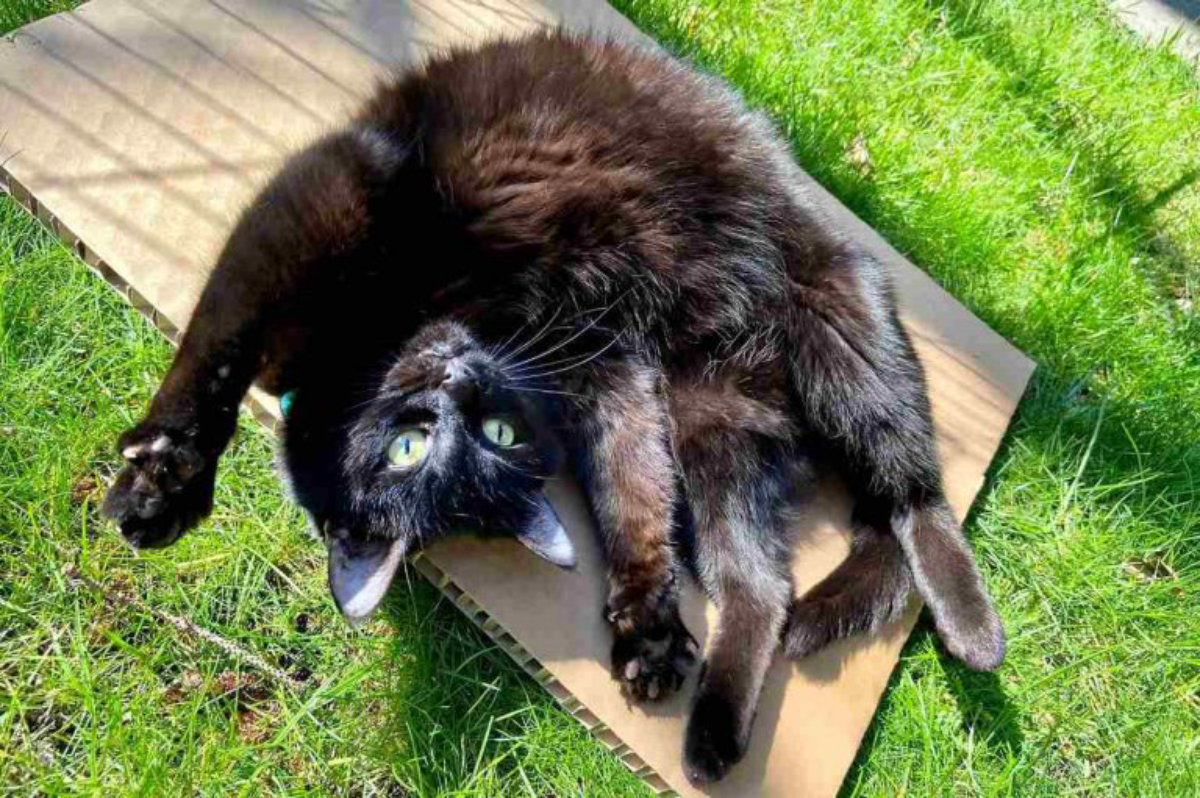
Feline personality is not a collection of random quirks; it is an algorithmic baseline shaped by the intersection of behavioral genetics, neurobiology, and early developmental conditioning.
[OXTR Gene + Ancestral Lineage] ──► Baseline Fear/Sociability Threshold
                                              │
                                              ▼
[Critical Socialization (2–7 Weeks)] ──► Epigenetic Expression Shift
                                              │
                                              ▼
[Adult Feline Personality Type] ──► Dictates Environmental Enrichment Needs
The Genetic Foundation: The OXTR Gene
The Oxytocin Receptor Gene (OXTR) modulates a cat’s capacity for attachment, human sociability, and territorial aggression. Feral lineages preserve high amygdala-driven vigilance, whereas domestic lineages exhibit lower baseline neophobia (fear of the new).
The Critical Developmental Window
The feline socialization window occurs between 2 and 7 weeks of age. Positive tactile, acoustic, and interspecies exposure during this phase permanently alters how the brain processes novel stimuli, converting potential threat triggers into neutral or positive associations.
- 1. What is the main purpose of this feline master guide?
- 2. Why is it important to understand cats beyond human assumptions?
- 3. What are the three major pillars of feline wellness discussed in this guide?
- 4. Is feline personality random, or is it shaped by biology?
- 5. What role does genetics play in feline temperament?
- 6. What is the OXTR gene, and why is it mentioned in cat behavior?
- 7. What is the critical socialization period in kittens?
- 8. Why is the kitten socialization window so important?
- 9. Can an under-socialized adult cat still improve?
- 10. What are the five feline personality types described in this guide?
- 11. What is a “Human Cat” personality?
- 12. What is an “Inquisitive Cat” personality?
- 13. What is a “Hunter Cat” personality?
- 14. What is a “Cantankerous Cat” personality?
- 15. What is a “Cat’s Cat” personality?
- 16. Can one cat fit more than one personality type?
- 17. Why is understanding a cat’s personality useful?
- 18. What is feline inappetence?
- 19. Why is loss of appetite in cats considered dangerous?
- 20. What is hepatic lipidosis?
- 21. How quickly can hepatic lipidosis develop in a cat that stops eating?
- 22. Why are cats so vulnerable to fasting compared with some other animals?
- 23. What are common reasons a cat may stop eating?
- 24. Is it safe to “wait it out” if a cat refuses food?
- 25. Why do some owners offer rice to a sick or inappetent cat?
- 26. Why is rice not a good recovery food for cats?
- 27. Can rice cause digestive upset in cats?
- 28. If rice is not appropriate, what kind of food is better for an inappetent cat?
- 29. Why is protein so important for cats?
- 30. What is a limited ingredient diet (LID) for cats?
- 31. Why are limited ingredient diets often recommended for sensitive cats?
- 32. Why does the guide emphasize nutrient density in therapeutic cat foods?
- 33. Why are meat meals mentioned as useful in cat food?
- 34. Is fresh meat always better than meat meal in cat food?
- 35. What nutrient levels are emphasized in the guide for a strong feline diet?
- 36. Why is taurine so important for cats?
- 37. What is the role of fat in a cat’s diet?
- 38. Why is appetite in cats so strongly linked to smell?
- 39. What is the first step in socializing a fearful or aggressive cat?
- 40. What is a sanctuary room for a fearful cat?
- 41. Why should fearful cats be given enclosed hiding spots?
- 42. Should I force a fearful cat to come out and interact?
- 43. What is the “slow blink” and why is it useful?
- 44. Why should I avoid direct staring at a fearful cat?
- 45. How does scent help socialize a nervous cat?
- 46. Why is calm talking recommended during socialization?
- 47. Why is food one of the most effective tools in cat socialization?
- 48. What is high-value counter-conditioning for cats?
- 49. When should physical touch be introduced to a fearful cat?
- 50. What are the safest first areas to pet a cat during socialization?
- 51. Which body areas should be avoided at first?
- 52. Why is forcing touch or holding harmful for fearful cats?
- 53. Can play help a fearful cat become more confident?
- 54. Why is the “hunt sequence” important in cat enrichment?
- 55. What signs suggest a cat is becoming overstimulated during interaction?
- 56. What should I do if a cat hisses or growls at me?
- 57. What does flattened ears and a crouched posture mean?
- 58. What does rapid tail flicking or skin rippling mean?
- 59. What does bunting or cheek rubbing on a person mean?
- 60. Can pheromone diffusers help fearful cats?
- 61. When should a veterinarian be involved in a fearful or behaviorally difficult cat case?
- 62. Can medical issues cause aggression, withdrawal, or appetite loss?
- 63. Are medications ever used to help fearful cats?
- 64. What is the biggest mistake people make with cats in general?
- 65. What is the overall lesson of this complete feline guide?
The Five Feline Personality Spectrum (The Finka Framework)
Based on validated behavioral assessments established by animal welfare scientists, domestic cats project along a five-point personality spectrum:
                  [Feline Temperament Spectrum]
                                │
   ┌──────────────┼─────────────┼──────────────┬──────────────┐
   ▼              ▼             ▼              ▼              ▼
[Human]     [Inquisitive]    [Hunter]    [Cantankerous]    [Cat's]
  Cat            Cat           Cat            Cat           Cat
Behavioral Markers: High proximity-seeking behavior, frequent allogrooming (licking humans), kneading, and vocal responsiveness.
Clinical Need: High daily social interaction. These cats are prone to separation anxiety if isolated for extended periods.
2. The Inquisitive Cat (High Exploratory Drive)
Behavioral Markers: Active environmental scanning, frequent investigation of novel scents, and high object manipulation.
Clinical Need: Dynamic sensory enrichment. Without environmental complexity, they quickly develop frustration-driven stereotypic behaviors like over-grooming.
3. The Hunter Cat (High Predatory Motor Patterns)
Behavioral Markers: Intense focus on movement, stalking posture, and frequent redirection of predatory drives onto toys, insects, or human ankles.
Clinical Need: Outlets for the full predatory sequence:
$$\text{Stalk} \longrightarrow \text{Chase} \longrightarrow \text{Pounce} \longrightarrow \text{Catch} \longrightarrow \text{Bite}$$
4. The Cantankerous Cat (High Tactile Sensitivity / Hyper-Vigilant)
Behavioral Markers: Low tolerance for handling, rapid overstimulation (tail flicking, skin rippling), and a high preference for independent territory control.
Clinical Need: Strict boundary management. Interaction must occur purely on the feline's terms to prevent defense-driven aggression.
5. The Cat’s Cat (High Conspecific Tolerance)
Behavioral Markers: Affinity for other felines, sharing communal micro-spaces, mutual grooming, and synchronized sleeping patterns.
Clinical Need: Stable conspecific relationships. They function best in multi-cat environments with well-socialized companions.
Pathophysiology of Feline Inappetence
When a cat experiences acute or chronic loss of appetite (inappetence or anorexia), immediate metabolic crises are triggered. Unlike omnivores, cats cannot handle prolonged fasting safely.
                 [Anorexia / Inappetence > 24-48 Hours]
                                   │
                                   ▼
              [Massive Mobilization of Peripheral Fat]
                                   │
                                   ▼
                 [Overwhelming Triglyceride Influx]
                                   │
                                   ▼
        [Hepatic Dysfunction / Intrahepatic Cholestasis / Death]
The Mechanism of Hepatic Lipidosis
When a cat goes without food for more than 24 to 48 hours, its metabolic system enters an emergency survival mode. Lacking dietary protein and lipids, the body mobilizes stored fat reserves from around the abdomen and skin, sending them directly to the liver to be processed into energy.
However, the feline liver cannot process large, sudden influxes of lipids. Without high concentrations of specific animal-derived proteins to package and export these fats, triglycerides accumulate within the hepatocytes, causing massive organ swelling, liver failure, and potentially death.
The Myth of Carbohydrate Recovery: Why Rice Fails
Faced with an inappetent cat, owners often offer boiled white or brown rice. From a feline metabolic perspective, this practice is highly counterproductive.
Enzymatic Deficits: Cats do not produce salivary amylase, and they express minimal hepatic glucokinase activity. They cannot efficiently break down or process complex starches into usable energy.
Gastrointestinal Distress: Undigested rice carbohydrates pass directly into the large intestine, causing osmotic fluid shifts and bacterial fermentation. This results in watery diarrhea, painful gas, and bloating, which further suppresses the cat's desire to eat.
Clinical Nutrition & Elimination Diet Criteria
To support an inappetent cat or one suffering from chronic food sensitivities, the diet must be stripped of antigenic complexity while retaining extreme nutrient density.
Evaluating Single-Source Proteins: The Power of Meat Meals
When looking at limited ingredient diets (LID), raw or fresh meat ingredients lose up to $70\%$ of their volume as water during processing. Dehydrated, pre-rendered proteins like Chicken Meal provide nearly $4\times$ the amino acid density of fresh meat per unit mass.
Purified Lipids vs. Protein Allergies
True food allergies are caused by structural glycoproteins within an ingredient. Highly refined fats, such as pure Chicken Fat, contain no protein macromolecules. Therefore, they will not trigger an allergic reaction or cross-react in patients with a diagnosed protein allergy.
A highly effective therapeutic or maintenance diet should meet or exceed these strict nutritional parameters:
| Nutrient Component | Target Threshold (Dry Matter) | Clinical / Physiological Purpose |
| Crude Protein | $\ge 36.0\%$ | Preserves lean muscle mass; fuels continuous gluconeogenesis. |
| Crude Fat | $\ge 16.0\%$ | Supplies essential fatty acids; maximizes caloric density. |
| Crude Fiber | $\le 4.0\%$ | Regulates GI transit times without diluting caloric intake. |
| Taurine | $\ge 0.2\%$ | Prevents Dilated Cardiomyopathy ($DCM$) and retinal degeneration. |
| Ash Matrix | $\le 10.0\%$ | Balanced Calcium-to-Phosphorus ratio ($1.25:1$) for skeletal safety. |
Transforming a fearful, aggressive, or untouchable cat into a well-adjusted companion requires a systematic approach that lowers cortisol and builds positive neural associations.
[Sanctuary Room] ──► [Passive Presence] ──► [Scent Association] ──► [High-Value Feeding] ──► [Targeted Touch]
Phase 1: Establish a Secure Micro-Territory
Isolate the cat in a small, predictable room. Provide enclosed hiding spaces like cardboard boxes or cat caves. This allows the cat to hide completely while safely observing its surroundings.
Phase 2: Passive Presence and the Slow Blink
Sit or lie on the floor near the cat's safe zone to lower your physical profile. Avoid direct eye contact, which is interpreted as a predatory threat. Instead, look away and use intermittent, prolonged blinks (the "slow blink") to signal peaceful intentions.
Phase 3: Auditory and Olfactory Habituation
Leave an article of your recently worn clothing near the cat's bedding so it can investigate your scent safely. Speak in a low, monotone, and rhythmic voice to help the cat habituate to your vocal signature.
Phase 4: High-Value Counter-Conditioning
Deliver highly aromatic, premium dry kibble or wet food exclusively when you are in the room. The intense protein aroma stimulates the cat's olfactory receptors, releasing dopamine and pairing your presence with a vital survival reward.
Phase 5: Targeted Tactile Conditioning
Once the cat approaches you voluntarily for food, introduce light touch focused only on the areas containing high concentrations of scent glands: the corners of the mouth, the chin, and the base of the ears. Avoid the sensitive abdomen, flanks, and tail base.
Advanced Environmental and Clinical Stabilizers
When standard behavioral modifications hit a plateau, targeted environmental and medical therapies can help move progress forward.
Synthetic Feline Facial Pheromones: Diffusing synthetic analogs of the feline facial pheromone fraction F3 stimulates the cat's vomeronasal organ. This sends a direct calming signal to the brain, reducing territorial stress and anxiety.
Veterinary Intervention: Chronic anxiety or sudden behavioral shifts can stem from hidden physical pain, such as dental disease, joint inflammation, or idiopathic cystitis ($FIC$). A veterinarian can run complete diagnostic blood panels and, if necessary, prescribe short-term behavioral medications like Gabapentin to ease the cat's fear during the socialization process.
Master Troubleshooting and Behavioral Response Map
| Feline Presentation | Root Neurobehavioral Trigger | Correct Interactive Response | Immediate Action to Avoid |
| Hissing, growling, open-mouth warnings | High fear; defensive warning barrier. | Freeze completely; break eye contact; slowly step back. | Moving closer; shouting; attempting to touch. |
| Flattened ears, crouched posture, dilated pupils | Preparing for defensive physical conflict. | Retract your hands; step back; offer a physical hiding box. | Cornering the animal; using a towel forcibly. |
| Rapid tail flicking, skin rippling, ear twitching | High emotional conflict or sensory overload. | Immediately cease play or touch; allow the cat to walk away. | Continuing to pet; forcing a lap hold. |
| Voluntary bunting (rubbing cheeks on human) | Scent marking; acceptance of the human. | Remain completely still; allow the cat to direct the touch. | Making sudden movements; loud vocalizations. |
1. What is the main purpose of this feline master guide?
This guide is designed to explain the domestic cat through three major lenses: behavioral psychology, metabolic nutrition, and environmental conditioning. Instead of viewing cats through human emotions alone, it approaches feline care from a more structured perspective—covering temperament, appetite problems, nutrition strategies, and the safest way to socialize fearful or defensive cats.
2. Why is it important to understand cats beyond human assumptions?
Cats do not interpret the world the way humans do. Behaviors like hiding, hissing, food refusal, swatting, or avoiding touch are often rooted in instinct, neurobiology, survival strategies, and learned experiences, not “bad attitude” or stubbornness. Understanding feline behavior biologically helps owners respond more effectively and compassionately.
3. What are the three major pillars of feline wellness discussed in this guide?
The guide focuses on:
- Behavioral psychology – how a cat’s temperament, fear responses, and social preferences develop
- Metabolic nutrition – how cats process food, why appetite loss is dangerous, and what diets support health
- Environmental conditioning – how surroundings, routine, scent, territory, and interaction style affect stress and trust
4. Is feline personality random, or is it shaped by biology?
Feline personality is not random. It is influenced by a combination of:
- Genetics
- Early socialization
- Environmental exposure
- Stress history
- Species-specific instincts
- Ongoing learning and reinforcement
A cat’s “personality” is often the visible outcome of its baseline temperament plus its life experiences.
5. What role does genetics play in feline temperament?
Genetics can influence a cat’s natural tendency toward sociability, caution, curiosity, or reactivity. Some cats are born more outgoing and tolerant, while others are naturally more sensitive or vigilant. Genetic influences do not determine everything, but they can strongly shape a cat’s default emotional style and threshold for fear or trust.
6. What is the OXTR gene, and why is it mentioned in cat behavior?
The OXTR gene refers to the oxytocin receptor gene, which is associated in many species with social bonding, affiliative behavior, and emotional regulation. In the context of feline behavior, it is discussed as part of the biological foundation that may influence how easily a cat forms attachments, tolerates social interaction, or reacts to stress.
The most important socialization window for kittens is typically between 2 and 7 weeks of age. During this period, positive exposure to humans, handling, sounds, environments, and normal household experiences can have a lasting effect on how the cat responds to novelty and social interaction later in life.
Experiences during this stage help shape how the cat’s brain interprets unfamiliar people, touch, sounds, and environments. Kittens that receive gentle, positive exposure during this window are often more comfortable with humans as adults. Kittens that miss this period may become much more cautious, avoidant, or defensive later in life.
Yes. Adult cats can still learn, adapt, and become more trusting, but progress is often slower than it would be in a well-socialized kitten. Improvement usually requires a calm environment, predictable routines, patient handling, and positive reinforcement over time.
10. What are the five feline personality types described in this guide?
The guide outlines five broad personality categories:
- The Human Cat – highly social and people-oriented
- The Inquisitive Cat – curious, exploratory, and mentally active
- The Hunter Cat – strongly driven by movement and prey-style play
- The Cantankerous Cat – highly sensitive, easily overstimulated, and protective of personal space
- The Cat’s Cat – highly comfortable with other cats and often thrives in feline companionship
These are not rigid labels, but useful frameworks for understanding different behavior patterns and enrichment needs.
11. What is a “Human Cat” personality?
A Human Cat is typically very social with people and may show:
- Strong proximity-seeking behavior
- Kneading
- Vocal responsiveness
- Affectionate rubbing or grooming behavior
- Desire for frequent attention
These cats often thrive on human companionship and may struggle more with loneliness or long periods of isolation.
12. What is an “Inquisitive Cat” personality?
An Inquisitive Cat is highly curious and mentally engaged. These cats often:
- Explore new objects and spaces
- Investigate smells and sounds
- Watch activity closely
- Manipulate items with paws
- Become bored if the environment is too static
They often benefit from puzzle feeders, climbing spaces, changing enrichment, and interactive play.
13. What is a “Hunter Cat” personality?
A Hunter Cat has a strong prey drive and is especially motivated by motion and chase behavior. These cats often:
- Stalk moving objects
- Chase toys intensely
- Ambush feet or ankles
- Focus strongly on birds, insects, or moving shadows
They need frequent opportunities to complete a play sequence that mimics stalking, chasing, pouncing, and catching.
14. What is a “Cantankerous Cat” personality?
A Cantankerous Cat is often highly sensitive, independent, and easily overstimulated. These cats may:
- Dislike prolonged handling
- Become irritated by too much petting
- Guard their personal space
- Show tail flicking or skin rippling quickly
- Prefer to control the timing of interactions
They often do best when their boundaries are respected consistently.
15. What is a “Cat’s Cat” personality?
A Cat’s Cat is typically very comfortable with other felines and may enjoy:
- Sleeping near other cats
- Mutual grooming
- Sharing resting spaces
- Social routines with other cats
These cats may do especially well in homes with compatible feline companions, assuming introductions are handled properly.
16. Can one cat fit more than one personality type?
Yes. Many cats show a mix of traits. For example, a cat might be highly social with people but also strongly driven by hunting play, or highly inquisitive while still being selective about touch. Personality categories are best used as a guide, not a rigid diagnosis.
17. Why is understanding a cat’s personality useful?
Because it helps you tailor the cat’s care. Different cats need different things:
- A Human Cat may need more daily companionship
- A Hunter Cat may need intense play outlets
- A Cantankerous Cat may need more physical boundaries
- An Inquisitive Cat may need a more stimulating environment
- A Cat’s Cat may benefit from compatible feline company
Matching care to temperament reduces stress and behavior problems.
18. What is feline inappetence?
Inappetence means a reduced desire to eat. It can range from mild appetite loss to complete food refusal. In cats, this is especially serious because they are metabolically vulnerable to complications when they do not consume enough calories, particularly for more than a day or two.
19. Why is loss of appetite in cats considered dangerous?
Cats are not well designed to tolerate prolonged fasting. When they stop eating, their bodies quickly begin mobilizing stored fat for energy. If this continues, the liver can become overwhelmed, leading to hepatic lipidosis, a potentially life-threatening condition.
20. What is hepatic lipidosis?
Hepatic lipidosis, often called fatty liver syndrome, occurs when a cat stops eating and large amounts of fat are mobilized into the liver. The liver may not be able to process and export that fat efficiently, causing fat to accumulate inside liver cells. This can impair liver function and become a medical emergency.
21. How quickly can hepatic lipidosis develop in a cat that stops eating?
It can become a serious concern after 24 to 48 hours of significant food refusal, especially in overweight cats or cats with underlying illness. Because of this, appetite loss in cats should never be treated casually.
22. Why are cats so vulnerable to fasting compared with some other animals?
Cats are obligate carnivores with a unique metabolism that depends heavily on regular intake of protein and fat from animal sources. Their bodies are less flexible than those of omnivores when it comes to prolonged fasting, especially during illness or stress.
23. What are common reasons a cat may stop eating?
A cat may lose its appetite due to:
- Dental pain
- Nausea
- Kidney disease
- Pancreatitis
- Gastrointestinal disease
- Upper respiratory infection
- Stress or fear
- Food aversion
- Pain from injury or arthritis
- Liver disease
- Medication side effects
A sudden appetite change should always be taken seriously.
24. Is it safe to “wait it out” if a cat refuses food?
No, not for long. A cat that has not eaten properly for a day or more may already be entering a risky metabolic state. If appetite loss is significant or persistent, veterinary attention is important.
25. Why do some owners offer rice to a sick or inappetent cat?
Many people are familiar with bland diets used in human digestive upset, so they assume rice may help settle a cat’s stomach or provide easy calories. However, cats are not nutritionally comparable to humans, and rice is not an ideal recovery food for an inappetent feline.
26. Why is rice not a good recovery food for cats?
Cats are obligate carnivores and are not designed to rely on carbohydrate-heavy foods. Rice does not provide the high-quality animal protein, taurine, and species-appropriate nutrient profile a cat needs—especially when sick, stressed, or not eating well.
27. Can rice cause digestive upset in cats?
It can in some cases. Because cats are not efficient carbohydrate processors compared with omnivores, a large amount of rice may contribute to:
- Poor digestive tolerance
- Loose stool
- Gas
- Bloating
- Reduced interest in food if it worsens discomfort
28. If rice is not appropriate, what kind of food is better for an inappetent cat?
Cats with poor appetite usually need highly palatable, protein-rich, species-appropriate foods, often with strong aroma and soft texture. Depending on the situation, this may include:
- High-quality wet cat food
- Recovery diets recommended by a veterinarian
- Limited ingredient diets if food sensitivity is suspected
- Appetite stimulants or assisted feeding under veterinary guidance
29. Why is protein so important for cats?
Cats depend heavily on animal protein for:
- Muscle maintenance
- Energy metabolism
- Tissue repair
- Production of key amino acids and body compounds
- Liver function and glucose generation through gluconeogenesis
Protein is not optional in the feline diet—it is central to survival and health.
30. What is a limited ingredient diet (LID) for cats?
A limited ingredient diet is a food designed with a smaller number of core ingredients, often using one primary animal protein source and fewer extras. LIDs are commonly used when owners or veterinarians want to reduce dietary complexity for cats with suspected food sensitivities or digestive issues.
31. Why are limited ingredient diets often recommended for sensitive cats?
They can be helpful because they reduce the number of potential triggers in the diet. If a cat has vomiting, diarrhea, itchy skin, or suspected food intolerance, simplifying the ingredient list can make it easier to identify whether food may be contributing to the problem.
32. Why does the guide emphasize nutrient density in therapeutic cat foods?
When a cat is eating less than normal, every bite matters. A therapeutic or maintenance diet for a sensitive or recovering cat should provide enough:
- Animal protein
- Fat for calories and palatability
- Essential amino acids such as taurine
- Balanced minerals
- Digestive tolerance
Nutrient density becomes especially important when total intake is reduced.
33. Why are meat meals mentioned as useful in cat food?
Meat meals, such as chicken meal, are dehydrated protein sources. Because most of the water has already been removed, they provide a concentrated source of protein in dry food. This can be useful in kibble formulas where a high amount of animal protein is desired without relying entirely on fresh meat.
34. Is fresh meat always better than meat meal in cat food?
Not automatically. Fresh meat can be an excellent ingredient, but it contains a lot of water. Once that moisture is removed during processing, the actual protein contribution may be lower than people expect. A well-made meat meal can be a concentrated and practical protein source in dry cat food.
35. What nutrient levels are emphasized in the guide for a strong feline diet?
The guide highlights a profile centered around:
- High protein
- Moderate to high fat
- Controlled fiber
- Adequate taurine
- Balanced mineral content
The overall idea is to support muscle, metabolism, organ function, and long-term maintenance while avoiding unnecessary filler and excessive dietary complexity.
36. Why is taurine so important for cats?
Taurine is an essential amino acid for cats. They cannot make enough on their own, so it must come from the diet. Taurine supports:
- Heart function
- Vision
- Reproductive health
- Nervous system function
- Normal bile metabolism
A taurine-deficient diet can lead to serious health consequences.
37. What is the role of fat in a cat’s diet?
Fat provides:
- Concentrated calories
- Essential fatty acids
- Flavor and aroma that improve food acceptance
- Support for skin, coat, and cell function
For inappetent cats, palatable fat can help make food more appealing while also increasing calorie intake.
38. Why is appetite in cats so strongly linked to smell?
Cats rely heavily on scent to evaluate food. If a cat cannot smell well due to stress, congestion, or illness, appetite often drops. This is why warming wet food slightly or offering strongly aromatic foods can sometimes help encourage eating.
The first step is to create a safe, predictable sanctuary space. A frightened cat should not be pressured into social interaction immediately. A quiet room with food, water, litter, soft bedding, and safe hiding places helps lower stress and creates a stable base for trust-building.
40. What is a sanctuary room for a fearful cat?
A sanctuary room is a small, low-stress room used as the cat’s temporary safe zone. It should include:
- A litter box
- Fresh water
- Meals on a consistent schedule
- Hiding options like boxes or caves
- Soft bedding
- Low noise and minimal traffic
This environment helps the cat decompress and observe without feeling exposed.
41. Why should fearful cats be given enclosed hiding spots?
Hiding is a natural coping strategy. Enclosed spaces let the cat feel protected while still being able to monitor the environment. Hiding options often reduce stress more effectively than leaving a cat in an open room with nowhere to retreat.
42. Should I force a fearful cat to come out and interact?
No. Forcing interaction usually increases fear and delays progress. Socialization works best when the cat is allowed to approach voluntarily and learns that human presence does not lead to trapping, grabbing, or unwanted touch.
43. What is the “slow blink” and why is it useful?
A slow blink is a calm, deliberate blink given without staring aggressively. In cat-human interaction, it can function as a non-threatening signal. It helps soften your presence and may encourage a cautious cat to feel safer.
44. Why should I avoid direct staring at a fearful cat?
A direct prolonged stare can feel threatening to a nervous cat. Looking slightly away, softening your face, and blinking slowly makes you appear less intense and less predatory.
Cats process the world heavily through smell. Leaving a recently worn shirt or soft item near the cat allows the cat to investigate your scent without physical pressure. This helps create familiarity and reduce novelty-related stress.
A soft, predictable voice helps the cat learn your sound and presence in a non-threatening context. Quiet talking, reading, or simply sitting in the room can become part of a stable routine that teaches the cat you are safe.
Food creates powerful positive associations. When a cat consistently receives highly valued food in your presence, your presence starts to predict something beneficial and safe. This is one of the most effective forms of counter-conditioning.
48. What is high-value counter-conditioning for cats?
High-value counter-conditioning means pairing your presence with something the cat strongly wants—usually very palatable food. The goal is to shift the cat’s emotional response from fear or suspicion to anticipation of a positive outcome.
49. When should physical touch be introduced to a fearful cat?
Touch should only be introduced once the cat is voluntarily approaching, eating comfortably near you, and showing relaxed body language. Physical contact should begin slowly and be limited to areas the cat is most likely to tolerate.
Common low-risk areas include:
- Cheeks
- Chin
- Forehead
- Base of the ears
These areas are often associated with scent glands and social contact.
51. Which body areas should be avoided at first?
Avoid sensitive areas unless the cat clearly invites or tolerates it:
- Belly
- Flanks
- Base of the tail
- Rear body
- Paws
These areas can trigger defensive reactions or overstimulation in sensitive cats.
52. Why is forcing touch or holding harmful for fearful cats?
Forced handling removes the cat’s sense of control and can activate a strong fight, flight, or freeze response. Even if the cat becomes still, it may not be calm—it may be overwhelmed. This can damage trust and worsen fear-based aggression.
53. Can play help a fearful cat become more confident?
Yes. Distance-based interactive play is often one of the best confidence-building tools. Wand toys and prey-style movement let the cat engage in natural hunting behavior without direct physical contact, which can reduce tension and build positive emotional energy.
54. Why is the “hunt sequence” important in cat enrichment?
Cats are natural predators, and many feel emotionally better when they can perform the sequence of:
stalk → chase → pounce → catch
Play that taps into this instinct can reduce frustration, improve confidence, and give high-energy cats an appropriate outlet.
55. What signs suggest a cat is becoming overstimulated during interaction?
Common signs include:
- Rapid tail flicking
- Skin twitching or rippling
- Ear twitching backward
- Sudden turning toward your hand
- Body tension
- Walking away abruptly
These signals mean it is time to stop petting or playing and give the cat space.
56. What should I do if a cat hisses or growls at me?
Stop advancing, avoid punishment, and give the cat space. Hissing and growling are warning signals that the cat feels threatened. Respecting those warnings helps prevent escalation and teaches the cat that communication works.
57. What does flattened ears and a crouched posture mean?
These are common signs of fear, defensive readiness, or high stress. The cat may be preparing to flee or defend itself. In that moment, it is best to back off and reduce pressure.
58. What does rapid tail flicking or skin rippling mean?
These signs often indicate emotional conflict, irritation, or overstimulation. If they appear during touch or play, stop the interaction and let the cat reset.
59. What does bunting or cheek rubbing on a person mean?
When a cat rubs its face or cheeks on you, it is often a positive sign of comfort, familiarity, or scent-marking. It can indicate that the cat is beginning to accept you as part of its safe social environment.
60. Can pheromone diffusers help fearful cats?
They may help some cats. Synthetic feline facial pheromone products are designed to mimic signals associated with a safe territory. While not a cure by themselves, they can be a useful support tool when combined with environmental management and behavior work.
61. When should a veterinarian be involved in a fearful or behaviorally difficult cat case?
A veterinarian should be involved if:
- The cat suddenly changes behavior
- Aggression escalates
- The cat stops eating
- There are signs of pain, illness, or weight loss
- Socialization is not progressing despite careful work
- You suspect chronic anxiety, injury, dental disease, or urinary pain
Behavior changes are often influenced by medical problems, so health should always be considered.
62. Can medical issues cause aggression, withdrawal, or appetite loss?
Yes. Pain and illness commonly affect behavior. A cat with dental disease, arthritis, gastrointestinal pain, cystitis, or other discomfort may hide more, resist touch, stop eating, or become defensive. Medical evaluation is essential when behavior changes are significant.
63. Are medications ever used to help fearful cats?
Yes, in some cases veterinarians may prescribe short-term or longer-term medication to reduce anxiety, improve appetite, or make behavior work more successful. Medication is not always necessary, but it can be valuable when fear is severe or persistent.
64. What is the biggest mistake people make with cats in general?
One of the biggest mistakes is expecting cats to behave like small dogs or humans. This often leads to:
- Forced handling
- Ignoring body language
- Underestimating the importance of territory
- Missing signs of stress
- Delaying treatment when appetite drops
Cats do best when their species-specific needs are respected.
65. What is the overall lesson of this complete feline guide?
The domestic cat is best understood as a highly specialized carnivore with a complex emotional world shaped by genetics, development, territory, sensory processing, and routine. Good feline care means looking at the whole picture: personality, nutrition, appetite, environment, stress, and medical health. When those systems are understood together, cats become far easier to support, feed, socialize, and keep healthy.