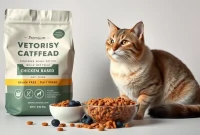
The Ultimate Carnivore Blueprint: An Deep-Dive Nutritional Analysis of Tiki Cat Born Carnivore Baby Chicken & Egg Grain-Free Kitten Dry Cat Food
2 months ago
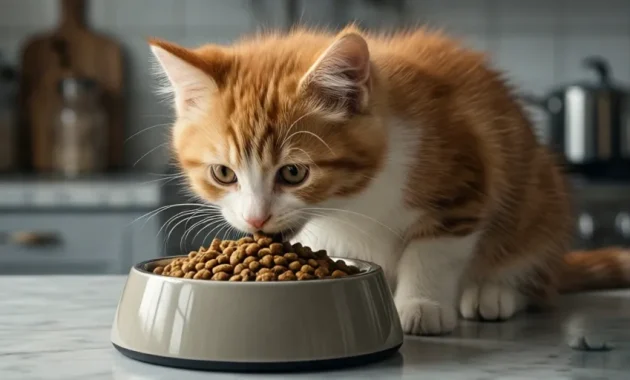
The first year of a cat's life is a period of incredible physiological change. Within a brief twelve-month window, a newborn kitten blind, deaf, and entirely dependent on maternal care must scale its body weight exponentially, develop complex neural networks, build dense skeletal frames, and lock in its permanent adult immune defenses.
For pet parents, navigating this high-growth phase can feel overwhelming. The commercial pet food market is flooded with conflicting marketing claims, vague ingredient labels, and shifting nutritional theories.
To make an informed choice for your kitten, you must look past simple advertising catchphrases and evaluate pet food through the precise lens of evolutionary biology.
Felines are obligate carnivores. Unlike omnivorous dogs or humans, cats are biologically locked into a diet made up almost entirely of animal tissues. Their metabolic pathways cannot efficiently process heavy plant proteins or complex carbohydrates. Instead, their bodies require high densities of animal-derived protein, essential lipids, and targeted micronutrients to thrive.
┌───────────────────────────────────────────────────────────────────────────┐
│               The Obligate Carnivore Growth Lifecycle                     │
├───────────────────────────────────────────────────────────────────────────┤
│  High-Density Animal Protein ──► Direct Muscle & Cellular Replication     │
│  Concentrated Lipids & Fat   ──► Essential Metabolic Fuel & Energy        │
│  Low Carbohydrate Footprint  ──► Protects Delicate Feline Digestion      │
└───────────────────────────────────────────────────────────────────────────┘
This comprehensive, data-driven masterclass offers an exhaustive, real-world analysis of Tiki Cat Born Carnivore Baby Chicken & Egg Recipe Grain-Free Kitten Dry Cat Food.
Written for analytical pet parents, veterinary technicians, and feline enthusiasts, this guide breaks down the science behind the ingredients, analyzes the guaranteed macronutrient percentages, untangles commercial pricing options, and provides practical, step-by-step feeding strategies. Read on to discover how to optimize your kitten’s health from their very first months.
Deconstructing the Ingredient Architecture Evolutionary Biology in the Kibble Bowl

When evaluating any commercial pet food, the first rule of veterinary nutrition is simple: read the ingredient deck in its exact structural order. Under regulatory standards, pet food manufacturers must list ingredients by their raw, pre-computed weight before processing.
This means the first five to seven ingredients make up the vast majority of your kitten's daily nutritional intake.
                   [ Tiki Cat Born Carnivore Base Architecture ]
                                         │
       ┌─────────────────────────────────┴─────────────────────────────────┐
       ▼                                                                   ▼
 [ Clean Structural Tissue ]                                       [ Concentrated Nutrient Core ]
 ├── 1. Deboned Chicken                                            ├── 2. Chicken Meal
 └── 3. Dried Egg Product                                          └── 6. Dehydrated Chicken Liver
Let's look closely at the first six ingredients of the Tiki Cat Born Carnivore Baby formulation to see if it truly matches a young wild cat's natural ancestral diet.
Ingredient 1: Deboned Chicken
Deboned chicken consists of clean, raw skeletal muscle tissue sourced directly from harvested poultry. This high-quality ingredient serves as an excellent foundation for growing kittens. Muscle meat is rich in highly bioavailable, essential amino acids—such as taurine, arginine, lysine, and methionine—which are the fundamental building blocks of healthy heart muscle, strong vision, and robust cellular repair.
However, raw chicken naturally contains a high volume of water (often up to 75% moisture before cooking). During the high-temperature baking or extrusion process, that moisture evaporates, drastically reducing the meat's mass. If this were the only poultry source in the food, the final protein percentage would fall short of a kitten's ideal growth requirements.
Ingredient 2: Chicken Meal
To solve the moisture loss issue, Tiki Cat includes high-density chicken meal as its second core ingredient. Chicken meal is produced through a clean cooking process known as rendering, which carefully drives off the natural moisture and fat from chicken tissues.
The result is a dry, highly concentrated protein powder that delivers nearly three times the protein density of raw chicken by weight. This ingredient allows the formula to reliably hit its impressive 42% crude protein target, ensuring your kitten receives enough amino acids to support rapid muscle building and skeletal growth.
Ingredient 3: Dried Egg Product
Egg is widely considered the gold standard of protein quality in veterinary medicine due to its exceptionally high biological value (BV). Biological value measures how efficiently an animal's body can break down, absorb, and utilize a specific protein source.
┌───────────────────────────────────────────────────────────────────────────┐
│                    Comparative Biological Value Matrix                    │
├───────────────────────────────────────────────────────────────────────────┤
│  Whole Egg Product     ──► BV: 100 (Perfect Amino Acid Blueprint)          │
│  Standard Poultry Muscle ──► BV: 80 - 85 (High Structural Efficiency)       │
│  Plant-Based Proteins  ──► BV: 40 - 50 (Incomplete, Harder to Digest)     │
└───────────────────────────────────────────────────────────────────────────┘
By including dried egg product, Tiki Cat ensures your kitten's developing digestive system can easily process and use every gram of protein, reducing metabolic strain and promoting consistent, healthy muscle development.
Ingredient 4: Natural Chicken Flavor
To appeal to your kitten's highly developed sense of smell, the food includes natural chicken flavor. This ingredient is typically made from clean, hydrolyzed poultry tissue broth that has been reduced to a concentrated essence.
It coats the outside of the kibble to provide an appealing aroma and taste without relying on artificial additives or synthetic flavor enhancers, ensuring excellent palatability even for selective or hesitant eaters.
Ingredient 5: Chicken Fat (Preserved with Mixed Tocopherols and Citric Acid)
Kittens have incredibly active metabolisms and burn energy at a rapid pace. To meet this demand, they require a clean, concentrated source of dietary lipids. Chicken fat provides an ideal solution, supplying dense energy along with essential fatty acids like linoleic acid (an essential Omega-6 lipid).
To prevent these natural fats from turning rancid over time, Tiki Cat uses mixed tocopherols (natural forms of Vitamin E) and citric acid rather than controversial synthetic chemical preservatives like BHA or BHT.
Ingredient 6: Dehydrated Chicken Liver
In the wild, a hunting cat does not consume muscle meat alone; they prioritize consuming organ tissues, which function as nature's most concentrated multivitamin storehouse.
Dehydrated chicken liver is packed with natural, highly bioavailable nutrients:
Preformed Vitamin A (Retinol): Crucial for night vision, cellular growth, and skin integrity. Cats cannot convert plant-based beta-carotene into active Vitamin A, making animal liver an essential dietary addition.
Heme Iron: A vital mineral that helps build hemoglobin, ensuring healthy oxygen transport through the bloodstream to prevent anemia.
B-Complex Vitamins: Including Vitamin B12, riboflavin, and niacin, which drive daily cellular metabolism and energy production.

- Ingredient 1: Deboned Chicken
- Ingredient 2: Chicken Meal
- Ingredient 3: Dried Egg Product
- Ingredient 4: Natural Chicken Flavor
- Ingredient 5: Chicken Fat (Preserved with Mixed Tocopherols and Citric Acid)
- Ingredient 6: Dehydrated Chicken Liver
- 1. What makes kittens different from adult cats nutritionally?
- 2. Is Tiki Cat Born Carnivore suitable for all kitten breeds?
- 3. Why is high animal protein important for kittens?
- 4. Is grain-free food better for kittens?
- 5. Can kittens eat adult cat food?
- 6. How much protein does Tiki Cat Born Carnivore contain?
- 7. What is chicken meal, and is it safe?
- 8. Why are probiotics included in kitten food?
- 9. How should I transition my kitten to a new food?
- 10. How often should kittens eat each day?
- 11. Is dry food alone enough for kittens?
- 12. Why is taurine essential for cats?
- 13. How do I store kitten kibble properly?
- 14. Can high-protein kitten food cause digestive issues?
- 15. Is Tiki Cat Born Carnivore expensive compared to other brands?
- 16. What are the signs of a healthy kitten diet?
- 17. Should large-breed kittens eat differently?
- 18. Are peas and chickpeas harmful for cats?
- 19. How much water should kittens drink?
- 20. What should I do if my kitten develops diarrhea after switching foods?
Many low-cost commercial cat foods rely on cheap grain fillers—such as corn gluten meal, ground whole wheat, or brewers rice—to bulk out their kibble and lower manufacturing costs. However, a cat's short, efficient digestive tract lacks the enzyme architecture (such as salivary amylase) needed to break down heavy loads of plant starches. Excess carbohydrates can irritate their stomach, alter their gut microbiome, and lead to issues like obesity or chronic diarrhea.
                        [ Feline Dietary Footprint ]
                                     │
       ┌─────────────────────────────┴─────────────────────────────┐
       ▼                                                           ▼
 [ Ancestral Wild Diet ]                                    [ Low-Cost Filler Diets ]
 ├── 55% - 65% Protein                                      ├── 25% - 30% Low Protein
 ├── 20% - 30% Pure Fats                                    ├── 10% - 15% Low Fat
 └── Less than 5% Carbs                                     └── 40%+ High Grain Fillers
The Role of Legumes and Starches in Grain-Free Kibble
To create a crunchy, stable kibble without using grains, manufacturers must include a minimal amount of alternative starches. Tiki Cat uses a balanced blend of Peas, Chickpeas, and Tapioca for this purpose.
These ingredients provide the structure needed to form the kibble biscuits, while contributing a small amount of digestible fiber. Because these starch sources are kept minimal, the food maintains a low overall carbohydrate footprint, ensuring it satisfies your kitten's biological needs without overloading their digestive system.
Deep-Dive Macromolecular Analysis The Veterinary Lab Report
To truly evaluate a pet food's quality, we must look past the ingredient names and analyze the hard numbers found in the Guaranteed Analysis section. This area lists the minimum and maximum percentages of core nutrients present in the final product.
               [ Tiki Cat Born Carnivore Nutrient Matrix ]
                                    │
     ┌──────────────────────────────┼──────────────────────────────┐
     ▼                              ▼                              ▼
  [ Crude Protein ]               [ Crude Fat ]              [ Moisture Max ]
  └── 42.0% Minimum               └── 22.0% Minimum          └── 10.0% Maximum
Let's break down the clinical purpose behind each of these guaranteed nutrient targets:
Decoding Metabolic Energy and Caloric Density
The structural calorie density of Tiki Cat Born Carnivore is exceptionally high:
This metric is incredibly important for kitten care. Because young kittens have tiny stomachs but very high energy requirements, a low-calorie, filler-heavy food can leave them feeling physically full before they have taken in enough daily calories to fuel their growth.
A high-density formulation ($557 \text{ kcal/cup}$) ensures your kitten gets plenty of energy and nutrition out of every small meal, preventing growth stunting and keeping them energized all day long.
The Synbiotic Ecosystem Optimizing Micro-Flora and Digestion
An animal's overall health starts in their digestive tract. A kitten's gut lining is incredibly dynamic; it is responsible for absorbing vital nutrients while acting as a primary shield against harmful bacteria and viruses.
To help support this delicate system, the Tiki Cat Born Carnivore recipe includes an advanced, built-in synbiotic framework that combines prebiotics and probiotics to optimize gut health.
[ Inulin Prebiotic Fibers ] ──► Feed & Fuel ──► [ Bacillus Coagulans Probiotics ] = Stable Gut Microbiome
1. The Prebiotic Component: Inulin
Inulin is a soluble, fermentable prebiotic fiber sourced directly from chicory root. While your kitten cannot digest inulin directly, it serves as a highly beneficial food source for the good bacteria (such as Bifidobacterium and Lactobacillus) living inside their lower intestine.
As these good bacteria consume the prebiotic fiber, they produce short-chain fatty acids that nourish the intestinal lining, lower the gut's pH to keep harmful pathogens at bay, and maximize overall nutrient absorption.
2. The Probiotic Component: Bacillus Coagulans Fermentation Product
Probiotics are live, beneficial microorganisms introduced directly into the digestive tract. Many standard probiotic strains used in pet foods are easily destroyed by stomach acid before they ever reach the intestines.
Tiki Cat solves this by using Bacillus coagulans, a unique, spore-forming bacterial strain:
┌───────────────────────────────────────────────────────────────────────────┐
│                    The Spore-Forming Bacterial Shield                     │
├───────────────────────────────────────────────────────────────────────────┤
│  [ Protective Keratin Shield ] ──► Survives Intense Gastric Stomach Acid │
│                                             │                             │
│  [ Activates in Lower Intestine ] ◄─────────┘                             │
│  └── Rapidly colonizes the gut, eliminates pathogens, and stops diarrhea.  │
└───────────────────────────────────────────────────────────────────────────┘
This natural protective coating allows the bacteria to pass safely through harsh stomach acids and activate exactly where they are needed most—in the lower intestines. Once active, they help crowd out harmful bacteria, improve stool consistency, and keep your kitten's digestive system stable and reliable.
Commercial Logistics and Financial Optimization Strategies
As a smart pet owner, managing your pet care budget is just as important as choosing high-quality ingredients. Let's break down the purchasing tiers, recurring discounts, and promotional offers available for this product on Chewy to find the most cost-effective path forward:
                         [ Chewy Procurement Funnel ]
                                      │
       ┌──────────────────────────────┴──────────────────────────────┐
       ▼                                                             ▼
 [ Single Bag Options ]                                        [ Autoship Savings System ]
 ├── 2.8-lb Bag: $23.99 ($8.57/lb)                             ├── First-Time Autoship: $15.59 (-35%)
 └── 5.6-lb Bag: $39.93 ($7.13/lb)                             └── Future Deliveries: $22.79 (-5%)
1. Volume Cost Analysis
The 2.8-lb Bag Tier: Available at a standard price of $23.99, which equals an analytical unit cost of $8.57 per pound.
The 5.6-lb Bag Tier: Available at a standard price of $39.93, which reduces the unit cost to $7.13 per pound.
Selecting the larger 5.6-lb bag lowers your unit cost by 16.8% per pound. For fast-growing older kittens or homes with multiple pets, choosing the larger size is an easy way to reduce your long-term pet food expenses.
2. The Autoship Savings Architecture
Enrolling in an automated delivery schedule unlocks two distinct layers of savings:
First-Time Autoship Sign-up: Drops the initial bag price down to $15.59 via an immediate 35% discount (capped at a maximum savings of $20).
Recurring Autoship Deliveries: Locks in a permanent 5% discount on all future shipments, bringing the price of the 2.8-lb bag to $22.79 while letting you easily adjust, pause, or cancel deliveries through your account dashboard.
3. Active New-Customer Promotional Codes
If you are setting up a new retail account, you can stack your savings by applying these active platform promotional codes at checkout:
WELCOME20 Code: Spend a total of $49 or more across your shopping cart and apply code WELCOME20 to receive an immediate $20 eGift Card credited back to your account, alongside free 1–3 day shipping.
DRYCAT25 Code: Enter code DRYCAT25 in the promotional field to claim a targeted 25% discount on your dry cat food selection.
Clinical Rationing Framework Tailoring Portions by Growth Stage
Because Tiki Cat Born Carnivore is highly concentrated and calorie-dense, guessing your kitten's portions can quickly lead to overfeeding, causing excessive weight gain or loose stools.
To keep your kitten growing at a healthy, steady pace, use this structured daily rationing matrix based on their current physical weight:
The Mathematical Formula for Large-Breed Growth
If you are raising a large-breed kitten—such as a Maine Coon, Savannah Cat, or Norwegian Forest Cat—their growth phase can extend well past twelve months. Once they cross the 10-pound mark, use this calculation formula to accurately scale their food portions:
The 10-Day Gastrointestinal Transition Protocol
The stomach lining of a kitten is highly dynamic and sensitive to sudden changes. If you swap their daily food abruptly, their digestive enzymes can become overloaded, resulting in vomiting, liquid diarrhea, or painful bloating.
To give their gut microbiome plenty of time to adapt to the rich protein density of Tiki Cat Born Carnivore, follow this systematic 10-day transition schedule:
[ Days 1-3: 25% New ] ──► [ Days 4-6: 50% Balance ] ──► [ Days 7-9: 75% Dominance ] ──► [ Day 10: 100% Full ]
Days 1 to 3: The Introduction Stage
Fill your kitten's feeding bowl with a mixture of 25% Tiki Cat Born Carnivore and 75% of their original kitten food. Keep their feeding location consistent and monitor their stool quality closely. If their stool remains firm, you are ready to move to the next step.
Days 4 to 6: The Balanced Stage
Shift the mixing ratio to an equal balance of 50% Tiki Cat Born Carnivore and 50% of their original food. During this window, your kitten's pancreas will naturally adjust its enzyme production to process the higher fat and protein levels.
Days 7 to 9: The Dominant Stage
Increase the ratio to 75% Tiki Cat Born Carnivore and just 25% of the original food. Check their energy levels and make sure they look bright, active, and comfortable after eating.
Day 10: Complete Transition
You can now safely transition your kitten to 100% Tiki Cat Born Carnivore dry food. Make sure they have continuous access to fresh, clean water to support their urinary health.
🛑 Emergency Adjustment Protocol
If your kitten develops liquid stool or begins vomiting at any point during this transition, do not force them forward. Simply drop back to the previous successful mixing ratio for an extra 3 days to let their digestive system stabilize before trying to increase the new food again.
Competitor Analysis Evaluating Alternative Formulations
To help you make the best choice for your budget and lifestyle, let's compare Tiki Cat Born Carnivore against a popular grain-free alternative available on the Chewy platform:
The Nutritional Takeaway
While American Journey offers an excellent, cost-effective option for multi-cat households or animal rescues on a budget, Tiki Cat Born Carnivore stands out as the superior biological formula.
It avoids relying on concentrated plant proteins like pea protein to inflate its numbers, using high-quality animal sources like real egg and chicken to deliver an impressive 42% protein minimum. This premium design ensures your kitten receives the nutrient-dense, easily digestible fuel they need to thrive during their critical first year.
Pre-Feeding Safety Checklist for Pet Owners
Before you open a new bag of Tiki Cat Born Carnivore and feed your kitten, complete this quick quality and safety checklist:
[ ] Age Check: Confirm your kitten is at least six weeks old and ready to handle solid dry kibble.
[ ] Seal Inspection: Check the bag's exterior to verify that the factory seal is completely intact and free of damage.
[ ] Date Verification: Check the stamped date on the back of the bag to ensure the food is fresh and within its ideal shelf life.
[ ] Prepare a Level Measuring Tool: Keep a standard measuring cup handy to ensure your daily portions stay accurate and consistent.
[ ] Set Up Fresh Water Stations: Place multiple bowls of clean, filtered water away from the food bowl to encourage healthy drinking habits.
[ ] Secure an Airtight Container: Transfer the open kibble into an airtight storage bin to keep the natural fats fresh and prevent flavor loss.
Summary: Designing a Longevity-Focused Nutritional Strategy
The food choices you make during your kitten's first year establish the foundation for their lifelong health, comfort, and vitality. Tiki Cat Born Carnivore Baby Chicken & Egg Recipe provides an outstanding, grain-free option that matches a cat's natural evolutionary needs, combining an impressive 42% protein minimum with a 22% fat content to power their early growth bursts.
While it represents a premium financial choice, you can easily optimize your pet care expenses by scaling up to the larger 5.6-lb bag, taking advantage of automatic shipping discounts, and applying active promotional codes at checkout.
By using a precise, weight-calculated feeding schedule and following a careful 10-day transition protocol, you can protect your kitten's delicate digestion and give them a healthy, happy start to a long life by your side.
Would you like to explore how to combine this high-protein dry kibble with a complementary wet food routine to help boost your kitten's daily hydration levels and support long-term kidney health?
FAQ
1. What makes kittens different from adult cats nutritionally?
Kittens require significantly higher levels of protein, fat, calories, calcium, and phosphorus to support rapid muscle growth, skeletal development, and immune system maturation. Adult cats need more controlled calorie intake to prevent obesity and metabolic stress.
2. Is Tiki Cat Born Carnivore suitable for all kitten breeds?
Yes. The formula is designed for most kitten breeds, including domestic shorthairs, Maine Coons, Norwegian Forest Cats, Bengals, and Siamese kittens. Larger breeds may require adjusted portion sizes during extended growth phases.
3. Why is high animal protein important for kittens?
Cats are obligate carnivores, meaning their bodies rely on animal-based amino acids like taurine and arginine for heart health, vision, muscle growth, and cellular repair. High animal protein supports healthy development and energy production.
4. Is grain-free food better for kittens?
Grain-free formulas can help reduce unnecessary carbohydrate intake, which aligns more closely with a cat’s natural diet. However, the overall ingredient quality and protein sources matter more than the grain-free label alone.
5. Can kittens eat adult cat food?
Not ideally. Adult cat food usually lacks the calorie density and mineral concentrations needed for proper kitten growth. Feeding adult food long-term may result in nutrient deficiencies and slower development.
6. How much protein does Tiki Cat Born Carnivore contain?
The formula contains a minimum of 42% crude protein and 22% crude fat, making it one of the higher-protein dry kitten foods available.
7. What is chicken meal, and is it safe?
Chicken meal is a concentrated protein ingredient created by removing moisture and fat from chicken tissue. High-quality chicken meal is nutrient-dense and safe, providing more protein per pound than fresh chicken alone.
8. Why are probiotics included in kitten food?
Probiotics help support digestive health, stabilize gut bacteria, improve stool quality, and strengthen the immune system. Tiki Cat includes Bacillus coagulans, a durable probiotic strain that survives stomach acid.
9. How should I transition my kitten to a new food?
Use a gradual 10-day transition schedule:
- Days 1–3: 25% new food
- Days 4–6: 50% new food
- Days 7–9: 75% new food
- Day 10: 100% new food
This helps prevent diarrhea and digestive upset.
10. How often should kittens eat each day?
Young kittens typically need:
- 6–12 weeks: 3–4 meals daily
- 3–6 months: 3 meals daily
- 6–12 months: 2 meals daily
Frequent feeding supports their high metabolic demands.
11. Is dry food alone enough for kittens?
Dry food can provide complete nutrition, but combining dry kibble with wet food helps improve hydration and supports long-term urinary and kidney health.
12. Why is taurine essential for cats?
Cats cannot produce enough taurine naturally. Without sufficient taurine intake, they may develop blindness, heart disease, immune dysfunction, and neurological problems.
13. How do I store kitten kibble properly?
Store kibble in an airtight container in a cool, dry place away from sunlight and humidity. Proper storage protects fats from becoming rancid and preserves freshness.
14. Can high-protein kitten food cause digestive issues?
A sudden switch to rich, protein-dense food can temporarily upset sensitive stomachs. Gradual transitions and proper portion control usually prevent problems.
15. Is Tiki Cat Born Carnivore expensive compared to other brands?
It is considered a premium-priced kitten food. However, its high protein density, quality ingredients, and nutrient profile may reduce the need for larger feeding portions compared to lower-quality foods.
16. What are the signs of a healthy kitten diet?
Healthy kittens typically show:
- Steady weight gain
- Bright eyes
- Glossy coat
- High energy levels
- Firm stools
- Healthy appetite
17. Should large-breed kittens eat differently?
Yes. Large breeds like Maine Coons grow more slowly and may continue developing beyond one year. They often need carefully adjusted portions to support joint and skeletal health.
18. Are peas and chickpeas harmful for cats?
Not necessarily. In small amounts, legumes help create kibble structure and provide fiber. Problems usually arise when plant proteins replace large amounts of animal protein.
19. How much water should kittens drink?
Kittens should always have unlimited access to fresh water. Wet food can also help boost hydration, especially for cats naturally prone to low water intake.
20. What should I do if my kitten develops diarrhea after switching foods?
Pause the transition and return to the last successful feeding ratio for several days. If symptoms continue, consult a veterinarian to rule out infections, parasites, or food sensitivities.