The 2026 Guide to Feline Nutrition: Why Your Cat’s Diet is the Secret to Longevity
2 months ago · Updated 2 months ago
If you have ever stood in the pet food aisle feeling overwhelmed by the endless rows of colorful cans and bags, you aren't alone. In 2026, the "PetLover" community has moved away from flashy packaging and toward a deeper understanding of feline biology. We are no longer just "feeding" our cats; we are fueling a tiny, domestic tiger.
The transition from a "kibble-heavy" lifestyle to a moisture-rich, species-appropriate diet is the single most impactful choice you can make for your cat’s health. Here is a comprehensive look at how to master feline nutrition in the modern era.
The Wet Food Revolution: Hydration as Medicine
One of the most significant shifts in veterinary advice this year is the emphasis on hydration. Our domestic cats are descendants of desert-dwelling wildcats. Evolutionarily, they have a low thirst drive because they are designed to get their water from their prey.
The Urinary Connection
When cats eat dry kibble, they live in a state of chronic low-level dehydration. This is a primary driver for Feline Lower Urinary Tract Disease (FLUTD) and kidney issues.
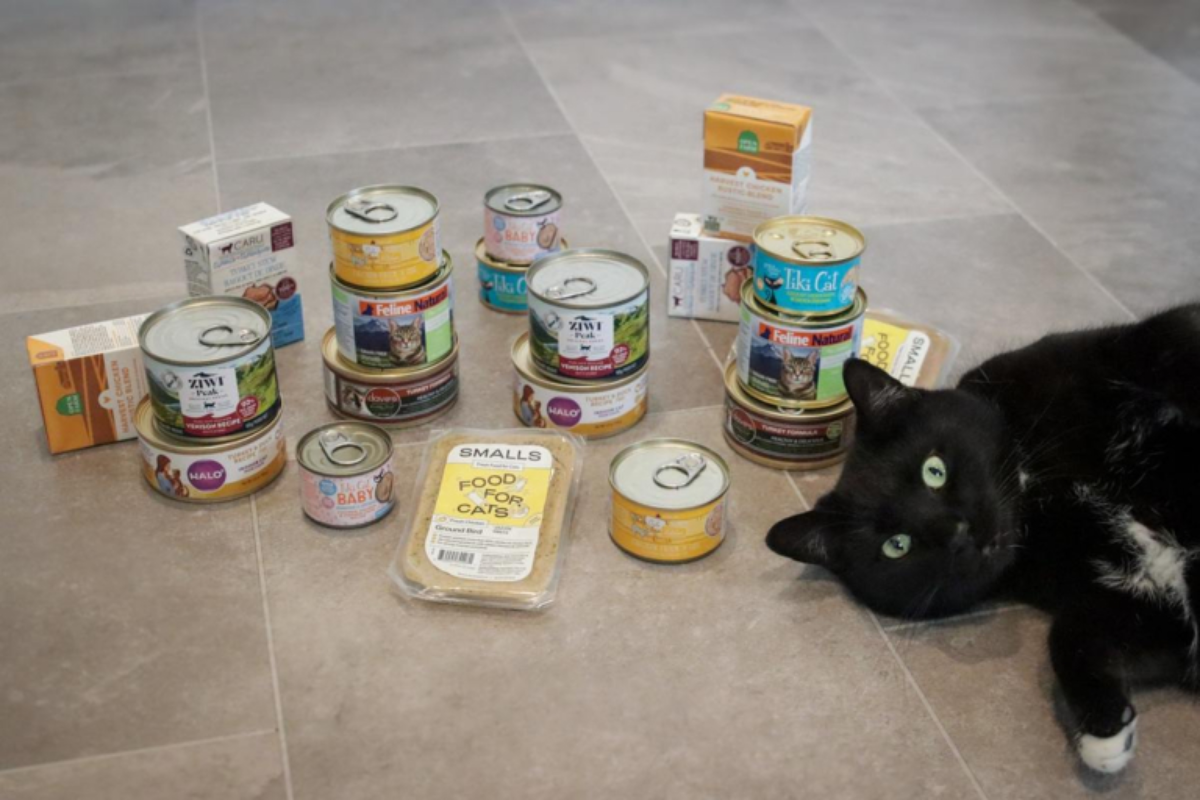
The 2026 Standard: High-quality wet foods, such as Smalls or Weruva, provide the 75–80% moisture content that mimics a natural diet.
Human-First Tip: If your cat is a "kibble addict," don't force a switch overnight. Use wet food as a topper to slowly introduce the texture and hydration they desperately need.
- 1. Why is wet food better for cats than dry kibble?
- 2. Can cats live on dry food only?
- 3. How do I transition my cat from dry food to wet food?
- 4. What ingredients should I avoid in cat food?
- 5. What is the best protein source for cats?
- 6. How much protein does an adult cat need?
- 7. Why is hydration so important for cats?
- 8. What is whisker fatigue?
- 9. What type of food bowl is best?
- 10. Are probiotics good for cats?
- 11. What is a “novel protein” diet?
- 12. What food is best for kittens?
- 13. Do senior cats need different food?
- 14. How can I tell if my cat has a food allergy?
- 15. How often should I feed my cat wet food?
Decoding the Label: Protein vs. Fillers
Cats are obligate carnivores. This means their bodies are physiologically incapable of processing high amounts of carbohydrates, starches, or plant proteins.
What to Look For:
Named Animal Proteins: The first ingredient should always be a specific meat (Chicken, Turkey, Venison, or Lamb). Avoid "meat by-products" or "poultry meal," which are often lower-quality mystery meats.
Low Carbohydrate Content: Ideally, your cat’s food should contain less than 10% carbohydrates on a dry-matter basis. In 2026, we’ve learned that excessive peas, potatoes, and corn are often used as "fillers" that contribute to feline obesity and diabetes.
Specialized Needs: From Kittens to Seniors
Nutrition isn't "one size fits all." A cat's metabolic needs change drastically as they age.
For Kittens: Look for recipes like Tiki Cat Baby, which are rich in DHA (docosahexaenoic acid) from salmon oil. This supports rapid brain and eye development.
For Seniors: Aging cats often lose muscle mass. Brands like Halo focus on easily digestible proteins and lower fat content to keep senior cats lean while supporting their joints with natural glucosamine and chondroitin.
Sometimes, the reason your cat isn't eating isn't the food—it's the bowl. Cats have highly sensitive whiskers packed with nerve endings. Deep, narrow bowls cause "Whisker Fatigue" as their whiskers hit the sides during every bite.
The Fix: Switch to a wide, shallow, oval-shaped ceramic or stainless steel bowl. This small environmental change can significantly reduce mealtime anxiety and prevent "rewel" (fussy) eating habits.
Managing Sensitive Stomachs and Allergies
If your cat suffers from itchy skin or frequent vomiting, they may have a food sensitivity.
Novel Proteins: Switching to a "novel" protein—something your cat has never eaten, like Venison (Ziwi Peak) or Rabbit—can calm the immune system.
Probiotics: In 2026, many premium foods like Purina Pro Plan Adult now include active probiotics to support gut health and strengthen the immune system from the inside out.
Final Thoughts: The Longevity Habit
Investing in high-quality, moisture-rich food today is far cheaper than the veterinary bills for chronic diseases tomorrow. By respecting your cat’s need for animal-based protein and high hydration, you aren't just a pet owner—you are a health advocate for your best friend.
Which change will you make for your cat this week? Start with the bowl, or start with the broth!
FAQ About Modern Cat Nutrition & Wet Food in 2026
1. Why is wet food better for cats than dry kibble?
Wet food contains around 75–80% moisture, which helps keep cats hydrated and supports urinary tract and kidney health. Since cats naturally have a low thirst drive, wet food mimics the hydration they would get from prey in the wild.
2. Can cats live on dry food only?
Technically yes, but a kibble-only diet may increase the risk of dehydration, urinary problems, obesity, and kidney disease over time. Many veterinarians now recommend combining kibble with moisture-rich wet food.
3. How do I transition my cat from dry food to wet food?
Start slowly by mixing a small amount of wet food into the kibble. Gradually increase the wet portion over 7–14 days. Sudden changes can upset your cat’s digestion.
4. What ingredients should I avoid in cat food?
Avoid foods with excessive fillers such as corn, wheat, soy, peas, and potatoes. Also avoid vague ingredients like “meat by-products” or artificial preservatives whenever possible.
5. What is the best protein source for cats?
Cats thrive on high-quality animal proteins such as chicken, turkey, salmon, lamb, rabbit, and venison. Protein should be the first listed ingredient on the label.
6. How much protein does an adult cat need?
According to AAFCO standards, adult cats should receive at least 26% protein in their diet, though many experts recommend higher levels for optimal health.
7. Why is hydration so important for cats?
Cats evolved from desert animals and naturally drink less water. Chronic dehydration can contribute to urinary crystals, bladder inflammation, and kidney disease.
8. What is whisker fatigue?
Whisker fatigue happens when a cat’s sensitive whiskers repeatedly touch the sides of deep bowls, causing stress and discomfort during meals.
9. What type of food bowl is best?
Wide, shallow ceramic or stainless-steel bowls are ideal because they reduce whisker stress and are easier to keep hygienic.
10. Are probiotics good for cats?
Yes. Probiotics can help improve digestion, reduce stomach sensitivity, and support the immune system, especially in cats with digestive issues.
11. What is a “novel protein” diet?
A novel protein diet uses uncommon meat sources like rabbit, duck, or venison. These diets are often recommended for cats with food allergies or sensitivities.
12. What food is best for kittens?
Kittens need calorie-dense food rich in DHA, protein, and healthy fats to support rapid growth, brain development, and strong immunity.
13. Do senior cats need different food?
Yes. Senior cats often require easier-to-digest protein, lower calories, and joint-support ingredients such as glucosamine and chondroitin.
14. How can I tell if my cat has a food allergy?
Common signs include vomiting, diarrhea, itchy skin, ear infections, and excessive grooming. A veterinarian may recommend an elimination diet.
15. How often should I feed my cat wet food?
Most adult cats benefit from at least one or two wet food meals daily, depending on their calorie needs and lifestyle.