The Definitive Guide to the American Wirehair Cat: America’s Rarest Rough-Coated Treasure
3 months ago · Updated 3 months ago
When you picture a feline companion, your mind likely conjures images of sleek, silky coats sliding effortlessly beneath your hand. You think of plush Persians, satiny Siamese, or the smooth, dense coat of the classic domestic shorthair. But hidden in the quiet corners of the cat fancy world lives an extraordinary anomaly—a cat that defies the traditional laws of feline texture.
Enter the American Wirehair cat.
With a coat that feels remarkably like springy lamb’s wool or a dense, wire-mesh brush, the American Wirehair is often described as a cat in a rough-textured coat. Yet, beneath this rugged, punk-rock exterior lies one of the most gentle, level-headed, and sweet-tempered personalities in the entire animal kingdom. They are a living testament to nature's spontaneous creativity—a breed born not from clinical laboratory splicing or rigid human engineering, but from a single, miraculous twist of genetic fate in a New York barnyard.
Despite their incredible charm and fascinating history, the American Wirehair remains one of the rarest registered cat breeds on Earth. If you have ever wondered what it is like to share your home with this crimped, affectionate, and chatty marvel, you have come to the right place.
This comprehensive guide explores the deep history, physical characteristics, unique genetics, behavioral patterns, nutritional needs, and adoption realities of the American Wirehair. Let’s dive into the world of America’s rarest homegrown feline.
Breed Overview — The Wirehair At A Glance
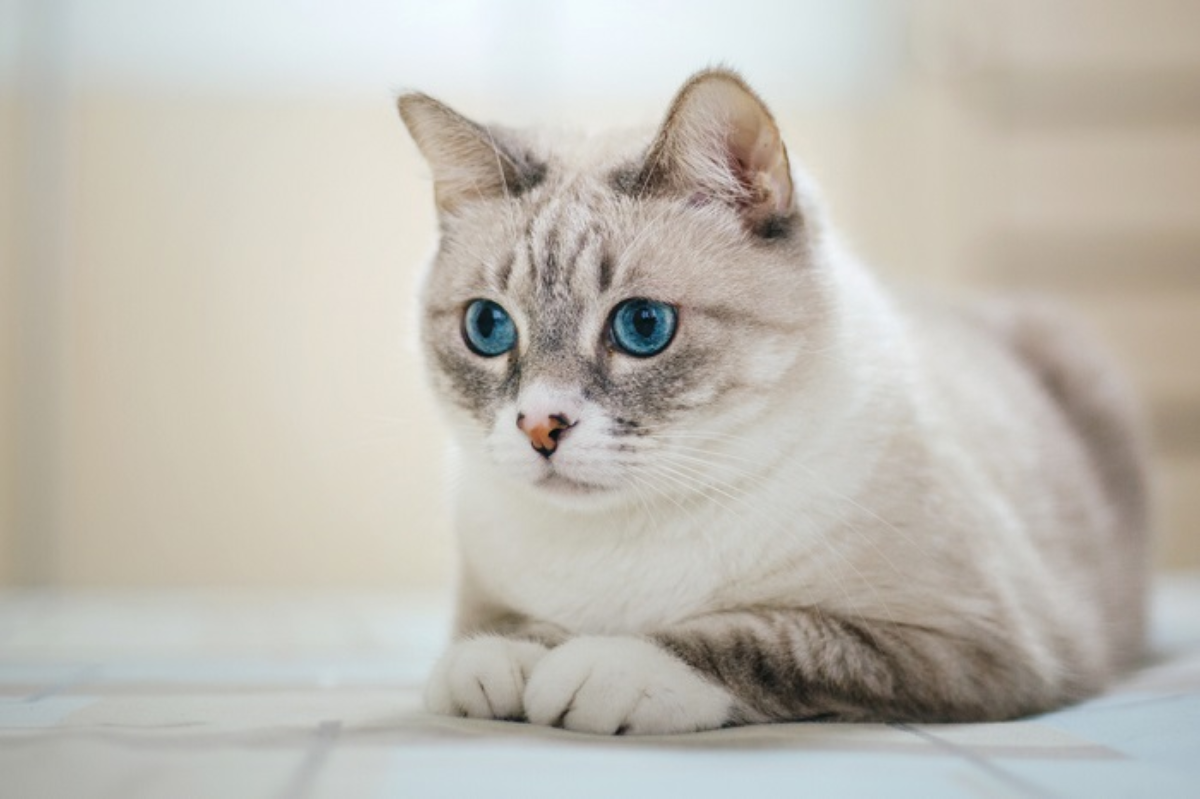
Before we unpack the rich history and genetic secrets of this remarkable breed, let us look at the fundamental blueprint of the American Wirehair. This snapshot illustrates the size, lifespans, and general expectations for a mature adult cat.
                      [ American Wirehair Vital Statistics ]
                                         │
         ┌───────────────────────────────┼───────────────────────────────┐
         ▼                               ▼                               ▼
 [ Physical Bounds ]             [ Longevity & Life ]            [ Financial Reality ]
 ├── Height: 10" - 14"           ├── Lifespan: 12 - 18 Years     ├── Price Range: $800 - $1,200
 └── Weight: 8 - 15 lbs          └── Health: High Robustness     └── Status: Extremely Rare
| Parameter | Breed Standard Specification |
| Country of Origin | United States (Upstate New York) |
| Average Adult Height | 10 to 14 inches (25 to 35 cm) |
| Average Adult Weight | 8 to 15 pounds (3.6 to 6.8 kg) |
| General Lifespan | 12 to 18 years |
| Core Temperament | Gentle, sociable, highly sensible, deeply affectionate |
| Common Aliases | Wirehair, Wirey |
| Breed Group Classification | Medium-to-large sized, short-to-medium wire-textured hair |
| Estimated Price Point | $800 – $1,200 USD (Pet quality; show quality varies higher) |
- The Miracle of 1966 — The History and Origin of the Breed
- Genetic Mechanics — The Science of the "Crimped" Hair
- Physical Characteristics and Official Breed Standards
- Personality and Temperament — The Sweet soul of the Wirehair
- Comprehensive Care and Grooming Management
- Nutritional Guidelines — Fueling the Wired Coat
- Health and Genetic Robustness
- The Reality of Adoption — Finding an Authentic Wirehair
- Comparative Assessment: Wirehair vs. Sphynx vs. Rex
- Final Thoughts: Is the American Wirehair Right for You?
- Frequently Asked Questions (FAQ) — American Wirehair Cat
- 1. What is an American Wirehair cat?
- 2. Are American Wirehair cats rare?
- 3. How does the American Wirehair coat feel?
- 4. Do American Wirehair cats shed a lot?
- 5. Are American Wirehair cats hypoallergenic?
- 6. What is their personality like?
- 7. Are American Wirehair cats good with kids and other pets?
- 8. Do American Wirehair cats require special grooming?
- 9. What should I feed an American Wirehair cat?
- 10. How long do American Wirehair cats live?
- 11. Are they prone to any health problems?
- 12. How much does an American Wirehair cat cost?
- 13. Are American Wirehair cats easy to care for?
- 14. Can I find American Wirehair cats in shelters?
- 15. Why is their coat so unique?
- 16. Do they like being petted?
- 17. Are they active or lazy cats?
- 18. Do American Wirehair cats meow a lot?
- 19. Is the American Wirehair a good indoor cat?
- 20. What makes the American Wirehair special?
The Miracle of 1966 — The History and Origin of the Breed
The story of the American Wirehair does not begin in an aristocratic parlor or a specialized scientific institute. It begins on a humble farm in Counsel Rock, located in upstate Vernon, New York, in the spring of 1966.
The Barnyard Discovery
A pair of ordinary domestic shorthaired barn cats, completely unblemished by fancy pedigrees, produced a litter of six kittens. When the farm owners looked into the nesting box, they noticed five normal, sleek-coated kittens—and one tiny, red-and-white male tabby that looked as though he had been struck by lightning. His fur was tightly crimped, his whiskers were bent and crinkled, and his coat felt completely different from any cat they had ever touched.
[ Normal Barnhead Shorthairs ] ──► [ Spontaneous Genetic Mutation ] ──► [ "Counsel Rock Adam of Hi-Fi" ]
Word of this unusual kitten traveled to Joan O'Shea, an experienced local cat breeder and enthusiast. Intrigued by the description of the "frizzy" kitten, O'Shea drove out to the farm. The moment she laid eyes on the red-and-white kitten, she recognized him as an incredible natural marvel. She purchased the kitten for $50 USD and named him Counsel Rock Adam of Hi-Fi.
Proving the Mutation
As Adam grew, his coat retained its signature coarse, springy, hooked texture. O'Shea knew that to establish a new breed, she had to determine if this trait was hereditary. She bred Adam to a local domestic shorthair female named Humphrey, who lived nearby and was suspected of carrying compatible genetics.
The resulting litter produced kittens with the exact same wire-textured coats as their father. This crucial cross proved that the mutation was dominant—unlike the recessive mutations that create the wavy coats of the Cornish Rex or Devon Rex. If a kitten inherited just one copy of the wirehair gene from a parent, they would grow up to have the signature wire coat.
                  [ Feline Coat Mutation Dominance Matrix ]
                                     │
         ┌───────────────────────────┴───────────────────────────┐
         ▼                                                       ▼
 [ Dominant Expressions ]                                [ Recessive Expressions ]
 └── American Wirehair (WH Gene)                         ├── Cornish Rex (Wavy/Thin)
     *Requires only ONE parent to pass*                  ├── Devon Rex (Short/Crinkled)
                                                         └── Sphynx (Hairless Mutation)
To preserve the health of this small gene pool and prevent the dangers of inbreeding, early geneticists and breeders made the strategic choice to outcross the Wirehair with the American Shorthair. This cross-breeding brought exceptional physical strength, broad genetic diversity, and balanced body proportions to the breed, firmly establishing the American Wirehair as an official, highly coveted breed recognized by the Cat Fanciers' Association (CFA) by 1978.
Genetic Mechanics — The Science of the "Crimped" Hair
To understand what makes the American Wirehair so visually distinctive, we have to look closely at feline dermatology and hair structure.
A normal cat's coat consists of three distinct types of hair:
Down Hair: The soft, insulating undercoat closest to the skin.
Awn Hair: The intermediate protective layer.
Guard Hair: The long, straight, protective outer layer that gives a cat's coat its smooth shine.
Normal Feline Hair:  [ 直 Straight Guard Hair ] ──► Smooth Slidability
Wirehair Feline Hair: [ ↩ Hooked / Crimped Shaft ] ──► Springy Resiliency
In the American Wirehair, a spontaneous mutation altered the dominant gene controlling hair development. Instead of growing straight and uniform, every single hair follicle produces a hair shaft that is twisted, bent, crimped, and tipped with a tiny hook.
This mutation affects all three layers of fur:
The guard hairs grow coarse, stiff, and distinctly rough to the touch.
The awn and down hairs develop a tight wave, creating a dense, springy cushion across the cat's body.
Even the hairs inside their ears, their eyebrows, and their prominent whiskers grow crinkled, bent, and beautifully irregular.
When you pet an American Wirehair, the coat does not flatten smoothly under your hand. Instead, it springs back with a firm, resilient texture. This unique springy feel acts as a natural shield, helping protect the cat from damp weather and light scratches in outdoor environments.
Physical Characteristics and Official Breed Standards
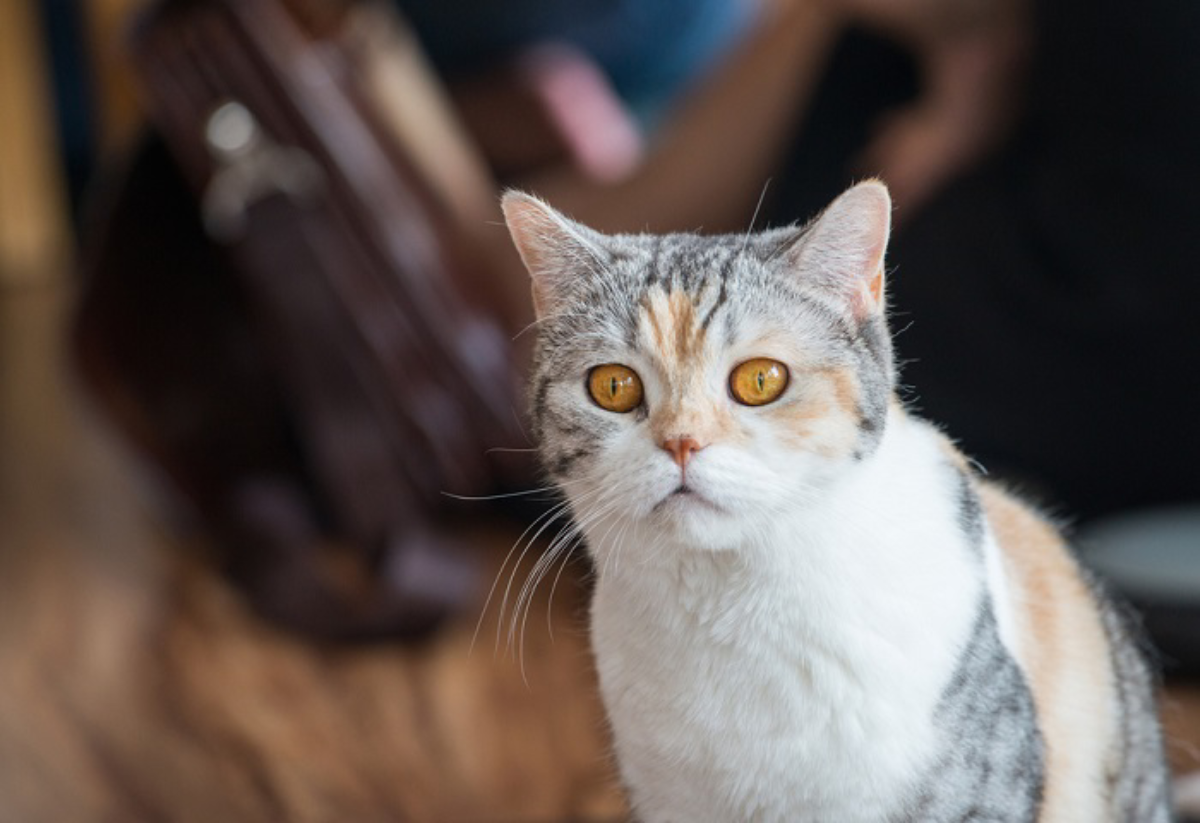
The American Wirehair is a medium-to-large feline built with the balanced, powerful proportions of a true working-class hunting cat. They are muscled, agile, and well-balanced, completely free of exaggerated features.
                     [ The American Wirehair Standard ]
                                     │
         ┌───────────────────────────┼───────────────────────────┐
         ▼                           ▼                           ▼
 [ Skull & Head Morphology ]  [ Torso & Skeletal Frame ]  [ Extremities & Tail ]
 ├── Prominent cheekbones     ├── Level, straight spine   ├── Balanced medium legs
 ├── Round, wide-set eyes     ├── Equal shoulder/hip width└── Heavy, firm paw pads
 └── Well-developed muzzle    └── Well-rounded torso      └── Tapered, round-tip tail
1. The Head and Skull Structure
The head is rounded with prominent, high cheekbones that give the face a wide, pleasant expression. The muzzle and chin are well-developed, with a slight whisker break that frames their charming smile. Their ears are medium-sized, set wide apart, and gently rounded at the tips, often filled with dense, curly tufts of inner-ear hair.
2. Large, Expressive Eyes
One of the most striking features of the American Wirehair is their eyes. They are large, rounded, and set wide apart. The breed standard allows for any eye color, ranging from brilliant golds and deep coppers to piercing greens and sky blues, as long as the eye color complements the overall color of their coat.
3. Body Silhouette and Skeletal Strength
The torso is medium-to-large, sturdy, and well-rounded. A key hallmark of the breed standard is a perfectly level back, with hips and shoulders that are exactly the same width. They carry themselves with a steady, athletic posture that showcases their barnyard heritage.
4. Legs, Paws, and Tail
Their legs are medium in length, heavily muscled, and proportioned evenly with the rest of their body. Their paws are firm, full, and neatly rounded, sitting atop heavy, well-cushioned paw pads designed to absorb impact seamlessly. The tail is thick at the base and tapers gently to a softly rounded tip.
5. Color and Pattern Variations
The American Wirehair can showcase nearly any color or pattern found in the feline world, including solid blacks, clean whites, classic orange tabbies, rich tortoiseshells, and soft calicos. However, certain color mutations point to outcrossing with other breeds and are grounds for disqualification in championship show rings:
Chocolate (deep brown)
Lavender / Lilac (soft, pale silver-pink)
Himalayan Pattern (pointed colors like a Siamese)
Any combination where these disallowed colors are mixed with white.
Personality and Temperament — The Sweet soul of the Wirehair
If you were to judge the American Wirehair purely by their rough, wire-like appearance, you might expect them to be a bit aloof or unapproachable. But step past that textured coat, and you will discover one of the most loving, gentle, and emotionally intuitive cats in the world.
[ High Emotional Intelligence ] ──► [ Calm Adaptability ] ──► [ Playful Curiosity ] ──► [ Loud, Rhythmic Purring ]
High Emotional Intelligence
American Wirehairs possess a wonderful, calm emotional intelligence. They are keen observers who pay close attention to their owners' routines and moods. If you are having a tough, stressful day, your Wirehair will often quietly appear by your side, settling into your lap or leaning their springy head against your hand to offer gentle comfort. They form deep, lasting bonds with their human families without ever becoming overly demanding or needy.
Calm and Adaptable Nature
Thanks to the steady genetics of the American Shorthair, this breed is remarkably level-headed and adaptable. They handle changes in their environment with a calm curiosity rather than fear or anxiety.
This makes them an ideal choice for busy, active households, as they happily share their space with respectful children, friendly dogs, and other companion cats. They rarely panic over loud noises or unfamiliar guests, often stepping forward to greet visitors with an open, friendly sniff.
Playful Curiosity and Hunting Instincts
While they love a good nap in a warm patch of sunlight, their barnyard hunting instincts remain sharp. They are highly skilled jumpers who love exploring high vertical spaces, from the top of your bookshelves to high window perches.
They enjoy interactive play, eagerly chasing feather toys, fetching small balls, or solving treat puzzles. They maintain this fun, kitten-like playfulness well into their senior years.
The Loud Purr and Chatty Communication
For owners who love a conversational cat, the American Wirehair is a delightful companion. They are famously expressive, using soft, sweet chirps and quiet meows to comment on their day or remind you that it's dinner time. Best of all, they possess an unusually loud, rhythmic purr. When an American Wirehair is happy, their engine rumbles with a deep vibration you can hear and feel from across the room.
Comprehensive Care and Grooming Management
Caring for an American Wirehair is wonderfully straightforward, but their unique coat requires a specific approach. Using standard grooming techniques on a wirehair coat can actually damage the very texture that makes them so special.
                      [ Wirehair Grooming & Skin Protocol ]
                                         │
         ┌───────────────────────────────┼───────────────────────────────┐
         ▼                               ▼                               ▼
 [ Hair Care Restrictions ]       [ Sebum Accumulation ]         [ Ear Canal Checkups ]
 ├── Avoid aggressive deshedding  ├── Bathe only during oily build├── Curly inner hairs trap wax
 └── Use ultra-soft bristle brush └── Use mild hypoallergenic wash└── Clean weekly with cotton pads
The Golden Rule of Wirehair Grooming: Handle with Care
Because every single hair on an American Wirehair is bent and hooked, their fur is more delicate and prone to breaking than a straight coat.
Avoid Dematting and Deshedding Tools: Never use metal de-shedding rakes, slicker brushes with sharp wire teeth, or close-toothed combs on an American Wirehair. These tools can catch on the tiny hooks of their fur, breaking the hair shafts and leaving them with ragged, patchy bald spots.
The Best Tool is Your Hand: Running your fingers through your cat's fur daily is one of the safest ways to remove loose hair and check their skin health. If you need to use a brush, opt for an ultra-soft, natural bristle brush or a gentle rubber curry brush to smooth the coat without pulling.
Managing Natural Oils (Sebum)
The crimped, dense structure of the wire coat can sometimes trap the skin's natural oils (sebum) close to the body rather than distributing it down the hair shafts. In some cats, this can lead to a greasy feel or minor skin irritation.
If your Wirehair’s skin begins to feel oily or develops a slight odor, a gentle bath can help. Always use a mild, oatmeal-based, soap-free cat shampoo. After washing, gently pat them dry with a soft towel—never rub their coat aggressively, and avoid blow dryers, which can dry out their unique fur structure.
Ear and Nail Maintenance
Because the crinkled hair mutation extends to the inside of their ears, American Wirehairs can collect earwax and dust more quickly than cats with straight ear hair. Check their ears every week for wax buildup or redness. Wipe the outer ear canal gently with a damp cotton round soaked in a veterinarian-approved ear cleaner; never insert cotton swabs deep into the ear canal. Keep their nails trimmed every two to three weeks to prevent snagging on carpets or furniture.
Nutritional Guidelines — Fueling the Wired Coat
Like all felines, the American Wirehair is an obligate carnivore, meaning their bodies are biologically designed to process nutrients derived primarily from animal meats. To keep their muscles toned, their joints agile, and their unique coats healthy, they need a high-quality, protein-forward diet.
                   [ The Wirehair Nutritional Formula ]
                                     │
         ┌───────────────────────────┴───────────────────────────┐
         ▼                                                       ▼
 [ High Animal Proteins ]                                [ Omega Fatty Acids ]
 ├── Premium salmon and white meats                      ├── Rebuilds protective skin barriers
 └── Supples amino acids to hair roots                   └── Enhances natural coat springiness
1. High-Quality Animal Proteins
Protein is the fundamental building block of a cat's physical health, and it is especially important for maintaining their fur. Because a wire coat is dense and structured differently, their body uses a significant amount of daily protein to support healthy hair growth. Look for premium foods where real meat—such as salmon, chicken, or turkey—is listed as the very first ingredient. Avoid brands that rely heavily on corn, wheat, or soy fillers, which offer little nutritional value for an obligate carnivore.
2. The Critical Importance of Omega Fatty Acids
To keep an American Wirehair's skin from becoming dry, greasy, or irritated beneath their dense coat, their diet should be rich in Omega-3 and Omega-6 fatty acids.
Omega-3 Fatty Acids (EPA/DHA): Typically sourced from marine oils like salmon, these natural anti-inflammatories soothe the skin, reduce redness, and keep the skin barrier healthy.
Omega-6 Fatty Acids: Help maintain proper hydration in the skin cells, preventing flaky dandruff and ensuring the fur retains its signature resilient, springas texture.
3. Balanced Hydration Management
Indoor cats often have a low natural thirst drive, preferring to get moisture directly from their food. To protect your Wirehair from urinary tract infections and kidney issues, consider a diet that blends high-quality dry kibble with premium wet food. Wet food provides vital daily hydration while adding excellent variety to their mealtime routine.
Health and Genetic Robustness
One of the greatest advantages of a breed born from natural barnyard mutations and outcrossed with the sturdy American Shorthair is their exceptional physical health. The American Wirehair is free from the extensive list of hereditary health problems that often affect older, more heavily engineered purebred cats.
                     [ Feline Longevity Architecture ]
                                     │
         [ Phase 1: Robust Barnyard Genetics (Natural Base) ]
                                     │
                                     ▼
         [ Phase 2: Strategic American Shorthair Outcrossing ]
                                     │
                                     ▼
         [ Outcome: Low Hereditary Disease Risk (12-18 Year Lifespan) ]
However, no living animal is completely immune to health issues. There are a few general feline conditions to monitor throughout your Wirehair's life:
Hypertrophic Cardiomyopathy (HCM): This is the most common form of heart disease in cats, causing the heart walls to thicken over time. While it is not disproportionately common in Wirehairs, responsible breeders will always screen their breeding adult cats using echocardiograms to ensure this condition isn't passed down to future litters.
Skin Sensitivity: Because their wire fur traps oils differently, a small number of Wirehairs can develop mild skin allergies or dermatitis if their coats aren't monitored for oil buildup. Routine vet checkups and a clean diet go a long way in preventing these issues.
Obesity: Because these cats are calm, relaxed, and enjoy lounging as much as playing, they can easily gain weight if their food portions aren't managed carefully. Use measuring cups for their meals, limit treats, and keep them active with daily play sessions to maintain a healthy weight.
The Reality of Adoption — Finding an Authentic Wirehair
If you have fallen in love with the idea of adding an American Wirehair to your family, you will need patience. They are a rare treasure within the cat world, and finding one requires careful research.
                    [ Safe Sourcing for American Wirehair ]
                                       │
        ┌──────────────────────────────┴──────────────────────────────┐
        ▼                                                             ▼
 [ Purebred Breeder Path ]                             [ Shelter & Rescue Path ]
 ├── Verify registration (CFA / TICA)                  ├── Use Petfinder search alerts
 ├── Demand medical screening sheets                   ├── Beware of false "Wirehair" labels
 └── Avoid cheap "backyard" operations                 └── Keep an open mind for mixed rescues
The Rarity of the Breed
Even at major international cat shows, you will find only a small handful of registered American Wirehair breeders. Because the gene pool is so carefully managed, reputable catteries often have waiting lists that can stretch from several months to over a year. A pet-quality kitten from an ethical breeder typically costs between $800 and $1,200 USD, while show-quality cats with championship lines can cost significantly more.
Avoiding Backyard Breeders and Scams
Because these kittens are rare, you must protect yourself from online scams and unethical "backyard" breeders. A responsible breeder will:
Be registered with official organizations like the CFA (Cat Fanciers' Association) or TICA (The International Cat Association).
Happily provide official health certificates and proof of medical screening for the kitten's parents.
Let you visit their cattery or meet the kittens via live video calls.
Never offer purebred kittens at unusually low prices or pressure you into a quick sale.
The Rescue and Shelter Option
At Cats.com, we always champion pet adoption and rescue whenever possible. Because purebred American Wirehairs are rare, finding an authentic, papered Wirehair in a local rescue shelter is highly unusual.
If you use online adoption tools like Petfinder, you may occasionally find cats listed as "American Wirehairs" simply because they have slightly coarse or wavy fur. In most cases, these lovely cats are wonderful domestic mixed-breeds (moggies) who happen to have a unique look, rather than papered purebreds.
But remember: a rescue cat does not need an official pedigree to be a loyal, loving, and completely irreplaceable addition to your home!
Comparative Assessment: Wirehair vs. Sphynx vs. Rex
To give you a clear look at how the American Wirehair compares to other famous mutation-based breeds, we have outlined their key differences below:
| Architectural Trait | American Wirehair Cat | Devon Rex Cat | Sphynx Cat |
| Genetic Mutation Type | Dominant (WH Gene) | Recessive (re Gene) | Recessive (hr Gene) |
| Coat Texture to Touch | Coarse, springy, rough, resilient | Soft, fine, velvety ripples | Hairless, warm, suede leather |
| Grooming Frequency | Minimal (Gentle hand grooming) | Low (Prone to fur breakage) | High (Weekly sponge bathing) |
| Vocal Expressiveness | Moderate (Sweet chips, loud purr) | High (Demanding, chirpy) | High (Very vocal, attention-driven) |
| Body Temperature Needs | Normal cold/heat insulation | Sensitive to drafts and cold | Highly vulnerable to cold/sunburn |
Final Thoughts: Is the American Wirehair Right for You?
The American Wirehair is a wonderful hidden gem in the feline world. They blend a unique, eye-catching appearance with a grounded, easygoing personality that fits beautifully into almost any family. They are healthy, independent enough to rest quietly while you work, and deeply affectionate whenever you are ready to unwind.
Sharing your life with an American Wirehair means welcoming an incredibly rare piece of natural history into your home. If you have the patience to search for a reputable breeder or the luck to find a look-alike rescue cat, you will be rewarded with a loyal, loving companion whose loud, rumbling purr and sweet soul will bring joy to your home for many years to come.
Frequently Asked Questions (FAQ) — American Wirehair Cat
1. What is an American Wirehair cat?
The American Wirehair is a rare cat breed known for its unique crimped, springy, wire-like coat that developed from a natural genetic mutation in New York in 1966.
2. Are American Wirehair cats rare?
Yes. They are considered one of the rarest registered cat breeds in the world, with only a small number of breeders maintaining the line.
3. How does the American Wirehair coat feel?
Their coat feels coarse, springy, and slightly rough—similar to lamb’s wool or a textured brush—due to a unique hair follicle mutation.
4. Do American Wirehair cats shed a lot?
They shed moderately like most cats, but their unique coat structure means grooming should be gentle to avoid breaking their fragile crimped hairs.
5. Are American Wirehair cats hypoallergenic?
No. They are not hypoallergenic, and people with cat allergies may still react to their dander and saliva.
6. What is their personality like?
They are gentle, affectionate, calm, intelligent, and highly adaptable. They enjoy companionship but are not overly demanding.
7. Are American Wirehair cats good with kids and other pets?
Yes. They are known for being tolerant and easygoing, making them suitable for families with children, dogs, and other cats.
8. Do American Wirehair cats require special grooming?
Yes, but minimal. They should be gently groomed with soft hands or soft-bristle brushes. Avoid harsh de-shedding tools that can damage their unique coat.
9. What should I feed an American Wirehair cat?
A high-protein diet with real meat as the main ingredient is ideal, along with Omega-3 and Omega-6 fatty acids for healthy skin and coat.
10. How long do American Wirehair cats live?
They typically live between 12 to 18 years with proper care, nutrition, and regular veterinary checkups.
11. Are they prone to any health problems?
They are generally a healthy breed, but like all cats, they may develop conditions such as obesity, heart disease (HCM), or mild skin sensitivity.
12. How much does an American Wirehair cat cost?
A pet-quality kitten usually costs between $800 and $1,200 USD, depending on breeder reputation and lineage.
13. Are American Wirehair cats easy to care for?
Yes. They are relatively low-maintenance in grooming and have a stable temperament, making them suitable even for first-time cat owners.
14. Can I find American Wirehair cats in shelters?
It is rare to find purebred American Wirehairs in shelters. Most cats labeled as such in rescues are mixed breeds with similar coat textures.
15. Why is their coat so unique?
Their coat comes from a dominant genetic mutation that causes each hair to grow bent, crimped, and wire-like instead of straight.
16. Do they like being petted?
Yes. They generally enjoy affection and often respond with loud, rhythmic purring when comfortable.
17. Are they active or lazy cats?
They are moderately active—enjoying play sessions and climbing—but also appreciate long, relaxed lounging periods.
18. Do American Wirehair cats meow a lot?
They are moderately vocal, using soft chirps and meows to communicate, especially around feeding time or when seeking attention.
19. Is the American Wirehair a good indoor cat?
Yes. They adapt very well to indoor living as long as they receive enrichment, playtime, and attention.
20. What makes the American Wirehair special?
Their rare coat texture, calm temperament, strong genetics, and affectionate personality make them one of the most unique and underrated cat breeds in the world.