
The Canine Gastric Protocol: Why Your Dog Is Vomiting and How to Safely Manage It at Home
2 months ago
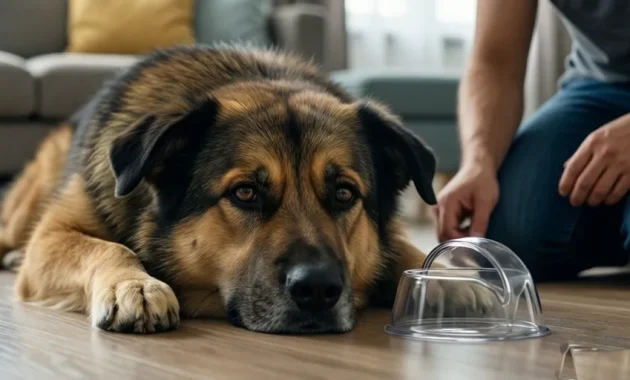
Few things disrupt a peaceful home faster than the unmistakable, rhythmic sound of a dog preparing to vomit. For pet parents, witnessing a beloved canine companion suddenly throw up can trigger an immediate wave of anxiety. However, before rushing to the clinic in a panic, it is essential to look at the situation with clear, analytical logic.
In veterinary medicine, vomiting is divided into two distinct categories: acute vomiting (a sudden, isolated event) and chronic vomiting (frequent, recurring episodes over a prolonged period). A single, isolated episode is often a natural bodily reflex. It is the canine body’s efficient way of clearing out un-digestible material, toxic substances, or a meal consumed far too quickly.
However, when vomiting becomes continuous, repetitive, or occurs in a senior dog with underlying health conditions, it shifts from a minor digestive upset to a critical clinical emergency. Unchecked, continuous vomiting rapidly drains the body of essential fluids, leading to dangerous electrolyte imbalances, severe dehydration, and eventual organ failure.
This comprehensive guide breaks down the biological triggers of canine vomiting, explores essential veterinary diagnostics, provides a safe home first-aid framework, and outlines exactly how to support your dog through recovery.
The Canine Gastric Matrix: Tracking Vomiting Triggers

To understand why your dog's stomach is reacting, we must look at the specific underlying issues that cause canine gastrointestinal distress.
                      [ Canine Gastric Distress Matrix ]
                                      │
       ┌──────────────────────────────┼──────────────────────────────┐
       ▼                              ▼                              ▼
 [ Dietary Infidelity ]       [ Internal Parasites ]         [ Systemic Pathogens ]
 ├── Scavenging raw garbage   ├── Hookworms & roundworms     ├── Parvovirus & Salmonella
 └── Sudden food transitions  └── Physical bowel lining scar └── Deep tissue inflammation
1. Dietary Infidelity and Rapid Ingredient Transitions
Dogs are naturally curious scavengers, often consuming things they shouldn't—such as rotting yard debris, animal feces, or kitchen scraps high in fat. This behavior, known clinically as dietary infidelity, causes acute irritation along the stomach lining (gastritis), resulting in a sudden purge of the stomach contents.
Similarly, a sudden change in your dog’s daily kibble brand or primary protein source without a proper transition period can shock their digestive enzymes, causing immediate nausea, vomiting, and loose stools.
When a dog experiences severe, continuous vomiting, it often indicates an active infection within the body. Viral pathogens like Parvovirus or Coronavirus actively destroy the delicate lining of the intestines, leading to severe fluid loss. Bacterial infections, such as Salmonella or E. coli, release harmful toxins that cause deep gastrointestinal inflammation.
In unspayed female dogs, persistent vomiting paired with increased thirst can also be a primary sign of pyometra—a severe, life-threatening bacterial infection of the uterus that requires emergency surgical intervention.
3. Internal Parasites and Intestinal Invasions
A heavy burden of internal parasites—such as roundworms, hookworms, whipworms, or microscopic protozoa like Giardia—can easily damage a dog's digestive health.
As these parasites attach to the intestinal walls to feed, they cause physical scarring, disrupt normal digestion, and trigger chronic inflammation. This constant irritation affects the natural movement of the gut, causing recurring vomiting episodes, a dull coat, a bloated stomach, and gradual weight loss.
4. Deep Organ Inflammation: Pancreatitis and Gallbladder Disease
The pancreas and gallbladder are crucial organs that produce the digestive enzymes and bile needed to break down foods. When a dog eats highly fatty human foods (like table scraps, bacon grease, or fried meats), the pancreas can become severely inflamed—a painful, dangerous condition called pancreatitis.
Ingestion of Fatty Foods ──► Excess Enzyme Release ──► Pancreatic Auto-Digestion ──► Severe Nausea
When pancreatitis strikes, the pancreas begins to digest its own tissues, causing intense abdominal pain, weakness, a distinctive "prayer position" (front paws down, hips up), and non-stop vomiting that cannot be resolved with home care alone.
5. Post-Surgical Nausea and Anesthetic Recovery
If your dog has recently undergone surgery, experiencing mild nausea or vomiting within the first 24 to 48 hours after being discharged is relatively common.
Modern general anesthetics and heavy pain relief medications can temporarily slow down natural gut movement and irritate the chemical receptors in the brain that trigger nausea. While this type of vomiting usually clears up on its own as the medication leaves the body, it must be monitored closely to ensure the dog does not accidentally inhale fluid into their lungs, which can cause aspiration pneumonia.
- 1. Dietary Infidelity and Rapid Ingredient Transitions
- 2. Microscopic Pathogens: Bacterial, Viral, and Uterine Infections
- 3. Internal Parasites and Intestinal Invasions
- 4. Deep Organ Inflammation: Pancreatitis and Gallbladder Disease
- 5. Post-Surgical Nausea and Anesthetic Recovery
- 1. Why is my dog vomiting suddenly?
- 2. When should I worry about my dog throwing up?
- 3. Can I treat mild vomiting at home?
- 4. What foods should I give a dog after vomiting?
- 5. Why is my dog vomiting white foam?
- 6. How long should I withhold food after my dog vomits?
- 7. Is vomiting common after surgery in dogs?
- 8. Can stress cause dogs to vomit?
- 9. What are signs of dehydration in a vomiting dog?
- 10. How can I prevent future vomiting episodes?
- 11. Why does my dog vomit after eating too fast?
- 12. Can parasites make dogs vomit?
- 13. What does blood in dog vomit mean?
- 14. Should I give my dog water after vomiting?
- 15. Can pancreatitis cause severe vomiting in dogs?
Clinical Diagnostics at the Veterinary Hospital
If your dog's vomiting does not stop within 24 hours, or if it is accompanied by extreme weakness, fever, or pale gums, a veterinarian must perform a complete diagnostic workup to identify the root cause.
┌───────────────────────────────────────────────────────────────────────────┐
│                    Veterinary Diagnostic Pipeline                        │
├───────────────────────────────────────────────────────────────────────────┤
│  • Blood Chemistry Panel  ──► Checks organ function and dehydration levels│
│  • Abdominal Radiographs  ──► Identifies swallowed objects or blockages    │
│  • Ultrasound Imaging     ──► Evaluates internal organ inflammation      │
│  • Endoscopy & Biopsy     ──► Collects tissue samples from the gut lining│
└───────────────────────────────────────────────────────────────────────────┘
Your vet will build a targeted treatment plan based on your dog's age, medical history, and a physical exam. To find the exact cause, they may use a variety of advanced testing tools:
Complete Blood Counts & Chemistry Panels: Evaluates hydration levels, checks white blood cell counts for signs of infection, and assesses kidney and liver function.
Abdominal Radiographs (X-Rays): Allows vets to spot swallowed foreign objects (like rocks, toys, or bones) and identify signs of an intestinal blockage.
Ultrasound & Endoscopy: Provides a clear view of internal tissue layers to identify organ inflammation, while endoscopy allows for low-impact tissue biopsies if chronic illness is suspected.
Step-by-Step Home First-Aid and Recovery Framework
If your dog experiences a mild, isolated bout of vomiting but remains bright, alert, and active, you can use this structured care plan to settle their stomach and support a smooth recovery at home:
When to Seek Immediate Emergency Veterinary Care
As a dedicated pet owner, you must know exactly when home care is safe and when your dog requires immediate emergency medical attention.
                  [ Canine Gastric Risk Assessment ]
                                  │
      ┌───────────────────────────┴───────────────────────────┐
      ▼                                                       ▼
 [ Safe for Home Management ]                           [ Immediate Veterinary Emergency ]
 ├── Bright, alert, and active                          ├── Lethargic, weak, or unresponsive
 ├── Single, isolated vomiting incident                 ├── Vomiting continuously for 24+ hours
 └── Retains normal energy levels                       └── Blood present in vomit or stool
Review this checklist immediately. If your dog shows any of the following warning signs, stop home care and drive to the nearest veterinary hospital right away:
The dog attempts to vomit repeatedly but produces only white foam or cannot bring anything up (a primary warning sign of Gastric Dilatation-Volvulus or "Bloat").
You see fresh red blood or dark, coffee-ground-like material in the vomit.
The dog is weak, unresponsive, cannot stand, or has pale, tacky, or purple gums.
The dog has a known history of swallowing foreign objects like clothing, toys, rocks, or bones.
The vomiting does not stop after 24 hours, or continues even after implementing a strict fluid fast.
Long-Term Preventive Strategies for Dynamic Gut Health
Once your dog has fully recovered, you can use these long-term preventive strategies to protect their digestive system and minimize the risk of future stomach issues:
Slow Down Fast Eaters: If your dog eats their meals far too quickly, they swallow large amounts of air, which can trigger gas, bloating, and vomiting. Use a slow-feeder bowl or interactive puzzle toys to pace their eating, encourage proper chewing, and protect their digestion.
Secure Trash Cans and Toxic Items: Keep all kitchen garbage bins tightly sealed with locking lids. When out for walks, use a short leash to prevent your dog from eating rotting items, wild mushrooms, or contaminated puddles.
Use a Structured Diet Transition: Whenever you switch your dog to a new food, always space the transition out over 7 to 10 days. Slowly mix increasing amounts of the new food into the old food to give their gut microbiome plenty of time to adapt.
By understanding the root causes of digestive issues, keeping a close eye on their behavior, and using a structured recovery approach, you can easily manage mild stomach upsets at home and ensure your canine companion stays happy, healthy, and full of life.
FAQ
1. Why is my dog vomiting suddenly?
Sudden vomiting in dogs is often caused by eating spoiled food, dietary changes, stomach irritation, parasites, infections, or consuming foreign objects. In some cases, it may indicate serious conditions like pancreatitis or intestinal blockage.
2. When should I worry about my dog throwing up?
You should seek veterinary care immediately if your dog vomits repeatedly for more than 24 hours, shows blood in vomit, becomes weak or lethargic, has pale gums, cannot keep water down, or tries to vomit without producing anything.
3. Can I treat mild vomiting at home?
Yes, mild isolated vomiting in an otherwise active dog can sometimes be managed at home with temporary fasting, small ice cubes for hydration, and a bland diet such as boiled chicken and rice. Monitor closely for worsening symptoms.
4. What foods should I give a dog after vomiting?
Offer a bland, easily digestible diet including boiled skinless chicken, plain white rice, or boiled potatoes without seasoning, oil, or butter. Feed small portions several times a day.
5. Why is my dog vomiting white foam?
White foam vomiting can result from an empty stomach, acid buildup, gastritis, or mild digestive irritation. However, repeated attempts to vomit foam may also signal dangerous conditions like bloat and require emergency care.
6. How long should I withhold food after my dog vomits?
Most veterinarians recommend withholding food for about 6 to 12 hours for mild cases, while allowing controlled hydration. Water should be reintroduced slowly to avoid triggering more vomiting.
7. Is vomiting common after surgery in dogs?
Yes, mild nausea or vomiting can occur within 24–48 hours after surgery due to anesthesia or pain medications. Persistent vomiting, weakness, or breathing issues should be evaluated by a veterinarian immediately.
8. Can stress cause dogs to vomit?
Yes, anxiety, stress, travel, loud environments, or sudden routine changes can upset a dog’s digestive system and trigger nausea or vomiting in sensitive dogs.
9. What are signs of dehydration in a vomiting dog?
Common signs include dry gums, sunken eyes, lethargy, skin that stays tented when pinched, weakness, and reduced urination. Severe dehydration is a veterinary emergency.
10. How can I prevent future vomiting episodes?
Preventive steps include avoiding sudden diet changes, using slow-feeder bowls, keeping trash secured, preventing scavenging outdoors, regular deworming, and scheduling routine veterinary checkups.
11. Why does my dog vomit after eating too fast?
Dogs that eat too quickly swallow excess air along with food, which can irritate the stomach and trigger regurgitation or vomiting shortly after meals.
12. Can parasites make dogs vomit?
Yes, intestinal parasites such as roundworms, hookworms, whipworms, and Giardia can inflame the digestive tract and cause chronic vomiting, diarrhea, bloating, and weight loss.
13. What does blood in dog vomit mean?
Bright red blood may indicate fresh bleeding in the stomach or throat, while dark coffee-ground material suggests partially digested blood from internal bleeding. Both require urgent veterinary attention.
14. Should I give my dog water after vomiting?
Avoid allowing large amounts of water immediately after vomiting. Offer small ice cubes or tiny sips gradually to prevent additional stomach irritation.
15. Can pancreatitis cause severe vomiting in dogs?
Yes, pancreatitis commonly causes intense vomiting, abdominal pain, weakness, loss of appetite, and dehydration, especially after consuming fatty foods or table scraps.