The Companion Guide to Feline Gastric Distress: Decoding White Foam Vomit and Navigating Gastrointestinal Flare-Ups
3 months ago
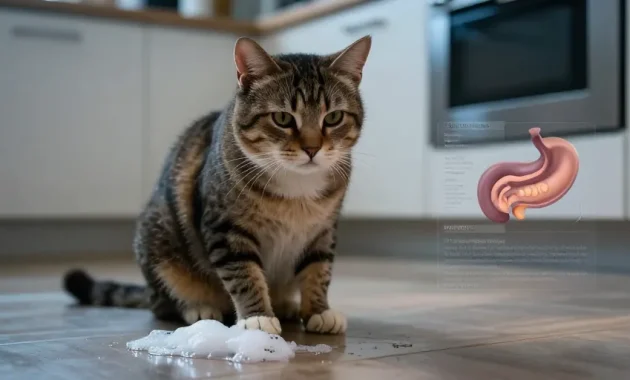
Discovering a puddle of clear or white frothy foam on the floor can be an unsettling experience for any pet parent. Unlike standard vomit, which typically contains recognizable chunks of undigested kibble or wet food, foaming at the mouth or vomiting pure froth indicates a very specific physiological state: your cat's stomach is completely empty.
When a cat expels foam, they are bringing up a mixture of gastric mucus, saliva, and occasionally a yellowish digestive fluid called bile. Because there is no food mass to absorb these fluids, the rapid churning motion of the stomach muscles whips the liquid into a frothy, aerated foam just before elimination.
This companion guide builds upon our comprehensive look at feline appetite loss to break down the mechanics of gastric irritation, explore hidden triggers, provide a clear veterinary assessment protocol, and give you actionable home care tips.
Anatomy of Gastric Irritation What Foam Really Means
To understand why your cat is throwing up foam, it helps to understand how a cat's digestive tract responds to an empty stomach.
[ Prolonged Fasting / Empty Stomach ] ──► [ Hydrochloric Acid Accumulates ] ──► [ Gastric Mucosa Irritation ] ──► [ Frothy Vomit Action ]
When a cat goes without food for an extended period, hydrochloric acid continues to build up in the stomach chamber. Without food to break down, this highly acidic fluid begins to irritate the sensitive stomach lining (the gastric mucosa). This irritation triggers a mild wave of reverse contractions, forcing up a mix of protective mucus and swallowed saliva, which is whipped into a white foam on the way out.
- Comprehensive Risk Assessment Matrix
- Step-by-Step Home Care and Gastrointestinal Rest Protocol
- Clinical Diagnostics — What to Expect at the Vet Hospital
- Proactive Prevention Strategies for Long-Term Gut Health
- Frequently Asked Questions (FAQ)
- 1. Why is my cat throwing up white foam?
- 2. Is it normal for cats to vomit foam occasionally?
- 3. What causes cats to vomit clear or foamy liquid?
- 4. When should I worry about my cat vomiting foam?
- 5. Can an empty stomach make cats throw up foam?
- 6. Why does my cat throw up foam in the morning?
- 7. Can stress cause foamy vomiting in cats?
- 8. What should I feed my cat after vomiting foam?
- 9. Should I give my cat water after vomiting?
- 10. How long should I wait before feeding my cat again?
- 11. Can hairballs cause cats to vomit foam?
- 12. Is yellow foam different from white foam?
- 13. Can kidney disease cause foamy vomiting in cats?
- 14. What are signs of a dangerous intestinal blockage in cats?
- 15. Why is my cat vomiting foam but still acting normal?
- 16. Can food allergies make cats vomit foam?
- 17. What tests will a vet perform for chronic vomiting?
- 18. Can dehydration happen quickly after vomiting?
- 19. How can I prevent my cat from vomiting foam?
- 20. Is foamy vomiting ever an emergency?
Comprehensive Risk Assessment Matrix
Not every episode of frothy vomit requires a midnight run to the emergency clinic. However, because cats are masters at hiding discomfort, you need to look at the whole picture—combining how often they are vomiting with their overall behavior.
                       [ Feline Vomiting Urgency Scale ]
                                        │
        ┌───────────────────────────────┴───────────────────────────────┐
        ▼                                                               ▼
 [ Green Flag: Monitor & Hydrate ]                             [ Red Flag: Seek Vet Care ]
 ├── Single isolated episode                                   ├── Three or more episodes in 24 hours
 ├── Cat remains bright and playful                            ├── Paired with lethargy or hiding
 └── Readily accepts water/bland food                          └── Suspected toxin or plastic ingestion
| Vomiting Frequency & Presentation | Accompanying Behavioral Signs | Clinical Interpretation | Recommended Action | Emergency Level |
| A single isolated puddle of clear or white foam. | Cat is bright, alert, responsive, and demanding their breakfast normally. | Mild, temporary stomach irritation from an empty stomach or a small, minor hairball movement. | Clean up the mess, offer a small portion of their regular meal, and monitor them closely over the next 12 hours. | Low: Safe to observe at home. |
| Two episodes spaced several hours apart within a 24-hour window. | Slightly quiet but still interactive; willing to drink water but hesitating around their food dish. | Potential early food sensitivity, mild gastritis, or a developing hairball blockage deeper in the tract. | Withhold food for 2 to 3 hours to let the stomach rest, then offer a tablespoon of plain boiled chicken or plain wet food. | Moderate: Plan to call the vet if it happens again. |
| Three or more episodes in less than 24 hours (or continuous dry heaving). | Lethargic, hiding away in dark closets, refusing all treats, or vocalizing in pain when touched. | Acute Gastric Distress. High risk for intestinal obstruction, toxic exposure, pancreatic flare-up, or systemic organ issues. | Call your veterinarian immediately. Do not wait for the symptoms to pass or give any home remedies. | High: Requires professional medical care. |
| Any volume of foam paired with flecked or dark red blood. | Weakness, pale gums, unsteadiness, or a sudden spike in body temperature. | Internal Trauma or Ulceration. Indicates active bleeding in the stomach lining or upper intestines. | Immediate Emergency Evacuation. Go straight to the nearest open animal hospital or emergency clinic. | Critical: Life-threatening emergency. |
Step-by-Step Home Care and Gastrointestinal Rest Protocol
If your cat has had only a single episode of fothy vomit and is acting completely normal, you can use this structured home care plan to help soothe their digestive system and prevent further irritation.
Clinical Diagnostics — What to Expect at the Vet Hospital
If your cat's vomiting triggers a red flag on the assessment matrix, your veterinarian will use a targeted series of diagnostic tools to pinpoint the exact cause of the irritation:
[ Physical Abdominal Palpation ] ──► [ Diagnostic Imaging / X-Rays ] ──► [ Comprehensive Blood Chemistry ]
1. Abdominal Palpation and Physical Examination
The veterinarian will gently press on your cat's abdomen to check for signs of pain, localized fluid buildup, or abnormal loops of tissue. This hands-on exam helps them check for obvious blockages, like a swallowed piece of string or a large, dense hairball stuck in the stomach exit.
2. Diagnostic Imaging (X-rays and Ultrasound)
Abdominal Radiographs (X-rays): These images are excellent for spotting dense foreign objects (like hair ties, buttons, or small toys) or identifying dangerous gas build-ups caused by a blocked intestine.
Abdominal Ultrasound: An ultrasound gives the vet a real-time look at the internal structure of the organs. It allows them to measure the thickness of the intestinal walls (checking for Inflammatory Bowel Disease) and evaluate the pancreas and liver for signs of active inflammation.
3. Comprehensive Lab Work
A full blood panel looks beyond the digestive tract to check your cat's systemic health:
Kidney & Liver Values: Checks for conditions like Chronic Kidney Disease (CKD), which can cause a buildup of toxins in the blood that triggers chronic nausea and frothy vomit.
Total T4 Thyroid Screening: High thyroid hormone levels (hyperthyroidism) can speed up a cat's metabolism, leading to increased hunger paired with frequent vomiting.
Proactive Prevention Strategies for Long-Term Gut Health
To lower the chances of future gastric flare-ups and keep your cat's digestive system running smoothly, consider adding these habits to your daily care routine:
Switch to Smaller, More Frequent Meals: If your cat throws up white foam bright and early in the morning, they are likely experiencing acid buildup from an empty stomach overnight. Try dividing their daily food into four or five smaller meals throughout the day, and give them a small bedtime snack right before you go to sleep to keep their stomach happily occupied overnight.
Use an Automated Microchip Feeder: If you work long hours, an automated feeder can dispense precise, small portions of kibble (like Pro Plan Adult Sensitive Skin & Stomach) throughout the day. This keeps a steady stream of easily digestible nutrition moving through their system, preventing acid from pooling in an empty stomach.
Brush Regularly to Reduce Hairballs: Swallowed fur is a common cause of stomach irritation. Regular brushing sessions remove loose undercoat fur before your cat can groom it away, drastically reducing the amount of hair that makes its way into their digestive tract.
Create a Safe, Cat-Proof Environment: Keep potential hazards like sewing thread, dental floss, plastic wrappers, and toxic houseplants safely out of reach. Ensuring your cat can't accidentally ingest these items is one of the best ways to protect them from a dangerous foreign body blockage.
Frequently Asked Questions (FAQ)
1. Why is my cat throwing up white foam?
White foam usually means your cat’s stomach is empty. The foam is made from stomach acid, mucus, and saliva that become aerated during vomiting.
2. Is it normal for cats to vomit foam occasionally?
A single isolated episode may not be serious, especially if your cat behaves normally afterward. Frequent or repeated vomiting should always be evaluated by a veterinarian.
3. What causes cats to vomit clear or foamy liquid?
Common causes include:
- Empty stomach acid buildup
- Hairballs
- Gastritis
- Stress
- Food sensitivities
- Intestinal blockage
- Kidney disease
- Pancreatitis
4. When should I worry about my cat vomiting foam?
Seek veterinary care immediately if:
- Vomiting happens more than 2–3 times in 24 hours
- Your cat becomes lethargic
- Blood appears in the vomit
- Your cat refuses food or water
- There are signs of pain or dehydration
5. Can an empty stomach make cats throw up foam?
Yes. Cats can develop acid irritation when the stomach stays empty too long, especially overnight, leading to white or yellow foamy vomit.
6. Why does my cat throw up foam in the morning?
Morning vomiting often happens because the stomach has been empty for many hours overnight, allowing stomach acid to build up and irritate the lining.
7. Can stress cause foamy vomiting in cats?
Yes. Anxiety and stress can disrupt digestion, increase stomach acid production, and trigger nausea or vomiting.
8. What should I feed my cat after vomiting foam?
Offer small amounts of bland, easy-to-digest food such as:
- Plain boiled chicken
- Sensitive stomach wet food
- Small portions of regular food after resting the stomach
9. Should I give my cat water after vomiting?
Yes, but only small amounts at a time. Giving too much water too quickly can trigger more vomiting.
10. How long should I wait before feeding my cat again?
After a mild vomiting episode, wait about 2 hours before slowly reintroducing water and food in very small amounts.
11. Can hairballs cause cats to vomit foam?
Absolutely. Hairballs can irritate the stomach and digestive tract, causing cats to gag and produce frothy vomit.
12. Is yellow foam different from white foam?
Yes. Yellow foam usually contains bile, a digestive fluid produced by the liver and gallbladder, often associated with an empty stomach or digestive irritation.
13. Can kidney disease cause foamy vomiting in cats?
Yes. Chronic kidney disease can lead to toxin buildup in the bloodstream, causing nausea, appetite loss, and frequent vomiting.
14. What are signs of a dangerous intestinal blockage in cats?
Warning signs include:
- Repeated vomiting
- Abdominal pain
- Lethargy
- Refusing food
- Constipation
- Hiding behavior
- Continuous dry heaving
15. Why is my cat vomiting foam but still acting normal?
A single mild episode may simply reflect temporary stomach irritation or hunger-related acid buildup. Monitor closely for worsening symptoms.
16. Can food allergies make cats vomit foam?
Yes. Food intolerances and allergies can irritate the digestive system and lead to chronic vomiting or nausea.
17. What tests will a vet perform for chronic vomiting?
Veterinarians may recommend:
- Blood tests
- X-rays
- Ultrasound
- Thyroid screening
- Fecal exams
- Gastrointestinal evaluations
18. Can dehydration happen quickly after vomiting?
Yes. Cats become dehydrated rapidly, especially if vomiting is frequent or paired with diarrhea or appetite loss.
19. How can I prevent my cat from vomiting foam?
Helpful prevention strategies include:
- Feeding smaller frequent meals
- Preventing hairballs with brushing
- Using sensitive stomach diets
- Providing fresh water
- Reducing stress
20. Is foamy vomiting ever an emergency?
Yes. Vomiting foam becomes an emergency if it includes blood, severe lethargy, collapse, repeated episodes, or signs of poisoning or intestinal blockage.