The Complete American Polydactyl Cat Manual: Genetics, Characteristics, and Care Guidelines
2 months ago
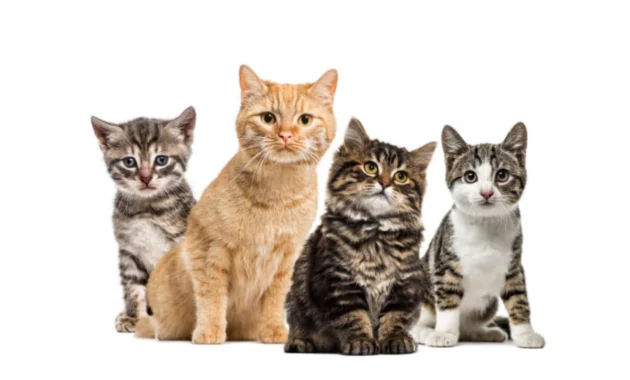
Few felines capture the imagination and affection of cat enthusiasts quite like the American Polydactyl Cat. Famed for their charmingly oversized paws that often look like mittens, these unique cats carry a rich maritime history, a deep connection to classic American literature, and a fascinating genetic blueprint.
Despite their distinct appearance and dedicated following, there is still a significant amount of confusion surrounding their classification. Many newcomers to the feline world wonder: Is the American Polydactyl a true, distinct breed, or is it a beautiful genetic variation found across multiple breeds?
This comprehensive guide will explore the world of polydactyl felines. We will break down the dominant genetic traits that create extra digits, look at the historical significance of these "mitten cats," analyze their personality traits, and provide essential health and grooming protocols to keep their unique paws in perfect condition.
The Breed Standard & Physical Matrix

Because polydactyly is a physical trait rather than a specific breed, their overall appearance can vary wildly. When these cats are exhibited in specialized cat registries under the name "American Polydactyl," their physical features depend entirely on their underlying genetic background.
┌───────────────────────────────────────────────────────────────────────────┐
│                    American Polydactyl Structural Matrix                   │
├───────────────────────────────────────────────────────────────────────────┤
│  • Head & Ears  ──► Variable; conforms to the specific breed lineage      │
│  • Coat & Color ──► Open spectrum; can be shorthair, longhair, or any tabby│
│  • Tail Shape   ──► Variable; ranges from long and plumed to bobbed       │
│  • Paws & Legs  ──► CRITICAL CRITERION: Must possess ≥1 extra functional   │
│                      or vestigial digit on at least one limb              │
└───────────────────────────────────────────────────────────────────────────┘
| Physical Feature | Phenotypic Variance & Standards |
| Origin | United States (primarily coastal maritime regions). |
| Average Height | 10 inches to 14 inches at the shoulder. |
| Adult Weight | 7 to 15 pounds (Medium to large-sized framework). |
| Average Lifespan | 14 to 16 years of age. |
| Primary Identifier | At least one extra toe on at least one foot (front paws are most common). |
| Eye Color | Variable; matches any color or pattern within feline genetics. |
- Deconstructing the Genetics of Polydactyly
- Historical Importance and the Hemingway Connection
- Understanding Behavior, Personality, and Intelligence
- Specialized Care and Grooming Protocols
- Health Considerations & Breed Comparison
- Long-Term Checklist for American Polydactyl Owners
- In Summary: Embracing the Magic of the Polydactyl
- FAQ About American Polydactyl Cats
- 1. What is an American Polydactyl cat?
- 2. Is the American Polydactyl a real cat breed?
- 3. How many toes does a polydactyl cat have?
- 4. Are extra toes harmful to cats?
- 5. Why are polydactyl cats called “Hemingway cats”?
- 6. Are polydactyl cats rare?
- 7. Do all kittens from a polydactyl cat inherit extra toes?
- 8. Can polydactyl cats use their extra toes like thumbs?
- 9. Do polydactyl cats need special grooming?
- 10. Are polydactyl cats more intelligent than regular cats?
- 11. What is the lifespan of an American Polydactyl cat?
- 12. Do polydactyl cats have different personalities?
- 13. Are polydactyl cats good with children and other pets?
- 14. What causes polydactyly in cats?
- 15. Do polydactyl cats need special litter or scratching posts?
Deconstructing the Genetics of Polydactyly
The word "polydactyl" comes from the Greek words poly (meaning "many") and daktylos (meaning "digits"). In mammalian genetics, polydactyly is a congenital physical variation where an animal is born with extra toes or fingers.
[ Normal Feline Genome ] ──► Pd Dominant Gene Expression ──► Altered Sonic Hedgehog Pathway ──► Extra Digit Formation
In cats, this condition is caused by a genetic mutation passed down via an autosomal dominant gene (often symbolized as Pd). This gene modifies the embryonic development of the limb buds during pregnancy.
If a parent cat carries the polydactyl gene, their kittens have a 50% or higher chance of inheriting extra digits. This mutation affects the signaling pathway of a key developmental protein known as Sonic Hedgehog, expanding the growing paw print to create extra bones and claws.
Anatomy of the Paw: Preaxial vs. Postaxial Variations
Polydactyly in felines typically presents in one of two distinct anatomical patterns:
                          [ Feline Polydactyly Matrix ]
                                        │
        ┌───────────────────────────────┴───────────────────────────────┐
        ▼                                                               ▼
 [ Preaxial Polydactyly ]                                [ Postaxial Polydactyly ]
 ├── Inside edge configuration                           ├── Outside edge configuration
 ├── "Mitten Paws" / Opposable thumb look                ├── "Snowshoe" / "Pancake Paws"
 └── Most common presentation                            └── Wide, flat skeletal footprint
1. Preaxial Polydactyly (The "Mitten Paw" Configuration)
This is the most common form of polydactyly found in American cats. The extra digits develop on the inside edge of the paw, where a dewclaw normally sits.
This layout creates a distinct "thumb-like" digit, giving the cat the appearance of wearing tiny mittens or possessing human-like opposable thumbs. While these extra toes cannot pinch objects like a human thumb, they are often surprisingly flexible.
2. Postaxial Polydactyly (The "Snowshoe" Configuration)
In this rarer configuration, the extra digits form on the outer edges of the paw structure. This creates a remarkably wide, flat skeletal layout.
Cats with this trait are often affectionately called "patty paws," "pancake paws," or "snowshoe cats" due to their broad, circular paws that distribute weight evenly across soft surfaces.
Historical Importance and the Hemingway Connection
Long before they were showcased in modern cat fancier clubs, polydactyl cats were highly prized by sailors across the Atlantic. During the 17th, 18th, and 19th centuries, these felines were considered good luck charms on commercial and military ships.
[ Wide Skeletal Footprint ] ──► Low Center of Gravity ──► Steady Balance on Rough Seas ──► Superior Ship Hunting
Sailors quickly noticed that cats with wide, oversized paws had an easier time maintaining their balance on rough, rolling seas. These extra claws also made them incredibly skilled hunters, allowing them to climb ship rigging easily and catch mice more effectively than normal cats, protecting valuable cargo from pests.
┌───────────────────────────────────────────────────────────────────────────┐
│                     The Hemingway Legacy at Key West                      │
├───────────────────────────────────────────────────────────────────────────┤
│  • Captain Stanley Dexter ──► Gifts white polydactyl kitten to Hemingway    │
│  • "Snow White"           ──► Foundations the Key West genetic lineage    │
│  • Modern Day (~50 Cats)  ──► 100% carry the gene; ~50% display extra toes│
└───────────────────────────────────────────────────────────────────────────┘
This maritime history is exactly how these cats made their way to the United States. In the 1930s, a ship captain named Stanley Dexter gifted a white polydactyl kitten named Snow White to the iconic American author Ernest Hemingway.
Hemingway fell in love with these unique cats, allowing them to roam freely around his beautiful estate in Key West, Florida. Today, that estate is a protected historical sanctuary home to approximately 50 direct descendants of Snow White.
While only about half of these resident cats display the physical extra toes, 100% of them carry the dominant gene in their DNA, making the property a true paradise for polydactyl cats.
Understanding Behavior, Personality, and Intelligence
Because they come from a variety of genetic backgrounds, American Polydactyl cats can display a wide range of temperaments. However, generations of owners have noted that these cats consistently share several wonderful personality traits:
┌───────────────────────────────────────────────────────────────────────────┐
│                    The Polydactyl Personality Profile                     │
├───────────────────────────────────────────────────────────────────────────┤
│  • Inquisitive Nature  ──► Uses wide paws to explore and examine objects  │
│  • Problem-Solving     ──► Cleverly manipulates doors, latches, and toys   │
│  • Social Confidence   ──► Highly affectionate and eager to bond with family│
└───────────────────────────────────────────────────────────────────────────┘
Inquisitive and Hands-On Explorers: Polydactyl cats are famous for using their paws much more actively than standard cats. They will routinely use their wide paws to scoop up food, open cabinets, open doors, and manipulate puzzle toys to see how they work.
Playful and Talented Hunters: Due to their extra claws and wide grip, these cats love active play. They excel at catching toys mid-air and retrieving thrown objects, showing off the athletic hunting skills that once made them so popular on sailing ships.
Affectionate Companion Pets: These cats are widely known for their friendly, outgoing personalities. They tend to form deep bonds with their human families and adapt well to busy households with children or other pets.
Specialized Care and Grooming Protocols
While American Polydactyl cats do not require a specialized raw diet or unique nutritional formulas, their extra digits do mean they need a dedicated paw and claw grooming routine to prevent painful ingrown nails and mobility issues.
[ Extra Mitten Digit ] ──► Hidden Central Crevice ──► Trapped Dirt & Litter ──► Inverted Nail Growth
The Ultimate Polydactyl Nail Trimming Framework
Health Considerations & Breed Comparison
A common concern among future owners is whether having extra toes causes long-term health problems or joint pain. It is important to know that polydactyly itself is a harmless physical trait, not a painful deformity. These extra toes do not cause arthritis or balance issues.
However, you must distinguish harmless polydactyly from a completely unrelated genetic condition called Feline Radial Hypoplasia (Radial Hemimelia).
In cats with radial hypoplasia, a genetic defect causes the long bones in the front legs to underdevelop, causing them to twist inward like a twist-legged cat. Responsible breeders track their lineages carefully to ensure they are breeding healthy polydactyl cats, not cats with painful bone deformities.
Phenotypic Comparison: Polydactyl vs. Standard Breeds
| Structural Property | Standard Domestic Feline | American Polydactyl Cat |
| Total Digit Count | 18 toes total (5 on each front paw, 4 on each back paw). | Variable (Typically 22 to 28 toes total). Must have at least one extra digit. |
| World Record Maximum | 18 toes. | 28 toes total (Held jointly by record-holders Paws and Jake). |
| Paw Surface Area | Standard circular footprint. | Doubled surface area (Provides excellent balance on uneven surfaces). |
| Claw Care Needs | Standard scratching post maintenance. | High maintenance. Requires frequent trimming of hidden, non-contact claws. |
Long-Term Checklist for American Polydactyl Owners
If you are planning to welcome one of these charming felines into your home, use this checklist to ensure you have everything you need for their care:
[ ] High-Quality Professional Nail Clippers: Scissor-style clippers designed specifically for cats to handle thick, extra claws.
[ ] Heavy-Duty Sisal Scratching Pillars: Extra-wide posts that can handle the scratching force of oversized paws.
[ ] Non-Tracking Cat Litter: High-quality paper pellets or large-grain pine litter to prevent small clay particles from sticking inside their paw crevices.
[ ] Routine Paw Massages: Practice handling your kitten's paws during quiet cuddle times so they feel calm and relaxed during their bi-weekly nail trims.
[ ] Interactive Laser and Fishing Rod Toys: Fun toys that encourage them to stretch their wide paws and use their natural hunting instincts.
In Summary: Embracing the Magic of the Polydactyl
The American Polydactyl cat continues to win hearts around the world with its striking looks, historic charm, and playful, engaging personality. Whether you are visiting the famous descendants at Ernest Hemingway's estate in Florida or adopting a mitten-pawed companion of your own, these cats are a wonderful reminder of the beautiful variety of the feline world.
By keeping up with their unique nail care needs and giving them plenty of mental and physical stimulation, your American Polydactyl will reward you with a lifetime of love, companionship, and clever entertainment.
FAQ About American Polydactyl Cats
1. What is an American Polydactyl cat?
An American Polydactyl cat is a cat born with extra toes due to a natural genetic mutation called polydactyly. These cats are famous for their oversized “mitten-like” paws and can belong to many different cat breeds or domestic cat lineages.
2. Is the American Polydactyl a real cat breed?
Not exactly. Polydactyly is considered a genetic trait rather than a separate breed by many major cat registries. However, some organizations recognize “American Polydactyl” as a developing breed category with specific standards.
3. How many toes does a polydactyl cat have?
A normal cat has 18 toes total. Polydactyl cats can have anywhere from 20 to 28 toes depending on the genetic expression.
4. Are extra toes harmful to cats?
In most cases, no. Polydactyly itself is harmless and does not cause pain or mobility problems. However, extra claws may require more grooming to prevent ingrown nails or infections.
5. Why are polydactyl cats called “Hemingway cats”?
They are called Hemingway cats because author Ernest Hemingway owned several polydactyl cats at his home in Key West, Florida. Many descendants of those cats still live at the famous Hemingway estate today.
6. Are polydactyl cats rare?
They are uncommon but not extremely rare. Polydactyl cats are more commonly found in coastal regions of the United States, Canada, and parts of the United Kingdom.
7. Do all kittens from a polydactyl cat inherit extra toes?
Not always. Since the trait is caused by a dominant gene, kittens have roughly a 50% chance of inheriting polydactyly if one parent carries the gene.
8. Can polydactyl cats use their extra toes like thumbs?
Some polydactyl cats have very flexible extra digits that resemble thumbs. While they cannot fully grasp objects like humans, many owners report that these cats can open doors, hold toys, and manipulate objects better than regular cats.
9. Do polydactyl cats need special grooming?
Yes. Their extra toes can create hidden spaces where dirt and litter collect easily. Owners should regularly inspect and trim all claws, especially hidden claws that may not wear down naturally.
10. Are polydactyl cats more intelligent than regular cats?
There is no scientific proof that polydactyl cats are smarter, but many owners describe them as highly curious, playful, and excellent problem-solvers.
11. What is the lifespan of an American Polydactyl cat?
Most healthy American Polydactyl cats live between 14 and 16 years, though many can live longer with proper care, nutrition, and regular veterinary checkups.
12. Do polydactyl cats have different personalities?
Their personalities vary depending on their breed background, but they are commonly described as affectionate, social, playful, and confident companions.
13. Are polydactyl cats good with children and other pets?
Yes. Most American Polydactyl cats adapt very well to families, children, and multi-pet households due to their friendly and outgoing nature.
14. What causes polydactyly in cats?
Polydactyly is caused by a dominant genetic mutation that affects limb development during embryonic growth, leading to the formation of extra toes.
15. Do polydactyl cats need special litter or scratching posts?
Wide scratching posts and low-tracking litter are recommended because their larger paws can trap small litter particles more easily, and they often apply stronger scratching force than standard cats.