Comprehensive Veterinary Guide: Pathogenesis of Feline Diarrhea and Immediate Gastrointestinal First Aid
2 months ago
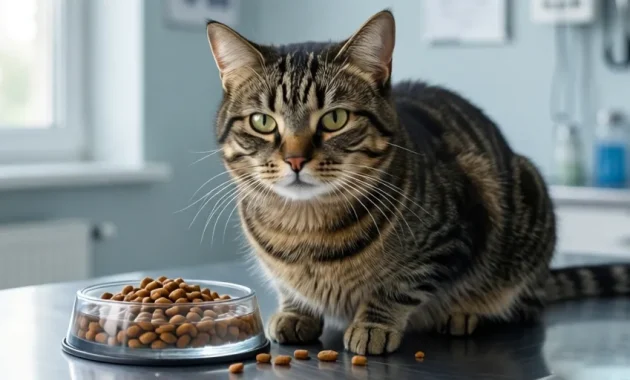
In feline internal medicine, diarrhea—clinically termed feline hematochezia or exudative enteropathy depending on its visual markers—is not a standalone disease, but a clinical symptom of underlying digestive dysfunction.
Healthy intestines absorb water and nutrients back into the body while forming solid waste. When something irritates or damages the lining of the gut, this absorption process breaks down, leading to rapid fluid loss.
               THE DEHYDRATION FLUID LOSS SYSTEM

  [ Healthy Gut Function ] ──► Maximum Water Reabsorption ──► Solid Formed Stool
                                                                    │
                                                                    ▼
  [ Inflamed Gut Lining ]  ──► Rapid Fluid Exudation     ──► Voluminous Loose Stool
                                                                    │
                                                                    ▼
  [ Secondary Systemic Impact ] ───────────────────────────► Severe Hypovolemic Dehydration
Because cats are desert-evolved animals, their bodies are highly dependent on conserving fluids through efficient kidney function and intestinal absorption. When acute diarrhea disrupts this balance, cats can lose essential fluids and electrolytes at an alarming rate, quickly leading to life-threatening dehydration (hypovolemic dehydration), weakness, and metabolic imbalances.
Understanding what triggers this fluid shift is crucial for providing effective first aid.
The Four Clinical Pillars of Feline Diarrhea Pathogenesis
                     THE FOUR MAIN DIARRHEA TRIGGERS

               ┌───────────────────────┴───────────────────────┐
               ▼                                               ▼
     [ Dietary Infractions ]                        [ Pathogenic Threats ]
     • Sudden Diet Transitions                      • Deadly Viral Loads (FPV)
     • Allergic Protein Flares                      • Parasitic & Bacterial Colonization
1. Diet Changes Without a Transition Phase
A cat's gut microbiome is highly sensitive and relies on a stable population of beneficial microbes to break down food. When an owner suddenly switches brands or formulas without a transition period, these microbes are caught off guard:
The unexpected influx of unfamiliar ingredients causes food to ferment improperly in the colon.
This triggers osmotic diarrhea, where the intestines pull water out of the body and into the gut to flush out the undigested food.
2. Immune-Mediated Food Allergies
Feline food allergies typically target specific dietary proteins (like beef, dairy, or chicken). When a sensitive cat eats these proteins, their immune system misidentifies them as dangerous invaders:
The body releases a flood of inflammatory chemicals directly into the gut lining.
This chronic inflammation leaves the intestinal walls swollen and irritated, destroying the microscopic villi responsible for absorbing nutrients and fluids.
3. Food Toxins and Ingested Poisons
Cats lack several key liver enzymes needed to process compounds commonly found in human food. When a cat eats spoiled meat, expired treats, or toxic human foods, the results are immediate:
Onions and Garlic: Contain thiosulfate, which destroys red blood cells and causes severe anemia.
Chocolate: Contains theobromine, which places an immediate, dangerous strain on the heart and nervous system.
Raw Eggs: Introduce a high risk of food poisoning while blocking biotin absorption, which is vital for skin and coat health.
When dangerous microorganisms find their way into a cat's digestive tract, they cause extensive, painful damage to the intestinal walls:
- 1. Diet Changes Without a Transition Phase
- 2. Immune-Mediated Food Allergies
- 3. Food Toxins and Ingested Poisons
- 4. Viral, Bacterial, and Parasitic Infections
- 1. What is the most common cause of diarrhea in cats?
- 2. Is diarrhea in cats considered an emergency?
- 3. How long can a cat have diarrhea before seeing a veterinarian?
- 4. Can diarrhea cause dehydration in cats?
- 5. How can I tell if my cat is dehydrated?
- 6. Should I stop feeding my cat if it has diarrhea?
- 7. Is wet food better than dry food during diarrhea?
- 8. Can changing cat food suddenly cause diarrhea?
- 9. Are probiotics helpful for cats with diarrhea?
- 10. Can food allergies cause chronic diarrhea in cats?
- 11. What does blood in a cat’s stool mean?
- 12. Can stress cause diarrhea in cats?
- 13. Are kittens more vulnerable to diarrhea than adult cats?
- 14. What foods should I avoid giving a cat with diarrhea?
- 15. When should I take my cat to an emergency veterinary clinic?
- 16. Can intestinal parasites cause diarrhea in cats?
- 17. How can I help prevent diarrhea in my cat?
- 18. Will mild diarrhea go away on its own?
Veterinary First Aid Protocol for Acute Diarrhea
If your cat experiences a sudden bout of diarrhea but remains active and alert, you can implement immediate at-home care steps to help stabilize their gut.
Step-by-Step Gastrointestinal Stabilization
Clinical Warning: Remove broth-spiked water bowls within a few hours if left undrunk, as warm meat broths can quickly become a breeding ground for dangerous bacteria.
For cats that prefer wet food, Pro Plan Wet Sensitive offers an $80\%$ moisture content paired with easy-to-digest, high-quality proteins that deliver essential nutrients without overworking an inflamed digestive tract.
Clinical Red Flags When to Seek Emergency Care
While mild diarrhea caused by a minor dietary indiscretion can often be resolved at home within 24 to 48 hours, certain signs indicate a serious underlying medical emergency.
                     EMERGENCY RED FLAG MONITOR
                                  │
         ┌────────────────────────┴────────────────────────┐
         ▼                                                 ▼
   [ SEEK EMERGENCY VET CARE ]                     [ SAFE AT-HOME OBSERVE ]
   • More than 3 liquid stools in 24 hours.        • Only 1-2 mild loose stools.
   • Stools contain dark or bright red blood.      • Normal energy, bright eyes.
   • Accompanied by frequent vomiting or lethargy. • Eating and drinking normally.
Go directly to a veterinary hospital if you notice any of these high-risk clinical symptoms:
High Frequency: Your cat passes more than 3 watery stools in a single 24-hour period.
Visible Blood: The stool contains bright red blood (hematochezia) or looks dark, tarry, and black (melena), which points to internal bleeding in the stomach or upper intestines.
Systemic Illness: The diarrhea is accompanied by repeated vomiting, a high fever, visible weakness, or severe lethargy.
Conclusion: Safeguarding Long-Term Digestive Health
Managing feline diarrhea requires a careful balance of identifying environmental triggers and providing immediate hydration support. By recognizing early signs of distress—like sudden changes in bowel habits—and responding with targeted nutrition and proper hydration, you can protect your cat from the dangerous cycle of dehydration.
Always remember that while at-home first aid is an excellent first step for mild digestive issues, it should never replace professional veterinary care if your cat shows signs of systemic illness or persistent diarrhea.
FAQ: Cat Diarrhea – Causes, Treatment, and When to Worry
1. What is the most common cause of diarrhea in cats?
The most common causes include sudden diet changes, food intolerances, food allergies, intestinal parasites, bacterial infections, viral diseases, and consuming spoiled or inappropriate food.
2. Is diarrhea in cats considered an emergency?
Not always. A single episode of mild diarrhea in an otherwise healthy cat may resolve on its own. However, repeated watery stools, blood in the stool, vomiting, lethargy, or signs of dehydration require immediate veterinary attention.
3. How long can a cat have diarrhea before seeing a veterinarian?
If diarrhea lasts longer than 24 to 48 hours, or if your cat is very young, elderly, or has an existing medical condition, contact your veterinarian as soon as possible.
4. Can diarrhea cause dehydration in cats?
Yes. Cats can lose significant amounts of water and electrolytes through diarrhea, leading to dehydration, weakness, and potentially serious complications if not treated promptly.
5. How can I tell if my cat is dehydrated?
Common signs include dry gums, sunken eyes, lethargy, decreased appetite, and reduced skin elasticity. Severe dehydration is a medical emergency and requires immediate veterinary care.
6. Should I stop feeding my cat if it has diarrhea?
No. Cats should not be fasted for extended periods because prolonged food refusal can increase the risk of hepatic lipidosis (fatty liver disease). Instead, offer small portions of easily digestible, veterinarian-approved food.
7. Is wet food better than dry food during diarrhea?
Wet food is often preferred because it contains more moisture, helping support hydration while being easier on the digestive system.
8. Can changing cat food suddenly cause diarrhea?
Yes. Abrupt diet changes can disrupt the gut microbiome and trigger digestive upset. New foods should be introduced gradually over 7 to 10 days whenever possible.
9. Are probiotics helpful for cats with diarrhea?
Many veterinary-approved probiotics can help restore healthy gut bacteria, improve digestion, and support recovery from mild digestive disturbances.
10. Can food allergies cause chronic diarrhea in cats?
Yes. Some cats develop allergies or sensitivities to specific proteins such as chicken, beef, dairy, or fish, which may lead to recurring diarrhea and digestive inflammation.
11. What does blood in a cat’s stool mean?
Bright red blood may indicate irritation or inflammation in the lower intestines, while black, tarry stools can signal bleeding higher in the digestive tract. Both situations should be evaluated by a veterinarian.
12. Can stress cause diarrhea in cats?
Yes. Environmental changes, travel, new pets, moving homes, or other stressful events can sometimes trigger temporary digestive upset and diarrhea.
13. Are kittens more vulnerable to diarrhea than adult cats?
Absolutely. Kittens can become dehydrated much faster than adult cats and are at greater risk of complications from parasites, infections, and nutritional imbalances.
14. What foods should I avoid giving a cat with diarrhea?
Avoid dairy products, fatty foods, spicy foods, human snacks, raw meat of uncertain quality, and any sudden dietary changes that may further irritate the digestive system.
15. When should I take my cat to an emergency veterinary clinic?
Seek emergency care immediately if your cat has:
- More than three episodes of watery diarrhea within 24 hours
- Blood in the stool
- Persistent vomiting
- Severe lethargy or weakness
- Signs of dehydration
- Refusal to eat or drink
- Fever or significant weight loss
16. Can intestinal parasites cause diarrhea in cats?
Yes. Parasites such as Giardia, roundworms, hookworms, and coccidia are common causes of diarrhea, especially in kittens and outdoor cats.
17. How can I help prevent diarrhea in my cat?
Maintain a consistent diet, introduce food changes gradually, provide clean water, keep vaccinations current, use parasite prevention as recommended by your veterinarian, and avoid feeding unsafe human foods.
18. Will mild diarrhea go away on its own?
Some mild cases caused by minor dietary indiscretions may resolve within a day or two. However, ongoing symptoms or any signs of illness should always be assessed by a veterinarian.