Clinical Ocular Manual: Pathophysiology and Emergency Management of Epiphora (Watery Eyes) in Kittens and Adult Felines
2 months ago
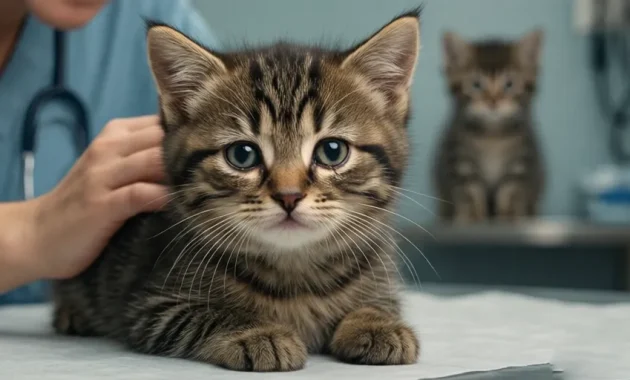
An acute or chronic onset of clear fluid or purulent discharge escaping the feline ocular structure—medically classified as epiphora—is a highly significant diagnostic indicator. While many pet owners ("PetLovers") mistake watery eyes for a minor, transient issue or even an emotional response, felines do not produce tears due to psychological states.
Instead, a watery eye is a direct structural defense mechanism or a clinical manifestation of localized trauma, cellular irritation, hereditary anatomical defects, or systemic pathogenic invasions. Because a kitten's ocular anatomy is closely linked to their upper respiratory and neurological networks, ignoring chronic epiphora can lead to permanent corneal scarring, deep-tissue blindness, or fatal systemic infections like pneumonia.
This clinical manual breaks down the seven primary causes of feline epiphora, provides step-by-step home stabilization protocols, and highlights how targeted immunology-backed nutrition can help protect your developing kitten's vision.
The 7 Primary Causes of Feline Epiphora (Watery Eyes)
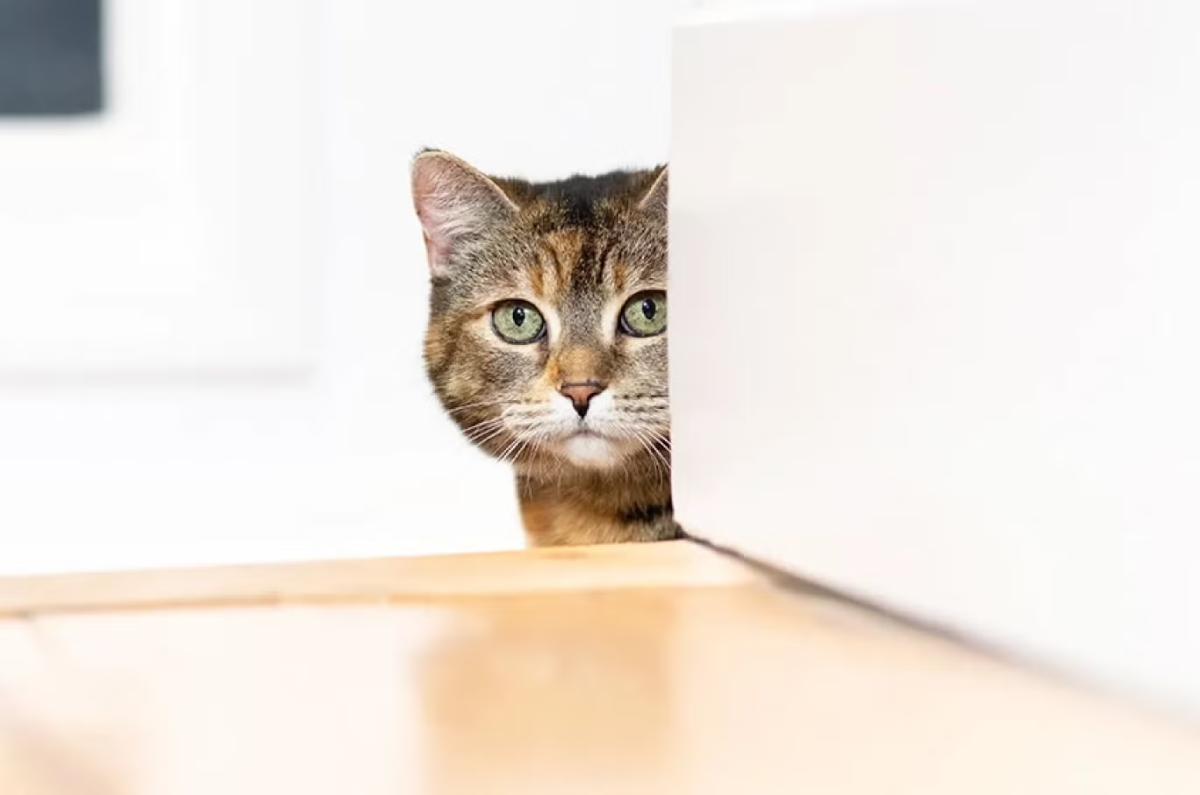
To resolve ocular distress, you must isolate the underlying root cause. Epiphora typically stems from one of these seven etiologies:
                        THE FELINE EPIPHORA DIAGNOSTIC MATRIX

  [ ANATOMICAL ]   ──► Brachycephalic facial compression (Persian, Himalayan)
  [ MECHANICAL ]   ──► Foreign body entry, dust, direct corneal claw scratches
  [ IMMUNOLOGICAL ]──► Allergen-induced histamine waves, airborne irritants
  [ PATHOGENIC ]   ──► Chlamydia felis, Eye Worms (Thelazia), FHV-1, Calicivirus
1. Genetic and Brachycephalic Anatomical Compression
Hereditary skeletal structures are a major cause of chronic watery eyes in purebred felines.
The Mechanics of Drainage Obstruction: Flat-faced or brachycephalic breeds—such as Persians, Himalayans, and Exotic Shorthairs—possess shortened facial bones and compressed nasal cavities. This structural compression alters the anatomy of the nasolacrimal drainage system—the natural internal piping that vents tear fluid from the eyes down into the nasal passages.
Overflow Presentation: Because these drainage channels are bent, crimped, or structurally blocked by the flat bone framework, tears cannot drain into the nose. Instead, the fluid overflows continuously over the lower eyelids, leading to chronic staining, wet facial folds, and secondary localized dermatitis.
2. Ocular Irritation and Corneal Cellular Stress
The feline cornea is lined with sensitive nerve endings designed to detect micro-vibrations and threats.
Hyper-Lacrimation Reflex: When the delicate outer surface of the eye (the cornea or conjunctiva) encounters minor abrasions or chemical irritants, it sends immediate emergency signals to the lacrimal glands. These glands respond by producing a massive rush of tears to flush the surface, attempting to wash away the irritant and protect the underlying eye tissue.
3. Bacterial Infections and Parasitic Ocular Infestations
Pathogenic micro-organisms and larger parasites can directly colonize the ocular membranes, triggering intense inflammatory responses.
Chlamydophila felis (Ocular Chlamydiosis): This specialized bacterium targets the conjunctival membranes and the upper respiratory tract. It triggers severe conjunctivitis, marked by bright red swelling of the inner eyelids, clear-to-mucus watery discharge, and intense discomfort. If left untreated by localized antibiotics, the infection can travel down the trachea into the lower respiratory tract, resulting in life-threatening bacterial pneumonia.
Ocular Nematodes (Thelazia californiensis & Thelazia callipaeda): Commonly known as "eye worms," these parasitic nematodes invade the tear ducts and the conjunctival sac beneath the third eyelid.
The Role of Vectors: Common houseflies and filth flies act as intermediate hosts, depositing micro-larvae directly onto the wet surfaces of the kitten's eye while they rest. As the worms grow into adulthood inside the eye cavity, their physical movement slices against the corneal tissues, causing the kitten to squint, experience severe epiphora, and scratch frantically at their face.
                     THELAZIA NEMATODE TRANSMISSION VECTOR

  Filth Fly (Carrying Larvae) ──► Deposits Larvae on Wet Ocular Membrane
                                               │
                                               ▼
  Worms Mature in Tear Ducts ◄── Slices Corneal Tissue ◄── Epiphora & Squinting
The most common cause of sudden katarak, sticky eyelids, and watery eyes in kittens is the Upper Respiratory Infection (URI) Complex, frequently referred to as "cat flu."
Feline Herpesvirus-1 (FHV-1 / Rhinotracheitis): This aggressive virus specifically targets the upper respiratory epithelial cells and corneal tissues. It causes severe, painful corneal ulcers and a heavy, sticky, purulent (pus-filled) discharge that can literally glue a kitten's eyelids shut. Once infected, the virus remains dormant in the cat's nerve ganglia for life, flaring up during periods of stress.
Feline Calicivirus (FCV): While FCV is notorious for causing painful ulcers on the tongue and oral cavity, it also causes widespread upper respiratory inflammation, leading to continuous watery eyes and sneezing.
5. Allergen-Induced Histamine Reactions
Felines possess highly reactive immune systems that can overreact to environmental proteins.
Airborne Triggers: Household dust, chemical perfumes, essential oil diffusers, scented litter formulas, and cigarette smoke can land on the wet surface of the eye or be inhaled into the nasal passages.
The Allergic Cascade: This contact triggers local mast cells to release a wave of histamines. The clinical presentation is clear, bilateral (both eyes) watery discharge, frequent sneezing, and visible behavioral rubbing where the kitten uses their paws to scratch at their itchy eyelids.
6. Mechanical Impact with Foreign Bodies
Environmental Debris: Small particles like sharp splinters of wood, dried grass seed hulls (foxtails), construction dust, or loose fur can easily slip beneath the eyelids. Once trapped, these foreign bodies rub against the cornea with every single blink, acting like sandpaper and causing rapid tear overproduction, corneal abrasions, and potential blinding infections if not carefully flushed out.
7. Playtime Trauma (Intra-Litter Claw Scratches)
Micro-Claw Abrasions: Kittens learn social structures and hunting mechanics through active play fighting with their littermates. However, young kittens lack precise motor control and have razor-sharp, unretracted claws. A quick, accidental swipe across the face during a wrestling match can slice open the cornea (corneal laceration), causing immediate, severe, one-sided epiphora, cloudiness of the eye, and intense pain.
- 1. Genetic and Brachycephalic Anatomical Compression
- 2. Ocular Irritation and Corneal Cellular Stress
- 3. Bacterial Infections and Parasitic Ocular Infestations
- 4. Upper Respiratory Infections (URI) and Viral Complexes
- 5. Allergen-Induced Histamine Reactions
- 6. Mechanical Impact with Foreign Bodies
- 7. Playtime Trauma (Intra-Litter Claw Scratches)
- 1. Why are my cat's eyes watering constantly?
- 2. Are watery eyes in kittens normal?
- 3. Can cat flu cause watery eyes?
- 4. How can I clean my cat's watery eyes safely?
- 5. Should I use human eye drops on my cat?
- 6. Why does my Persian cat always have tear stains?
- 7. Can allergies cause watery eyes in cats?
- 8. What should I do if my cat has one watery eye?
- 9. Can eye infections spread from one cat to another?
- 10. How do I know if my cat's watery eye is serious?
- 11. Can a foreign object cause excessive tearing?
- 12. What are eye worms in cats?
- 13. Can poor nutrition affect my kitten's eye health?
- 14. When should I take my kitten to the vet for watery eyes?
- 15. Can watery eyes lead to blindness?
Home Stabilization and First-Aid Protocols
If your kitten or adult cat displays watery eyes, you can safely apply the following veterinary first-aid protocols at home to alleviate discomfort and prevent secondary complications while tracking the progression of the condition.
Home Ocular Care and Decontamination Guidelines
Immunology-Backed Nutritional Intervention
A kitten’s native immune system undergoes a critical vulnerability window known as the "immunity gap." This occurs as the maternal antibodies received from the mother's milk naturally decline, but the kitten’s own adaptive immune system has not yet fully matured. During this vulnerable phase, they are highly susceptible to the viral and bacterial respiratory-ocular complexes described above.
To reinforce their internal defenses and support their physical development, specialized nutrition containing advanced immunological boosters is vital.
                      THE KITTEN IMMUNITY GAP SOLUTION

  Maternal Antibodies Drop ──► [ Vulnerability Window ] ──► Pathogens Attack Eyes/Lungs
                                        │
                                        ▼
  Incorporate Active Colostrum ──► Bridges the Gap ──► Boosts Systemic System & Vision
Advanced Nutritional Defense: Pro Plan Kitten Starter
Specifically engineered for weaning kittens starting from 3 to 5 weeks up to 6 months of age, this formula serves as a nutritional shield during this critical growth stage.
Immune Support via Real Colostrum: The key nutritional breakthrough in Pro Plan Kitten Starter is the addition of colostrum—the nutrient-rich first milk produced by mothers after birth. This dietary colostrum provides a concentrated source of active immunoglobulins (antibodies) and bioactive proteins. When digested by the kitten, it helps bridge the immunity gap, strengthening their systemic immune response to help them fight off the respiratory viruses and bacteria that cause watery eyes and runny noses.
Vision and Cognitive Development (DHA Loading): Formulated with high levels of DHA (Docosahexaegenoic Acid), an essential Omega-3 fatty acid sourced directly from premium salmon and tuna meat. DHA is a major structural component of the retina in the eye and the cerebral cortex in the brain. Providing adequate dietary DHA ensures optimal visual acuity, healthy retinal development, and sharp cognitive function as your kitten grows.
High Digestibility for Fragile Systems: Young kittens have delicate digestive systems. This formula uses real salmon and tuna as the primary protein sources, making it highly digestible. This ensures optimal nutrient absorption without overloading their developing stomach and intestines.
Easy Hydration Texturing: The kibble bits are specifically engineered to absorb liquid rapidly. By mixing in a small amount of warm water, you can easily soften the kibble into a smooth, easy-to-lap porridge, ensuring that even the youngest weaning kittens can eat comfortably while receiving additional hydration.
This advanced, life-stage-specific kitten formula is easily accessible online through the official Pro Plan stores on premium e-commerce channels, including Lazada, Shopee, and Tokopedia.
When to Seek Emergency Veterinary Triage
While keeping your environment clean and practicing regular warm-water wiping can manage mild epiphora caused by simple dust or breed anatomy, you must watch for signs that require immediate professional care. Take your cat to a veterinary clinic instantly if you observe any of the following clinical indicators:
                   FELINE OCULAR EMERGENCY RED FLAGS

  [ FLAG 1: BLEPHAROSPASM ] ──► Cat holds eye tightly closed or blinks constantly (Severe Pain).
  [ FLAG 2: BLEEDING/PUS ]  ──► Discharge changes to thick, opaque yellow, green, or blood-streaked.
  [ FLAG 3: ANISOCORIA ]     ──► Pupils are different sizes, or corneal surface looks cloudy/milky.
  [ FLAG 4: PROTRUSION ]    ──► The third eyelid permanently covers more than half of the eye globe.
Active Blepharospasm (Severe Pain): The cat or kitten holds one or both eyes tightly shut, squints constantly, or winces away when light enters the room. This indicates intense ocular pain, often caused by a deep corneal ulcer or a sharp foreign body embedded in the eye.
Purulent or Sanginous Discharge: The eye discharge transitions from clear, watery fluid to a thick, sticky, opaque yellow or green pus, or shows streaks of fresh blood. This is a clear indicator of an active, aggressive bacterial infection that requires prescription topical antibiotics.
Corneal Opacity or Anisocoria: The surface of the eyeball loses its crystal-clear shine and takes on a cloudy, milky, or bluish tint, or the two pupils are visibly different sizes (anisocoria). These signs point to deep internal eye structures being compromised, risking permanent blindness if not treated immediately.
Permanent Protrusion of the Nictitating Membrane: The third eyelid (the pale membrane located at the inner corner of the eye) remains drawn closed, permanently covering more than half of the ocular globe. This is a systemic warning sign that the animal is fighting off a severe infection, experiencing high fever, or suffering from local neurological damage.
By understanding the physiological causes of watery eyes, maintaining a clean environment, providing immune-boosting nutrition like Pro Plan Kitten Starter, and acting quickly when warning signs appear, you can protect your feline companion's vision and ensure they grow up healthy and comfortable.
Frequently Asked Questions (FAQ)
1. Why are my cat's eyes watering constantly?
Constant watery eyes (epiphora) can be caused by allergies, eye infections, foreign objects, blocked tear ducts, corneal injuries, or breed-related anatomical issues, especially in flat-faced cats like Persians and Himalayans.
2. Are watery eyes in kittens normal?
Occasional mild tearing may occur due to dust or minor irritation, but persistent watery eyes in kittens can indicate upper respiratory infections, feline herpesvirus, conjunctivitis, or congenital tear duct problems that require veterinary attention.
3. Can cat flu cause watery eyes?
Yes. Feline upper respiratory infections, particularly Feline Herpesvirus-1 (FHV-1) and Feline Calicivirus (FCV), commonly cause watery eyes, sneezing, nasal discharge, and conjunctivitis.
4. How can I clean my cat's watery eyes safely?
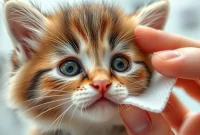
Use a clean cotton pad or sterile gauze soaked in warm water or sterile saline solution. Gently wipe from the inner corner outward, using a fresh pad for each eye to prevent cross-contamination.
5. Should I use human eye drops on my cat?
No. Many human eye drops contain ingredients that may be harmful to cats. Only use medications prescribed or approved by a veterinarian.
6. Why does my Persian cat always have tear stains?
Persian and other brachycephalic breeds often have compressed tear ducts due to their facial structure. Tears cannot drain properly, causing chronic overflow and tear staining.
7. Can allergies cause watery eyes in cats?
Yes. Dust, pollen, smoke, scented litter, perfumes, cleaning products, and other airborne allergens can trigger watery eyes, itching, and sneezing in sensitive cats.
8. What should I do if my cat has one watery eye?
A single watery eye often suggests a localized issue such as a corneal scratch, foreign body, blocked tear duct, or eye injury. If symptoms persist for more than 24 hours, seek veterinary evaluation.
9. Can eye infections spread from one cat to another?
Yes. Certain infections, including Chlamydia felis and viral respiratory diseases, can spread between cats through close contact, shared food bowls, or contaminated environments.
10. How do I know if my cat's watery eye is serious?
Seek veterinary care immediately if you notice:
- Thick yellow or green discharge
- Blood in the discharge
- Swelling around the eye
- Cloudy or blue-looking cornea
- Constant squinting
- One pupil larger than the other
- The third eyelid covering much of the eye
11. Can a foreign object cause excessive tearing?
Yes. Dust, grass seeds, loose fur, or other debris trapped under the eyelid can irritate the cornea and trigger excessive tear production as a protective response.
12. What are eye worms in cats?
Eye worms (Thelazia species) are parasitic worms transmitted by flies. They live in the eye and tear ducts, causing irritation, tearing, redness, and discomfort.
13. Can poor nutrition affect my kitten's eye health?
Yes. Proper nutrition supports immune function, retinal development, and resistance to infections. Nutrients such as DHA, antioxidants, vitamins A and E, and immune-supporting ingredients help maintain healthy eyes.
14. When should I take my kitten to the vet for watery eyes?
You should seek veterinary care if:
- Symptoms last longer than 48 hours
- The eye is swollen or painful
- The kitten stops eating
- There is pus or blood discharge
- Breathing problems or sneezing accompany the eye symptoms
- The eye becomes cloudy or changes color
15. Can watery eyes lead to blindness?
In some cases, yes. Untreated corneal ulcers, severe infections, eye trauma, or chronic inflammation can permanently damage the eye and lead to partial or complete vision loss. Early diagnosis and treatment provide the best chance of recovery.