The Feline Dermatological Compendium: Pathophysiology, Differential Diagnostics, and Clinical Therapeutics
2 months ago
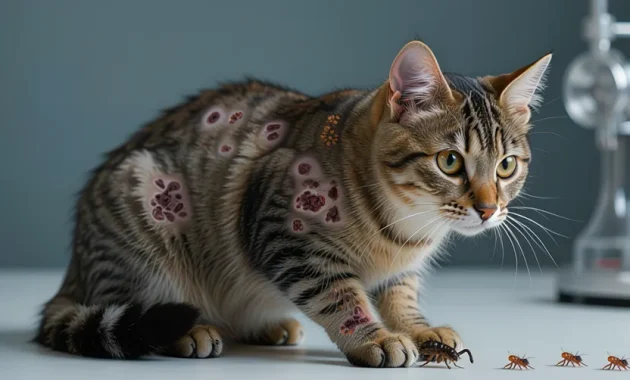
The feline integumentary system is a complex biological barrier. Comprising the epidermis, dermis, hypodermis, and associated appendages—such as hair follicles, sebaceous glands, and claws—the skin serves as the primary defense against environmental pathogens, mechanical trauma, and chemical insults. It also plays a vital role in thermoregulation, metabolic storage, and sensory perception. Because of its large surface area and active cellular turnover, the skin frequently reflects a cat's internal health.
When a cat develops skin lesions, pruritus (itching), or alopecia (hair loss), it is rarely a simple cosmetic issue. These signs point to underlying pathological processes that range from ectoparasitic infestations and hypersensitivity disorders to deep bacterial infections and psychogenic behavioral issues. Because felines naturally groom themselves frequently, owners often miss the early stages of skin disease. A cat may hide its discomfort by grooming in secret, meaning that by the time crusts, open sores, or bald patches appear, the disease has already advanced significantly.
This guide serves as an exhaustive reference manual for feline dermatology. Designed for advanced pet owners, rescue administrators, and veterinary advocates, it provides a deep dive into the clinical presentations, underlying mechanisms, diagnostic strategies, and treatment protocols for the primary skin conditions seen in domestic felines.
                     [Feline Integumentary Insult]
                                   │
         ┌─────────────────────────┼─────────────────────────┐
         ▼                         ▼                         ▼
[Parasitic Vectors]      [Immune-Mediated Triggers] [Pathogenic Invasions]
• Mites (Notoedres)      • Atopic Dermatitis        • Dermatophytes (Ringworm)
• Fleas (Ctenocephalides)• Food Hypersensitivity    • Anaerobic Bacteria (Abscesses)
Ectoparasitic Infestations: Mites, Fleas, and Environmental Vectors
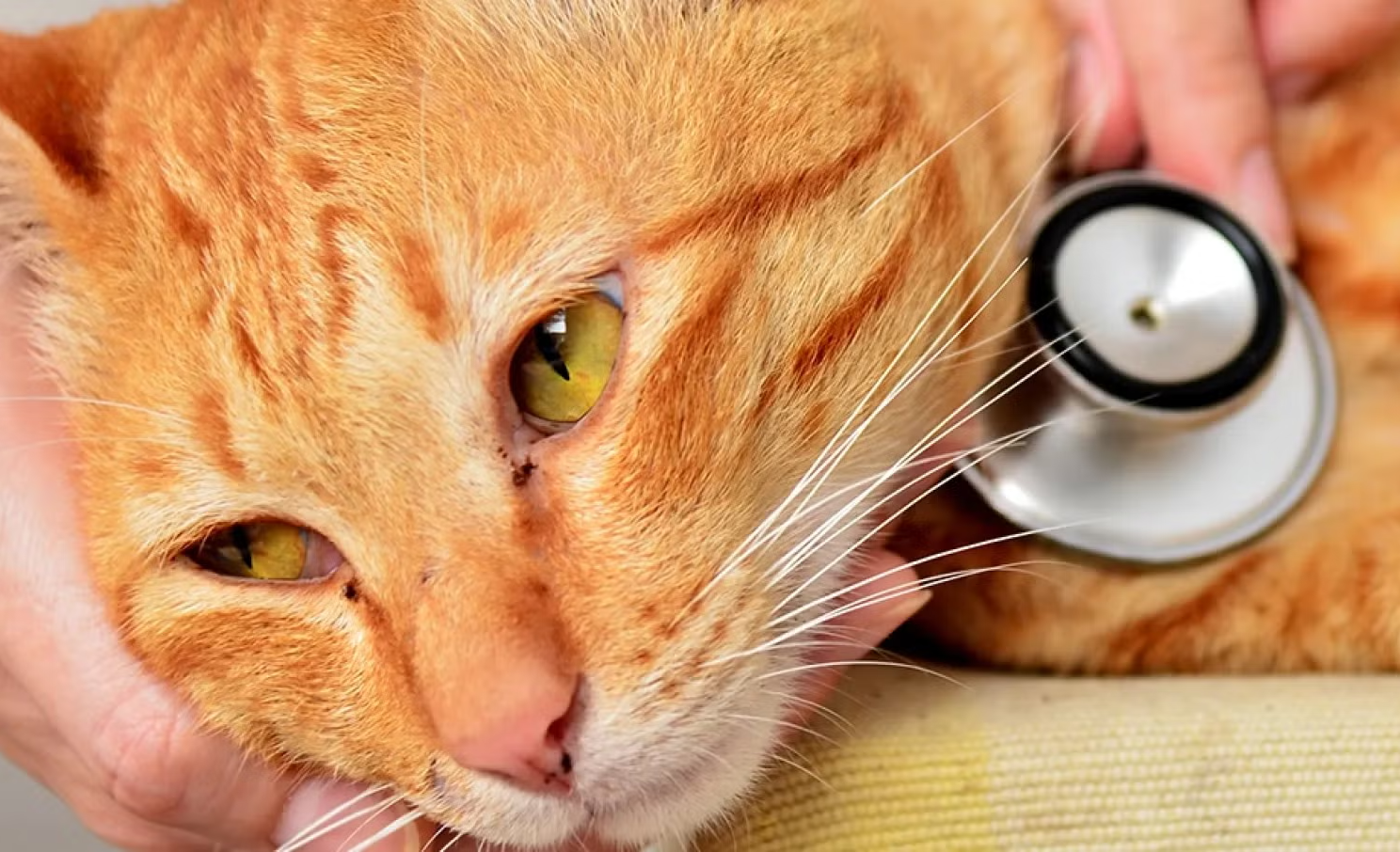
Parasitic organisms that live on or inside the skin are a primary cause of feline skin disease. These infestations trigger intense inflammation through direct physical damage and allergic reactions to parasitic saliva and waste.
                  [Ectoparasitic Pathological Pathways]
                                   │
         ┌─────────────────────────┴─────────────────────────┐
         ▼                                                   ▼
  [Notoedres cati]                               [Ctenocephalides felis]
  • Burrowing epidermis tunnels                  • Surface feeding & salivary inoculation
  • Hyperkeratosis & gray crusting               • IgE-mediated hypersensitivity cascade
  • Facial/auricular distribution                • Miliary dermatitis & caudal distribution
Notoedric Mange (Scabies)
Feline scabies is a highly contagious, severe skin disease caused by the microscopic, burrowing mite Notoedres cati. This parasite is structurally similar to the human scabies mite (Sarcoptes scabiei) but is genetically adapted to favor felines.
Pathofluidic Dynamics: Fertilized female mites use their specialized mouthparts to tunnel directly into the outer layer of the skin (the stratum corneum). As they burrow, they feed on extracellular fluids and skin debris, leaving a trail of eggs and fecal pellets (scybala) behind them.
The Inflammatory Cascade: The presence of these mites, along with their eggs and waste, triggers an intense Type I (immediate) and Type IV (delayed-type) hypersensitivity reaction. This immune response causes severe itching, forcing the cat to scratch relentlessly.
Anatomical Distribution: Lesions typically start on the margins of the ears before spreading across the face, muzzle, and neck. If left untreated, the skin becomes thick, wrinkled, and covered in heavy, gray-yellow crusts (hyperkeratosis). Secondary self-trauma from scratching leads to open sores and bacterial infections.
Flea Infestation and Flea Allergy Dermatitis (FAD)
The cat flea, Ctenocephalides felis, is the most common external parasite found on domestic cats. While a minor flea infestation causes mild irritation, cats that develop an explicit allergy to flea saliva experience severe skin disease.
The Antigenic Trigger: When a flea bites a cat to feed on its blood, it injects saliva containing a mixture of histamine-like compounds, proteolytic enzymes, and anticoagulants. In sensitive cats, these proteins trigger an IgE-mediated hypersensitivity reaction. A single flea bite can cause intense, widespread itching that lasts for days.
Clinical Presentation (Miliary Dermatitis): FAD typically presents as miliary dermatitis—a distinct pattern characterized by dozens of small, crusty, red bumps that feel like grains of sand under the fur. These lesions cluster primarily along the lower back, tail base, thighs, and neck. Constant grooming removes the physical fleas and their waste (flea dirt), leaving behind hair loss and raw skin.
           [Healthy Follicle]                 [Notoedric Mite Infestation]
              │      │                           │   (Mite Tunnel)  │
              │  ||  │                           │   ┌───┐   ~~     │
              │  ||  │                           │   │ ⊙ │  Mite    │
              └──┴┴──┘                           └───┴───┴──────────┘
           (Clean Shaft)                        (Hyperkeratosis & Crusts)
- 1. What are the most common skin diseases in cats?
- 2. Why is my cat constantly scratching and grooming itself?
- 3. Can fleas cause severe skin problems in cats?
- 4. What does flea allergy dermatitis look like in cats?
- 5. What is feline scabies (notoedric mange)?
- 6. Is ringworm actually caused by a worm?
- 7. Can humans catch ringworm from cats?
- 8. What are the signs of ringworm in cats?
- 9. What causes food allergies in cats?
- 10. How can I tell if my cat has environmental allergies?
- 11. What is psychogenic alopecia in cats?
- 12. How do veterinarians diagnose feline skin diseases?
- 13. What is a Wood's lamp test?
- 14. What are skin scrapings used for?
- 15. Why do outdoor cats frequently develop abscesses?
- 16. What treatments are available for feline skin diseases?
- 17. How are ringworm infections treated?
- 18. Can stress alone cause hair loss in cats?
- 19. How can I prevent skin diseases in my cat?
- 20. When should I take my cat to the veterinarian for a skin problem?
Fungal Pathologies: Dermatophytosis and Systemic Mycoses
Fungal infections of the skin are classified based on whether they infect the surface layers or penetrate deeper into the subcutaneous tissues.
                   [Fungal Infection Classifications]
                                   │
         ┌─────────────────────────┴─────────────────────────┐
         ▼                                                   ▼
[Superficial: Dermatophytosis]               [Deep/Subcutaneous Mycoses]
• Microsporum canis colonization             • Cryptococcus neoformans inoculation
• Digestion of hair shaft keratin            • Pyogranulomatous nodule production
• Zoonotic transfer to human hosts           • Respiratory & systemic extension
Dermatophytosis (Ringworm)
Ringworm is a superficial fungal infection that targets dead, keratinized tissues like the hair shafts, claws, and outer skin layers. The vast majority of feline cases are caused by the zoophilic fungus Microsporum canis.
Fungal Colonization: Fungal spores (arthroconidia) stick to the skin surface and germinate, producing root-like structures called hyphae. These hyphae grow downward into the hair follicles, producing an enzyme called keratinase that digests the structural protein of the hair shaft. This process weakens the hair, causing it to snap off at the skin line.
Lesion Morphology: The classic presentation consists of circular patches of hair loss with flaky, ash-like scales at the center and a red, inflamed outer border. However, ringworm in cats can mimic almost any skin disease, sometimes appearing as a chin infection or widespread, generalized flaking.
Zoonotic Mechanics: Microsporum canis is highly infectious to humans. The microscopic spores break off the infected hairs and spread into the environment, clinging to carpets, bedding, and clothes, where they remain infectious for up to 18 months.
Deep Mycoses (Cryptococcosis)
Deep fungal infections are less common but far more dangerous, affecting the deep tissues of the skin and internal organs. The most frequent cause in felines is Cryptococcus neoformans, an encapsulated yeast typically found in soil contaminated with bird droppings.
Infection Route: Cats inhale the fungal spores from the environment. The infection often starts in the nasal passages before traveling through the blood to the skin, causing firm, painless nodules under the skin on the bridge of the nose, face, and paws. These nodules can eventually break open, leaking a clear or bloody fluid.
Immune-Mediated and Allergic Hypersensitivities
When a cat's immune system overreacts to harmless everyday proteins, it can trigger chronic, self-destructive skin inflammation.
                      [The Allergic Threshold Matrix]

   Genetics + Environmental Triggers ──► Mast Cell Degranulation ──► Histamine Release
                                      ──► Persistent Pruritus   ──► Self-Induced Damage
Atopic Dermatitis (Environmental Allergies)
Feline atopic dermatitis occurs when a cat develops an allergic reaction to environmental substances like pollen, dust mites, mold spores, or household cleaning chemicals.
Immunological Drivers: Sensitive cats produce high levels of IgE antibodies against these environmental targets. When these allergens cross the skin barrier, they bind to mast cells in the dermis. This triggers the release of histamine, interleukins, and prostaglandins, creating a cycle of intense itching and inflammation.
Clinical Syndromes: Atopic cats often display specific symptom patterns, such as severe itching around the face and head, symmetric hair loss from over-grooming, or eosinophilic granuloma complexes—raised, yellow-pink sores that form on the lips, thighs, or stomach.
[Allergen Penetration] ──► [Mast Cell Activation] ──► [Cytokine Release] ──► [Intense Itching]
Food Hypersensitivity (Cutaneous Adverse Food Reactions)
Food allergies are distinct from simple food intolerances; they are a true immune reaction against specific proteins in the cat's regular diet.
Target Allergens: The most common food allergens for felines are beef, fish, chicken, and dairy products. Over years of eating the same food, the immune cells in the gut can misidentify these proteins as foreign invaders.
Symptom Location: Food allergies typically cause non-seasonal, intense itching focused primarily on the head, neck, and ears. Affected cats scratch themselves brutally, leading to bleeding, scabs, and secondary bacterial infections around the face. Many cases are accompanied by mild gastrointestinal issues like vomiting or loose stools.
Bacterial Infections and Trauma-Induced Lesions
Bacterial skin infections (pyoderma) are rarely primary diseases in cats; they typically take hold after another issue breaks down the skin's natural defenses.
Subcutaneous Fight-Abscess Dynamics
Abscesses are a frequent emergency in outdoor cats or multi-cat homes with territorial conflicts.
The Inoculation Event: When a cat bites another, its long, sharp canine teeth act like hypodermic needles, pushing anaerobic bacteria from its saliva deep into the subcutaneous tissue of the victim.
Pus Accumulation: The small puncture wound heals over quickly at the surface, trapping the bacteria in an environment without oxygen. The bacteria multiply, drawing in white blood cells that break down into pus. This creates a hot, painful swelling beneath the skin. If left untreated, the pressure builds until the tissues break down, and the abscess bursts open, releasing a foul-smelling fluid.
Psychogenic Dermatoses: Stress-Induced Over-Grooming
Not all skin lesions are caused by physical pathogens; some are rooted entirely in psychological stress and behavioral changes.
[Environmental Stressor] ──► [Anxiety Spike] ──► [Compulsive Grooming] ──► [Alopecia & Lesions]
Psychogenic Alopecia
Cats are creatures of habit that rely on routine to feel secure. When their environment changes, some individuals manage their anxiety through compulsive grooming behavior.
The Neurochemical Feedback Loop: Grooming triggers the release of endorphins—natural feel-good chemicals—in the cat’s brain. If a cat is chronically stressed by a move, a new pet, or lack of mental stimulation, they may groom compulsively to soothe themselves.
Lesion Presentation: This constant licking breaks off the hair shafts close to the skin, causing a clean, symmetric pattern of hair loss. This thinning typically appears in areas the cat can easily reach, like the lower abdomen, groin, inner thighs, and front legs. Unlike cats with allergies, the skin underneath remains smooth and healthy, free from crusts or red bumps.
Diagnostic Matrix for Veterinary Clinicians
Because many skin conditions share similar symptoms, veterinarians use a structured step-by-step approach to identify the exact cause of a skin issue.
                  [The Dermatological Workup Sequence]
                                   │
       ┌───────────────────────────┼───────────────────────────┐
       ▼                           ▼                           ▼
[Deep Skin Scraping]       [Wood's Lamp / DTM]        [Cytological Smears]
• Tests for burrowing      • Screen for ringworm      • Identifies bacteria,
  mites (Notoedres).         using UV light and         yeast, and inflammatory
• Checked under microscope.  fungal culture media.      cell types.
1. Superficial and Deep Skin Scrapings
The clinician uses a dull scalpel blade to scrape the surface layers of the skin until mild capillary bleeding occurs. The collected debris is mixed with mineral oil on a slide and examined under a microscope to find burrowing mites (Notoedres) or hair follicle mites (Demodex).
2. Wood’s Lamp and Fungal Culture (DTM)
Wood’s Lamp: The veterinarian shines a specialized ultraviolet light over the lesions. Certain strains of Microsporum canis produce a chemical byproduct that glows a bright, apple-green color under UV light.
Dermatophyte Test Medium (DTM): To confirm a diagnosis, plucked hairs are placed into a specialized agar culture. If ringworm is present, the fungus consumes the nutrients, turning the medium from yellow to red while growing a white colony over 7 to 14 days.
3. Exudative Cytology
By pressing a clean glass slide directly against an open sore or using clear tape to collect surface cells, the clinician can stain and view the sample under a microscope. This reveals whether the inflammation is driven by bacteria, overgrowing yeast (Malassezia), or specific allergy-related white blood cells (eosinophils).
Advanced Medical Management and Preventive Frameworks
Managing feline skin diseases effectively requires a combination of targeted medical treatments, environmental sanitation, and long-term preventive care.
                    [Comprehensive Treatment Architecture]
                                      │
         ┌────────────────────────────┼────────────────────────────┐
         ▼                            ▼                            ▼
[Targeted Medications]       [Environmental Hygiene]       [Long-Term Prevention]
• Isooxazolines for mites    • Diluted bleach for spores   • Monthly preventative spot-ons
• Systemic azoles for fungi  • Vacuuming for flea eggs     • Low-stress environment
• Corticosteroids for allergies• Wash bedding on high heat • Balanced fatty acid diet
1. Medical Protocols
Parasitic Treatments: Modern veterinary medicine relies on isoxazoline compounds (such as Fluralaner or Sarolaner) delivered via monthly topical spot-on treatments. These medications disrupt the nervous system of fleas and mites, eliminating infestations safely and efficiently.
Antifungal Therapy: Ringworm requires a dual-action approach. Topically, lime sulfur dips or specialized antifungal shampoos help kill surface spores, while oral medications like Itraconazole stop the fungus from reproducing inside the active hair follicles.
Allergy Management: Chronic allergic inflammation can be managed using targeted immunosuppressive therapies. While corticosteroids provide fast short-term relief from severe itching, long-term care often relies on safer immunomodulators like Cyclosporine or targeted monoclonal antibody therapies to control symptoms without systemic side effects.
2. Biosecurity and Environmental Sanitation
To prevent reinfection from hardy pathogens like flea eggs or ringworm spores, you must treat the home environment alongside the pet:
Vacuuming: Vacuum all carpets, rugs, and soft furniture daily to pick up embedded flea larvae and fungal spores. Dispose of the vacuum bag immediately outside the home.
High-Heat Laundering: Wash all pet bedding, blankets, and covers weekly in hot water (at least 140°F / 60°C) with a strong detergent to destroy pathogens.
Surface Disinfection: Clean hard, non-porous surfaces using a diluted sodium hypochlorite solution (household bleach mixed at a 1:32 ratio) or an accelerated hydrogen peroxide cleaner, leaving it to sit for 10 minutes to deactivate fungal spores.
Summary: Strategic Integumentary Stewardship
Feline skin diseases are complex and highly interconnected. A simple symptom like scratching can point to a wide range of underlying issues, from a single flea bite to food allergies or behavioral stress. Because cats instinctively hide their discomfort and over-groom in secret, successful management relies on early detection, accurate diagnostic testing, and consistent treatment protocols.
By monitoring your cat's fur regularly, using veterinary-approved parasite preventives year-round, and keeping their home environment clean and stress-free, you can protect their skin health and resolve dermatological issues before they turn into severe, painful conditions.
FAQ (Frequently Asked Questions)
1. What are the most common skin diseases in cats?
The most common feline skin diseases include flea allergy dermatitis (FAD), ringworm (dermatophytosis), notoedric mange (feline scabies), food allergies, atopic dermatitis, bacterial skin infections, abscesses, and psychogenic alopecia. These conditions can cause itching, hair loss, redness, crusting, sores, and excessive grooming.
2. Why is my cat constantly scratching and grooming itself?
Excessive scratching and grooming are usually signs of an underlying skin condition. Common causes include fleas, mites, fungal infections, environmental allergies, food allergies, bacterial infections, and stress-related behavioral disorders. Persistent itching should always be investigated by a veterinarian.
3. Can fleas cause severe skin problems in cats?
Yes. Fleas are one of the leading causes of feline skin disease. Cats with flea allergy dermatitis can develop severe itching, hair loss, miliary dermatitis, and self-inflicted wounds from a single flea bite due to an allergic reaction to flea saliva.
4. What does flea allergy dermatitis look like in cats?
Flea allergy dermatitis typically appears as small crusty bumps, redness, hair loss, and excessive scratching, especially around the tail base, lower back, thighs, and neck. Some cats groom so intensely that fleas are no longer visible despite severe skin damage.
5. What is feline scabies (notoedric mange)?
Feline scabies is a highly contagious skin disease caused by the mite Notoedres cati. The mites burrow into the skin, causing intense itching, crust formation, hair loss, and skin thickening. Lesions usually begin around the ears and face before spreading to other areas.
6. Is ringworm actually caused by a worm?
No. Ringworm is not caused by a worm. It is a fungal infection caused primarily by Microsporum canis. The fungus attacks hair shafts and superficial skin layers, resulting in circular areas of hair loss, scaling, and inflammation.
7. Can humans catch ringworm from cats?
Yes. Ringworm is a zoonotic disease, meaning it can spread from cats to humans. People may develop circular red skin lesions after contact with infected cats, contaminated bedding, grooming tools, or environmental spores.
8. What are the signs of ringworm in cats?
Signs may include circular bald patches, flaky skin, brittle hair, excessive shedding, crusty lesions, and broken hairs. Some cats may carry the fungus without showing obvious symptoms while still spreading infectious spores.
9. What causes food allergies in cats?
Food allergies occur when the immune system mistakenly identifies certain dietary proteins as harmful. Common triggers include chicken, beef, fish, and dairy products. Symptoms often include itching around the head, neck, and ears, along with occasional digestive problems.
10. How can I tell if my cat has environmental allergies?
Cats with environmental allergies often experience chronic itching, over-grooming, recurrent skin infections, hair loss, and lesions around the face, ears, neck, and abdomen. Symptoms may worsen seasonally if pollen or mold is involved.
11. What is psychogenic alopecia in cats?
Psychogenic alopecia is excessive grooming caused by stress, anxiety, boredom, or environmental changes. Cats repeatedly lick specific areas, causing symmetrical hair loss, especially on the abdomen, inner thighs, and groin.
12. How do veterinarians diagnose feline skin diseases?
Veterinarians use multiple diagnostic tools including skin scrapings, fungal cultures, Wood's lamp examinations, cytology, allergy testing, elimination diets, blood work, and sometimes skin biopsies to determine the underlying cause.
13. What is a Wood's lamp test?
A Wood's lamp is a specialized ultraviolet light used to screen for certain strains of ringworm. Some infected hairs fluoresce apple-green under UV light, although additional fungal culture testing is often needed for confirmation.
14. What are skin scrapings used for?
Skin scrapings help veterinarians identify microscopic parasites such as Notoedres mites or Demodex mites. The collected skin material is examined under a microscope to detect parasites, eggs, or other abnormalities.
15. Why do outdoor cats frequently develop abscesses?
Outdoor cats often engage in territorial fights. Bite wounds introduce bacteria deep beneath the skin, creating infected pockets of pus known as abscesses. These swollen, painful lesions may eventually rupture if left untreated.
16. What treatments are available for feline skin diseases?
Treatment depends on the underlying cause and may include parasite control medications, antifungal drugs, antibiotics, corticosteroids, immunomodulators, prescription diets, medicated shampoos, environmental management, and behavioral therapy.
17. How are ringworm infections treated?
Ringworm treatment typically involves a combination of oral antifungal medications, topical antifungal shampoos or dips, environmental cleaning, and isolation of infected animals to prevent transmission.
18. Can stress alone cause hair loss in cats?
Yes. Chronic stress can trigger compulsive grooming behavior that results in significant hair loss. Environmental enrichment, routine stability, stress reduction, and veterinary evaluation are often necessary to resolve the problem.
19. How can I prevent skin diseases in my cat?
Preventive measures include monthly parasite control, routine veterinary examinations, balanced nutrition, regular grooming, maintaining a clean environment, minimizing stress, and promptly addressing any signs of itching or hair loss.
20. When should I take my cat to the veterinarian for a skin problem?
You should seek veterinary care if your cat develops persistent itching, hair loss, crusts, sores, skin redness, foul odors, swelling, recurrent infections, or behavioral changes related to grooming. Early diagnosis significantly improves treatment outcomes.