Every cat owner knows the sound: the crinkle of a plastic pouch or the rattle of a tin that instantly brings a sleeping feline running from three rooms away. Treats—affectionately known as snacks—hold an immense, almost hypnotic power over our domestic companions.
Yet, in the modern pet-owning landscape, the role of the feline treat has evolved far beyond a simple tool for indulgence. When utilized strategically, snacks serve as vital instruments for behavioral modification, environmental enrichment, preventative healthcare, and psychological bonding. Conversely, when mismanaged, they can become primary drivers of metabolic dysfunction, selective anorexia, and nutritional imbalances.
This comprehensive guide delivers a scientifically grounded, multi-dimensional analysis of feline treats. We will explore the evolutionary biology behind why cats crave specific flavors, break down the structural categories of commercial snacks, analyze functional ingredients, and provide an actionable framework for integrating treats into your cat’s life without compromising their long-term health.
The Behavioral Economics and Psychology of Treats
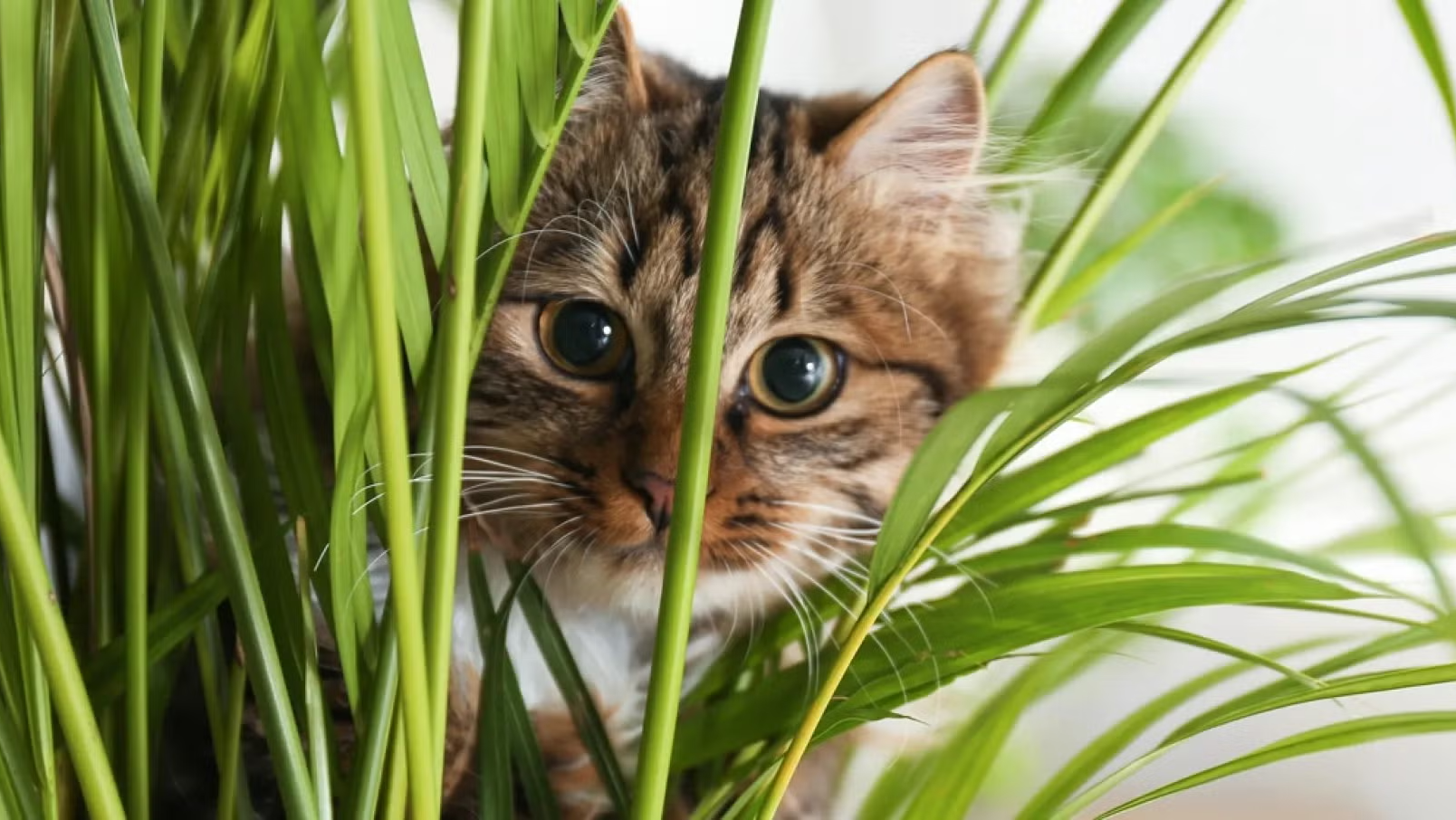
To understand the value of a treat, one must look at it through the lens of feline behavioral psychology. In the wild, a cat’s day is governed by the Predatory Behavior Chain: Stalk, Chase, Pounce, Bite, Kill, Eat.
[Stalk] ──► [Chase] ──► [Pounce] ──► [Bite/Kill] ──► [Eat (The Reward)]
Modern indoor house cats (Felis catus) retain this identical neurological drive, but their environment has stripped away the necessity—and opportunity—to execute it. This lack of physical and mental stimulation frequently manifests as boredom, depression, or redirected aggression.
Treats as a Surrogate Hunt
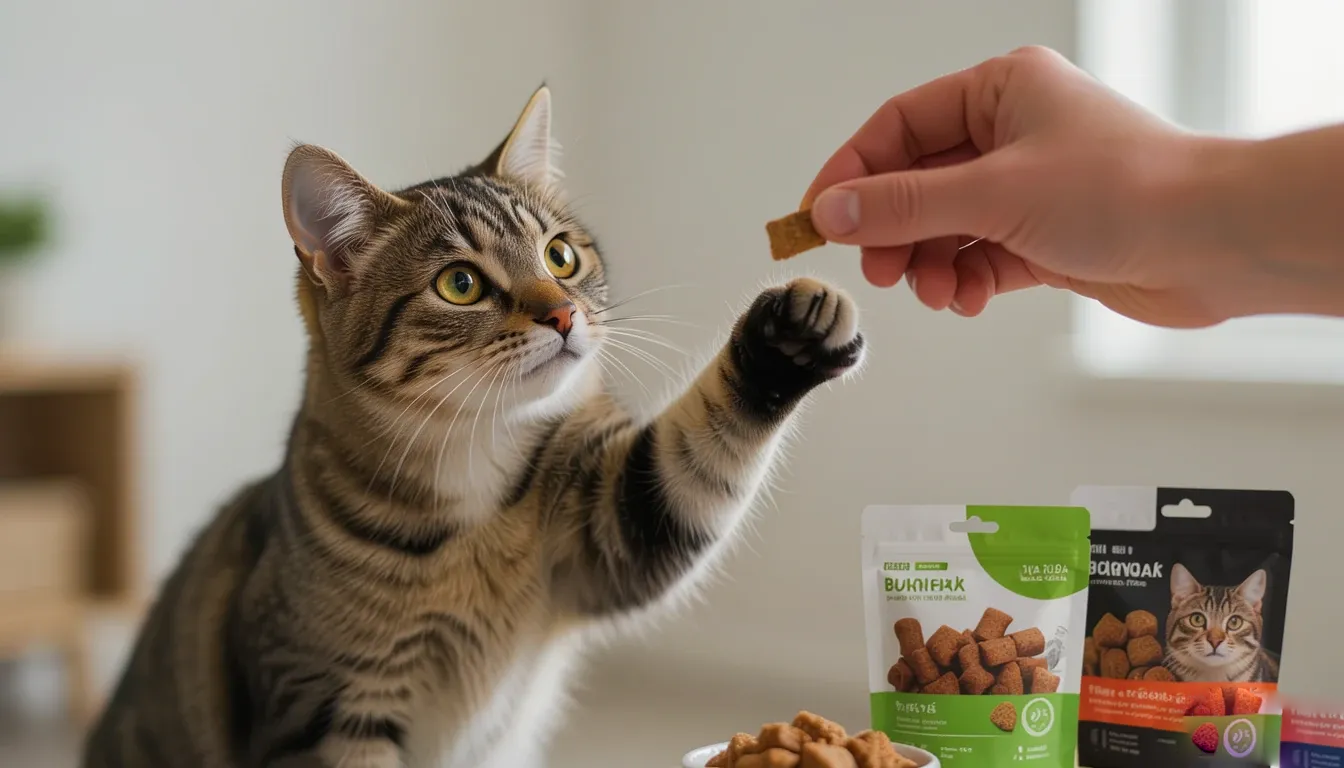
When you hand a cat a treat for free, it satisfies their palate but does nothing for their mind. However, when treats are integrated into positive reinforcement training, puzzle feeders, or clicker training, they act as the terminal reward for a simulated hunt.
-
Dopamine Regulation: The anticipation of a reward releases dopamine in the feline brain, enhancing cognitive development and reducing stress.
-
The Bonding Mechanism: Cats do not naturally understand abstract concepts of affection like hugs or verbal praise. They associate security and positive experiences with resource security. When a human consistently delivers high-value food rewards during calm, positive interactions, it strengthens the social bond between species.
The Olfactory Imperative — Why Cats Love Snacks
A common frustration among cat owners is the sudden onset of picky eating or a cat that completely ignores a premium, highly nutritious meal but screams for a commercial treat. This comes down to the architecture of feline sensory systems.
1. Olfactory Supremacy over Gustation
Humans have roughly 9,000 taste buds. Dogs have around 1,700. Cats possess a meager 470 taste buds. Furthermore, due to a genetic mutation in the Tas1r3 gene, cats are completely sweet-blind—they cannot taste sugar, carbohydrates, or artificial sweeteners.
Instead, their appetite is almost exclusively driven by their sense of smell, powered by 200 million olfactory receptors and the Vomeronasal (Jacobson’s) Organ located in the roof of their mouth.
-
Aroma Profiles: Treats are deliberately engineered with intense, concentrated volatile aromatic compounds. Manufacturers apply a fat-rich, highly palatable coating (often referred to as “digest”) to the exterior of the treat. The stronger the initial scent plume, the faster the cat’s brain registers it as a viable, lipid-dense energy source.
2. The Texture Factor
The feline mouth is highly sensitive to tactile feedback. The mechanical sensation of biting into food matters almost as much as its flavor profile. Treats capitalize on this by offering textures that differ drastically from standard daily kibble or smooth paté wet food:
-
The Crunch Matrix: Rigid, air-pocketed kibbles that shatter under jaw pressure, mimicking the crushing of small bones.
-
The Puree Squeeze: Ultra-smooth, moisture-dense emulsions that require minimal jaw movement and offer immediate tongue coating for flavor delivery.
Categorizing the Treat Landscape: Functional vs. Indulgent
Not all treats are created equal. Commercial snacks generally fall into three distinct formulation archetypes, each serving a unique physiological purpose.
1. Dental Treats (Mechanical and Chemical Prophylaxis)
Periodontal disease affects over 70% of cats by the age of three. Standard commercial kibble is too small and brittle to clean teeth; it shatters immediately upon contact with the tip of the tooth, providing zero abrasion at the gumline where plaque accumulates.
Premium dental treats, such as DENTALIFE®, utilize advanced structural engineering:
-
Porous, Crunchy Matrix: The treat is manufactured with a specific density and air-pocket distribution. Instead of shattering instantly, the tooth sinks deeply into the kibble, allowing the rough edges to physically scrape away plaque from the surface of the tooth as the cat bites down.
-
Targeted Micronutrients: These formulas are frequently fortified with Calcium and Taurine to support alveolar bone density and maintain periodontal tissue integrity.
2. Freeze-Dried Single-Ingredient Treats (The Pureist Option)
For cats with sensitive gastrointestinal tracts, inflammatory bowel disease (IBD), or food allergies, complex commercial snacks with long ingredient lists can trigger systemic inflammation.
-
The Process: Raw meat (such as chicken breast, salmon fillets, or beef liver) is flash-frozen, and then placed into a vacuum chamber. Through sublimation, water is removed directly from a solid to a gaseous state, preserving 100% of the nutrient density, raw aroma, and protein structure without requiring artificial preservatives or binders.
-
Biologically Appropriate: These are structurally identical to the ancestral diet, presenting a zero-carbohydrate profile ideal for diabetic or obese felines.
3. Hydration Boosters (Squeeze Purees & Lickables)
As desert-evolved animals, cats have a low intrinsic thirst drive and get the majority of their water from their prey. Chronic sub-clinical dehydration can lead to Feline Lower Urinary Tract Disease (FLUTD) and kidney stones.
-
The Solution: Lickable purees offer a high-moisture format (often exceeding 85% water content) that serves as an excellent vehicle for boosting daily hydration while delivering a concentrated burst of seafood or poultry flavor.
The 10% Golden Rule and Metabolic Math
The single most dangerous error a pet owner can make is treating snacks as an unregulated food source. Treats are typically not formulated to be nutritionally complete and balanced; they lack the precise ratios of vitamins, minerals, and essential amino acids required for daily metabolic maintenance.
The Danger of Nutrient Dilution
If a cat consumes a significant portion of their daily calories from unbalanced treats, they will eat less of their primary, nutritionally complete life-stage diet. Over time, this leads to nutrient dilution—a state where the cat is consuming plenty of calories (and potentially gaining weight) but suffering from micro-deficiencies in vital components like zinc, copper, iron, or vitamin E.
The Caloric Threshold Formula
To prevent metabolic imbalance and obesity, treats must never exceed 10% of a cat’s Resting Energy Requirement (RER).
To determine your cat’s exact daily treat allowance, utilize the standard veterinary metabolic equation:
Case Study: Consider a healthy, neutered indoor adult cat weighing 4.5 kg.
$$\text{RER} = 70 \times (4.5)^{0.75} \approx 216 \text{ kcal/day}$$$$\text{Treat Allowance} = 216 \times 0.10 = 21.6 \text{ kcal/day}$$
If a popular commercial treat like FRISKIES Party Mix contains roughly 1.3 calories per piece, this cat can safely consume a maximum of 15 to 16 pieces per day, provided their primary meal portions are reduced by 21.6 calories to compensate.
Comprehensive Treat Selection Matrix
| Specific Health Scenario | Recommended Treat Type | Key Structural/Nutritional Feature | Brand/Example Formulation |
| Plaque & Tartar Buildup | Mechanical Dental Kibble | Porous, crunchy texture; added calcium & taurine | DENTALIFE® Dental Chicken/Salmon |
| Chronic Dehydration / FLUTD | Liquid Purees / Creamy Lickables | High moisture content (>85%), rich seafood aroma | Friskies Lil’ Soups / Churu Purees |
| Obesity / Type-2 Diabetes | Freeze-Dried Raw Meat | Zero-carbohydrate load, single named animal protein | Freeze-Dried Chicken Breast or Salmon |
| Appetite Stimulation / Training | Highly Aromatic Mixed Medleys | Diverse flavor profiles, high surface-fat application | FRISKIES Party Mix Classic |
Tactical Training and Application Framework
To maximize the behavioral utility of snacks, avoid passive delivery. Instead, implement treats via these three operational frameworks:
1. The Vet Visit Conditioning Loop
Desensitize your cat to the stress of a carrier and veterinary clinic by turning the carrier into a treat depot. Place premium snacks inside the open carrier at home regularly, allowing the cat to associate the space with high-value rewards rather than fear.
2. Cognitive Foraging Enrichment
Instead of handing treats directly to your cat, deploy them inside a puzzle feeder or a rolling treat ball. This forces the cat to use their paws and problem-solving skills to extract the food, burning physical calories and providing critical mental stimulation that mimics the work of wild hunting.
3. Medical Vehicle Conversion
If your cat requires daily oral medications or supplements that cause stress during delivery, transition to using highly moldable or liquid puree treats. Crushing a pill and blending it seamlessly into an aromatic puree completely bypasses oral aversion, transforming a stressful medical task into a positive experience.
FAQ
1. Are cat treats good for cats?
Yes, cat treats can be beneficial when given in moderation. They can support training, strengthen the bond between cats and owners, provide mental enrichment, encourage hydration, and even promote dental health depending on the type of treat used.
2. How many treats can I give my cat each day?
Treats should generally account for no more than 10% of your cat’s daily caloric intake. Exceeding this amount may contribute to weight gain, nutritional imbalances, and reduced interest in complete and balanced meals.
3. Why do cats love treats more than their regular food?
Cats are highly influenced by smell rather than taste. Most treats are formulated with concentrated aromas, high-quality fats, and appealing textures that make them especially attractive to a cat’s sensitive nose.
4. Can cat treats replace regular meals?
No. Treats are not designed to provide complete and balanced nutrition. Regular meals contain essential vitamins, minerals, amino acids, and nutrients that treats often lack.
5. What are the healthiest cat treats?
The healthiest options are typically single-ingredient freeze-dried meat treats, limited-ingredient treats, and veterinarian-approved functional treats designed for specific health needs such as dental care or hydration support.
6. Are freeze-dried cat treats healthy?
Yes. Freeze-dried treats often contain a single animal protein source with minimal processing, preserving nutrients while avoiding unnecessary fillers, artificial flavors, and carbohydrates.
7. What are dental treats for cats?
Dental treats are specially formulated snacks designed to help reduce plaque and tartar buildup. Their texture encourages mechanical cleaning of the teeth while chewing.
8. Can treats help train a cat?
Absolutely. High-value treats are one of the most effective tools for positive reinforcement training. They can be used to teach behaviors, encourage carrier acceptance, and reward desired actions.
9. Why are lickable treats so popular with cats?
Lickable treats provide intense aroma, smooth texture, and high moisture content. Many cats find them highly palatable, making them useful for hydration, bonding, and administering medications.
10. Can cat treats help increase water intake?
Yes. Hydration-focused treats such as broths, soups, and creamy puree treats contain high levels of moisture that can contribute to daily fluid intake.
11. Are grain-free cat treats better?
Not necessarily. Grain-free does not automatically mean healthier. The overall ingredient quality, protein source, nutritional value, and suitability for the individual cat are more important.
12. Can treats cause obesity in cats?
Yes. Excessive treat consumption can quickly add extra calories to a cat’s diet, increasing the risk of obesity, diabetes, joint problems, and other health issues.
13. What ingredients should I avoid in cat treats?
Avoid treats with excessive fillers, artificial colors, unnecessary sugars, poor-quality protein sources, and ingredients that your cat is known to be sensitive or allergic to.
14. Are treats safe for kittens?
Yes, but they should be age-appropriate and given in moderation. Kittens should receive the majority of their nutrition from complete kitten food formulated for growth and development.
15. Can senior cats have treats?
Yes. Senior cats can enjoy treats, especially soft or lickable options that are easier to chew. Functional treats supporting joint health, hydration, and digestion may also be beneficial.
16. Can treats help cats with anxiety?
Treats can be used as positive reinforcement during stressful situations. Some specialized calming treats also contain ingredients intended to support relaxation and emotional well-being.
17. What are functional cat treats?
Functional treats contain ingredients designed to support specific health goals, such as dental health, skin and coat condition, digestion, joint mobility, urinary health, or stress management.
18. Can I use treats to hide medication?
Yes. Soft treats, moldable treats, and creamy purees are commonly used to disguise pills, powders, or supplements, making medication administration easier and less stressful.
19. Why does my cat beg for treats all the time?
Cats may beg because treats are highly rewarding, strongly scented, and associated with positive experiences. Consistent feeding schedules and portion control can help prevent excessive treat-seeking behavior.
20. What is the best way to give treats to a cat?
The most beneficial approach is to incorporate treats into training sessions, puzzle feeders, enrichment activities, and positive interactions rather than offering them randomly throughout the day.