The Ultimate Guide to Orange Tabby Cats: Genetics, Patterns, and Fun Facts
3 weeks ago
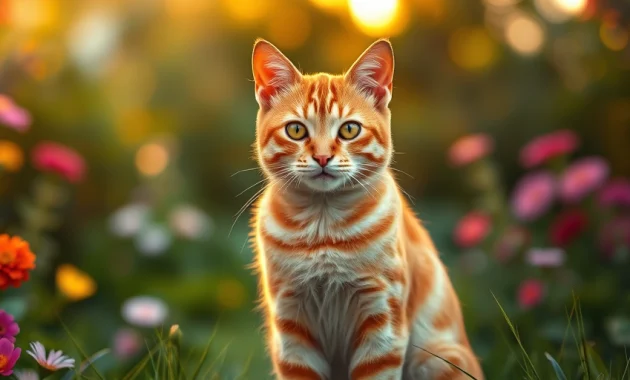
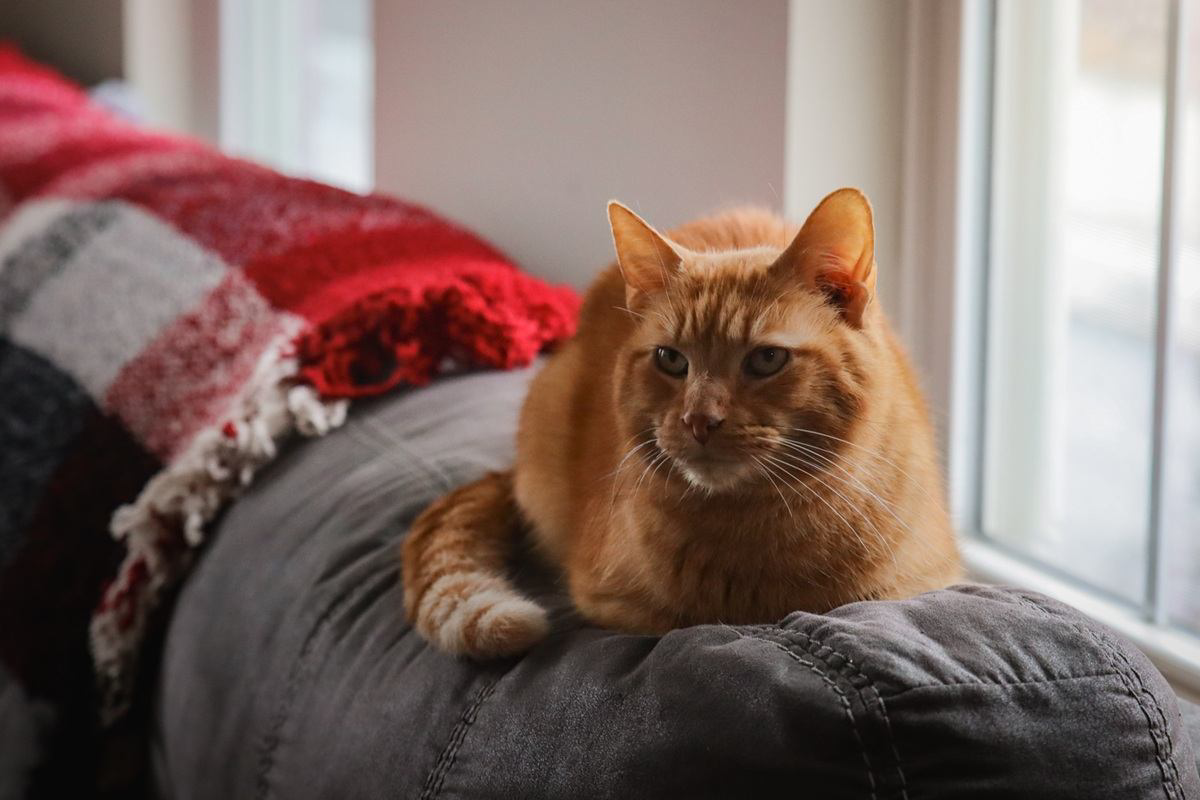
With their warm, fiery coats and expressive eyes, orange tabby cats are among the most beloved and iconic felines on the planet. From pop-culture legends like Garfield and Morris to real-life historical companions like Winston Churchill’s beloved "Jock," these cheerful "ginger" or "marmalade" felines hold a very special place in our hearts.
But did you know that "orange tabby" is not a breed? Rather, it is a magnificent combination of color genetics and ancient coat patterns. Let's dive deep into the fascinating science, diverse patterns, and unique traits that make these golden felines so extraordinary.
The 5 Distinct Orange Tabby Coat Patterns
The word "tabby" does not refer to a cat's breed, but rather to its coat pattern. This pattern is characterized by stripes, swirls, spots, or bands of varying color intensity.
Every orange tabby cat falls into one of five distinct pattern classifications:
Tabby Patterns:
├── 1. Mackerel ➔ Parallel vertical "tiger" stripes
├── 2. Classic  ➔ Marbled, swirling "bullseye" patterns
├── 3. Spotted  ➔ Stripes broken into distinct spots
├── 4. Ticked   ➔ Agouti hairs (stripes on individual shafts)
└── 5. Patched  ➔ Bi-color (orange tabby markings mixed with white)
1. Mackerel (The "Tiger" Pattern)
This is the quintessential "tiger cat" pattern. Mackerel tabbies feature narrow, unbroken, parallel vertical stripes branching out from a single dark stripe running along the spine. This structure resembles a fish skeleton, which is how this pattern earned the name "mackerel."
2. Classic (The "Marbled" Pattern)
The classic tabby pattern features bold, swirling sweeps of dark and light orange that resemble the marbling of a cake. On the sides of the body, these swirls often form a distinct circular "bullseye" shape.
3. Spotted
In a spotted tabby, the typical mackerel or classic stripes are broken up into distinct, individual spots of varying shapes and sizes. These spots can look like small dashes or round rosettes scattered across the cat's torso.
4. Ticked (The "Abyssinian" Pattern)
Ticked tabbies are the most subtle and can easily fool you into thinking they are solid-colored. Instead of body stripes, the individual hair shafts themselves are banded with alternating light and dark pigments (known as agouti banding). However, they still retain the classic tabby facial markings, such as the "M" on their forehead.
5. Patched (Bi-Color Tabbies)
Patched tabbies exhibit patches of orange tabby patterns alongside distinct patches of another color—most commonly pure white. These gorgeous felines are often referred to as orange-and-white bi-color tabbies.
- 1. Mackerel (The "Tiger" Pattern)
- 2. Classic (The "Marbled" Pattern)
- 3. Spotted
- 4. Ticked (The "Abyssinian" Pattern)
- 5. Patched (Bi-Color Tabbies)
- 1. What is an orange tabby cat?
- 2. Is an orange tabby a cat breed?
- 3. Why are most orange tabby cats male?
- 4. Can female cats be orange tabbies?
- 5. What are the five orange tabby coat patterns?
- 6. Why do orange tabby cats have an "M" on their forehead?
- 7. Do all orange cats have stripes?
- 8. Why are there no completely solid orange cats?
- 9. What causes freckles on orange tabby cats?
- 10. Are orange tabby cats friendlier than other cats?
- 11. Which breeds can have orange tabby coats?
- 12. How long do orange tabby cats live?
- 13. Do orange tabby cats require special care?
- 14. Are orange tabby cats rare?
- 15. Who are some famous orange tabby cats?
The Fascinating Genetics of Orange Tabbies
The stunning physical traits of orange tabbies are governed by a complex and beautiful genetic lottery.
The Gender Imbalance: Why 80% of Orange Cats are Male
If you see an orange tabby, there is roughly an 80% chance it is a male. This striking statistic is a direct result of sex-linked genetic inheritance:
The Orange Gene ($O$): The gene responsible for producing orange pigment (pheomelanin) is carried strictly on the X chromosome.
Male Cats ($XY$): Since males possess only one X chromosome, they only need to inherit one copy of the orange gene from their mother to turn completely orange.
Female Cats ($XX$): Females possess two X chromosomes. To be fully orange, a female kitten must inherit two copies of the orange gene (one from her mother and one from her father). If she only inherits one copy, she will display a calico or tortoiseshell coat instead.
Why There Are No "Solid" Orange Cats
In many other cat colors (like black or blue), a recessive gene called the non-agouti gene ($a$) can completely suppress the underlying tabby pattern, resulting in a solid-colored coat.
However, the orange pigment gene behaves differently. The orange gene ($O$) actively overrides the non-agouti gene. Because of this genetic dominance, the tabby pattern can never be completely hidden in orange cats. Even orange cats that carry two copies of the recessive non-agouti gene ($aa$) will still display faint, visible pattern markings—often referred to as "ghost striping"—especially on their face, legs, and tail.
Distinguishing Feline Tabby Features
Regardless of their specific breed, almost all orange tabbies share a set of beautifully distinct facial and physical markers inherited from their wild ancestors:
The Forehead "M": A prominent, dark M-shaped marking stamped directly between their eyes on the forehead.
Pencil Lines: Delicate, thin dark lines tracing across their cheeks.
Eyeliner Look: Fine, pale borders of fur surrounding their eyes, framed by a darker outer outline.
Freckles (Lentigo): It is incredibly common for orange tabbies to develop small, harmless black freckles on their pink nose, lips, and gums as they mature, typically starting around 2 years of age.
5 Famous Orange Tabbies Throughout History
Orange tabbies have captured human hearts for decades, cementing their status as cultural icons in both fiction and real-world history:
| Famous Orange Tabby | Background & Significance |
| Garfield | The world's most famous lasagna-loving cartoon cat, debuting in 1978. Garfield holds the Guinness World Record for the most widely syndicated comic strip. |
| Morris | The charming, rescue-turned-superstar mascot for 9Lives cat food who first graced television screens in 1968. |
| Jock | Sir Winston Churchill's beloved orange companion. Churchill was so fond of Jock that he requested an orange cat always reside at his Chartwell estate. The tradition continues today with Jock VII. |
| Stubbs | An honorary feline mayor who successfully "ruled" the tourist town of Talkeetna, Alaska, for nearly 20 years. |
| Milo | The courageous feline protagonist of the classic, heartwarming 1986 film The Adventures of Milo and Otis. |
Does Coat Color Equal Personality?
While some studies and cat owners swear that orange tabbies are exceptionally social, affectionate, and outgoing, science tells us that a cat's breed, early socialization, and environment play a much larger role in shaping their personality than their coat color.
Because the orange tabby pattern can appear in dozens of official breeds—from the giant, gentle Maine Coon and the sleek Abyssinian to the flat-faced Persian and the tailless Manx—your orange cat's temperament will largely align with their specific breed heritage and how they were raised as kittens.