The Complete Guide to the Himalayan Cat: History, Color Point Genetics, Personality, and Specialized Care
2 weeks ago
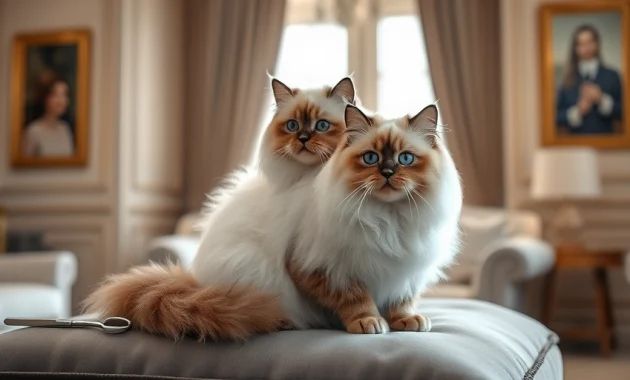
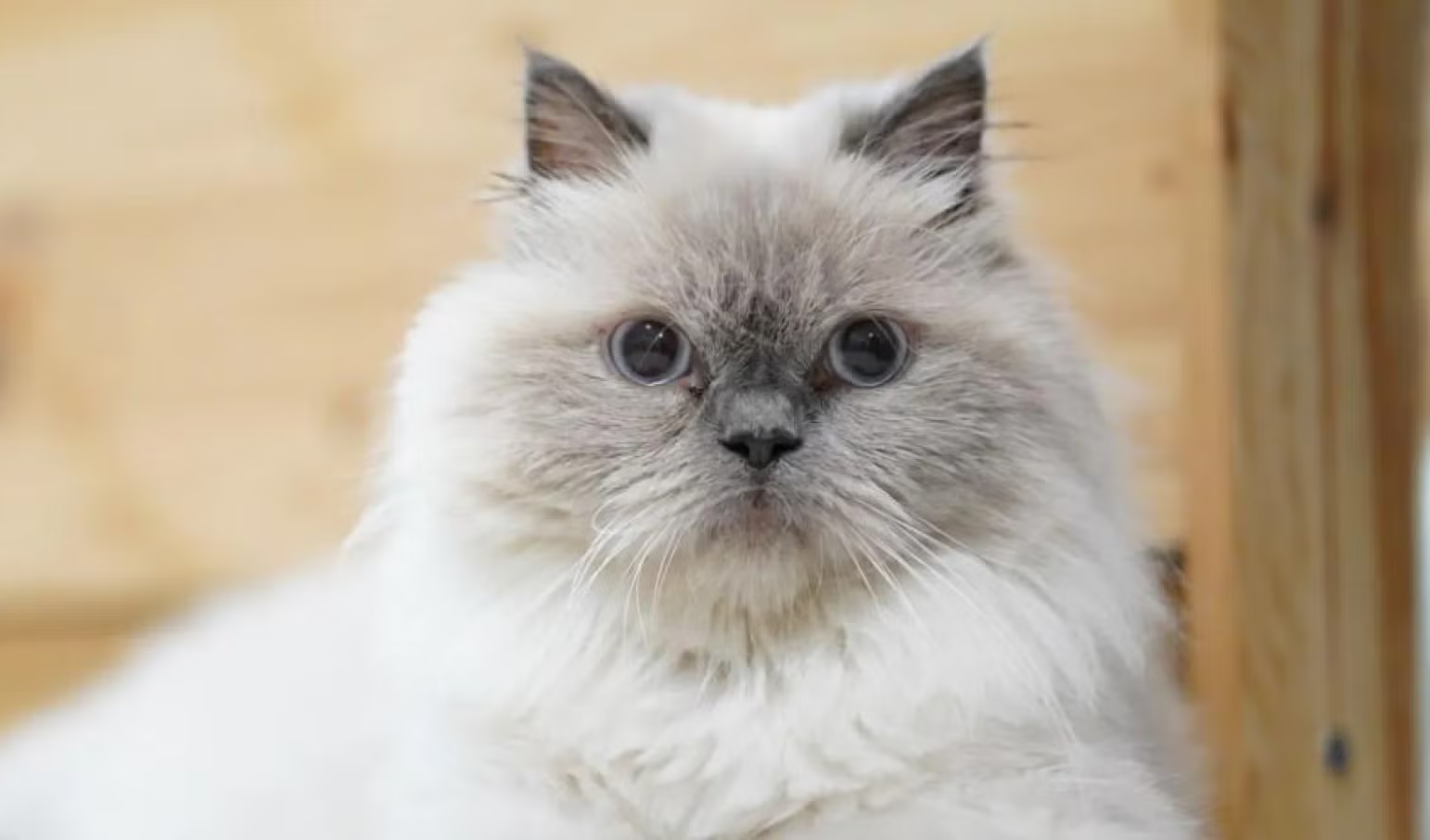
The Himalayan cat—affectionately known as the "Himmie"—is one of the most recognized and cherished breeds in the feline world. Combining the sweet, quiet disposition and luxurious, long coat of the Persian with the striking blue eyes and rich color point pattern of the Siamese, the Himalayan represents a masterclass in selective breeding.
Whether you are thinking about bringing a Himalayan kitten into your home, looking to optimize the care of your senior Himmie, or simply fascinated by feline genetics and breed history, this comprehensive guide offers everything you need to know about this elegant feline companion.
History and Genomic Evolution
The story of the Himalayan cat is a fascinating journey through intentional genetic crossbreeding, breed registry debates, and decades of dedicated refinement by passionate cat fanciers across two continents.
Himalayan Breed Crossbreeding Pathway:
   Persian Breed (Round Head, Flat Face, Long Double Coat, Calm Disposition)
                                    ✖
   Siamese Breed (Svelte Body, Pointed Color Pattern, Vivid Blue Eyes, Vocalization)
                                    ▼
       Target Result: "A Colorpoint Persian" (The Modern Himalayan)
1. The Early Origins (1930s)
Unlike naturally occurring breeds that evolved to suit specific geographic climates, the Himalayan is an artificially created breed born out of scientific curiosity.
During the 1930s, researchers at Harvard University—specifically Dr. Clyde Keeler and breeder Virginia Cobb—began experimental crossbreeding between Persian and Siamese cats. Their primary objective was not to create a commercial new pet breed, but rather to study how specific physical traits—namely long hair (recessive) and pointed coloration (recessive)—were inherited across generations.
The resulting kittens proved that a cat could inherit both the long coat of the Persian and the color point pattern of the Siamese in a single generation if the correct recessive genes were paired.
2. Post-War Development and Recognition
In the 1950s, independent breeders in the United Kingdom and the United States took these early genetic findings and began breeding programs aimed at establishing a recognized show breed.
In Britain, breeder Brian Sterling-Webb refined the crossbreed over many years, creating the Colorpoint Longhair, which was formally recognized by the Governing Council of the Cat Fancy (GCCF) in 1955.
In North America, Marguerita Goforth successfully established the colorpoint longhair line, leading to official breed recognition by the American Cat Fanciers' Association (ACFA) and the Cat Fanciers' Association (CFA) in 1957 under the name Himalayan.
3. The Himalayan Naming Mystery
A common misconception among first-time cat owners is that the Himalayan cat originates from the Himalayan mountain range in Asia. In reality, the name was chosen because the cat's distinctive color point pattern mirrors that of other domestic animals featuring darker extremities on a lighter body, such as the Himalayan Rabbit and the Himalayan Guinea Pig.
4. The Persian Division Debate
The classification of the Himalayan has been a subject of friendly debate among major cat registries:
Separate Breed Standard: Registries like TICA (The International Cat Association) recognize the Himalayan as a distinct, standalone breed.
Persian Color Division: The CFA (Cat Fanciers' Association) reclassified the Himalayan in 1984 as a specialized color division of the Persian breed.
Regardless of registry nuances, the Himalayan is genetically and structurally a long-haired Persian bearing the beautiful coat pattern of the Siamese.
- 1. The Early Origins (1930s)
- 2. Post-War Development and Recognition
- 3. The Himalayan Naming Mystery
- 4. The Persian Division Debate
- 1. What is a Himalayan cat?
- 2. Are Himalayan cats and Persian cats the same breed?
- 3. Why are Himalayan cats called "Himalayan"?
- 4. Why are Himalayan kittens born completely white?
- 5. What colors do Himalayan cats come in?
- 6. Do Himalayan cats always have blue eyes?
- 7. Are Himalayan cats affectionate?
- 8. Do Himalayan cats get along with children and other pets?
- 9. Are Himalayan cats vocal like Siamese cats?
- 10. How often should a Himalayan cat be groomed?
- 11. Why do Himalayan cats have watery eyes?
- 12. Are Himalayan cats healthy?
- 13. Are Himalayan cats good apartment pets?
- 14. How long do Himalayan cats live?
- 15. How much does a Himalayan cat cost?
- 16. Do Himalayan cats shed a lot?
- 17. Are Himalayan cats prone to hairballs?
- 18. Are Himalayan cats suitable for first-time owners?
The Color Point Matrix and Coat Pattern Spectrum
The hallmark feature of the Himalayan is its color point coat—a light-colored body contrasted with darker pigment on the ears, facial mask, legs, paws, and tail. This striking pattern is governed by a temperature-sensitive genetic mutation.
Himalayan Point Color Variations:
├── Solid Points   ➔ Seal, Blue, Chocolate, Lilac, Flame (Red), Cream
├── Patterned      ➔ Tortie Point, Blue-Cream Point
└── Tabby Variant  ➔ Lynx Point (Striped patterns across facial mask and limbs)
The Science Behind the Point Pattern
The color point pattern is controlled by the Himalayan Gene ($c^s$), a form of albinism affecting the enzyme tyrosinase. Tyrosinase is responsible for producing melanin (pigment).
Because this specialized enzyme is sensitive to heat, it degrades at normal core body temperatures, keeping the fur on the cat's torso pale cream or white. However, on the extremities—where skin temperature is cooler—tyrosinase remains active, allowing rich pigment to develop on the ears, face, paws, and tail.
🧬 Did You Know? Because a kitten's environment inside the womb is uniformly warm, Himalayan kittens are born completely white. Their point coloration only begins to appear after a few weeks of exposure to cooler room air.
The Primary Point Color Varieties
Himalayans come in a beautiful array of point variations, recognized across major registries:
1. Seal Point
The classic and most iconic variation. Features a warm fawn-to-cream body with rich, dark seal-brown (almost black) points on the face, ears, legs, and tail. The nose leather and paw pads are matching dark brown.
2. Blue Point
A softer version of the Seal Point. Features a cool bluish-white to pale silver body paired with slate-blue points. The nose leather and paw pads are slate gray.
3. Chocolate Point
Often confused with Seal Points, Chocolate Points feature an ivory white body with warm, milk-chocolate brown extremities. The skin on the nose and paw pads is a light cinnamon or pinkish-brown.
4. Lilac Point
A delicate combination. Features a bright white body with frosty, pinkish-gray points. The nose leather and paw pads display lavender-pink tones.
5. Flame (Red) Point
Features a clear white body paired with vivid flame-orange or deep red points across the face, ears, and tail.
6. Cream Point
A diluted version of the Flame Point. Features a bright white body with soft, warm cream-colored extremities.
7. Tortie Point and Blue-Cream Point
Tortie Point: Displays a mottling of black, red, and cream across the points, set against a warm cream body.
Blue-Cream Point: Features a soft mix of slate blue and cream points set against a cool white body.
8. Lynx Point
Lynx Points feature distinct tabby striping across the facial mask, legs, and tail, framed by the traditional color point contrast.
Physical Traits and Behavioral Profile
Understanding the Himalayan's physical build and personality helps owners provide the best possible home environment.
Himalayan Body Build Standard:
[Head: Round, Broad Cobby Structure] ──► [Eyes: Deep Blue, Large, Circular]
                                                 │
                                                 ▼
[Short, Sturdy Legs & Round Paws] ◀── [Short, Broad, Muscular Torso]
Physical Characteristics
Body Build (Cobby): Himalayans have a low-slung, sturdy build with short, thick legs, broad shoulders, and a deep chest. They feel solid and heavy when held.
Facial Structure:
Peke-Faced (Ultra-Typy): Features an extremely flat profile with a short, turned-up nose set directly between the eyes.
Doll-Faced (Traditional): Features a slightly longer, more moderate muzzle that allows for easier breathing while retaining the classic sweet expression.
The Eyes: The eyes are large, round, and set wide apart. In purebred Himalayans, eye color is always a vivid blue, ranging from sky blue to deep sapphire.
The Coat: A long, luxurious double coat consisting of a dense, insulating down undercoat protected by long, flowing guard hairs.
Personality and Behavioral Dynamics
Himalayans are renowned for their gentle, sweet nature, inheriting the best behavioral traits from both parent breeds.
Himalayan Personality Spectrum:
├── Calm & Mellow   ➔ Enjoys quiet environments, lap-napping, and peaceful routines
├── Soft Vocalization➔ Expresses needs with quiet, melodic chirps rather than loud yowls
├── Playful Sparks  ➔ Enjoys gentle play sessions with feather wands and motorized mice
└── Human-Oriented ➔ Forms deep bonds with family members, thriving on affection
Sedate and Loving: Himalayans are not high-energy acrobats. They prefer lounging on soft cushions, sunbathing, and cuddling on their owner's lap over scaling tall curtains or jumping onto door frames.
Soft Vocal Communication: While they inherit a desire to communicate from their Siamese ancestry, their voice is soft, quiet, and sweet, often sounding like a gentle chirp rather than a loud yowl.
Adapter Disposition: Himmies adapt well to living in apartments or quiet family homes. They do best in stable, peaceful environments free from loud, chaotic noises.
Specialized Care, Grooming, and Health Management
Caring for a Himalayan requires dedication, particularly when it comes to coat maintenance and monitoring health conditions related to their facial structure.
Himalayan Daily Care Blueprint:
┌─────────────────────────────────────────────────────────┐
│ Coat Grooming ➔ Daily combing using a steel comb       │
├─────────────────────────────────────────────────────────┤
│ Eye Hygiene   ➔ Daily wiping of facial skin folds       │
├─────────────────────────────────────────────────────────┤
│ Hydration     ➔ Water fountains & wide shallow bowls    │
└─────────────────────────────────────────────────────────┘
1. Grooming and Coat Maintenance
Because Himalayans have a dense, long double coat, daily grooming is essential. Skipping brushing for even a few days can lead to severe mats and painful skin pulling.
Daily Comb-Through: Use a high-quality stainless steel comb to reach deep into the undercoat. Working in sections, gently comb outward from the skin to remove loose down hair before it tangles.
High-Friction Zones: Pay special attention to the armpits, belly, hind legs (britches), and behind the ears, as these areas are most prone to matting.
Eye Hygiene: Due to their short muzzles and facial structure, many Himalayans experience tear staining (epiphora). Gently wipe the skin folds beneath their eyes daily using a warm, damp cotton pad to prevent tear buildup, skin irritation, and fungal infections.
2. Brachycephalic Health Considerations
Like Persians, Himalayans with flat facial profiles (Peke-faced) are brachycephalic, which can make them sensitive to heat and exertion.
Brachycephalic Risk Management:
├── Climate Control ➔ Keep indoor environments cool during hot weather
├── Flat Dishware   ➔ Use wide, shallow food bowls to keep whiskers clean
└── Respiratory     ➔ Monitor breathing during play; stop if heavy panting occurs
Heat Sensitivity: Shortened nasal passages make it harder for brachycephalic cats to cool their bodies efficiently through panting. Always keep your Himalayan in an air-conditioned, cool environment during hot summer months.
Flat Food Bowls: Use wide, shallow food dishes or elevated ceramic plates so your cat can eat comfortably without pushing their face awkwardly against the rim of a deep bowl.
3. Key Health Conditions to Monitor
Regular veterinary check-ups are essential for catching health issues early. Key conditions to discuss with your vet include:
Polycystic Kidney Disease (PKD): An inherited genetic condition where fluid-filled cysts develop in the kidneys over time. Reputable breeders screen their breeding cats using DNA testing to ensure kittens are free of the PKD gene mutation.
Progressive Retinal Atrophy (PRA): A genetic eye condition that leads to gradual vision loss. Genetic screening helps prevent this condition in breeding lines.
Hypertrophic Cardiomyopathy (HCM): A structural heart disease causing thickening of the heart muscle walls. Regular echocardiograms help monitor heart health in adult cats.
Conclusion: The Reward of Himmie Companionship
The Himalayan is far more than just a beautiful cat—it is a loving, gentle companion that brings warmth and quiet joy to any peaceful home. While their luxurious double coat and delicate facial structure require daily care and attention, the affection, loyalty, and calm companionship a "Himmie" offers in return make every minute of grooming well worth the effort.
By understanding their history, respecting their unique genetics, and providing proper care, you can ensure your Himalayan lives a long, happy, and healthy life by your side.
Frequently Asked Questions (FAQ)
1. What is a Himalayan cat?
The Himalayan cat, often called the "Himmie," is a long-haired breed developed by crossing the Persian and Siamese. It combines the Persian's luxurious coat and gentle personality with the Siamese's striking blue eyes and colorpoint pattern, creating one of the most elegant companion cats in the world.
2. Are Himalayan cats and Persian cats the same breed?
It depends on the cat registry.
- The Cat Fanciers' Association (CFA) classifies the Himalayan as a color division of the Persian.
- The International Cat Association (TICA) recognizes the Himalayan as a separate breed.
Genetically and physically, Himalayans are essentially Persians with the Siamese colorpoint gene.
3. Why are Himalayan cats called "Himalayan"?
Despite their name, Himalayan cats do not originate from the Himalayan Mountains.
The name comes from their distinctive colorpoint pattern, which resembles the coloration found in Himalayan rabbits and Himalayan guinea pigs.
4. Why are Himalayan kittens born completely white?
Himalayan kittens are born white because their coat color is controlled by a temperature-sensitive gene.
Inside the mother's womb, the temperature is warm enough to suppress pigment production. After birth, the cooler parts of the body—such as the ears, face, paws, and tail—begin developing their darker point colors over several weeks.
5. What colors do Himalayan cats come in?
Recognized Himalayan color varieties include:
- Seal Point
- Blue Point
- Chocolate Point
- Lilac Point
- Flame (Red) Point
- Cream Point
- Tortie Point
- Blue-Cream Point
- Lynx Point
Each variety has the same blue eyes but different point coloration.
6. Do Himalayan cats always have blue eyes?
Yes.
Purebred Himalayan cats always have vivid blue eyes. The deeper and richer the blue, the more desirable the eye color is according to most breed standards.
7. Are Himalayan cats affectionate?
Absolutely.
Himalayans are famous for their calm, affectionate, and gentle personalities. They enjoy:
- Sitting on laps
- Following their owners around the house
- Quiet companionship
- Gentle play sessions
- Relaxing with family members
They are excellent indoor companion cats.
8. Do Himalayan cats get along with children and other pets?
Yes.
Himalayans generally get along well with:
- Respectful children
- Other cats
- Cat-friendly dogs
Because they have a relaxed personality, they prefer calm households over noisy or highly chaotic environments.
9. Are Himalayan cats vocal like Siamese cats?
They inherited some vocal tendencies from the Siamese but are much quieter.
Instead of loud yowling, Himalayans usually communicate through:
- Soft meows
- Gentle chirps
- Quiet purring
10. How often should a Himalayan cat be groomed?
Daily grooming is highly recommended.
Their thick double coat tangles easily, so owners should:
- Brush every day using a steel comb
- Check behind the ears, belly, armpits, and hind legs for mats
- Remove loose undercoat before tangles develop
Skipping grooming for several days can result in painful matting.
11. Why do Himalayan cats have watery eyes?
Many Himalayans have flat faces (brachycephalic skulls), which can interfere with normal tear drainage.
This causes:
- Tear staining
- Moist facial folds
- Mild watery eyes
Daily cleaning with a soft damp cotton pad helps prevent skin irritation and infections.
12. Are Himalayan cats healthy?
Overall, yes, but they are predisposed to several inherited conditions, including:
- Polycystic Kidney Disease (PKD)
- Progressive Retinal Atrophy (PRA)
- Hypertrophic Cardiomyopathy (HCM)
- Breathing difficulties in flat-faced individuals
- Dental crowding
- Eye problems associated with brachycephalic anatomy
Regular veterinary examinations and purchasing kittens from health-tested breeders can significantly reduce these risks.
13. Are Himalayan cats good apartment pets?
Yes.
Their calm temperament makes them ideal for:
- Apartments
- Condominiums
- Quiet homes
- Indoor living
They require moderate play but are generally less active than breeds such as Bengals or Abyssinians.
14. How long do Himalayan cats live?
With proper nutrition, veterinary care, and daily grooming, Himalayan cats typically live 12 to 18 years, although many healthy individuals can exceed this lifespan.
15. How much does a Himalayan cat cost?
Prices vary depending on pedigree, breeder reputation, bloodline, and location.
Typical price ranges are:
- Pet-quality kitten: $800–$2,000
- Show-quality kitten: $2,000–$4,000+
Additional lifetime costs include grooming supplies, premium food, routine veterinary care, and health screenings.
16. Do Himalayan cats shed a lot?
Yes.
Their dense double coat sheds throughout the year, with heavier shedding during seasonal coat changes.
Daily brushing helps:
- Reduce loose hair
- Prevent mats
- Minimize hairballs
- Keep the coat healthy and glossy
17. Are Himalayan cats prone to hairballs?
Yes.
Because of their long coat, Himalayans swallow a considerable amount of hair during self-grooming.
To reduce hairballs:
- Brush daily
- Feed a high-quality diet
- Encourage hydration
- Consider veterinarian-approved hairball-control diets or supplements if recommended
18. Are Himalayan cats suitable for first-time owners?
Yes, provided new owners are prepared for the grooming commitment.
They are known for being:
- Friendly
- Gentle
- Easygoing
- Affectionate
- Adaptable
However, their coat maintenance requires consistency and dedication.