The Ultimate Guide to Cat-Safe Flowers, Botanical Toxicity, and Feline Houseproofing
2 weeks ago
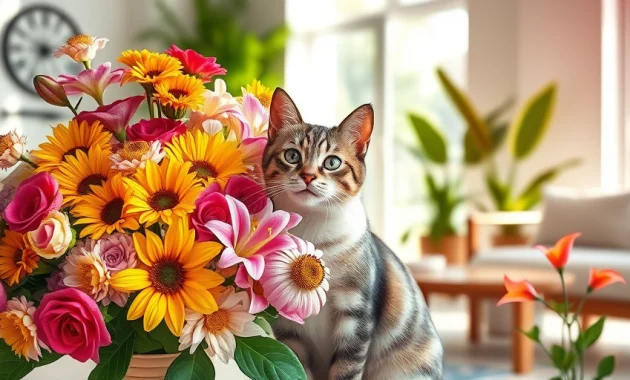
Flowers bring vibrant color, natural beauty, and uplifting fragrance into our living spaces. Whether you are receiving a celebratory bouquet, decorating for a seasonal holiday, or cultivating a windowsill garden, plants enhance our homes in countless ways.
However, for cat guardians, bringing cut flowers or potted plants indoors requires careful consideration.
Cats are curious, agile explorers. They climb onto high countertops, inspect new objects with their noses, and frequently chew on leaves, stems, and petals. While some plants are harmless, others contain dangerous toxins that can cause severe gastrointestinal distress, rapid organ failure, or fatal toxicity—even in tiny quantities.
This comprehensive guide breaks down the science of feline plant toxicity, provides an extensive directory of cat-safe versus toxic flowers, highlights hidden floral arrangement hazards, and shares practical strategies to keep your cat safe.
- Why Cats Eat Flowers and How Toxicity Works
- Comprehensive Directory: Cat-Safe vs. Toxic Flowers
- Designing Cat-Safe Bouquets and Uncovering Hidden Fillers
- Home Safety and Clinical Response Protocol
- Conclusion: Enjoying Flowers Safely with Cats
- 1. What flowers are completely safe for cats?
- 2. Which flowers are the most dangerous for cats?
- 3. Why do cats chew on flowers and houseplants?
- 4. Can cats get sick from drinking flower vase water?
- 5. Are roses toxic to cats?
- 6. Are orchids safe for cats?
- 7. What are the first signs of flower poisoning in cats?
- 8. What should I do if my cat eats a toxic flower?
- 9. Can a tiny amount of lily pollen really kill a cat?
- 10. Are all lilies equally dangerous?
- 11. How can I safely decorate my home with flowers if I own cats?
- 12. Which greenery commonly found in bouquets is toxic to cats?
- 13. What are the best pet-safe flowers for gifting cat owners?
- 14. Can non-toxic flowers still make cats vomit?
- 15. What are the best alternatives for cats that enjoy chewing plants?
Why Cats Eat Flowers and How Toxicity Works
Understanding why cats chew on plants—and how their bodies process botanical compounds—is essential for every pet parent.
Feline Botanical Ingestion Dynamics:
┌─────────────────────────────────────────────────────────────┐
│                 Inquisitive Behavior / Need                 │
│      (Curiosity, Texture Exploration, Fibre Craving)       │
└──────────────────────────────┬──────────────────────────────┘
                               │
                               ▼
┌─────────────────────────────────────────────────────────────┐
│                 Chewing & Ingesting Plant                   │
└──────────────────────────────┬──────────────────────────────┘
                               │
            ┌──────────────────┴──────────────────┐
            ▼                                     ▼
┌───────────────────────┐             ┌───────────────────────┐
│   Cat-Safe Botanical  │             │    Toxic Botanical    │
│  - Mild GI Irritation │             │  - Organ Damage       │
│  - Transient Vomiting │             │  - Neurological Signs │
│  - Self-Limiting      │             │  - Systemic Toxicity  │
└───────────────────────┘             └───────────────────────┘
1. The Behavioral Mechanics Behind Plant Chewing
Unlike humans, cats do not possess a complex vegetarian digestive system. As obligate carnivores, their diet centers on animal protein. So why do they chew on plants?
Textural Curiosity: Cats explore their environment through touch, scent, and mouth movement. The crinkly texture of leaves or delicate flutter of petals triggers their predatory instinct.
Fiber Craving: In the wild, felines ingest small amounts of indigestible plant material to aid digestion, assist in passing hairballs, or prompt vomiting to clear unwanted matter from their stomachs.
Boredom and Environmental Play: Indoor cats often chew on dangling leaves or tall flower stems out of playfulness or boredom.
2. The Biological Vulnerability of Felines
Cats process toxins differently than humans or dogs. Their liver lacks key metabolic enzymes—specifically glucuronyl transferase—which are necessary to process and neutralize many organic compounds, essential oils, and plant chemicals.
Because of this physiological limitation, chemical compounds that cause mild upset in humans or dogs can build up in a cat's bloodstream, causing severe damage to the kidneys, liver, or central nervous system.
Comprehensive Directory: Cat-Safe vs. Toxic Flowers
When buying flowers or receiving a bouquet, knowing which blooms are safe is critical. Below is a structured directory comparing safe alternatives to popular toxic species.
Botanical Safety Matrix:
├── Safe Options  ➔ Roses, Sunflowers, Orchids, Asters, Gerbera Daisies, Snapdragons
└── Dangerous     ➔ Lilies (FATAL), Tulips, Daffodils, Chrysanthemums, Azaleas
1. Popular Cat-Safe Flowers
These popular blooms add color and elegance to your home without posing toxic threats:
| Common Name | Botanical Name | Visual Features & Notes |
| Roses | Rosa spp. | Classic bouquet favorite. Non-toxic, though sharp thorns should be trimmed to prevent scratches. |
| Sunflowers | Helianthus spp. | Bright, cheerful focal flowers that are completely safe for curious pets. |
| Orchids | Phalaenopsis, Cymbidium, etc. | Elegant, long-lasting potted plants that pose no toxic threat to felines. |
| Asters | Aster spp. | Daisy-like blooms that add volume and color to safe arrangements. |
| Gerbera Daisies | Gerbera jamesonii | Vibrant, large blooms that are non-toxic and pet-friendly. |
| Zinnias | Zinnia elegans | Hardy, colorful garden favorites safe for indoor display. |
| Snapdragons | Antirrhinum majus | Unique vertical blooms that add structure to cat-safe bouquets. |
| African Violets | Saintpaulia spp. | Popular, easy-to-grow potted houseplant that is non-toxic. |
| Lisianthus | Eustoma grandiflora | Rose-like, delicate blooms frequently used in high-end floral design. |
2. Highly Toxic Flowers to Avoid
These species should never enter a house with cats due to the severe health risks they pose:
Toxicity Risk Spectrum:
[Mild GI Irritation] ──────────────────► [Severe Toxicity / Organ Failure]
(Baby's Breath, Ferns)                     (Lilies, Tulips, Daffodils, Azaleas)
Lilies (Hemerocallis and Lilium species):
🚨 CRITICAL FATAL HAZARD: True lilies (including Easter, Day, Stargazer, Tiger, and Asiatic lilies) are extremely toxic to cats. Every part of the plant is poisonous: the petals, leaves, stems, pollen, and even the water in the vase. Ingesting less than two petals or grooming a tiny grain of pollen off their fur can cause acute renal failure (kidney failure) within 24 to 72 hours.
Tulips and Daffodils (Tulipa and Narcissus species): Contain toxic alkaloids and glycosides concentrated primarily in the bulbs. Chewing the flowers or stems causes drooling, vomiting, diarrhea, and convulsions.
Chrysanthemums (Chrysanthemum spp.): Contain pyrethrins, sesquiterpene lactones, and other irritants that trigger drooling, vomiting, diarrhea, and lack of coordination (ataxia).
Autumn Crocus (Colchicum autumnale): Highly toxic plant containing colchicine, leading to severe gastrointestinal bleeding, organ failure, and central nervous system damage.
Azaleas & Rhododendrons (Rhododendron spp.): Contain grayanotoxins, which disrupt skeletal and cardiac muscle function, potentially causing cardiovascular collapse.
Building a pet-friendly arrangement involves more than picking safe primary flowers. You must also account for greenery, accent fillers, and decorative additions.
Bouquet Composition Safety Checklist:
├── Focal Flowers    ➔ Choose Roses, Sunflowers, or Gerbera Daisies
├── Accent Fillers   ➔ Use Statice, Waxflower, or Snapdragons
└── Greenery Check   ➔ AVOID Eucalyptus, Dusty Miller, English Ivy, & Berries
1. Designer Cat-Safe Combinations
You can create beautiful, professional-looking bouquets using non-toxic combinations:
The Sunshine Arrangement: Sunflowers, Gerbera Daisies, and Statice.
The Elegant Romantic: Pink Roses, White Lisianthus, and Waxflower.
The Rustic Field: Zinnias, Cosmos, Asters, and Snapdragons.
The Garden Meadow: Pot Marigold, Pansies, Violas, and Goldenrod.
Florists frequently use greenery and decorative accents that carry hidden risks. Always request that your florist exclude the following items:
Eucalyptus: Rich in essential oils that cause salivation, vomiting, diarrhea, and lethargy.
English Ivy & Ruscus: Contain saponins that cause severe gastrointestinal irritation.
Dusty Miller: Contains pyrrolizidine alkaloids leading to liver irritation.
Decorative Berries & Seed Pods: Many commercial berries carry concentrated toxins that present choking or toxicity hazards.
Vase Water Preservatives: Commercial flower food packets often contain biocide and acidifiers. Keep vase water covered so cats cannot drink it.
Home Safety and Clinical Response Protocol
Even when using non-toxic flowers, keeping your home organized minimizes mess and prevents mild stomach upset.
Home Safety & Emergency Protocol:
┌─────────────────────────────────────────────────────────────┐
│                 Prevention & Environment                    │
│   (Heavy Vases, High Placement, Trimming Fallen Petals)    │
└──────────────────────────────┬──────────────────────────────┘
                               │
                               ▼
┌─────────────────────────────────────────────────────────────┐
│                  Suspected Plant Ingestion                  │
└──────────────────────────────┬──────────────────────────────┘
                               │
            ┌──────────────────┴──────────────────┐
            ▼                                     ▼
┌───────────────────────┐             ┌───────────────────────┐
│   Non-Toxic Botanical │             │ Toxic / Unknown Plant │
│ - Monitor at home     │             │ - Collect plant sample│
│ - Offer fresh water   │             │ - Contact Vet/Poison  │
│ - Observe GI signs    │             │   Control immediately │
└───────────────────────┘             └───────────────────────┘
1. Practical Cat-Proofing Strategies
Use Heavy, Wide-Based Vases: Cats love pushing objects off tables. Use heavy ceramic or thick glass vases with broad bases to prevent tipping.
Elevate Display Areas: Place arrangements on high wall-mounted shelves or inside rooms with closed doors. Avoid low coffee tables or window sills.
Clean Up Fallen Leaves Immediately: Petals and leaves drop as flowers age. Sweep or vacuum around arrangements daily so curious pets don't ingest fallen debris.
2. Clinical Symptoms of Toxicity
If your cat ingests a toxic plant, watch for these common clinical signs:
3. Emergency Action Plan
If you suspect your cat has chewed on or ingested a toxic plant or flower:
Remove the Plant: Immediately move the cat away from the arrangement and clear any remaining plant material from their mouth.
Identify the Plant: Take a clear photograph of the flower, leaf, and bulb, or place a sample in a sealed plastic bag.
Contact Emergency Services: Call your local veterinarian, an emergency pet hospital, or the Pet Poison Helpline (855-764-7661) immediately. Do not wait for symptoms to appear.
Conclusion: Enjoying Flowers Safely with Cats
Keeping cats safe does not mean you have to give up fresh flowers. By learning which species are safe, skipping toxic plants like lilies, inspecting greenery fillers, and placing arrangements thoughtfully, you can enjoy beautiful blooms while keeping your pets healthy and secure.
Quick Reference: Feline Flower Safety Matrix
| Flower / Plant Species | Safety Status | Health Impact | Safe Alternative |
| Roses (Rosa spp.) | SAFE | Non-toxic; trim thorns to prevent scratches. | N/A |
| True Lilies (Lilium spp.) | 🚨 FATAL | Causes acute kidney failure within 24–72 hours. | Snapdragons or Lisianthus |
| Sunflowers (Helianthus) | SAFE | Non-toxic; bright and safe for homes. | N/A |
| Tulips (Tulipa spp.) | ❌ TOXIC | Causes drooling, vomiting, and convulsions. | Gerbera Daisies |
| Orchids (Phalaenopsis) | SAFE | Non-toxic, elegant houseplant. | N/A |
| Daffodils (Narcissus) | ❌ TOXIC | Causes severe gastrointestinal and cardiac issues. | Asters or Zinn |
Frequently Asked Questions (FAQ)
1. What flowers are completely safe for cats?
Several flowers are considered non-toxic to cats and are generally safe to keep indoors. Popular cat-safe flowers include roses, sunflowers, orchids (Phalaenopsis), gerbera daisies, snapdragons, zinnias, asters, lisianthus, African violets, and calendulas. Although these flowers are not poisonous, cats may still experience mild stomach upset if they consume large amounts of leaves or petals, so supervision is still recommended.
2. Which flowers are the most dangerous for cats?
True lilies (Lilium and Hemerocallis species) are by far the most dangerous flowers for cats. Even tiny amounts of pollen, petals, leaves, stems, or water from a lily vase can cause acute kidney failure. Other highly toxic flowers include tulips, daffodils, chrysanthemums, autumn crocus, azaleas, rhododendrons, and amaryllis. These plants can cause symptoms ranging from vomiting and diarrhea to seizures, heart abnormalities, and life-threatening organ failure.
3. Why do cats chew on flowers and houseplants?
Cats chew plants for several natural reasons, including curiosity, boredom, texture exploration, digestive support, and hairball management. Some indoor cats also nibble leaves simply because moving foliage stimulates their hunting instincts. Providing safe alternatives such as cat grass or catnip can help satisfy this behavior while reducing the temptation to chew dangerous plants.
4. Can cats get sick from drinking flower vase water?
Yes. Vase water can become dangerous because it often contains bacteria, fungi, plant toxins, and commercial flower preservatives. If toxic flowers like lilies are present, the water itself may contain harmful compounds capable of poisoning a cat. Always keep floral arrangements out of reach and replace vase water regularly if you have pets.
5. Are roses toxic to cats?
No. Roses are considered non-toxic to cats. However, thorny stems can cause cuts or injuries to the mouth and paws. It is best to trim the thorns before displaying roses in areas accessible to curious pets.
6. Are orchids safe for cats?
Yes. Most common orchids, especially Phalaenopsis orchids, are non-toxic to cats. They are one of the safest flowering houseplants for pet-friendly homes and make an excellent decorative choice for cat owners.
7. What are the first signs of flower poisoning in cats?
Early symptoms typically include excessive drooling, vomiting, diarrhea, reduced appetite, pawing at the mouth, and lethargy. As toxicity progresses, cats may develop weakness, tremors, difficulty breathing, seizures, kidney failure, or collapse depending on the specific toxin involved.
8. What should I do if my cat eats a toxic flower?
Immediately remove any remaining plant material from your cat's mouth if it is safe to do so. Take a photo or sample of the plant, contact your veterinarian or the nearest emergency animal hospital immediately, and never wait for symptoms to appear. Prompt treatment dramatically improves the chances of recovery, especially with highly toxic plants like lilies.
9. Can a tiny amount of lily pollen really kill a cat?
Yes. Lilies are exceptionally toxic. A cat may only need to groom a few grains of pollen from its fur or drink contaminated vase water to suffer acute kidney failure. Any exposure to true lilies should be treated as a veterinary emergency.
10. Are all lilies equally dangerous?
No. True lilies (Lilium species) and daylilies (Hemerocallis species) are the most dangerous because they cause severe kidney damage. Other plants with "lily" in their common name, such as peace lilies or calla lilies, are toxic but usually cause oral irritation rather than kidney failure. Regardless, all lilies should be kept away from cats.
11. How can I safely decorate my home with flowers if I own cats?
Choose only pet-safe flowers, use heavy vases that cannot be easily knocked over, place arrangements on elevated shelves or inside cat-free rooms, remove fallen petals daily, and avoid decorative fillers such as eucalyptus or English ivy. Double-check every plant included in bouquets before bringing them indoors.
12. Which greenery commonly found in bouquets is toxic to cats?
Many bouquet fillers can be hazardous, including eucalyptus, English ivy, ruscus, dusty miller, and decorative berries. Even when the main flowers are safe, these fillers may introduce significant risks, so always inspect the entire arrangement.
13. What are the best pet-safe flowers for gifting cat owners?
Excellent choices include roses, gerbera daisies, orchids, sunflowers, snapdragons, zinnias, asters, lisianthus, and African violets. These flowers create beautiful bouquets while minimizing health risks for feline companions.
14. Can non-toxic flowers still make cats vomit?
Yes. Even safe flowers may cause mild gastrointestinal irritation if cats consume large quantities. Vomiting once after chewing a harmless plant is generally less concerning than persistent vomiting or other signs of poisoning, but any severe or ongoing symptoms should be evaluated by a veterinarian.
15. What are the best alternatives for cats that enjoy chewing plants?
Cat grass (wheatgrass, oat grass, or barley grass), catnip, silvervine, and valerian root are safe alternatives that satisfy many cats' natural desire to chew vegetation while helping keep them away from potentially toxic houseplants.