The Complete Guide to Feline Abscesses: Pathophysiology, Clinical Presentation, and Surgical Management
5 days ago
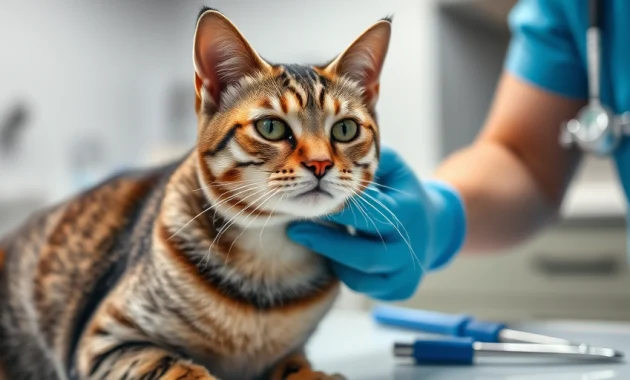
Among the most common emergency and urgent-care presentations in feline veterinary medicine, the feline cutaneous abscess stands out as a prime example of the cat’s unique physiological response to localized infection.
Whether caused by territorial skirmishes between free-roaming cats, hidden dental pathology, or foreign body penetration, an abscess is far more than a simple skin bump. It represents an active, highly painful biological battle between opportunistic bacteria and the host’s immune system, resulting in a localized accumulation of purulent exudate (pus) beneath the dermis.
Left untreated, a localized abscess can lead to tissue necrosis, systemic sepsis, or chronic non-healing sinus tracts. Conversely, with timely veterinary intervention—including surgical drainage, flush protocols, and targeted antimicrobial therapy—the prognosis for full recovery is excellent.
This comprehensive guide breaks down the biological mechanics of abscess formation in cats, details clinical diagnostic procedures, outlines surgical and medical treatment protocols, and provides clear home-care instructions for pet owners.
- Pathophysiology and Causes of Feline Abscesses
- Recognizing Clinical Signs and Symptoms
- Part 3: Diagnostic Workup and Veterinary Evaluation
- Treatment Protocols and Surgical Drainage
- Home Care, Monitoring, and Recovery
- Conclusion and Prognosis
- Frequently Asked Questions (FAQ)
- 1. What causes abscesses in cats?
- 2. What are the first signs of a cat abscess?
- 3. Where do abscesses usually develop on cats?
- 4. Can a cat abscess heal without veterinary treatment?
- 5. Should I squeeze or pop my cat's abscess at home?
- 6. How do veterinarians diagnose a feline abscess?
- 7. What is the standard treatment for a cat abscess?
- 8. How long does it take for a cat abscess to heal?
- 9. What antibiotics are commonly prescribed for feline abscesses?
- 10. How should I care for my cat after abscess surgery?
- 11. Are abscesses painful for cats?
- 12. Can indoor cats develop abscesses?
- 13. How can I prevent abscesses in cats?
- 14. Is a ruptured abscess contagious to humans or other pets?
- 15. When should I seek emergency veterinary care?
Pathophysiology and Causes of Feline Abscesses
To understand why abscesses develop so rapidly in cats, one must examine the unique anatomical properties of feline skin alongside the microbiology of the feline oral cavity.
Biological Path of Cat Fight Abscess Formation:
┌─────────────────────────────────────────────────────────────┐
│ 1. PENETRATION PHASE                                        │
│    Biting cat injects oral flora (e.g., Pasteurella) deep   │
│    into subcutaneous tissue via sharp, curved canine teeth. │
└──────────────────────────────┬──────────────────────────────┘
                               │
                               ▼
┌─────────────────────────────────────────────────────────────┐
│ 2. DERMAL SEALING PHASE                                     │
│    Elastic feline skin rapidly closes over puncture holes,   │
│    trapping bacteria in a warm, low-oxygen (anaerobic) space│
└──────────────────────────────┬──────────────────────────────┘
                               │
                               ▼
┌─────────────────────────────────────────────────────────────┐
│ 3. IMMUNE RESPONSE & PUS FORMATION                          │
│    Neutrophils migrate to site; cellular breakdown creates  │
│    thick purulent fluid, forming a pressurized pocket.      │
└──────────────────────────────┘
1. The Anatomy of a Bite Wound
The vast majority of feline abscesses stem from territorial fights. A cat's canine teeth are slender, sharp, and curved—acting much like natural hypodermic needles.
When one cat bites another:
The teeth puncture deep into the subcutaneous tissue layer, inoculating bacteria directly beneath the dermis.
Because feline skin is remarkably elastic and pliable, the superficial entry punctures close up within hours.
The trapped bacteria multiply in the warm, oxygen-deprived subcutaneous environment, triggering a massive migration of white blood cells (neutrophils).
As neutrophils engulf bacteria and die, liquefaction necrosis occurs, forming pus—a dense mixture of dead white blood cells, cellular debris, protein-rich fluid, and active bacterial colonies.
2. Common Bacterial Isolates
Feline bite wound abscesses frequently host mixed polymicrobial infections involving both aerobic and facultative anaerobic bacteria resident in feline saliva:
Pasteurella multocida: The predominant organism isolated from feline bite wounds, known for causing rapid tissue inflammation.
Bacteroides and Fusobacterium species: Obligate anaerobes that thrive in sealed, oxygen-poor tissue pockets, responsible for the characteristic foul odor of abscess fluid.
Staphylococcus and Streptococcus species: Opportunistic cutaneous flora that amplify tissue destruction.
Mycoplasma species: Wall-less bacteria that require specific culture media and targeted antibiotics.
3. Alternative Causes
While fight wounds account for the majority of cases, feline abscesses can also stem from:
Tooth Root Abscesses: Exposure of the root canal due to advanced periodontal disease or tooth fractures (commonly affecting the upper fourth premolar), leading to facial swelling below the eye.
Foreign Body Penetration: Plant awns (foxtails), splinters, or sewing needles migrating through tissue.
Retrobulbar Abscesses: Infection building behind the eye socket, causing sudden globe protrusion (exophthalmos).
Iatrogenic / Post-Surgical: Infection following deep penetrating trauma or surgical contamination.
Recognizing Clinical Signs and Symptoms
Because a cat's thick fur coat easily hides minor puncture wounds, an abscess often goes unnoticed until the pocket expands significantly or ruptures.
Progression of Abscess Symptoms:
├── Stage 1: Systemic / Behavioral ➔ Lethargy, fever, loss of appetite, hiding.
├── Stage 2: Localized Swelling    ➔ Firm, warm, tender lump beneath the skin.
├── Stage 3: Tissue Necrosis       ➔ Skin turns purple/yellow; hair thins and sloughs.
└── Stage 4: Rupture & Drainage    ➔ Sudden release of foul-smelling, blood-tinged pus.
Key Clinical Signs
| Clinical Sign | Physiological Cause | Typical Manifestation |
|---|---|---|
| Localized Swelling | Fluid accumulation under pressure | Soft-to-firm fluid-filled lump, commonly on head, neck, tail base, or limbs. |
| Marked Pain / Guarding | Inflammatory pressure on local nerves | Cat flinches, growls, or limps when touched near the affected region. |
| Hyperthermia (Fever) | Pyrogenic cytokine release | Body temperature exceeds normal range (normal: / ). |
| Cutaneous Discoloration | Ischemia and tissue necrosis | Overlying skin turns dark red, purple, or blackish as blood supply drops. |
| Purulent Discharge | Spontaneous rupture of wall | Thick yellow, green, brown, or bloody fluid draining onto fur. |
| Lethargy & Anorexia | Systemic inflammatory response | Cat hides, refuses food, stops grooming, and acts withdrawn. |
Part 3: Diagnostic Workup and Veterinary Evaluation
When a cat presents with suspected abscessation, the veterinarian follows a structured diagnostic approach to evaluate localized damage and rule out systemic complications.
Veterinary Diagnostic Flowchart:
┌─────────────────────────────────────────────────────────────┐
│ 1. Triage & Physical Examination                            │
│    - Temperature check, palpation, clipping overlying fur.   │
└──────────────────────────────┬──────────────────────────────┘
                               │
                               ▼
┌─────────────────────────────────────────────────────────────┐
│ 2. Diagnostic Aspiration / Fine Needle Cytology             │
│    - Confirm presence of purulent exudate vs. tumor/hernia. │
└──────────────────────────────┬──────────────────────────────┘
                               │
                               ▼
┌─────────────────────────────────────────────────────────────┐
│ 3. Systemic & Viral Screening                               │
│    - Retroviral testing (FeLV / FIV).                       │
│    - Complete Blood Count (CBC) to evaluate leukocytosis.   │
└──────────────────────────────┘
1. Physical Exam and Palpation
The veterinarian carefully shaves the fur over the swelling to expose the skin surface. This reveals hidden bite marks, scabbed puncture sites, or necrotic skin patches.
2. Fine Needle Aspiration (FNA)
To differentiate an abscess from a hematoma, seroma, cyst, or soft-tissue tumor, a small needle is inserted into the swelling. Extracting foul-smelling purulent fluid confirms the diagnosis immediately.
Because bite wounds are the primary transmission vector for Feline Immunodeficiency Virus (FIV) and Feline Leukemia Virus (FeLV), veterinarians strongly recommend viral screening for any cat presenting with a fight-wound abscess.
4. Culture and Sensitivity Testing
For recurrent, non-healing, or unusually deep abscesses, a fluid sample is sent to a diagnostic lab for bacterial culture and antibiotic sensitivity testing to identify resistant strains (such as MRSA or atypical Pseudomonas).
Treatment Protocols and Surgical Drainage
The golden rule of abscess management in veterinary medicine is simple: "Where there is pus, evacuate it" (Ubi pus, ibi evacua). Antibiotics alone cannot effectively penetrate a thick, walled-off pocket of dead tissue and fluid; mechanical drainage is mandatory.
Surgical Remediation Steps:
├── Step 1: Sedation / General Anesthesia (Ensures pain control & patient safety)
├── Step 2: Clipping & Aseptic Preparation of the Surgical Field
├── Step 3: Surgical Lancing & Debridement of Necrotic Tissue
├── Step 4: Antiseptic Flushing (Sterile Saline / Chlorhexidine)
├── Step 5: Drain Placement (Penrose Drain secured with sutures for 2–5 days)
└── Step 6: Post-Operative Medical Management (Pain control + targeted antibiotics)
1. Surgical Lancing and Debridement
Under heavy sedation or general anesthesia, the veterinarian makes a generous incision across the dependent (lowest) portion of the abscess pocket using a scalpel blade. This allows trapped pus and necrotic tissue debris to drain completely under gravity.
2. Flushing and Cavity Cleansing
The empty abscess cavity is copiously flushed using warm sterile saline or a dilute chlorhexidine solution using a syringe and cannula. This mechanically washes away remaining bacterial colonies and debris.
3. Penrose Drain Placement
If the abscess pocket is large or deep, closing the skin immediately would allow fluid to collect again. The surgeon inserts a soft latex Penrose drain into the pocket, anchoring it with external skin sutures.
The drain provides a continuous escape path for newly formed inflammatory fluid over the next 2 to 5 days.
4. Systemic Pharmacotherapy
Analgesia (Pain Control): Non-steroidal anti-inflammatory drugs (NSAIDs like meloxicam, where approved) or opioid analgesics (like buprenorphine) are essential to control pain and reduce fever.
Antimicrobial Therapy: Empirical broad-spectrum antibiotics (such as amoxicillin-clavulanate or cefovecin) are prescribed to eliminate remaining tissue bacteria while the wound heals from the inside out.
Home Care, Monitoring, and Recovery
Post-operative home care plays a critical role in preventing abscess recurrence and ensuring rapid healing.
Home Recovery Checklist:
├── Elizabethan Collar (E-Collar) ➔ MUST stay on 24/7 to prevent licking/drain removal.
├── Drain Maintenance            ➔ Gently warm-compress site 2–3 times daily.
├── Litter Box Adjustment        ➔ Switch to paper-based litter to prevent dust contamination.
└── Confinement                  ➔ Keep strictly indoors until vet recheck confirms closure.
Essential Home Care Instructions
Maintain the E-Collar: The cat must wear an Elizabethan collar (cone) at all times until the vet approves its removal. Licking or scratching at the surgical site introduces mouth bacteria and risks pulling out the drain prematurely.
Warm Compresses: Apply a warm, damp washcloth to the drain site for 5 minutes twice daily. This softens dried crusts, keeps the drain opening clear, and improves local blood flow.
Use Non-Dust Litter: Replace traditional clay or clumping cat litter with recycled paper pellet litter while the wound is open. Clay dust can stick to the moist wound site, causing secondary infection.
Strict Indoor Confinement: Keep the cat indoors in a clean, quiet room away from other pets to monitor their appetite, activity level, and wound discharge.
Conclusion and Prognosis
When diagnosed promptly and treated with proper surgical drainage, flushing, analgesia, and appropriate antimicrobial therapy, the prognosis for a feline abscess is excellent. Most cats show dramatic improvements in energy and appetite within 24 to 48 hours after the pressure of the abscess is relieved.
By keeping cats indoors, maintaining up-to-date rabies and core vaccinations, and seeking prompt veterinary care at the first sign of a wound or swelling, pet owners can protect their feline companions from the pain and complications of cutaneous abscesses.
Frequently Asked Questions (FAQ)
1. What causes abscesses in cats?
The majority of feline abscesses are caused by bite wounds sustained during territorial fights with other cats. A cat's sharp canine teeth create deep puncture wounds that quickly seal over, trapping bacteria beneath the skin. Common bacteria such as Pasteurella multocida, Bacteroides, and Fusobacterium multiply rapidly in the oxygen-poor environment, resulting in a painful pocket of pus. Less common causes include tooth root infections, penetrating foreign bodies (such as splinters or grass awns), surgical wound infections, and traumatic injuries.
2. What are the first signs of a cat abscess?
Early symptoms often include lethargy, reduced appetite, hiding, and a mild fever before any visible swelling appears. As the infection progresses, owners may notice a warm, painful lump beneath the skin, limping if a limb is affected, or discomfort when the area is touched. Once the abscess ruptures, foul-smelling pus mixed with blood may drain onto the fur.
3. Where do abscesses usually develop on cats?
Abscesses most commonly occur around the head, cheeks, neck, shoulders, tail base, and front legs because these areas are frequent targets during cat fights. Dental abscesses often appear as swelling beneath the eye, while foreign body abscesses may develop on the paws or between the toes.
4. Can a cat abscess heal without veterinary treatment?
Small superficial abscesses may occasionally rupture and partially drain on their own, but this does not eliminate the underlying infection. Without proper drainage, cleaning, and antibiotics, bacteria often remain trapped beneath the skin, causing the abscess to reform. Untreated infections may spread deeper into surrounding tissues or enter the bloodstream, potentially leading to sepsis.
5. Should I squeeze or pop my cat's abscess at home?
No. Attempting to squeeze or lance an abscess at home is not recommended. Doing so is extremely painful, may push bacteria deeper into surrounding tissues, and increases the risk of severe infection. Veterinary drainage is performed under sedation or anesthesia using sterile instruments, followed by proper wound flushing and medication.
6. How do veterinarians diagnose a feline abscess?
Diagnosis usually begins with a thorough physical examination. Veterinarians often clip the surrounding fur and perform a fine-needle aspiration (FNA) to confirm that the swelling contains pus rather than blood, fluid, or a tumor. In recurrent or severe cases, bacterial culture and antibiotic sensitivity testing may be recommended. Cats involved in outdoor fights are also commonly tested for Feline Immunodeficiency Virus (FIV) and Feline Leukemia Virus (FeLV).
7. What is the standard treatment for a cat abscess?
Treatment generally includes:
- Sedation or general anesthesia.
- Surgical opening and drainage of the abscess.
- Removal of dead tissue (debridement).
- Thorough flushing with sterile antiseptic solution.
- Placement of a Penrose drain if necessary.
- Pain medication and antibiotics.
- Follow-up examinations until healing is complete.
8. How long does it take for a cat abscess to heal?
Most uncomplicated abscesses begin improving within 24 to 48 hours after drainage. Complete healing generally occurs within 10 to 14 days, although larger or deeper wounds may require several weeks. Following all medication instructions and attending follow-up appointments significantly improves recovery.
9. What antibiotics are commonly prescribed for feline abscesses?
Veterinarians commonly prescribe broad-spectrum antibiotics such as amoxicillin-clavulanate or cefovecin while awaiting culture results if necessary. The exact medication depends on the bacteria involved, the severity of infection, and the cat's medical history. Owners should always complete the full course of antibiotics, even if the wound appears healed.
10. How should I care for my cat after abscess surgery?
Home care typically includes:
- Keeping the Elizabethan collar (E-collar) on at all times.
- Administering all medications exactly as prescribed.
- Cleaning around the drain site if instructed by your veterinarian.
- Applying warm compresses several times daily when recommended.
- Using dust-free paper litter while the wound remains open.
- Keeping the cat indoors until the veterinarian confirms complete healing.
11. Are abscesses painful for cats?
Yes. Abscesses are extremely painful because the accumulating pus creates pressure beneath the skin while inflammation irritates surrounding nerves. Cats often hide, stop eating, avoid movement, or react aggressively when the affected area is touched. Pain relief is an essential part of treatment.
12. Can indoor cats develop abscesses?
Although outdoor cats are at much higher risk due to territorial fights, indoor cats can also develop abscesses from dental infections, puncture wounds, foreign bodies, surgical complications, or injuries caused by other household pets.
13. How can I prevent abscesses in cats?
The most effective prevention methods include:
- Keeping cats indoors whenever possible.
- Spaying or neutering to reduce territorial aggression.
- Promptly cleaning and monitoring any bite or puncture wounds.
- Scheduling regular dental examinations.
- Maintaining up-to-date vaccinations.
- Seeking veterinary care immediately if swelling or fever develops after a fight.
14. Is a ruptured abscess contagious to humans or other pets?
The abscess itself is not considered contagious, but the bacteria contained within the pus can infect open wounds if proper hygiene is not maintained. Always wear disposable gloves when cleaning drainage, wash your hands thoroughly afterward, and keep other pets away from the wound until it has healed.
15. When should I seek emergency veterinary care?
Immediate veterinary attention is recommended if your cat:
- Has a rapidly enlarging swelling.
- Stops eating for more than 24 hours.
- Has a fever or becomes extremely lethargic.
- Experiences difficulty breathing or swallowing.
- Has facial swelling near the eye.
- Produces excessive foul-smelling discharge.
- Develops multiple abscesses or recurrent infections.