
Building the Bond: 7 Proven Ways to Tame a Shy or Aggressive Cat
2 months ago · Updated 2 months ago
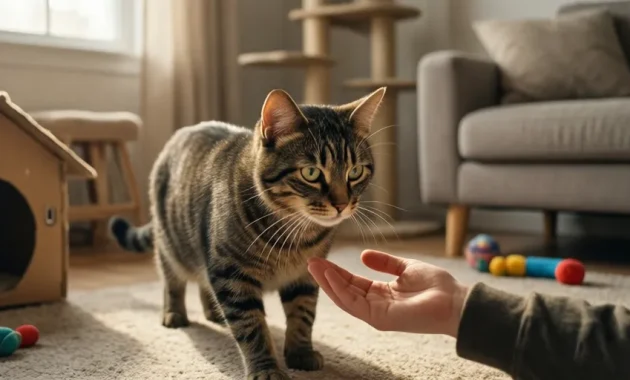
Whether you have rescued a stray or find yourself living with a feline who treats your hand like a chew toy, "taming" a cat is less about control and more about building a bridge of trust. In 2026, we understand that a cat's aggression is almost always a mask for fear.
If you want a cat that isn't just "tame" but is truly a friendly, loyal companion, you have to play the long game. Here is the step-by-step guide to winning over a difficult cat.

The "Invitational" Approach: Let Them Lead
The biggest mistake humans make is invading a cat’s personal space. In the feline world, a direct approach is a sign of a predator or a challenger.
The Strategy: Sit on the floor in the same room as the cat, but ignore them. Read a book or scroll through your phone. By being present but not demanding attention, you signal that you are not a threat. Let the cat make the first move to sniff you.
- Create a "Sanctuary Zone"
- The Way to the Heart: High-Value Nutrition
- Use Your "Library Voice"
- Zero-Pressure Physicality
- Interactive Play as a Bridge
- Modern Calming Aids
- FAQ – How to Tame and Build Trust With a Cat
- 1. Can aggressive cats become friendly?
- 2. How long does it take to tame a cat?
- 3. What is the best way to approach a scared cat?
- 4. Why should I ignore a nervous cat at first?
- 5. Is direct eye contact bad for cats?
- 6. Why do cats need hiding spots?
- 7. What are good hiding places for cats?
- 8. Why do elevated spaces help nervous cats?
- 9. Can food help build trust with a cat?
- 10. What treats work best for taming cats?
- Bonding & Communication FAQ
- 11. Why should I speak softly to cats?
- 12. What type of voice is best around nervous cats?
- 13. Should I pick up a scared cat?
- 14. How should I start physical contact with a shy cat?
- 15. Where do cats usually enjoy being petted?
- 16. Why do cats rub against people?
- 17. Can play help tame a cat?
- 18. What toys are best for shy or aggressive cats?
- 19. Why do cats need playtime?
- 20. Can boredom increase aggression?
- Anxiety & Calming FAQ
- 21. What are synthetic pheromones for cats?
- 22. Do pheromone diffusers really help cats?
- 23. What is a sanctuary zone for cats?
- 24. Why do rescued cats take time to trust humans?
- 25. How do I know if a cat is starting to trust me?
- 26. What is slow blinking in cats?
- 27. Should I punish aggressive behavior?
- 28. What should I do if a cat scratches or bites me?
- 29. Can stressed cats stop eating?
- 30. Why is patience important when taming cats?
- Health & Professional Support FAQ
- 31. Can medical issues cause aggression in cats?
- 32. What medical problems can affect behavior?
- 33. When should I contact a veterinarian?
- 34. What is a veterinary behaviorist?
- 35. Can cats suffer from anxiety disorders?
- 36. Why do cats bite during petting?
- 37. Can older cats be tamed too?
- 38. Are stray cats harder to tame?
- 39. What is the biggest mistake when taming cats?
- 40. What is the secret to taming a difficult cat?
Create a "Sanctuary Zone"
A cat cannot be friendly if they feel exposed.
The Strategy: Provide high-quality "hiding spots"—cardboard boxes, cat tunnels, or elevated perches. When a cat knows they have a safe place to retreat to, they feel much more confident exploring the "open" areas of your home.
The Way to the Heart: High-Value Nutrition
Food is the ultimate universal language. To speed up the bonding process, move beyond standard kibble during your interaction sessions.
The Strategy: Use treats or high-quality food like Purina Pro Plan Adult (available in chicken or salmon). These formulas aren't just nutritious; their high palatability makes them a powerful tool for positive reinforcement. When a cat associates your presence with their favorite meal, their fear response begins to fade.
Use Your "Library Voice"
Cats are incredibly sensitive to high-frequency sounds and sudden movements.
The Strategy: Speak in low, rhythmic, and soothing tones. Even if you are just narrating your day, the sound of your calm voice helps desensitize the cat to your presence.
Zero-Pressure Physicality
Never pick up or hug a cat that isn't ready. This triggers their "fight or flight" response instantly.
The Strategy: Instead of reaching for their back or belly, offer your finger at their nose level. If they rub against it, you can progress to light scratches around the head and neck—areas where cats naturally groom each other.
Interactive Play as a Bridge
Play is the "work" of a cat. It builds confidence and burns off the nervous energy that often turns into aggression.
The Strategy: Use "fishing pole" style toys. This allows the cat to engage in their natural hunting instincts while keeping a safe distance from your hands. It’s a shared activity that builds mutual joy without the stress of physical contact.
Modern Calming Aids
Sometimes, a cat’s nervous system is too "wired" for simple training to work immediately.
The Strategy: Use synthetic pheromones like Feliway. These diffusers release "happy messages" that mimic a cat’s facial pheromones, chemically signaling to their brain that the room is a safe zone.
When to Seek Professional Help
If you have applied these steps for several weeks and your cat remains highly aggressive or completely withdrawn, it may be time to consult a veterinary behaviorist. Occasionally, a cat’s "bad attitude" is actually caused by underlying health issues like chronic pain, dental disease, or severe anxiety that requires medical intervention.
Final Thoughts for PetLovers
Patience is your greatest tool. Some cats take days to tame; others take months. But once that "wild" cat chooses to sit in your lap for the first time, you’ll realize it was worth every second of the wait.
FAQ – How to Tame and Build Trust With a Cat
1. Can aggressive cats become friendly?
Yes. Most aggressive behavior in cats is rooted in fear, stress, or insecurity rather than “bad personality.”
2. How long does it take to tame a cat?
It depends on the cat’s background, personality, and past experiences. Some cats adjust within days, while others may need months.
3. What is the best way to approach a scared cat?
Use a calm, non-threatening approach and allow the cat to make the first move.
4. Why should I ignore a nervous cat at first?
Ignoring the cat reduces social pressure and signals that you are not a threat.
5. Is direct eye contact bad for cats?
Prolonged direct staring may feel intimidating to cats and can be interpreted as a challenge.
6. Why do cats need hiding spots?
Safe hiding places help cats feel secure and reduce anxiety.
7. What are good hiding places for cats?
Helpful options include:
- Cardboard boxes
- Covered beds
- Cat tunnels
- Elevated shelves
- Cat trees
8. Why do elevated spaces help nervous cats?
High spaces allow cats to observe their environment while feeling protected.
9. Can food help build trust with a cat?
Yes. Positive food experiences are one of the fastest ways to create emotional associations.
10. What treats work best for taming cats?
Highly palatable treats and protein-rich foods are usually most effective for bonding.
Bonding & Communication FAQ
11. Why should I speak softly to cats?
Cats are sensitive to loud noises and sudden sounds. Calm voices help reduce stress.
12. What type of voice is best around nervous cats?
Use a low, gentle, rhythmic tone similar to a quiet conversation.
13. Should I pick up a scared cat?
No. Forced handling may increase fear and damage trust.
14. How should I start physical contact with a shy cat?
Offer a finger near their nose level and let them initiate contact first.
15. Where do cats usually enjoy being petted?
Most cats prefer gentle scratches around:
- The cheeks
- The chin
- Behind the ears
- The neck
16. Why do cats rub against people?
Rubbing is a social behavior that marks trusted individuals with scent.
17. Can play help tame a cat?
Yes. Interactive play builds confidence and creates positive shared experiences.
18. What toys are best for shy or aggressive cats?
Fishing pole or wand-style toys work well because they allow safe interaction from a distance.
19. Why do cats need playtime?
Play helps reduce stress, burn energy, and satisfy natural hunting instincts.
20. Can boredom increase aggression?
Yes. Understimulated cats may become anxious, destructive, or aggressive.
Anxiety & Calming FAQ
21. What are synthetic pheromones for cats?
Synthetic pheromones mimic natural feline scent signals that communicate safety and comfort.
22. Do pheromone diffusers really help cats?
Many cats show reduced stress and improved confidence when pheromone products are used consistently.
23. What is a sanctuary zone for cats?
A sanctuary zone is a quiet, secure area where a cat can retreat without disturbance.
24. Why do rescued cats take time to trust humans?
Many rescue cats have experienced trauma, neglect, fear, or inconsistent human interaction.
25. How do I know if a cat is starting to trust me?
Positive signs include:
- Slow blinking
- Sitting nearby
- Purring
- Rubbing against you
- Relaxed body posture
26. What is slow blinking in cats?
Slow blinking is often considered a feline sign of trust and comfort.
27. Should I punish aggressive behavior?
No. Punishment usually increases fear and worsens aggression.
28. What should I do if a cat scratches or bites me?
Stay calm, avoid yelling, and give the cat space to settle down.
29. Can stressed cats stop eating?
Yes. Fear and anxiety may temporarily reduce appetite.
30. Why is patience important when taming cats?
Trust develops gradually through consistent, predictable, and positive interactions.
Health & Professional Support FAQ
31. Can medical issues cause aggression in cats?
Yes. Pain and illness are common hidden causes of aggressive behavior.
32. What medical problems can affect behavior?
Potential causes include:
- Dental disease
- Arthritis
- Injuries
- Chronic pain
- Neurological conditions
33. When should I contact a veterinarian?
Seek veterinary help if aggression appears suddenly or behavior changes dramatically.
34. What is a veterinary behaviorist?
A veterinary behaviorist specializes in treating emotional and behavioral issues in animals.
35. Can cats suffer from anxiety disorders?
Yes. Some cats experience severe anxiety that may require professional treatment.
36. Why do cats bite during petting?
Some cats become overstimulated by prolonged touching, especially on sensitive areas.
37. Can older cats be tamed too?
Yes. Senior cats can still build trust and form strong emotional bonds.
38. Are stray cats harder to tame?
Some stray cats are cautious initially, but many become affectionate with patience and consistency.
39. What is the biggest mistake when taming cats?
Moving too quickly and forcing interaction before trust is established.
40. What is the secret to taming a difficult cat?
Consistency, patience, calm energy, positive reinforcement, and respecting the cat’s boundaries.