The Grand Compendium of Domestic Feline Ethology, Phenotypes, and Internal Medicine: An Ultimate Guide for Advanced Caregivers
1 week ago
The domestic feline (Felis catus) remains one of the most evolutionarily fascinating companions in human households. Unlike canines, which underwent thousands of years of intense behavioral modification to match human social structures, felines are essentially self-domesticated solitary predators. They retain their wild ancestral instincts, metabolic pathways, and structural vulnerabilities.
For the advanced caregiver, feline companion management requires a deep understanding of multiple overlapping disciplines: historical lineage, comparative phenotypic anatomy, behavioral psychology, and preventative internal medicine.
This ultimate pillar guide provides a comprehensive analysis of the domestic feline. It explores structural differences between historical breeds, decodes the subtle signs of feline contentment, and diagnoses common internal medical emergencies.
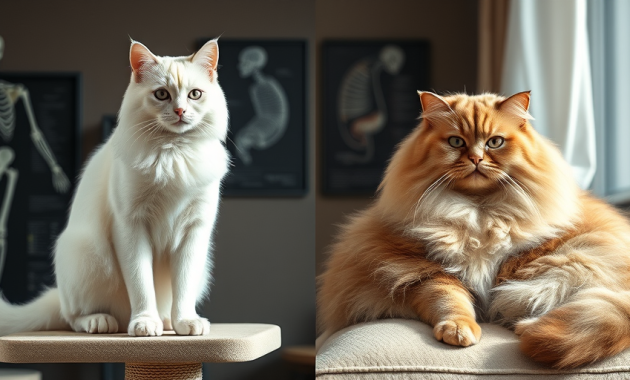
The Morphological and Historical Divergence (Turkish Angora vs. Persian Felines)
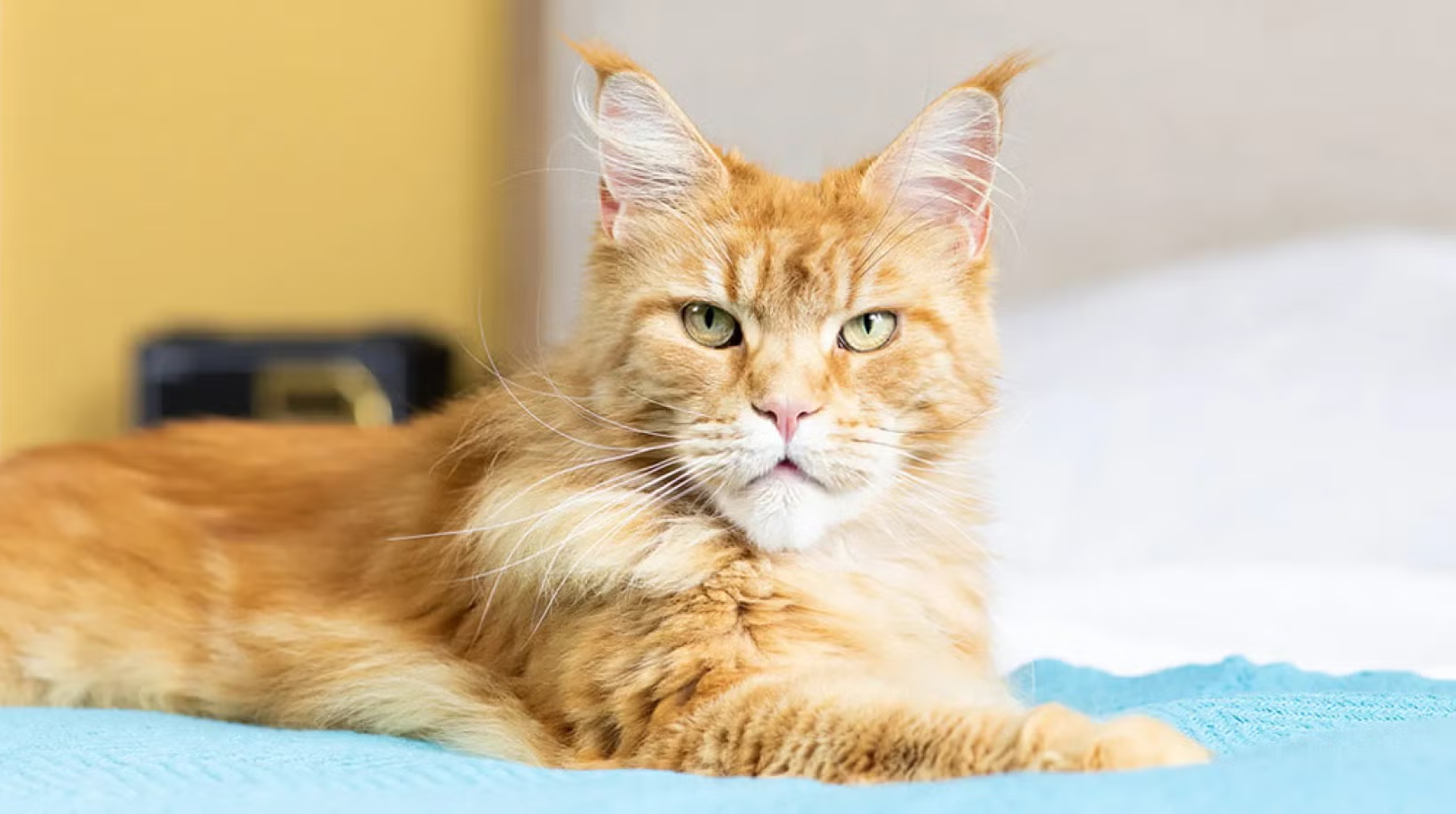
To understand feline diversity, we must examine how environment and selective breeding shape their physical forms. The contrast between the Turkish Angora and the Persian cat clearly shows how distinct evolutionary paths create entirely different anatomical frameworks, movement patterns, and metabolic needs.
                         [Feline Somatotype Divergence]
                                       │
         ┌─────────────────────────────┴─────────────────────────────┐
         ▼                                                           ▼
[The Foreign Somatotype]                                    [The Cobby Somatotype]
Example: Turkish Angora                                     Example: Persian
├── Skeletal: Gracile, fine-boned                           ├── Skeletal: Robust, heavy-boned
├── Cranial: Modified cuneiform (Wedge)                      ├── Cranial: High-dome, brachycephalic
└── Biomechanics: High-velocity agile leaping               └── Biomechanics: Low-center ground stability
Evolutionary Origins and Geographic Trajectories
The Turkish Angora is a naturally occurring landrace breed originating from the mountainous Ankara (historically Angora) region of Central Turkey. Developed over centuries in harsh continental climates, these cats evolved a fine, single coat that shifts dynamically between seasons. Written records trace them back to the 15th century, where they were highly valued as trade gifts among European nobility.
The Persian cat developed in the historic Mesopotamian cradle (later Persia, modern-day Iran). Documented in the West since the early 17th century by travelers like Pietro Della Valle, the breed underwent intensive selection in Europe during the late Victorian era. This targeted breeding shifted the Persian away from its original look toward an extreme, distinct body structure.
Craniofacial Architecture and Respiratory Mechanics
The facial structures of these two breeds represent opposite ends of the feline anatomical spectrum:
    [Turkish Angora: Gracile Profile]          [Persian: Brachycephalic Profile]

               / \   / \                                  ---   ---
              |   \_/   |                                /   \_/   \
               \       /                                |           |
                \     /                                 |   (O) (O) |  ◄── Prominent Globes
                 \___/  ◄── Modified Wedge               \    _    /   ◄── High Nasal Break
                                                          \___^___/
The Turkish Angora Cranium: Features a smooth, modified cuneiform (wedge-shaped) head. The nose profile is completely straight, sloping down to a firm chin without any structural indentation or "break." This unobstructed nasal passage allows for normal airflow and efficient heat exchange during high-activity play.
The Persian Cranium: Displays a flat, shortened face (brachycephalic morphology) characterized by a massive, round skull with a high-dome forehead. The nose features a distinct, deep "stop" or break located squarely between the large, widely set eyes.
This flat-faced anatomy drastically alters the upper respiratory system. The shortened facial bones crowd the nasal passages, making Persians prone to Brachycephalic Airway Syndrome. This condition can lead to noisy breathing, snoring, snoring-induced sleep issues, and a reduced capacity to handle heat or physical exertion.
Ocular and Auricular Placement
Turkish Angora: The eyes are large and almond-shaped, slanting slightly upward toward the outer base of the ears. The ears themselves are tall, pointed, and set high and close together on the head, designed to catch faint high-frequency sounds from prey animals.
Persian: The eyes are large, perfectly round, and prominent, which can leave them vulnerable to eye issues like corneal ulcers or tear-duct staining. The ears are small, rounded at the tips, and set low and wide on the skull, blending into the head's rounded outline.
- Evolutionary Origins and Geographic Trajectories
- Craniofacial Architecture and Respiratory Mechanics
- Ocular and Auricular Placement
- 1. What makes domestic cats different from dogs in terms of domestication?
- 2. What are the main differences between Turkish Angora and Persian cats?
- 3. Why are Persian cats more prone to breathing problems?
- 4. Why does a Turkish Angora require less grooming than a Persian?
- 5. What nutrients are important for maintaining a healthy long-haired cat's coat?
- 6. Why do cats purr?
- 7. How can I tell whether my cat is purring because it is happy or because it is in pain?
- 8. Why do cats knead soft blankets and laps?
- 9. What does a slow blink from a cat mean?
- 10. Does exposing the belly mean my cat wants belly rubs?
- 11. What does a tail held straight up with a curved tip indicate?
- 12. What is FLUTD?
- 13. What is Feline Idiopathic Cystitis (FIC)?
- 14. How can I tell the difference between polyuria and pollakiuria?
- 15. Why are male cats at greater risk of urinary blockage?
- 16. What are the warning signs of a urinary blockage?
- 17. Why do cats urinate outside the litter box?
- 18. How many litter boxes should a household have?
- 19. Where should litter boxes be located?
- 20. How often should litter boxes be cleaned?
- 21. Why is hydration important for urinary health?
- 22. How can I reduce stress in my cat?
- 23. Are Persian cats more prone to kidney disease?
- 24. Why are climbing spaces important for Turkish Angoras?
- 25. What are the key signs of a happy and healthy cat?
Follicular Dynamics, Haircoat Density, and Nutrition
The long-haired appearance of both breeds is driven by a mutation in the fibroblast growth factor 5 (FGF5) gene. However, the structure and density of their coats differ significantly, requiring distinct grooming routines and nutritional support.
                    [Follicular Structure Comparison]
                                    │
         ┌──────────────────────────┴──────────────────────────┐
         ▼                                                     ▼
[Single Coat (Turkish Angora)]                         [Double Coat (Persian)]
├── Guard Hairs: Long, silky, fluid                    ├── Guard Hairs: Coarse outer protection
├── Undercoat: Completely absent                       ├── Undercoat: Dense, woolly insulation
└── Maintenance: Low propensity for matting             └── Maintenance: High risk for painful mats
Single vs. Double Coat Configurations
The Turkish Angora has a single coat. The fur is silky, fine, and lacks a dense, woolly undercoat. Because there is no undercoat to trap shed hair, the fur flows smoothly along the body and rarely mats. The breed features a distinct seasonal mane around the neck, and a heavily plumed tail that resembles a fox's tail.
The Persian features a thick double coat. It consists of a dense, woolly undercoat mixed with longer guard hairs. This thick fur extends across the entire body, creating a heavy ruff between the front legs. This structure easily traps dead loose hair, requiring daily combing down to the skin to prevent painful tangles and mats.
Nutritional Biochemistry for Long-Haired Breeds
Maintaining long, thick coats requires significant metabolic energy. In fact, up to 30% of a cat’s daily protein intake is used just to maintain skin and hair health.
To support healthy fur and minimize shedding, a long-haired cat's diet should include a precise blend of targeted nutrients:
Omega-3 and Omega-6 Fatty Acids: Eicosapentaenoic acid (EPA) and docosahexaenoic acid (DHA) from marine oils help calm skin inflammation. Meanwhile, linoleic acid from poultry fats nourishes the skin barrier and keeps the coat shiny.
Biotin and Zinc: These nutrients serve as vital cofactors in building keratin, the foundational protein structure of hair shafts.
Indigestible Prebiotic Fibers: Diets like Pro Plan Fussy & Beauty combine soluble and insoluble fibers to help swallowed loose hair pass safely through the digestive tract, minimizing the formation of problematic hairballs.
Feline Behavioral Psychology and Signals of Contentment
Because cats hide their vulnerability out of survival instinct, recognizing true comfort requires analyzing a combination of subtle vocalizations, postures, and daily habits.
                    [Postural Communication Indicators]
                                     │
         ┌───────────────────────────┼───────────────────────────┐
         ▼                           ▼                           ▼
  [Ocular State]               [Caudal Carriage]           [Ventral Exposure]
  Slow blinking lowers         The tail is held high       Exposing the belly shows
  defensive tension.           with a soft, inverted hook. ultimate environmental trust.
The Neuro-Acoustics of Purring
Purring is controlled by a neural oscillator in the cat's brain that sends rhythmic messages to the muscles of the larynx, causing them to twitch at a frequency between 25 and 150 Hz.
While cats can purr to soothe themselves when in pain or distress, a content purr is distinct: it occurs when the body is completely relaxed, the eyes are softly closed, and muscles show no tension. This frequency range has been shown to lower blood pressure and help reduce stress levels in both cats and humans.
Digital Kneading Mechanics ("Making Biscuits")
Adult cats rhythmically push their paws against soft surfaces as a carryover behavior from kittenhood, where they would nurse to stimulate milk flow. When an adult cat exhibits this behavior, it indicates a deep state of psychological comfort and security.
This rhythmic movement also serves a dual evolutionary purpose: it activates the interdigital glands located between the paw pads, depositing the cat's unique scent markers to safely claim the area as part of its core territory.
Advanced Visual Communication Signals
                         [The Ocular Slow Blink]
                                    │
       [Direct Eye Contact] ──► [Slow Multi-Second Closure] ──► [Soft Deflection]
       Intense predatory         Lowers defensive arousal        Communicates safety
       or dominant challenge.    and social tension.            and mutual trust.
The Ocular Slow Blink: In feline communication, a steady, unblinking stare is seen as a direct challenge or threat. A slow, deliberate blink signals a peaceful intent, effectively lowering social tension and showing deep trust in their companion.
The Social Roll and Ventral Exposure: When a cat rolls onto its back to show its belly, it is exposing its most vulnerable area, where its vital organs are housed. This behavior shows complete comfort in its environment. However, this is typically not a request for a belly rub; touching a cat's sensitive stomach in this position can trigger their defensive reflexes, resulting in sudden swatting or nipping.
Tail Carriage Subtleties: A happy, self-assured cat walks through its environment with its tail held vertically straight, often ending in a soft, question-mark curve. This posture signals a relaxed, confident state of mind and an openness to social interaction.
Pathophysiology of the Feline Urinary Tract
Urinary health issues are common in domestic cats, often presenting as frequent trips to the litter box (pollakiuria) or urinating outside the box (periuria). Caregivers must understand how to distinguish between a sterile inflammatory flare-up, a chronic metabolic condition, and an acute medical emergency.
                 [Urinary Pathology Categorization]
                                 │
         ┌───────────────────────┴───────────────────────┐
         ▼                                               ▼
[Lower Urinary Tract (FLUTD)]                   [Systemic Metabolic]
- Feline Idiopathic Cystitis (FIC)              - Diabetes Mellitus
- Urolithiasis (Bladder Stones)                 - Chronic Kidney Disease (CKD)
- Bacterial Infections (UTIs)                   - Hyperthyroidism
* Characterized by tiny, painful drops.         * Characterized by high-volume polyuria.
Feline Lower Urinary Tract Disease (FLUTD) and Sterile Cystitis
FLUTD is a general clinical term for conditions that cause inflammation or irritation in the bladder or urethra.
In cats under ten years of age, approximately 55% to 69% of these cases are classified as Feline Idiopathic Cystitis (FIC). FIC is a sterile, non-bacterial inflammatory condition triggered by stress. Chronic stress overactivates the cat's sympathetic nervous system, causing the protective lining of the bladder wall to break down. This exposes sensitive bladder tissue to concentrated urine, leading to painful tissue spasms, straining, and blood in the urine (hematuria).
Mineral Formations: Crystals and Bladder Stones
Changes in urine pH, combined with low water intake, can cause minerals to drop out of solution and form microscopic crystals or solid bladder stones (such as struvite or calcium oxalate). These hard structures scrape against the sensitive inner walls of the bladder, causing severe pain, inflammation, and recurring urinary discomfort.
High-Volume Elimination vs. Frequent Straining
Caregivers must learn to differentiate between two distinct types of urinary issues:
True Polyuria (High-Volume Elimination): The kidneys lose their ability to properly concentrate urine, resulting in large amounts of fluid being passed frequently. This is typically driven by systemic conditions like Chronic Kidney Disease (CKD) or Diabetes Mellitus, and is almost always accompanied by a significant increase in thirst (polydipsia).
Pollakiuria (Frequent Straining): The cat makes frequent trips to the litter box but passes only tiny, painful drops of urine each time. This is a classic sign of localized bladder inflammation or a physical blockage in the lower urinary tract.
⚠️ CRITICAL MEDICAL EMERGENCY: If a male cat repeatedly strains in the box but passes little to no urine, vocalizes in pain, or licks his genital region constantly, he may have a urethral obstruction. A blocked urethra prevents toxins from leaving the body, causing metabolic imbalances that can become life-threatening within 24 to 48 hours. This requires immediate emergency veterinary intervention.
Environmental Architecture and Spatial Optimization
Because cats are territorial animals, their emotional well-being is closely tied to the layout of their physical environment. Proper spatial design can significantly lower stress levels and resolve common behavioral elimination issues.
                     [The Spatial Engineering Model]
                                    │
         ┌──────────────────────────┼──────────────────────────┐
         ▼                          ▼                          ▼
 [Hygiene Protocol]         [Spatial Layout]           [Social Stress / Marking]
 Daily scooping; complete    N + 1 rule; quiet,          Territorial marking due
 substrate swap monthly.    accessible placement.      to multi-cat friction.
Sensory and Substrate Hygiene
Cats possess a highly developed sense of smell, making them incredibly sensitive to dirty litter boxes. If waste is allowed to build up, their natural instinct for cleanliness will drive them to seek out alternative locations, such as soft carpets, bath mats, or bedding.
Remediation: To maintain proper box hygiene, scoop waste at least once a day. Every two to four weeks, empty the box completely, wash it with a mild, unscented soap, and refill it with fresh, unscented clumping clay litter.
Spatial Security and the $N+1$ Formulation
The physical location of a litter box plays a major role in a cat's sense of security. Placing a box near noisy household appliances, like washing machines, dryers, or loud HVAC units, can startle a cat while they are vulnerable. This can quickly create a negative association with the box, leading them to avoid it entirely.
In multi-cat households, competition for territory can create social tension. To reduce friction, caregivers should always follow the standard structural formula:
These boxes should be placed in distinct, separate locations rather than lined up in a single room, ensuring that a dominant cat cannot guard or block access to all elimination sites at once.
Technical Performance Matrix
| Clinical/Phenotypic Domain | Turkish Angora Profile | Persian Profile | Advanced Care Implications |
| Skeletal & Muscular Type | Foreign type; fine-boned, agile, and athletic. | Cobby type; short, compact, and heavy-boned. | Angoras need vertical climbing spaces; Persians require low, easily accessible resting areas. |
| Facial & Nasal Structure | Straight, long wedge profile; clear airways. | Brachycephalic; flat face with a distinct nasal break. | Persians require regular face wiping for tear stains and careful climate control to prevent overheating. |
| Coat Architecture | Single coat; silky texture with no undercoat. | Double coat; dense, woolly undercoat with long guard hairs. | Persians need daily combing to prevent mats; Angoras require only weekly brushing. |
| Urinary Risk Profile | Higher risk for stress-induced FIC from environmental changes. | Vulnerable to calcium oxalate stones and genetic Polycystic Kidney Disease (PKD). | Persians need regular kidney screening; Angoras require targeted stress reduction. |
FAQ
1. What makes domestic cats different from dogs in terms of domestication?
Unlike dogs, which were selectively bred for thousands of years to cooperate closely with humans, domestic cats are considered largely self-domesticated. They retain many of their ancestral hunting instincts, territorial behaviors, and independent nature, making their behavior and care requirements distinct from those of canines.
2. What are the main differences between Turkish Angora and Persian cats?
Turkish Angoras have a slender, athletic body, wedge-shaped head, single silky coat, and exceptional agility. Persians have a compact, heavy-boned body, flat brachycephalic face, dense double coat, and generally require significantly more grooming and specialized health care.
3. Why are Persian cats more prone to breathing problems?
Persians have a brachycephalic skull structure, meaning their facial bones are shortened. This reduces the size of their nasal passages, making them more susceptible to breathing difficulties, snoring, heat intolerance, and Brachycephalic Airway Syndrome.
4. Why does a Turkish Angora require less grooming than a Persian?
Turkish Angoras possess a single-layer silky coat without a dense undercoat, allowing loose hair to shed naturally. Persians have a thick double coat that traps loose fur, making daily brushing essential to prevent painful mats and tangles.
5. What nutrients are important for maintaining a healthy long-haired cat's coat?
Long-haired cats benefit from diets rich in Omega-3 and Omega-6 fatty acids, biotin, zinc, high-quality animal protein, and dietary fiber to support skin health, reduce shedding, strengthen hair follicles, and minimize hairball formation.
6. Why do cats purr?
Cats purr for several reasons, including expressing contentment, reducing stress, comforting themselves during illness or pain, and communicating with humans or other cats. Context is important when interpreting purring behavior.
7. How can I tell whether my cat is purring because it is happy or because it is in pain?
A content cat typically purrs while displaying relaxed muscles, half-closed eyes, slow breathing, and calm body language. A distressed cat may also purr but usually shows additional signs such as hiding, tense posture, rapid breathing, dilated pupils, or reduced appetite.
8. Why do cats knead soft blankets and laps?
Kneading is an instinctive behavior originating from kittenhood when nursing stimulated milk flow. Adult cats continue this behavior when they feel safe, relaxed, and emotionally secure. It also deposits scent from glands located between their paw pads.
9. What does a slow blink from a cat mean?
A slow blink is considered a sign of trust and peaceful intentions. Cats use slow blinking to communicate comfort and reduce social tension. Returning a slow blink can help strengthen your bond with your cat.
10. Does exposing the belly mean my cat wants belly rubs?
Not necessarily. Belly exposure is primarily a display of trust and vulnerability. Many cats instinctively defend their abdomen if touched, even when they are completely comfortable around their owner.
11. What does a tail held straight up with a curved tip indicate?
A vertically raised tail ending in a slight hook or question-mark shape usually signals confidence, friendliness, and a willingness to interact socially.
12. What is FLUTD?
Feline Lower Urinary Tract Disease (FLUTD) is a group of disorders affecting the bladder and urethra. It includes Feline Idiopathic Cystitis (FIC), urinary crystals, bladder stones, urethral plugs, and bacterial urinary tract infections.
13. What is Feline Idiopathic Cystitis (FIC)?
FIC is a sterile inflammatory disease of the bladder commonly triggered by stress rather than bacterial infection. It often causes painful urination, blood in the urine, frequent litter box visits, and straining.
14. How can I tell the difference between polyuria and pollakiuria?
Polyuria refers to producing unusually large amounts of urine and is commonly associated with chronic kidney disease or diabetes. Pollakiuria refers to frequent attempts to urinate while producing only small amounts, usually caused by bladder inflammation or urinary obstruction.
15. Why are male cats at greater risk of urinary blockage?
Male cats have a narrower urethra than females, making it easier for crystals, mucus plugs, or inflammation to completely block urine flow. This is a medical emergency requiring immediate veterinary treatment.
16. What are the warning signs of a urinary blockage?
Emergency signs include repeated straining without producing urine, crying while attempting to urinate, constant licking of the genital area, vomiting, lethargy, loss of appetite, and abdominal discomfort. Immediate veterinary intervention is critical.
17. Why do cats urinate outside the litter box?
Inappropriate elimination may result from urinary disease, stress, arthritis, dirty litter boxes, unsuitable litter, poor box placement, territorial marking, or environmental changes. Behavioral causes should only be considered after medical issues have been ruled out.
18. How many litter boxes should a household have?
The recommended guideline is one litter box per cat plus one additional box (N + 1 rule). This helps reduce competition and improves litter box accessibility.
19. Where should litter boxes be located?
Litter boxes should be placed in quiet, easily accessible areas away from noisy appliances, heavy household traffic, and food or water bowls. Multiple boxes should be distributed throughout the home rather than clustered together.
20. How often should litter boxes be cleaned?
Waste should be scooped at least once daily. The entire litter should be replaced every two to four weeks, and the box should be washed with mild, unscented soap before refilling with fresh litter.
21. Why is hydration important for urinary health?
Adequate water intake dilutes urine, helping reduce the formation of urinary crystals and lowering the risk of bladder irritation. Wet food and multiple fresh water sources encourage better hydration.
22. How can I reduce stress in my cat?
Maintain a predictable routine, provide scratching posts, climbing structures, window perches, interactive play sessions, quiet resting areas, clean litter boxes, and environmental enrichment. In some cases, synthetic feline pheromone diffusers may also help.
23. Are Persian cats more prone to kidney disease?
Yes. Persians have a higher prevalence of inherited Polycystic Kidney Disease (PKD), making regular veterinary kidney screening important, especially for breeding cats and aging individuals.
24. Why are climbing spaces important for Turkish Angoras?
Turkish Angoras are naturally athletic and energetic. Vertical climbing trees, shelves, and elevated resting places satisfy their instinct to climb, jump, and observe their surroundings from elevated positions.
25. What are the key signs of a happy and healthy cat?
A content cat typically has a healthy appetite, maintains a glossy coat through regular grooming, sleeps consistently, plays actively, explores its environment confidently, purrs in relaxed situations, slow blinks toward trusted people, kneads soft surfaces, and walks with its tail held upright.