
The Clinical Guide to Marine-Derived Omega-3 Supplementation in Felines: Pathophysiology, Energetics, and Therapeutic Modulation
1 week ago
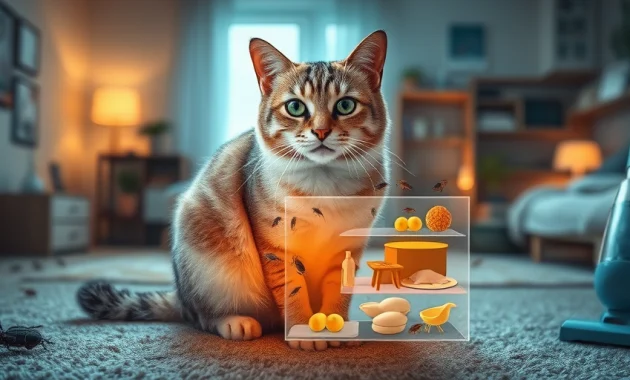
The biochemical framework of domestic feline nutrition is strictly governed by their status as obligate carnivores. Unlike omnivores or herbivores, the feline system is evolutionarily optimized to extract nutrients directly from animal tissue. This metabolic specialization becomes critically apparent when evaluating the pathway of polyunsaturated fatty acids (PUFAs)—specifically the vital Omega-3 series.
While mainstream pet health media often groups canine and feline nutritional requirements together, doing so ignores fundamental differences in their liver enzymes. This guide explores the physiology of marine-derived fatty acids in felines, breaks down the cellular mechanisms of eicosapentaenoic acid (EPA) and docosahexaenoic acid (DHA), and outlines precise clinical dosing strategies and risk frameworks for veterinary professionals and advanced caretakers.
Evolutionary Biochemistry: The Failure of Plant-Based Omegas
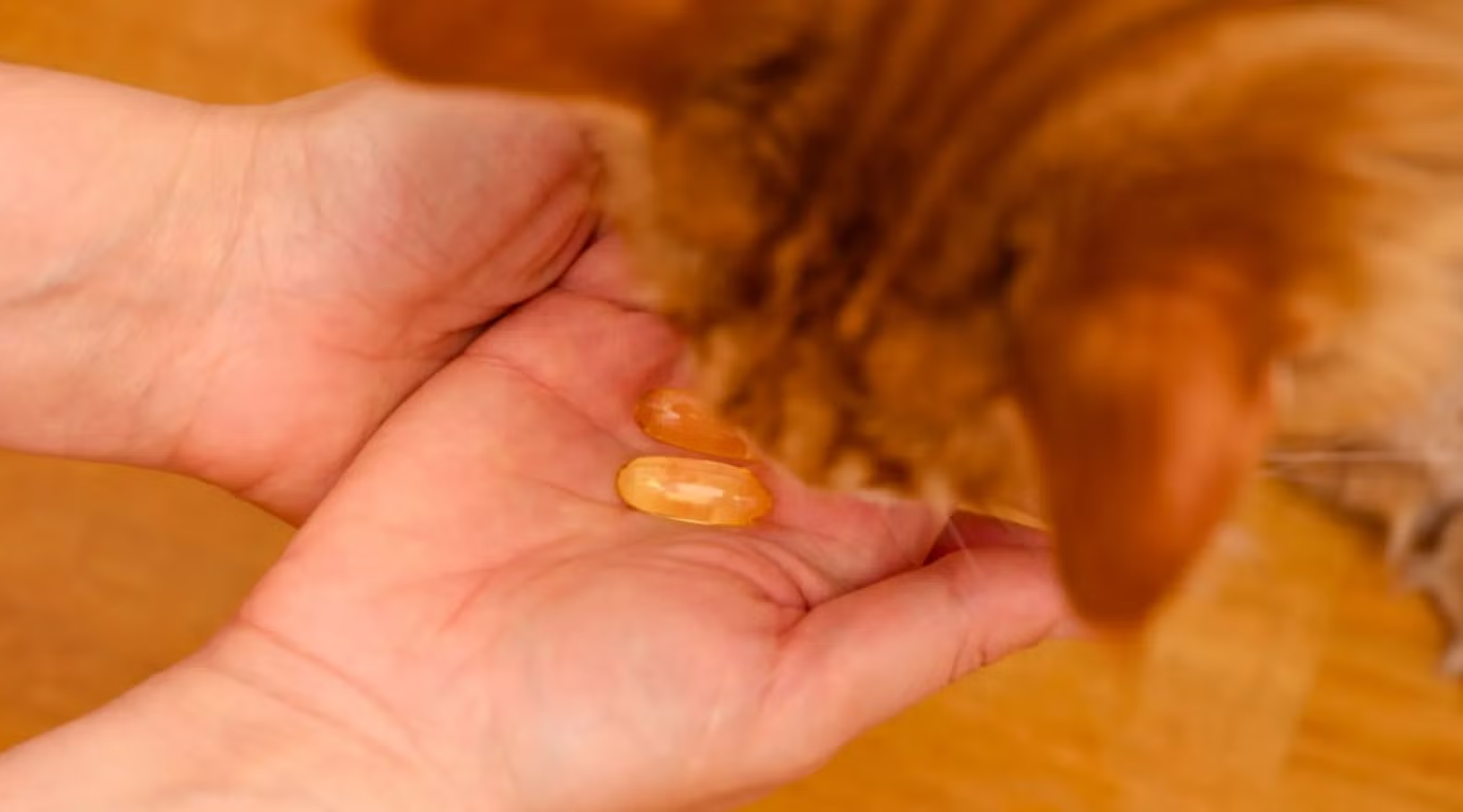
To understand why marine-derived lipid supplementation is necessary for felines, we must examine the enzymatic limitations of the feline liver.
In many mammals, the consumption of short-chain plant-derived Omega-3 fatty acids, such as Alpha-Linolenic Acid (ALA) found in flaxseed, chia, and hemp oils, serves as a precursor for long-chain fatty acids. The animal converts ALA into the biologically active forms required by tissues: Eicosapentaenoic Acid (EPA) and Docosahexaenoic Acid (DHA). This conversion relies on a cascade of desaturation and elongation enzymes.
[Plant Source: ALA] ───(❌ Δ⁶-desaturase / Δ⁵-desaturase Insufficiency)───► [Conversion Fails]
                                                                                │
[Marine Source: EPA + DHA] ───(Direct Cellular Assimilation)────────────────────┴► [Active Tissue Modulation]
Felines lack functional levels of the $\Delta^6$-desaturase and $\Delta^5$-desaturase enzymes. Because their evolutionary diet consisted entirely of whole prey rich in pre-formed animal fats, the genetic drive to maintain these conversion pathways was lost. Consequently:
Feeding plant-based Omega-3 oils to a cat delivers high amounts of ALA that the liver cannot process into active metabolites.
The raw bio-availability of plant-based oils for cellular repair, immune regulation, or anti-inflammatory pathways in felines is practically zero.
To achieve any systemic therapeutic effect, Omega-3 fatty acids must be introduced in their pre-formed, marine-derived states (extracted from cold-water oily fish like salmon, sardines, mackerel, and anchovies).
- Pathways of Action: Systematic Benefits of EPA and DHA
- Dosing Math: Calibrating Pure EPA/DHA Ratios
- Toxicological Risks, Overdosing, and Counterindications
- Storage and Administration Protocol
- Comprehensive Marine-Lipid Profile
- FAQ
- 1. What is Ctenocephalides felis and why is it the main flea problem in cats?
- 2. Why do flea infestations keep coming back even after the visible fleas are removed from the cat?
- 3. What does the “95% invisible matrix” mean in flea control?
- 4. What are the four life stages of the cat flea?
- 5. Why are flea eggs so difficult to control?
- 6. What makes flea larvae hard to eliminate?
- 7. Why is the pupal stage the biggest obstacle in flea eradication?
- 8. What triggers flea pupae to hatch?
- 9. Why are natural home remedies so often ineffective against flea infestations?
- 10. Does olive oil kill fleas on cats?
- 11. Is olive oil safe to use on a cat’s coat for fleas?
- 12. Can aloe vera treat fleas or flea bites on cats?
- 13. Why is aloe vera risky for cats?
- 14. Does salt sprinkled on carpets kill fleas?
- 15. Is using salt around cats dangerous?
- 16. Does apple cider vinegar repel or kill fleas on cats?
- 17. Why are vinegar and citrus sprays poor flea solutions?
- 18. Are citrus-based flea sprays dangerous for cats?
- 19. Why are cats more vulnerable to essential oils and citrus compounds than some other animals?
- 20. If home remedies fail, what actually works for a flea infestation?
- 21. What is the first step in treating a cat with fleas?
- 22. What are spot-on flea treatments for cats?
- 23. Which veterinary ingredients are commonly used in feline flea treatment?
- 24. What is an insect growth regulator (IGR) and why does it matter?
- 25. Can a flea comb really help during an infestation?
- 26. How should a flea comb be used safely?
- 27. Why is daily vacuuming recommended during flea treatment?
- 28. Which parts of the house should be vacuumed during a flea infestation?
- 29. Why should the vacuum bag or canister be emptied immediately after cleaning?
- 30. Can washing bedding really help eliminate fleas?
- 31. What temperature should be used to wash flea-contaminated bedding?
- 32. Is steam cleaning useful for flea infestations?
- 33. Does steam cleaning kill flea pupae too?
- 34. How long does it take to fully eliminate a flea infestation?
- 35. Why do fleas sometimes appear after treatment has already started?
- 36. Should every pet in the home be treated if only one cat seems to have fleas?
- 37. Can I use a dog flea product on my cat if it seems similar?
- 38. What is flea allergy dermatitis in cats?
- 39. What signs suggest a cat may have flea allergy dermatitis rather than “just fleas”?
- 40. When should a cat with fleas see a veterinarian instead of being managed at home?
- 41. Can fleas make a cat anemic?
- 42. Can fleas transmit other parasites or diseases to cats?
- 43. Are flea baths necessary for cats?
- 44. Can a house be cleared of fleas without treating the cat directly?
- 45. Is it possible to eliminate fleas without harsh chemicals all over the house?
- 46. What is the biggest mistake people make during flea treatment?
- 47. How often should the home be cleaned during active flea eradication?
- 48. Can natural remedies be used at all as a supplement to proper flea treatment?
- 49. What does a scientifically sound flea eradication plan look like in simple terms?
- 50. What is the core takeaway about home remedies for feline fleas?
Pathways of Action: Systematic Benefits of EPA and DHA
Once absorbed through the intestinal epithelium, EPA and DHA insert themselves directly into the phospholipid bilayer of cell membranes across multiple organ systems. This cellular integration drives several major therapeutic benefits:
A. Cutaneous Integrity and Dermatological Regulation
The feline skin barrier relies on a balance of lipids to control transepidermal water loss and manage local immune responses. In states of inflammation (such as flea allergy dermatitis, atopy, or miliary dermatitis), cell membranes are typically high in Arachidonic Acid (AA)—an Omega-6 fatty acid.
When inflammatory triggers occur, enzymes break down AA into highly inflammatory compounds like leukotriene B4 and prostaglandin E2. By flooding the system with EPA and DHA, these marine fatty acids displace AA within the cell membrane. The resulting breakdown products are far less inflammatory (leukotriene B5 and prostaglandin E3), significantly reducing pruritus (itching), scaling, and inflammatory skin loops.
B. Joint Kinetics and Osteoarthritis Mitigation
Degenerative Joint Disease (DJD) and osteoarthritis affect over $60\%$ of cats older than 6 years, and up to $90\%$ of cats over 12 years. Because felines hide chronic discomfort well, joint degradation often goes unnoticed.
EPA works at the cellular level within arthritic joints by downregulating the expression of matrix metalloproteinases (MMPs) and aggrecanases—the key enzymes responsible for cartilage breakdown. This shifts the joint environment away from chronic cartilage destruction, helping to improve mobility, increase play behavior, and ease stiffness during spinal extension.
C. Nephrology and Chronic Kidney Disease (CKD) Management
In feline nephrology, managing Chronic Kidney Disease (CKD) focuses heavily on preserving remaining nephron function. Marine lipids protect kidneys through distinct hemodynamic adjustments:
[High EPA/DHA Titer] ──► Decreased Thromboxane A2 Production ──► Reduced Glomerular Hypertension ──► Preserved GFR
By changing the balance of prostaglandins in the kidneys, EPA helps lower blood pressure within the delicate filtering units (intraglomerular hypertension). This localized blood pressure reduction slows the progression of protein loss in urine (proteinuria) and limits interstitial fibrosis, which clinically translates to extended survival times and improved quality of life scores for cats with advanced CKD.
D. Neuro-Ophthalmic Ontogeny in Pediatric Felines
During embryogenesis and early postnatal development, DHA serves as a core structural element of both the cerebral cortex and the photoreceptor membranes in the retina. Kittens nursing from queens with high marine-lipid diets, or those supplemented directly post-weaning, exhibit accelerated visual tracking, superior problem-solving capacities, and enhanced retinal responses to light stimulation.
Dosing Math: Calibrating Pure EPA/DHA Ratios
A frequent error in supplement management is dosing based on the total volume of raw oil rather than the specific milligrams of active fatty acids. A $1,000\text{ mg}$ capsule of generic fish oil may contain only $300\text{ mg}$ of combined active EPA and DHA, with the remaining $700\text{ mg}$ composed of non-therapeutic carrier fats.
Clinical Target Baseline: $30\text{ mg}$ of combined EPA + DHA per kilogram of body mass per day for basic health maintenance. This baseline can scale up to $100-150\text{ mg/kg}$ for targeted anti-inflammatory or renal therapy under strict veterinary guidance.
Mathematical Scaling for Feline Demographics
| Feline Body Mass (kg) | Preventative Maintenance Dose (30 mg/kg) | Advanced Therapeutic Target (100 mg/kg) | Primary Medical Indicators |
| 2.0 kg (Pediatric/Small Breed) | $60\text{ mg}$ of active EPA+DHA | $200\text{ mg}$ of active EPA+DHA | Neurological growth; early inflammatory gut support. |
| 4.0 kg (Standard Domestic Average) | $120\text{ mg}$ of active EPA+DHA | $400\text{ mg}$ of active EPA+DHA | Dermatological maintenance; chronic joint preservation. |
| 6.0 kg (Large Breed / Maine Coon) | $180\text{ mg}$ of active EPA+DHA | $600\text{ mg}$ of active EPA+DHA | Advanced age mobility support; CKD stabilization. |
Toxicological Risks, Overdosing, and Counterindications
While marine lipids are highly effective, they alter systemic physiology and must be managed carefully to avoid side effects.
A. Coagulation Hazards (Platelet Dysfunction)
High concentrations of Omega-3 fatty acids alter the lipid structure of blood platelets, which can reduce their ability to clump together when forming clots. While this blood-thinning effect can offer mild cardiovascular benefits, it introduces risks during trauma or surgery.
Clinical Directive: Stop all fish oil supplementation 7 to 14 days before any scheduled surgery (such as routine neutering, spaying, or dental extractions) to ensure normal blood clotting during the procedure.
B. Gastrointestinal Malabsorption and Pancreatitis Risks
Introducing unneeded fats can overwhelm the digestive enzymes produced by the pancreas and liver. This can lead to osmotic diarrhea, flatulence, and greasy stools (steatorrhea). In cats with a history of pancreatic inflammation, sudden fat spikes can trigger a severe episode of acute pancreatitis.
C. Oxidative Stress and the Vitamin E Balance
Highly unsaturated fatty acids (PUFAs) are unstable molecules that break down quickly when exposed to oxygen. Inside the body, processing large amounts of these fats can deplete local antioxidant stores, potentially causing a painful inflammatory condition called pansteatitis (yellow fat disease).
Mitigation Strategy: Only use fish oils that are pre-blended with natural Vitamin E (alpha-tocopherol). The added Vitamin E acts as an antioxidant, protecting both the oil within the container and the host tissue from oxidative stress.
Storage and Administration Protocol
To ensure your fish oil supplement remains effective and palatable, follow these strict storage and handling guidelines:
[Pure Marine Oil] ──► Air/Light Exposure ──► Lipid Peroxidation (Rancidity) ──► Food Aversion / GI Upset
[Proper Storage]  ──► Airless Pump / Dark Glass ──► Refrigeration ──► Stable, Safe Delivery
Prevent Oxidation: Never buy large, clear plastic bottles of bulk liquid fish oil. Once opened, exposure to oxygen causes the oil to spoil quickly, turning it rancid and unpalatable. Instead, choose small, dark glass containers with airless vacuum pumps, or use individual gelatin capsules punctured immediately before serving.
Managing Flavor Transitions: Cats possess highly sensitive sense organs and may reject a full dose of fish oil introduced all at once. Start by mixing just $25\%$ of the target dose into moist food, then gradually increase the amount over a two-week window to prevent food aversion.
Comprehensive Marine-Lipid Profile
| Feature Metric | Marine Oily Fish Extracts | Plant-Based Botanical Oils | Clinical Implication |
| Primary Fatty Acid Profile | Pre-formed, active EPA and DHA molecules. | Precursor Alpha-Linolenic Acid (ALA). | Marine options bypass the need for enzymatic conversion. |
| Feline Conversion Rate | Direct cellular integration ($100\%$). | Undetectable ($<1\%$). | Plant oils fail to provide active anti-inflammatory benefits. |
| Target Organ Systems | Skin, joints, kidneys, and retinal pathways. | Minor storage fat assimilation only. | Marine lipids are mandatory for true therapeutic effects. |
| Primary Structural Risk | Oxidation; potential blood-thinning at high doses. | Gastrointestinal upset; caloric imbalance. | Require precise dosing and adequate antioxidant (Vitamin E) protection. |
FAQ
1. What is Ctenocephalides felis and why is it the main flea problem in cats?
Ctenocephalides felis, commonly called the cat flea, is the primary flea species responsible for infestations in domestic cats and indoor environments. It is highly adaptive, reproduces quickly, and does not remain confined to the cat itself. Once a female flea begins feeding, she can lay dozens of eggs per day, turning a small infestation into a household-wide problem in a short time. Its importance lies not only in the irritation it causes but also in its ability to trigger allergic skin disease, anemia in severe cases, and even tapeworm transmission.
2. Why do flea infestations keep coming back even after the visible fleas are removed from the cat?
Because the fleas you can see on the cat are only a small part of the infestation. Adult fleas generally make up around 5% of the total household flea population, while the remaining 95% consists of eggs, larvae, and pupae hidden in carpets, bedding, upholstery, cracks in flooring, and soft furnishings. Killing only the adult fleas on the cat leaves the environmental reservoir intact, which means new fleas continue to hatch and reinfest the pet.
3. What does the “95% invisible matrix” mean in flea control?
It refers to the fact that the overwhelming majority of a flea infestation is hidden in the environment rather than living directly on the cat. In a typical household infestation, approximately:
- 5% are adult fleas on the pet
- 50% are eggs in carpets, bedding, and furniture
- 35% are larvae hidden in dark fibers and crevices
- 10% are pupae protected inside cocoons
This is the single biggest reason flea control fails when people focus only on what they can physically see on the animal.
4. What are the four life stages of the cat flea?
The flea lifecycle includes four distinct stages:
- Egg – laid by adult females and dropped into the environment
- Larva – hatches from the egg and hides in dark, protected areas while feeding on organic debris and flea dirt
- Pupa – enclosed in a cocoon, highly resistant to environmental conditions and many treatments
- Adult – emerges from the cocoon, jumps onto a host, feeds on blood, mates, and lays eggs
Successful flea eradication requires interrupting all four stages, not just the adults.
5. Why are flea eggs so difficult to control?
Flea eggs are smooth, tiny, and non-sticky, which means they easily fall off the cat into the surrounding environment. They collect in bedding, rugs, furniture, floor cracks, and any place the cat rests. Because they are spread so widely and are difficult to see, many owners do not realize how heavily the environment is seeded until the infestation is well established.
6. What makes flea larvae hard to eliminate?
Flea larvae are light-averse and instinctively burrow into protected areas such as deep carpet fibers, under furniture, behind baseboards, or in bedding seams. They feed on organic matter and adult flea feces, allowing them to thrive in hidden indoor microenvironments. Since they are rarely visible, they are often missed entirely unless a full environmental treatment plan is used.
7. Why is the pupal stage the biggest obstacle in flea eradication?
The pupal stage is the most resilient part of the flea lifecycle. The larva spins a cocoon that quickly becomes coated in dust, lint, and environmental debris, making it both physically hidden and chemically protected. Inside that cocoon, the developing flea can remain dormant for weeks or even months. Many natural remedies and even some insecticides do not reliably penetrate the cocoon, which is why fleas can seem to “return” long after treatment has begun.
8. What triggers flea pupae to hatch?
Pupae are stimulated by environmental signals that suggest a host is nearby. These include:
- Vibrations from footsteps or vacuuming
- Carbon dioxide from breathing
- Body heat
- Movement in the home
This is why vacuuming can be strategically useful during flea control—it encourages dormant pupae to hatch into vulnerable adults that can then be killed by ongoing treatment.
9. Why are natural home remedies so often ineffective against flea infestations?
Most home remedies only affect adult fleas superficially, if at all, and do nothing meaningful to the eggs, larvae, or pupae hidden throughout the home. A remedy may appear to help temporarily because it repels or dislodges a few adult fleas, but unless it interrupts the reproductive cycle and treats the environment, the infestation remains intact. In many cases, these remedies also introduce avoidable toxicology risks for cats.
10. Does olive oil kill fleas on cats?
Olive oil may help trap or slow some adult fleas temporarily by coating the fur and making the insects easier to comb out, but it is not a true flea treatment. It does not kill eggs, larvae, or pupae in the home, and it does not stop reproduction. At best, it is a short-lived mechanical aid rather than an eradication method.
11. Is olive oil safe to use on a cat’s coat for fleas?
Not as a recommended flea-control strategy. Heavy oils can disrupt the natural condition of the cat’s coat, cause stress, and lead to excessive grooming. If the cat ingests a significant amount while grooming, it can trigger vomiting or diarrhea. It also creates a messy coat environment without solving the actual infestation.
12. Can aloe vera treat fleas or flea bites on cats?
Aloe vera does not kill fleas and does not stop the infestation. At most, it may seem soothing on irritated skin, but it has no insecticidal or reproductive-control effect on fleas. More importantly, raw aloe contains compounds such as saponins and aloin that can be toxic if the cat licks them off.
13. Why is aloe vera risky for cats?
If ingested, aloe vera compounds can cause gastrointestinal upset, vomiting, diarrhea, lethargy, tremors, and appetite loss. Because cats groom so thoroughly, any substance applied to their coat or skin must be considered an ingestion risk. That makes aloe a poor choice for flea-related skin irritation unless a veterinarian specifically recommends a feline-safe formulation.
14. Does salt sprinkled on carpets kill fleas?
Salt is often promoted as a drying agent for flea eggs or larvae, but it is not a reliable or complete flea-control solution. It does not effectively address the pupal stage, which is one of the most protected and persistent stages of infestation. It also does not address adult fleas on the cat. Even where it has some desiccating potential under specific conditions, it is far too incomplete to be used as a primary flea strategy.
15. Is using salt around cats dangerous?
It can be. Salt can irritate surfaces, damage carpet backing or vacuum components, and create a risk if a cat walks through it and then grooms its paws. Excessive sodium ingestion may contribute to hypernatremia, neurological symptoms, and kidney stress. It is not an appropriate household flea-management method in a feline environment.
16. Does apple cider vinegar repel or kill fleas on cats?
Apple cider vinegar may have a mild repellent effect because of its smell or acidity, but it does not reliably kill fleas, prevent eggs from hatching, or eliminate larvae and pupae in the environment. In practice, it tends to function more like a temporary irritant or repellent than a true flea treatment.
17. Why are vinegar and citrus sprays poor flea solutions?
Because repellency is not eradication. Even if a smell or acidic solution makes adult fleas move away from one area, it does not break the lifecycle. The infestation simply shifts elsewhere in the home, while eggs, larvae, and pupae remain active. This creates a false sense of progress without actually solving the problem.
18. Are citrus-based flea sprays dangerous for cats?
Yes, they can be. Citrus oils and extracts often contain compounds such as d-limonene and linalool, which are problematic for cats because feline liver metabolism is limited in its ability to process certain plant-derived chemicals. Dermal exposure or ingestion can lead to hypersalivation, vomiting, skin irritation, tremors, hypothermia, and, in severe cases, liver injury.
19. Why are cats more vulnerable to essential oils and citrus compounds than some other animals?
Cats have limited glucuronidation capacity in the liver, meaning they do not metabolize certain plant oils and phenolic compounds as efficiently as many other species. This makes them particularly susceptible to toxicity from essential oils, citrus extracts, tea tree oil, and other “natural” ingredients that are often assumed to be harmless.
20. If home remedies fail, what actually works for a flea infestation?
A successful flea eradication plan requires an integrated multi-tiered protocol that treats:
- The cat – to kill adult fleas and stop new egg-laying
- The home environment – to destroy eggs, larvae, and emerging adults
- The long-term lifecycle – to prevent reinfestation from dormant pupae and new breeding cycles
This is usually done with a combination of veterinary-approved flea medication, daily mechanical cleaning, high-heat sanitation, and in some cases insect growth regulators (IGRs).
21. What is the first step in treating a cat with fleas?
The first step is treating the cat with a veterinary-approved flea product, ideally one specifically labeled for cats and appropriate for the cat’s age, weight, health status, and living situation. This is crucial because adult fleas feeding on the cat are the reproductive engine of the infestation. If they are not killed quickly and consistently, eggs continue to fall into the environment.
22. What are spot-on flea treatments for cats?
Spot-on treatments are topical medications applied directly to the skin, usually at the back of the neck or base of the skull where the cat cannot easily lick them. These products spread through the skin’s lipid layer and target fleas without requiring a full bath or coat saturation. Many modern spot-ons are highly effective and are designed specifically for feline metabolism and safety.
23. Which veterinary ingredients are commonly used in feline flea treatment?
Common active ingredients used in modern cat flea control include:
- Selamectin
- Fluralaner
- Imidacloprid
- Other veterinarian-approved feline parasiticides depending on country and product availability
The correct product depends on the cat’s age, health, concurrent parasite risks, and whether ticks, mites, or intestinal parasites are also a concern.
24. What is an insect growth regulator (IGR) and why does it matter?
An insect growth regulator is a compound that disrupts the development of immature flea stages. Instead of simply killing adult fleas, an IGR interferes with the lifecycle by preventing eggs and larvae from maturing properly. This is important because it targets the hidden 95% of the infestation that is otherwise left behind when only adult fleas are treated.
25. Can a flea comb really help during an infestation?
Yes, but as a supportive tool, not a standalone cure. A fine-toothed flea comb can remove adult fleas, flea dirt, and debris from the coat—especially around the face, neck, chin, and tail base where fleas may be easiest to find. It is useful for monitoring infestation severity and physically removing some parasites while the main treatment takes effect.
26. How should a flea comb be used safely?
Use a dense metal flea comb and work slowly through the coat close to the skin, especially around the neck, head, lower back, and tail base. After each pass, dip the comb into a bowl of warm water mixed with a small amount of dish soap. The soap breaks the surface tension of the water, causing any trapped fleas to sink and drown.
27. Why is daily vacuuming recommended during flea treatment?
Vacuuming is one of the most effective non-chemical environmental interventions because it:
- Removes eggs, flea dirt, and some larvae from carpets and furniture
- Disturbs larvae hiding in fibers and cracks
- Stimulates dormant pupae to hatch, bringing them out of the protected cocoon stage
- Reduces the environmental burden so medications on the cat can kill newly emerged adults faster
Daily vacuuming is especially important during the first few weeks of a heavy infestation.
28. Which parts of the house should be vacuumed during a flea infestation?
Focus on all areas where the cat rests or passes frequently, including:
- Carpets and rugs
- Upholstered furniture
- Baseboards and room edges
- Under beds and sofas
- Pet bedding areas
- Cracks in flooring or floorboard gaps
- Closets, corners, and shaded fabric-heavy spaces
The darker and more protected the space, the more attractive it is to flea larvae.
29. Why should the vacuum bag or canister be emptied immediately after cleaning?
Vacuumed eggs, larvae, or adult fleas can sometimes survive if left inside a warm indoor vacuum container. Emptying the bag or canister into a sealed outdoor trash bin reduces the chance of reinfestation and prevents the vacuum from becoming a temporary flea reservoir.
30. Can washing bedding really help eliminate fleas?
Absolutely. Bedding is one of the most important environmental hotspots in a flea infestation because eggs and larvae accumulate where the cat sleeps. Washing pet bedding, blankets, removable covers, and even household fabrics the cat uses can significantly reduce the number of immature flea stages in the home.
31. What temperature should be used to wash flea-contaminated bedding?
A hot water wash of at least 60°C / 140°F is recommended for effective thermal control. This level of heat helps destroy eggs, larvae, and adult fleas. Drying on high heat afterward further improves kill rates and helps sanitize fabrics more thoroughly.
32. Is steam cleaning useful for flea infestations?
Yes, especially for items that cannot be easily machine-washed. Deep steam cleaning can penetrate carpet fibers, rugs, mattresses, and upholstered furniture where flea eggs and larvae often hide. The heat can kill vulnerable immature stages without adding extra chemical exposure to the home.
33. Does steam cleaning kill flea pupae too?
Steam may help reduce some pupal burden depending on how thoroughly the heat penetrates, but pupae remain the hardest stage to eliminate because of their cocoon protection. That is why steam cleaning should be part of a broader control plan that includes treating the cat, vacuuming to trigger emergence, and ongoing lifecycle interruption rather than being used alone.
34. How long does it take to fully eliminate a flea infestation?
It often takes several weeks to several months, depending on:
- How severe the infestation is
- Whether all pets in the home are treated
- How consistently the environment is cleaned
- Whether pupae continue hatching from hidden reservoirs
- Whether the household uses an effective veterinary product with ongoing residual action
Even when treatment is working well, it is common to see new fleas for a short time because dormant pupae are still hatching.
35. Why do fleas sometimes appear after treatment has already started?
This does not always mean the product failed. It often means that existing pupae in the environment are continuing to hatch. Since pupae are protected in cocoons, they can survive earlier cleaning and emerge days or weeks later. If the cat is protected by an effective flea medication, those newly emerged fleas should die after jumping onto the treated animal, but you may still briefly notice them during the cleanup phase.
36. Should every pet in the home be treated if only one cat seems to have fleas?
Yes, in most cases every susceptible pet in the household should be treated with a species-appropriate product. If one animal remains untreated, it can continue serving as a blood source and reproductive host for adult fleas, undermining the entire eradication effort. Dogs, cats, and in some cases other companion animals may all need coordinated treatment based on veterinary guidance.
37. Can I use a dog flea product on my cat if it seems similar?
No. Never use a dog flea product on a cat unless a veterinarian has explicitly confirmed that the specific formulation is safe for feline use. Many dog products contain ingredients that are highly toxic to cats, particularly permethrin and certain concentrated essential oil blends. Cross-species use can cause tremors, seizures, hyperthermia, and life-threatening poisoning.
38. What is flea allergy dermatitis in cats?
Flea allergy dermatitis (FAD) is a hypersensitivity reaction to flea saliva. In cats with FAD, even a single flea bite can trigger intense itching, overgrooming, skin inflammation, scabs, hair loss, and self-trauma. The cat may not have a large visible flea burden, but the allergic response can still be severe.
39. What signs suggest a cat may have flea allergy dermatitis rather than “just fleas”?
Common signs include:
- Severe itching out of proportion to the number of visible fleas
- Hair loss over the back, thighs, abdomen, or tail base
- Scabs or crusty papules
- Excessive licking or chewing
- Red, irritated skin
- Recurrent flare-ups after very small flea exposures
These cats often need strict year-round flea prevention and sometimes temporary anti-inflammatory veterinary treatment.
40. When should a cat with fleas see a veterinarian instead of being managed at home?
A veterinary visit is strongly recommended if the cat:
- Is a kitten, elderly, underweight, or medically fragile
- Has severe itching, open sores, or signs of flea allergy dermatitis
- Has pale gums, lethargy, weakness, or possible anemia
- Is vomiting, acting ill, or losing weight
- Has heavy flea dirt accumulation or a severe infestation
- Is not improving despite appropriate flea treatment
- May have been exposed to toxic home remedies or dog flea products
41. Can fleas make a cat anemic?
Yes, especially in kittens, debilitated cats, or cases of extreme infestation. Fleas feed on blood, and a large number of them can cause enough blood loss to contribute to anemia. Warning signs include pale gums, weakness, low energy, poor appetite, and collapse in severe cases. This is a medical emergency in young kittens.
42. Can fleas transmit other parasites or diseases to cats?
Yes. Fleas can act as vectors for other health problems, including tapeworm infection when a cat swallows an infected flea during grooming. Fleas are also associated with bacterial transmission in some settings. This is another reason flea control is about more than just itch relief.
43. Are flea baths necessary for cats?
Usually not as the primary solution. Many cats find bathing extremely stressful, and baths do not address the environmental stages of the infestation. In addition, some flea shampoos are too harsh or not especially effective. Modern veterinary spot-ons or other veterinarian-approved treatments are generally safer, more effective, and less traumatic for most cats than repeated bathing.
44. Can a house be cleared of fleas without treating the cat directly?
No, not reliably. The cat is the feeding and breeding site for adult fleas. If the host remains untreated, adult fleas will continue laying eggs and sustaining the infestation no matter how aggressively the environment is cleaned. Environmental cleaning alone is not enough.
45. Is it possible to eliminate fleas without harsh chemicals all over the house?
Yes, in many cases a balanced strategy can keep environmental chemical use minimal. A strong plan often combines:
- A veterinary flea product on the cat
- Daily vacuuming
- Hot washing of fabrics
- Steam cleaning for carpets and upholstery
- Strategic environmental treatment only where necessary
The key is not “all-natural” versus “all-chemical,” but using evidence-based, cat-safe methods that actually break the lifecycle.
46. What is the biggest mistake people make during flea treatment?
The biggest mistake is stopping too early after the visible fleas decrease. Because eggs, larvae, and pupae remain hidden in the environment, treatment must continue long enough to outlast the lifecycle. Another major mistake is using unproven home remedies while leaving the environmental population untreated.
47. How often should the home be cleaned during active flea eradication?
During the active phase of an infestation, daily vacuuming is ideal, especially in the first several weeks. Bedding and fabric items should be washed regularly, and hot-zone areas where the cat sleeps should be prioritized. The more consistent the environmental disruption, the faster the hidden stages are forced into the open and eliminated.
48. Can natural remedies be used at all as a supplement to proper flea treatment?
In practice, most of the commonly promoted natural remedies offer little real benefit and carry avoidable risk in cats. If an owner wants a lower-toxicity approach, the better path is usually not kitchen remedies but a carefully chosen feline-safe veterinary product plus non-chemical environmental measures such as vacuuming, washing, combing, and steam cleaning.
49. What does a scientifically sound flea eradication plan look like in simple terms?
A practical evidence-based flea control plan looks like this:
- Treat the cat with a veterinary-approved flea medication
- Treat all other pets in the home if appropriate
- Use a flea comb to remove adults and monitor progress
- Vacuum carpets, rugs, furniture, and baseboards daily
- Wash bedding and soft fabrics at high heat
- Steam clean or deep clean large fabric surfaces where possible
- Continue treatment consistently for weeks, not days
- Consult a veterinarian if the cat is ill, very itchy, anemic, or not improving
50. What is the core takeaway about home remedies for feline fleas?
The core takeaway is that home remedies often fail because they do not address the biology of the infestation. Flea control is not just about getting visible insects off the cat—it is about interrupting a four-stage lifecycle that is mostly hidden in the home. Effective eradication requires a coordinated approach involving proper feline-safe medication, environmental cleaning, thermal sanitation, and patience long enough to outlast the pupal stage.